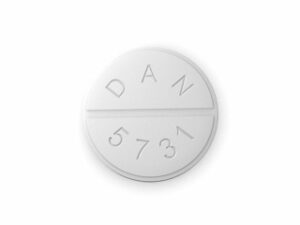


Pyridium (Phenazopyridine) – Patient Guide (Australia)
Pyridium contains the active ingredient phenazopyridine. It is used to relieve the painful symptoms of irritation in the urinary tract, such as burning or pain when you pass urine.
This guide explains how Pyridium works, when it’s typically used, how to take it, safety considerations, and practical tips. It is written for people in Australia and reflects current common clinical practice and regulatory expectations.
Quick Facts
- Active ingredient: Phenazopyridine
- Common use: Temporary relief of urinary burning/pain
- How it works: Local pain-relieving effect on the urinary tract lining
- Typical duration: Short-term use (often up to 2 days) while other causes are treated
- Common side effect: Orange/red discolouration of urine (expected)
- Important note: It does not treat the underlying cause (e.g., infection)
What Pyridium is and what it’s for
Pyridium is a urinary analgesic. It helps relieve discomfort from conditions that irritate the bladder and urethra, especially symptoms like:
- Burning or stinging when urinating
- Urinary urgency and discomfort
- Pain associated with urinary tract irritation
It may be used alongside other treatments if an underlying issue is identified (for example, antibiotics for a bacterial urinary tract infection). If your symptoms are due to a cause that needs specific treatment, Pyridium is intended to help you feel better while that treatment takes effect.
Mechanism of Action (How it works)
Phenazopyridine provides local symptomatic relief of pain by acting on the lining of the urinary tract (bladder/urethra). It helps reduce the sensation of burning and irritation.
It is not an antibiotic. It does not cure the infection itself, if one is present. Think of Pyridium as a “pain reliever for urinary tract symptoms”, rather than a treatment that removes the cause.
Pharmacokinetics (Absorption, distribution, metabolism and excretion)
Understanding pharmacokinetics can help you use the medicine safely.
- Absorption: Phenazopyridine is absorbed after oral dosing.
- Distribution: The medicine is designed to exert effects in the urinary tract.
- Metabolism: It is metabolised mainly in the body (including liver pathways).
- Excretion: Phenazopyridine and its metabolites are eliminated via the kidneys. This is why kidney function can strongly influence risk of side effects.
Why this matters: Reduced kidney function can increase drug exposure, raising the risk of serious adverse effects. If you have known kidney disease, talk to a healthcare professional before use.
When Pyridium is typically used
Pyridium is commonly used for temporary relief of urinary symptoms that involve irritation or pain. Typical situations include:
- Symptomatic discomfort associated with urinary tract irritation
- Short-term relief of burning pain while awaiting or receiving treatment for the underlying cause
- Relief of symptoms after medical procedures that may temporarily irritate the urinary tract (use according to clinician advice)
Not for: It is not intended to replace medical evaluation when symptoms suggest more serious conditions (e.g., kidney infection, fever, flank pain).
Indications and symptom guidance
Pyridium is generally indicated for temporary symptomatic relief of:
- Burning or pain
- Urinary tract discomfort due to irritation
- Other urinary symptoms where a healthcare professional has advised phenazopyridine for short-term pain control
Seek urgent medical advice if you have any of the following:
- Fever or chills
- Flank/back pain (pain in the side or back below the ribs)
- Nausea/vomiting with urinary symptoms
- Blood in the urine (more than mild spotting) or clots
- Symptoms in pregnancy, male patients (especially recurrent symptoms), or children
How to take Pyridium (Dosing and timing)
Dosing can vary by product strength and local guidance. Always follow the directions on the packaging or those provided by your pharmacist or doctor.
Typical adult use (general guidance)
- Adults: Common regimens are phenazopyridine 200 mg taken three times daily after meals.
- Duration: Usually short-term, often up to 2 days unless advised otherwise by a healthcare professional.
Important: If symptoms do not improve quickly, or return soon after stopping, it’s essential to get the underlying cause assessed.
How to take it
- Take after food to help reduce stomach upset.
- Use consistent timing (e.g., morning, afternoon, evening).
- Do not exceed the recommended dose.
- If you miss a dose, take it when you remember unless it’s close to your next dose—then skip the missed dose.
Timing with other treatments
If you are taking another medicine for a urinary condition (for example, an antibiotic), Pyridium can be used to ease pain while that medicine begins working. Your pharmacist can help you plan a schedule to avoid interactions and ensure correct timing.
Food interactions
General food guidance: Phenazopyridine is commonly advised to be taken after meals. Food can help reduce the likelihood of nausea or stomach discomfort.
- Take with or after food if your stomach is sensitive.
- No specific “forbidden foods” are typically required, but maintaining good hydration is beneficial for urinary symptoms.
If you experience nausea, consider taking the dose with a more substantial meal.
Alcohol interactions
While phenazopyridine does not typically have a well-known direct “disulfiram-like” interaction with alcohol, it’s still best to be cautious.
- Avoid or limit alcohol while using Pyridium, as it may worsen dehydration or irritate the urinary tract for some people.
- Alcohol may also make side effects (such as dizziness or stomach upset) more noticeable.
If you drink alcohol, keep it light, stay hydrated, and stop alcohol if you notice worsening symptoms or side effects.
Interactions with other medicines
Pyridium may interact with certain medicines and conditions. The most important practical points are:
- Kidney function matters: Medicines or circumstances that reduce kidney function can increase risk of phenazopyridine toxicity.
- Other urinary alkalinising agents: Urinary pH can influence how phenazopyridine behaves. If you’re taking supplements intended to change urine chemistry, ask a pharmacist whether it’s appropriate.
Before using Pyridium, tell your pharmacist if you take:
- Medicines for kidney problems
- Blood thinners or multiple medicines with complex regimens
- Any medicine that affects your liver or red blood cells
Also mention if you have had allergy to phenazopyridine or similar medicines.
Safety profile and side effects
Many people tolerate Pyridium well when used short-term. However, like all medicines, it has potential side effects, some of which may be serious.
Expected effects
- Orange/red urine: This is common and expected. It can also stain underwear or pads.
- Orange/red tears or sweat (less common): may occur in some people.
Common side effects
- Headache
- Nausea or mild stomach upset
- Dizziness
Serious (seek help urgently) – rare but important
Stop using Pyridium and seek urgent medical advice if you develop:
- Shortness of breath, chest pain, or swelling of face/lips (possible allergy)
- Severe skin reactions (rash, blistering, peeling)
- Yellowing of the skin or eyes (jaundice)
- Unusual bruising, severe fatigue, or pallor
- Dark urine beyond expected staining or marked decrease in urination
Risk factors
Your risk of side effects can increase if you:
- Have kidney impairment
- Use the medicine for longer than recommended
- Have glucose-6-phosphate dehydrogenase (G6PD) deficiency (may increase risk of blood-related problems)
- Are taking other medicines that stress the liver or kidneys
Practical tips for using Pyridium comfortably
- Hydrate: Drink water regularly unless you’ve been told to restrict fluids.
- Timing: Take doses after meals to reduce nausea.
- Expect urine colour change: This is normal; it can stain fabric.
- Don’t rely on colour alone: If you feel seriously unwell, don’t assume it’s “just the urine colour”.
- Monitor symptom course: If symptoms aren’t improving quickly, get medical assessment for the underlying cause.
- Check for red flags: Fever, back/flank pain, or feeling systemically unwell require prompt review.
What to do if symptoms don’t improve
Pyridium is intended for short-term pain relief. If your symptoms persist, you need assessment for causes such as urinary tract infection, bladder inflammation, stone disease, or other urinary conditions.
Do not continue taking Pyridium longer than recommended without appropriate review.
Alternative options for urinary burning pain
Depending on the cause, other options may include:
- Analgesics such as paracetamol or ibuprofen (where suitable) for general pain relief
- Hydration strategies to support symptom improvement
- Urinary alkalinisation (only if appropriate for your situation) to help with urinary discomfort—ask a pharmacist
- Antibiotics or other targeted therapy if an infection or other treatable cause is identified
Important: The best “alternative” depends on whether the underlying cause is infection, irritation, or another condition. Pyridium addresses symptoms; other options may address causes.
Market and legal context for Australia
In Australia, medicines containing phenazopyridine are commonly supplied through pharmacy channels and are regulated under the Australian Therapeutic Goods Administration (TGA). Availability can vary by brand, pack size, and local scheduling/classification.
Because phenazopyridine is intended for short-term use and can be harmful if misused (especially with kidney impairment or prolonged courses), it is typically managed with appropriate pharmacist counselling and product labelling.
Guidance emphasis: Patients are expected to seek assessment if symptoms are not improving or if they have red-flag symptoms. Discoloured urine is a known expected effect and is included in consumer information.
Recent guidance and clinical practice (high-level)
While specific guidance may vary, common clinical practice in Australia emphasises:
- Using urinary analgesics like phenazopyridine for short-term relief only
- Recognising that persistent or recurrent symptoms require evaluation
- Paying attention to kidney function and the risk of adverse outcomes with extended use
- Urgent assessment when there are signs of complicated infection or kidney involvement (fever, flank pain, vomiting)
Your pharmacist can help interpret symptoms and the best next steps.
Delivery and availability
Availability of Pyridium may vary depending on the pharmacy and current supply. Many online pharmacies in Australia provide packaged delivery to metropolitan and regional locations.
- Dispatch times: Often within 1–2 business days (depending on stock).
- Delivery options: Standard and express options may be offered.
- Product packaging: Keep the original box/bottle for dosage instructions.
If a product is temporarily out of stock, the pharmacy may offer an alternative urinary symptom product (availability dependent) or advise when it will return.
Safety checklist before you buy or use
- Do you have kidney disease or reduced kidney function? If yes, seek professional advice.
- Are you pregnant, trying to conceive, or breastfeeding? Ask a clinician/pharmacist for advice.
- Do you have a history of blood disorders (including G6PD deficiency)?
- Do you have fever or back/flank pain? If yes, get urgent medical review.
- Will you use it only for the recommended short duration? If not sure, ask.
FAQ – Pyridium (Phenazopyridine)
1) Does Pyridium treat a urinary tract infection?
Pyridium helps relieve pain and burning caused by urinary irritation. It does not treat the underlying cause of many urinary tract infections. If an infection is present, you may need additional treatment as advised by a healthcare professional.
2) How quickly does Pyridium work?
Many people notice symptom relief within a short time after taking the first dose. Timing can vary. If you’re not improving as expected or symptoms worsen, seek advice.
3) Why is my urine orange/red?
Orange/red urine is a common and expected effect of phenazopyridine. This can stain clothing. It does not always mean your body is “worsening.” However, seek urgent advice if you feel unwell or develop red-flag symptoms (fever, flank pain, severe rash, etc.).
4) Can I drive or operate machinery?
Some people may feel dizzy or unwell. If you experience dizziness, avoid driving or operating machinery until you feel normal.
5) Can I take Pyridium with food?
Yes—many people find it easier to tolerate when taken after meals. Food may help reduce stomach upset.
6) What if I drink alcohol while using Pyridium?
It’s best to limit alcohol while you have urinary symptoms and are using Pyridium. Alcohol may worsen dehydration or irritation and could make side effects more noticeable.
7) How long can I take Pyridium?
Pyridium is intended for short-term use. Follow the recommended duration on the product label. If symptoms persist beyond the recommended short period, you should be assessed for the underlying cause rather than continuing longer.
8) What should I do if I forget a dose?
If you remember soon after, take it as directed. If it’s almost time for your next dose, skip the missed one. Do not take extra to make up for the missed dose.
9) Who should be extra careful?
Extra caution is needed if you have kidney impairment, a history of blood disorders (including G6PD deficiency), are pregnant/breastfeeding, or are taking multiple medicines. Ask a pharmacist if you’re unsure.
10) Are there any alternatives?
Alternatives depend on the cause. Some people use general pain relief (e.g., paracetamol/ibuprofen if suitable), hydration measures, or—if infection is identified—specific treatments. A pharmacist can help you choose the safest option.
Summary
Pyridium (phenazopyridine) is a urinary pain-relieving medicine used for short-term relief of burning and discomfort when you urinate. It works locally to ease symptoms, but it does not treat underlying causes such as urinary tract infection. If your symptoms don’t improve quickly, or if you have fever, flank pain, or other red flags, seek medical advice promptly.
Always follow the dosing instructions on the product packaging and ask your pharmacist if you have any questions about safety, interactions, or whether Pyridium is suitable for your situation.