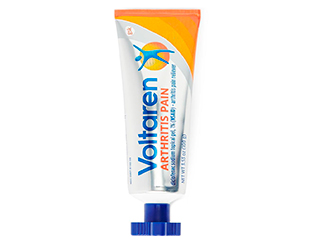
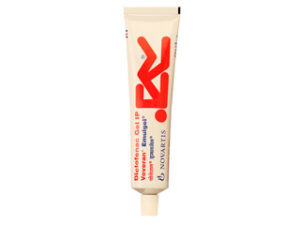
Voltaren Gel (Diclofenac Sodium) – Pain Relief for Muscles and Joints (Australia)
Voltaren Gel contains diclofenac sodium, a medicine from the non-steroidal anti-inflammatory drug (NSAID) family. It’s designed to relieve pain and inflammation caused by problems affecting muscles, tendons, ligaments, and joints. Because Voltaren Gel is applied to the skin, it delivers diclofenac directly where it’s needed, with generally lower whole-body exposure than oral NSAIDs.
This guide explains how Voltaren Gel works, when to use it, how to apply it, what to watch for, and common interactions and safety considerations for people in Australia.
Product Snapshot
| Category | Details |
|---|---|
| Active ingredient | Diclofenac sodium |
| Medicine type | Topical NSAID (anti-inflammatory pain relief) |
| Common use | Localised pain in joints and soft tissues (e.g., osteoarthritis in certain areas, sprains/strains) |
| Route | Topical application to the skin |
| Typical frequency | Depends on the product strength and target area (follow the label/pack instructions) |
Note: Voltaren Gel products can come in different strengths depending on the market and formulation. Always check the exact strength on your carton/label and follow the directions provided.
How Voltaren Gel Works (Mechanism of Action)
Diclofenac works by reducing inflammation and pain at the site of application. It does this mainly by:
- Blocking cyclo-oxygenase (COX) enzymes, which reduces production of inflammatory chemicals called prostaglandins.
- Decreasing inflammatory signalling in the affected tissues, helping reduce swelling, soreness, and stiffness.
- Providing local pain relief where the gel is applied to muscles and joints.
Because it is applied to the skin, diclofenac is absorbed through the local tissues and works where you need it most.
Pharmacokinetics (Absorption, Distribution, Metabolism, Excretion)
Understanding pharmacokinetics helps explain why topical NSAIDs can be effective for local pain and may have a different overall risk profile compared with tablets.
Absorption
- Diclofenac is absorbed through the skin into underlying tissues.
- Only a portion of the dose enters the bloodstream, so systemic exposure is generally lower than with oral diclofenac.
Distribution
- Once absorbed, diclofenac circulates in the body and can bind to proteins in the blood.
Metabolism
- Diclofenac is metabolised mainly in the liver by metabolic pathways similar to other diclofenac formulations.
Excretion
- Metabolites are eliminated primarily through renal (kidney) pathways.
Clinical implication: Even with topical use, significant amounts are generally not absorbed. However, higher application amounts, broken skin, prolonged use, heat/occlusion, or using multiple NSAID products may increase absorption.
Typical Uses and Indications
Voltaren Gel is used for the relief of pain and inflammation in conditions involving localized musculoskeletal structures. Common indications include:
- Osteoarthritis in joints where topical treatment is suitable (e.g., knee or hand joints, depending on the product guidance)
- Sprains, strains, and bruises (for musculoskeletal soft tissue pain)
- Back, neck, and shoulder muscular pain (when caused by inflammation or strain, as directed)
- Tendon and ligament pain such as pain related to overuse (follow label directions)
Important: Voltaren Gel is intended for skin use only and should not be applied to large body areas or used under tight occlusive coverings unless directed.
When to Start and How Soon It Works (Timing)
Some people notice pain relief within the first day of use. For persistent conditions like osteoarthritis or tendon-related pain, more noticeable improvement often occurs after several days of consistent application.
- For acute soft tissue injuries: use as early as practical (after any initial care) and continue for the duration stated on the packaging.
- For osteoarthritis pain: use consistently according to the schedule on the pack; reassess after a short trial.
- If there’s no improvement after the recommended trial period, discontinue and seek advice from a healthcare professional.
General tip: Apply at similar times each day to maintain steady local dosing.
Dosing: How Much to Apply and How Often
Dosing depends on the specific product strength and the body area being treated. Always follow the directions on your pack.
Common dosing approach for topical diclofenac
- Apply a measured amount to the affected area.
- Gently spread the gel to cover the painful area.
- Wash hands after application (unless treating the hands).
- Do not apply to eyes, mouth, or broken/infected skin.
How to use the correct amount (practical guidance)
- Use the same dosing unit each time (e.g., a tube-specified “amount” or the measured quantity stated in the leaflet).
- Avoid applying more frequently or in larger amounts than directed to “boost” effect—this increases the chance of side effects.
Maximum daily amount: The pack will specify a maximum total amount. Do not exceed it.
Food Interactions
Because Voltaren Gel is applied to the skin, food interactions are not typically expected in the same way as with oral NSAIDs. Diclofenac absorption through the skin leads to much lower systemic levels than tablets, so meals usually do not affect effectiveness or safety.
Practical note: If you are also taking other medicines that can irritate the stomach (including oral NSAIDs), follow their guidance separately. Food may still be relevant for those medicines.
Alcohol and Medicine Interactions
Alcohol
Topical diclofenac has lower systemic exposure than oral diclofenac, but caution is still sensible—especially if you have a history of stomach ulcers, bleeding, kidney disease, or are using other NSAIDs.
- Limit alcohol if possible while using NSAIDs.
- If you notice stomach discomfort, bleeding symptoms, or unusual bruising, stop use and seek medical advice.
Interactions with other medicines
Voltaren Gel can interact with other drugs mainly through overall NSAID effects (even though absorption is lower). Tell your pharmacist or doctor if you use any of the following:
- Other NSAIDs (e.g., ibuprofen, naproxen, aspirin used for pain/inflammation): increased risk of side effects.
- Blood thinners (anticoagulants) such as warfarin: NSAIDs may increase bleeding risk.
- Antiplatelet medicines such as clopidogrel: may increase bleeding risk.
- Corticosteroids: may increase gastrointestinal or bleeding risk.
- Diuretics (e.g., furosemide) and medicines affecting kidney function: increased risk of kidney issues with combined NSAID exposure.
- Selective serotonin reuptake inhibitors (SSRIs) or other antidepressants that affect bleeding risk: increased chance of bleeding.
- Certain medications for heart failure or blood pressure: NSAIDs can affect kidney function and blood pressure in some people.
Key reminder: If you’re using more than one NSAID product (topical and oral), overall risk may rise. Avoid duplicating NSAID therapy unless a healthcare professional advises it.
Safety Profile and Who Should Be Careful
Most people tolerate Voltaren Gel well when used as directed. However, medicines can cause side effects, and topical NSAIDs can still have important risks.
Common side effects
- Skin reactions at the application site (e.g., redness, itching, rash)
- Dry skin or mild irritation
- Burning/stinging sensation
Less common but serious risks
- Allergic reactions, including severe rash or swelling
- Asthma worsening in people with aspirin/NSAID sensitivity
- Systemic effects are uncommon with topical use but can occur—especially with overuse, large-area application, broken skin, occlusion, or long durations.
- Kidney or bleeding risks may become more relevant if other risk factors or interacting medicines are present.
When to avoid or seek advice before use
Check before using Voltaren Gel if any of the following apply:
- You have a history of NSAID allergy or asthma triggered by aspirin/NSAIDs.
- You have a history of stomach ulcer or gastrointestinal bleeding.
- You have kidney disease or are at risk of dehydration.
- You are using blood thinners or medicines that affect bleeding.
- You are applying to large areas, using heat wraps, or applying under occlusion (unless directed).
- The skin is broken, infected, or heavily inflamed.
Pregnancy and breastfeeding
Topical diclofenac is generally used cautiously in pregnancy and breastfeeding. If you are pregnant, planning pregnancy, or breastfeeding, speak with a healthcare professional or pharmacist for personalised guidance.
Children and adolescents
Use in children depends on the specific product directions. Consult the label and seek advice for age-appropriate use.
Practical Use Tips (How to Apply Safely and Effectively)
- Wash and dry the area before applying.
- Apply to intact skin only—avoid cuts, wounds, or irritated patches.
- Use the correct amount as stated on the pack.
- Gently massage into the skin until absorbed.
- Wash your hands after application (unless treating your hands).
- Avoid eyes and mucous membranes. If gel gets in the eyes, rinse thoroughly with water.
- Do not cover with tight dressings or apply heat on top (e.g., heating pads) unless the pack specifically advises it.
- Allow the gel to dry before dressing to reduce transfer onto clothing.
What to avoid
- Do not use alongside another NSAID gel on the same area unless directed.
- Avoid applying to broken skin or in combination with occlusive coverings (e.g., airtight plastic).
- Do not use more than the maximum frequency or total daily amount listed.
Alternative Options for Local Pain Relief
If Voltaren Gel isn’t suitable or you want alternatives, options may include:
- Other topical NSAIDs (diclofenac or similar agents in gel/cream form)
- Topical analgesics such as capsaicin (for some nerve and joint-related pain patterns)
- Heat or cold therapy (e.g., ice for acute injury, warmth for stiffness—use safely)
- Physical measures like gentle stretching, rest from aggravating activities, and supportive braces
- Oral pain relief options (e.g., paracetamol) for some people—check interactions and suitability
Tip: For persistent pain, consider a stepwise plan: topical anti-inflammatory for a short trial, combined with activity modification and exercises recommended for the affected joint.
Market and Legal Context in Australia (What to Expect)
In Australia, medicines are regulated under the Therapeutic Goods Administration (TGA) framework. Voltaren Gel has been supplied in Australia for many years and is generally available through pharmacies and other approved channels depending on formulation, strength, and scheduling.
- Quality and safety: products are manufactured to Australian regulatory standards.
- Label instructions matter: dosing and age restrictions depend on the specific pack and TGA-approved directions.
- Pharmacist support: you can ask your pharmacist to confirm suitability, especially if you have multiple health conditions or medicines.
Recent guidance: In recent years, consumer and healthcare messaging has emphasised correct use of topical NSAIDs—applying to the skin as directed, avoiding excessive use, and being mindful of systemic risks in high-risk groups (e.g., people taking anticoagulants or with kidney/GI history). Always check the leaflet inside your pack and current pharmacist advice.
Delivery and Availability (Online Pharmacy Considerations)
Voltaren Gel is typically widely available in Australia. When ordering online, availability can depend on product strength and pack size.
- Product options: you may see different pack sizes or strengths.
- Dispatch times: orders are usually dispatched quickly during business days.
- Storage: store the gel as directed on the label (typically at room temperature, away from heat and out of direct sunlight).
- Check expiry: ensure the expiry date is suitable before use.
Delivery note: Keep the gel in its original packaging to protect it from sunlight and to ensure correct product identification.
FAQ – Voltaren Gel (Diclofenac Sodium)
1) Is Voltaren Gel safe to use on most joint and muscle pains?
Many people can use Voltaren Gel safely when they follow the label directions. However, it may not be suitable for everyone—especially those with NSAID allergy, certain asthma types, a history of bleeding, stomach ulcer disease, or kidney problems. If you’re unsure, ask a pharmacist.
2) How long should I use it?
Use it for the duration recommended on the pack. If symptoms do not improve after the recommended trial period, stop and seek advice.
3) Can I combine Voltaren Gel with oral pain relief?
Sometimes combination therapy is possible, but avoid doubling up on NSAIDs. For example, combining with oral diclofenac or other NSAIDs increases risk. Paracetamol may be an option for some people, but check suitability for you.
4) Can I use it more often if the pain is worse?
No—don’t increase frequency or dose beyond the label instructions. Overuse increases the likelihood of side effects, including skin reactions and systemic NSAID risks.
5) Can I apply it under a bandage or heat pack?
Unless the pack explicitly advises it, avoid occlusive dressings and heat treatments over the gel. Heat and covering can increase absorption and raise the risk of irritation or systemic effects.
6) Will it stain clothes?
It may. Allow the gel to dry fully before dressing. If it transfers, wash affected fabric promptly.
7) What should I do if I get gel in my eyes or on mucous membranes?
Rinse thoroughly with water immediately. If irritation persists, seek medical advice.
8) What if I miss a dose?
Apply it when you remember unless it’s close to the next scheduled application. Don’t apply extra gel to make up for a missed application.
9) Are there food interactions?
Topical diclofenac has minimal expected food interactions. The bigger considerations are typically interactions with other medicines (especially other NSAIDs or blood thinners).
10) Is alcohol an issue?
Alcohol is not automatically forbidden with topical NSAIDs, but caution is advised—particularly if you have GI bleeding risk, kidney issues, or are taking other interacting medications.
Summary
Voltaren Gel (diclofenac sodium) is a topical NSAID used to relieve localized pain and inflammation in muscles and joints. It works by reducing inflammatory chemicals in the tissues where you apply it. While systemic absorption is generally lower than with oral NSAIDs, safety still matters—especially if you have a history of NSAID allergy, ulcers/bleeding, kidney disease, asthma triggered by NSAIDs, or you take medicines that affect blood clotting.
For best results: apply to intact skin using the correct amount, follow the label schedule, and allow the gel to dry before dressing. If you experience a significant rash, swelling, wheezing, or other severe symptoms, stop using and seek medical advice promptly.
Always read the product label and leaflet included with your Voltaren Gel for exact directions, maximum dosing, and suitability information.