Voltaren (Diclofenac): Pain Relief for Inflammation (Australia)
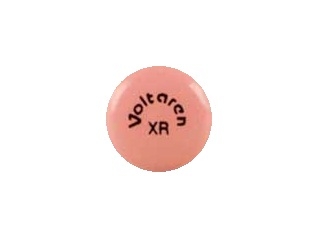
Voltaren is a brand of diclofenac, a medicine from the non-steroidal anti-inflammatory drug (NSAID) family. It works by reducing inflammation and relieving pain. Voltaren is available in several forms (commonly topical gel and sometimes other presentations depending on retailer and pharmacy stock), and the right product choice depends on the condition being treated.
This guide is designed to help you understand how Voltaren works, how to use it safely, and what to consider—especially regarding interactions, timing, and side effects. Always read the product label and any consumer medicine information provided with your specific Voltaren product.
At a Glance
- Active ingredient: Diclofenac
- Drug class: NSAID (anti-inflammatory pain relief)
- Common uses: Pain and inflammation from muscle/joint conditions (often strains, sprains, and arthritis symptoms depending on formulation)
- Typical onset: Some relief may begin within hours (especially with topical products), with best effects over days
- How it’s used: Apply to the affected area or take according to the specific product directions
- Key cautions: Stomach/heart/kidney risks for NSAIDs; skin reactions for topical use; interactions with other medicines and alcohol
Basic Product Information
| Category | Details |
|---|---|
| Brand | Voltaren |
| Generic name | Diclofenac |
| Class | NSAID |
| Common forms (varies by availability) | Topical gel (and other formulations depending on local availability) |
| Primary action | Reduces inflammation and pain |
| Who it’s for | Adults and eligible age groups depending on the specific product and indications |
Important: Voltaren products differ by concentration and formulation. Always ensure you select the correct product for your symptoms and follow the exact dosing instructions on the packaging for that product.
How Voltaren Works (Mechanism of Action)
Diclofenac helps relieve pain and inflammation by targeting a key pathway in the body.
- COX inhibition: Diclofenac blocks cyclooxygenase enzymes (COX-1 and COX-2). These enzymes help produce prostaglandins, chemicals involved in inflammation, pain signalling, and fever.
- Reduced inflammatory response: Lower prostaglandin levels can reduce swelling, tenderness, and pain at the site of inflammation.
- Topical benefit: With topical Voltaren, diclofenac is delivered to the local area to help relieve pain—often with lower overall medicine exposure than oral NSAIDs (though some absorption still occurs).
Pharmacokinetics (How the Body Handles Diclofenac)
Pharmacokinetics describes how diclofenac is absorbed, distributed, metabolised, and eliminated. The exact values depend on the formulation.
Topical diclofenac (commonly Voltaren gel)
- Absorption: Diclofenac can be absorbed through the skin. Absorption is generally lower than with oral tablets, but it is not zero.
- Distribution: After absorption, diclofenac can circulate and bind to proteins in the blood.
- Metabolism: Diclofenac is metabolised mainly by the liver.
- Elimination: Metabolites are excreted primarily through the kidneys and to a lesser extent via bile.
Oral diclofenac (if your specific Voltaren product is taken by mouth)
- Absorption: Oral dosing is absorbed through the gastrointestinal tract.
- First-pass metabolism: The liver processes part of the medicine before it reaches full circulation.
- Elimination: Metabolites are removed mainly by the kidneys.
Practical takeaway: Even with topical diclofenac, some systemic absorption can occur. For people with kidney disease, liver issues, or those taking interacting medicines, extra caution is needed.
Indications: When Voltaren May Be Used
Voltaren diclofenac is used to relieve pain and inflammation associated with a range of musculoskeletal conditions. The exact indications depend on the product formulation and local label directions.
Common examples where diclofenac (including topical diclofenac) is used include:
- Muscle pain and discomfort
- Sprains and strains
- Joint pain, including inflammatory or degenerative conditions (where appropriate for the product)
- Back and neck pain associated with inflammation (depending on product guidance)
Not for: Voltaren is not intended for treating infections directly, or for pain caused by non-inflammatory conditions where a specific diagnosis and plan is needed.
Typical Use and Timing
Correct timing helps you get better pain control while minimising side effects.
Topical Voltaren (gel) – general timing guidance
- Apply regularly as directed on the product label (commonly multiple times daily for topical products).
- Allow time to work: Some symptom relief may start within a few hours, but the full benefit often becomes clearer over several days.
- Consistency matters: For ongoing pain from inflammatory conditions, regular application is usually more effective than occasional use.
After applying
- Wash your hands after use (unless your hands are the treatment area).
- Do not apply on broken skin or open wounds.
- Avoid occlusive dressings unless directed by a healthcare professional.
- Wait before showering/bathing if the label advises this (some products suggest a time window so the gel can set).
When to seek further advice: If pain persists beyond the timeframe on the label, worsens, or you develop new symptoms (e.g., fever, significant swelling, redness spreading), seek medical advice promptly.
Dosing: Follow Your Product Label
Because Voltaren products differ by strength and form, dosing instructions must follow the specific package directions. Below is general guidance for topical use; always check your product’s instructions for exact amounts, frequency, and maximum daily dose.
Typical approach for topical diclofenac gel
- Measure the dose: Use the amount specified on the label for the size of the affected area (often described in terms like “pea-sized” or “a strip” for different body areas).
- Frequency: Apply the recommended number of times per day.
- Duration: Use for the period recommended by the product label. If symptoms don’t improve, stop and seek advice rather than continuing indefinitely.
Do not exceed the maximum daily dose stated on your packaging. Using more gel than recommended does not usually improve effectiveness and increases the risk of side effects.
Food Interactions (and Why They Matter)
Topical diclofenac: Food interactions are generally less relevant than with oral NSAIDs because only a small amount is absorbed systemically. However, because some absorption can occur, the safest approach is still to use as directed and avoid stacking multiple NSAIDs.
Oral diclofenac (if applicable): If you’re using an oral diclofenac-containing product, food can affect how the medicine behaves in your gut. Many people tolerate oral NSAIDs better with food or after meals to reduce stomach irritation.
- General tip: For oral forms, take with or after meals as directed on the label.
- Do not “double up”: Avoid taking additional NSAIDs (e.g., ibuprofen, naproxen, aspirin for pain) without advice.
Remember: Always read your specific Voltaren product instructions, as guidance may differ across formulations.
Alcohol and Medicine Interactions
Alcohol
Combining NSAIDs with alcohol can increase the risk of side effects, particularly:
- Stomach irritation or bleeding
- Kidney strain (especially with dehydration or existing kidney issues)
- Greater overall side-effect burden
Practical guidance: It’s best to avoid heavy or regular alcohol use while using diclofenac. If you drink alcohol, do so sparingly and follow label directions carefully.
Medicine interactions
Diclofenac can interact with other medicines. The risk depends on dose, duration, and whether the product is topical or oral. Common interaction concerns include:
- Other NSAIDs (e.g., ibuprofen, naproxen): higher risk of stomach bleeding and kidney effects.
- Anticoagulants (blood thinners such as warfarin): increased bleeding risk.
- Antiplatelet medicines (e.g., clopidogrel): increased bleeding risk.
- Corticosteroids (e.g., prednisolone): increased gastrointestinal risk.
- SSRIs/SNRIs (antidepressants): may increase bleeding risk.
- Diuretics (water tablets): may affect kidney function when combined with NSAIDs.
- ACE inhibitors/ARBs (blood pressure/heart medicines): can increase kidney risk with NSAIDs.
- Lithium: NSAIDs can increase lithium levels.
- Methotrexate: NSAIDs can increase methotrexate toxicity.
- Some diabetes medicines and other agents: may require monitoring.
If you’re unsure: If you take regular medicines, including blood pressure drugs, blood thinners, or antidepressants, check with a pharmacist for advice about your specific situation.
Safety Profile: Common and Serious Side Effects
Most people tolerate Voltaren (diclofenac) well when used according to directions. However, NSAIDs can have important risks, especially with long use or higher systemic exposure.
Topical gel: skin-related effects
- Common: Mild skin irritation, redness, itching, or dryness at the application site.
- Less common but important: Rash, blistering, or allergic skin reactions.
Serious NSAID-related risks (more relevant for oral diclofenac, but consider overall exposure)
- Gastrointestinal problems: stomach pain, ulcers, or bleeding (sometimes serious).
- Cardiovascular risks: some NSAIDs may increase risk of heart-related events, particularly with higher doses or longer use.
- Kidney risks: reduced kidney function, especially in people who are dehydrated or have existing kidney disease.
- Allergic reactions: swelling of face/lips, wheezing, severe rash, or difficulty breathing—seek urgent help.
Who should take extra care
Before using diclofenac, consider extra caution if you have any of the following:
- History of stomach ulcers or gastrointestinal bleeding
- Heart disease, stroke, or uncontrolled blood pressure
- Kidney disease or reduced kidney function
- Asthma triggered by aspirin/NSAIDs
- Significant liver disease
- Pregnancy or trying to conceive (especially later pregnancy)
Stop and seek advice: If you develop severe side effects, signs of allergy, or worsening symptoms, stop using Voltaren and seek medical attention promptly.
Practical Use Tips for Best Results
- Clean and dry the area: Apply to clean, intact skin. Allow sweat or water to dry before application.
- Use the right amount: Measure the dose as directed. Using too much may increase absorption and side effects.
- Gently rub in: Spread the gel thinly over the affected area as instructed.
- Protect treated skin: Avoid sun exposure on the treated area if the product label advises it, as topical NSAIDs may increase sensitivity in some people.
- Don’t cover tightly: Avoid applying under waterproof or airtight dressings unless directed.
- Wash hands: Prevent accidental contact with eyes or mouth.
- Combine with safe measures: For muscle injuries, rest, gentle movement, and cold/heat therapy (if appropriate) can complement pain relief.
- Check duration: If symptoms haven’t improved within the recommended treatment timeframe, don’t continue indefinitely—seek advice.
Alternative Options
If Voltaren isn’t suitable, several alternatives may help depending on your condition:
Other topical pain relievers
- Topical heat/cold products (for short-term relief)
- Topical analgesics (non-NSAID options such as counterirritants), where appropriate for localised pain
Oral pain relief (if suitable)
- Paracetamol may help with pain, particularly when NSAIDs are unsuitable. It does not treat inflammation to the same extent.
- Oral NSAIDs (e.g., ibuprofen, naproxen) may be alternatives but carry similar or related risks.
Non-medicine approaches
- Physiotherapy and exercise for chronic joint or back pain
- Strengthening and mobility work
- Supportive care such as ergonomic adjustments and activity modification
Note: Avoid using multiple NSAID products simultaneously unless advised, to reduce the risk of side effects.
Voltaren in the Australian Market: Legal and Regulatory Context
In Australia, medicines are regulated under the Therapeutic Goods Administration (TGA). The availability of Voltaren products and whether they are available over-the-counter or via a healthcare process depends on:
- The specific formulation and strength
- Whether it is classified as pharmacy-only and the packaging requirements
- Current regulatory status and label directions
Online pharmacies operating in Australia typically stock products consistent with their regulatory classification and provide consumer information that aligns with TGA requirements. Availability can vary by state/territory and by retailer.
Always follow Australian label directions and the product-specific instructions included with your purchase.
Recent Guidance and Updated Safety Considerations
Healthcare safety guidance for NSAIDs evolves over time as new information becomes available. In recent years, key themes across many NSAIDs have included:
- Use the lowest effective dose for the shortest necessary time
- Be cautious in people at higher risk (older adults, history of ulcers/bleeding, heart disease, kidney impairment)
- Review interacting medicines such as blood thinners, corticosteroids, and other NSAIDs
- Seek advice if symptoms persist or if side effects occur
For the most current product information, refer to the consumer medicine information provided with your Voltaren product or speak with a pharmacist.
Delivery, Availability and How to Order Online (Australia)
Voltaren products may be available for home delivery depending on the retailer, local regulations, and the product classification. Availability can also vary by:
- Stock levels at distribution centres
- Your delivery location (state/territory and postcode)
- Whether the product is currently in demand
What to expect when ordering:
- Packaging: Products should arrive sealed and labelled for consumer use.
- Documentation: Your order should include the product label and any required consumer medicine information.
- Delivery times: Delivery speed depends on the shipping option selected and local carrier schedules.
If you’re unsure which Voltaren formulation is best for your needs, you can usually ask a pharmacist for assistance when placing an order.
FAQ: Voltaren (Diclofenac)
1) Is Voltaren the same as diclofenac?
Voltaren is a brand name. The active ingredient is diclofenac. Different Voltaren products may have different concentrations and forms, so always check your specific label.
2) How fast will Voltaren work?
Many people notice symptom relief within hours, especially with topical gel. For ongoing inflammation, it may take several days of consistent use to feel the full benefit.
3) Can I use Voltaren with other pain relievers?
Be cautious. Avoid using multiple NSAIDs at the same time unless a pharmacist or healthcare professional advises it. For safer pairing (like paracetamol), it depends on your health profile—ask a pharmacist if you’re unsure.
4) Should I apply Voltaren before or after exercise?
In many cases, applying as directed can help manage pain so you can stay active. However, avoid applying right before activities that may cause the gel to be wiped off or transferred to others’ skin. Also consider sun/skin protection on the treated area.
5) What happens if I accidentally swallow topical gel?
Accidental swallowing should be taken seriously. Contact Poison Information Centre or seek medical advice urgently, especially if you feel unwell. Keep product out of reach of children.
6) Can I drink alcohol while using Voltaren?
It’s best to avoid or limit alcohol. Alcohol may increase the risk of stomach irritation and other NSAID-related side effects.
7) Can I use Voltaren if I have asthma?
NSAIDs can trigger asthma symptoms in some people. If you have a history of asthma worsened by aspirin or NSAIDs, speak with a pharmacist before use.
8) What should I do if I get a rash or irritation?
Stop using the product and seek advice if the reaction is severe, spreading, or includes swelling or breathing difficulty. Mild irritation may improve, but persistent symptoms should be discussed with a pharmacist.
9) Is topical diclofenac safe for everyone?
Not necessarily. People with certain conditions (e.g., sensitive skin, kidney/liver issues, history of ulcers/bleeding, or those taking interacting medicines) may need extra caution. Read the label carefully and ask a pharmacist if needed.
10) When should I stop using Voltaren and see a clinician?
If your pain does not improve within the timeframe on the label, if symptoms worsen, or if you develop concerning signs (severe swelling, fever, spreading redness, or signs of allergy), discontinue use and seek professional advice.
Key Takeaways
- Voltaren contains diclofenac, an NSAID that reduces inflammation and pain.
- Topical Voltaren gel is applied to the affected area and may provide targeted relief.
- Follow the label for dose, frequency, and duration.
- Be careful with alcohol and drug interactions, especially if you take blood thinners, steroids, or other NSAIDs.
- If symptoms persist or side effects occur, stop and seek advice.
Always read the packaging: The most reliable information for your specific product is the consumer medicine information and directions on the box/tube you receive.