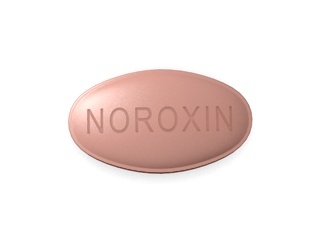
Noroxin (Norfloxacin) — Patient Guide (Australia)
Noroxin is the brand name of norfloxacin, an oral antibiotic belonging to the fluoroquinolone group. It is used to treat certain bacterial infections, most commonly of the urinary tract, when the responsible bacteria are susceptible to norfloxacin.
This guide is designed to help you understand how Noroxin works, how it’s typically taken, what to watch for, and how to use it safely. It also covers interactions and practical considerations for people living in Australia.
1) Basic product information
| Product | Noroxin |
|---|---|
| Active ingredient | Norfloxacin |
| Drug class | Fluoroquinolone antibiotic |
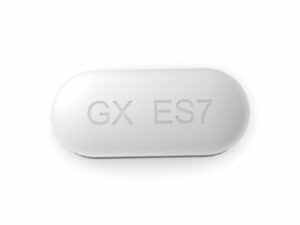
| Route of administration | Oral tablet |
| Typical indication | Selected bacterial infections, especially urinary tract infections (UTIs) |
Important note: The exact dose and duration depend on the infection, your kidney function, and local treatment guidance. Always follow the dosing instructions provided with your medicine.
2) How Noroxin works (mechanism of action)
Norfloxacin works by interfering with key bacterial enzymes required for bacterial DNA replication:
- DNA gyrase (topoisomerase II) and
- topoisomerase IV
By blocking these enzymes, norfloxacin prevents bacteria from reproducing and can lead to bacterial cell death. This antibiotic is generally more active against certain Gram-negative bacteria commonly responsible for UTIs.
Resistance matters: As with all antibiotics, effectiveness depends on the bacteria being susceptible. Taking antibiotics unnecessarily can contribute to resistance and may reduce future treatment options.
3) Pharmacokinetics (how the body handles norfloxacin)
Pharmacokinetics describes what happens after you swallow a dose—absorption, distribution, metabolism, and elimination.
- Absorption: Norfloxacin is absorbed from the gastrointestinal tract, though absorption can be affected by food and certain minerals (notably iron, zinc, and magnesium).
- Distribution: It can distribute into body fluids including urinary tract tissues, which is one reason it has been used for UTIs.
- Metabolism: Only a portion is metabolised; the majority is excreted.
- Elimination: Norfloxacin is eliminated primarily via the kidneys, making renal function an important consideration for dosing.
Why this matters for patients: If you have reduced kidney function, your prescriber may adjust dosing. Also, some interactions can reduce absorption, leading to lower antibiotic levels in your urine or bloodstream.
4) Typical use and when it’s taken
What infections is Noroxin commonly used for?
Noroxin is commonly used for bacterial infections where norfloxacin is expected to be active. In many settings, it is associated with uncomplicated and complicated urinary tract infections caused by susceptible bacteria.
Use in other infection types depends on susceptibility patterns and local guidance.
Timing (how to space doses)
Common dosing schedules for norfloxacin are typically taken once or twice daily depending on the regimen prescribed. A consistent schedule helps maintain effective antibiotic levels.
- Try to take doses at roughly the same times each day.
- If you miss a dose, take it when you remember unless it’s close to the next dose. Don’t double up.
- Complete the full course even if you feel better sooner.
5) Food interactions (what to avoid with meals)
Food can influence the absorption of norfloxacin. In particular, dairy products and foods high in minerals may reduce absorption if taken too close to the dose.
General guidance:
- Some people are advised to take norfloxacin away from meals or to avoid certain mineral-rich foods at the same time. Your medicine label or clinician instructions should be followed.
- If you experience stomach upset, taking it with a light snack may help—however, follow the instructions given for your product and your clinician’s advice.
Minerals to watch: Products containing calcium, iron, magnesium, or zinc can bind to antibiotics and reduce absorption. This includes supplements and some antacids.
6) Alcohol and medicine interactions
Alcohol
There isn’t always a strict “no alcohol ever” rule for every person, but alcohol can worsen side effects such as dizziness, nausea, stomach discomfort, and impaired judgement. It may also affect recovery and hydration.
Practical recommendation: It’s best to avoid alcohol or keep it to very small amounts during treatment, especially if you notice side effects.
Common medicine interactions
Norfloxacin has several important interactions. The exact list may vary depending on your other medicines. Below are widely relevant interaction categories:
- Antacids and mineral supplements (containing aluminium, magnesium, calcium, iron, zinc): can reduce norfloxacin absorption. Separate by at least 2 hours before or 4–6 hours after—follow your clinician/pharmacist advice.
- Probenecid: may affect kidney elimination of norfloxacin.
- Warfarin (and other anticoagulants): fluoroquinolones may increase the risk of bleeding by affecting clotting tests. Monitoring may be needed.
- Diabetes medicines (including insulin and sulfonylureas): fluoroquinolones can affect blood glucose, leading to hypo- or hyperglycaemia in some people.
- Theophylline: may increase the risk of side effects if levels rise.
- Non-steroidal anti-inflammatory drugs (NSAIDs): combining may increase the risk of nervous system side effects in some patients.
- QT-prolonging medicines (certain antiarrhythmics and some antipsychotics/antidepressants): fluoroquinolones may increase QT interval risk. Your clinician may check your risk factors.
Always tell your pharmacist about your current medicines, including supplements and herbal products, so they can check for interaction risks.
7) Indications (what it is used for)
Noroxin is indicated for infections caused by bacteria that are susceptible to norfloxacin. In practice, this has frequently included urinary tract infections (UTIs) and certain infections affecting the urinary tract.
Because antibiotic resistance patterns differ between regions and over time, local prescribing guidance in Australia may influence which infections norfloxacin is recommended for and how it’s selected.
8) Dosing (how much and how long)
Dosing should be determined by a healthcare professional based on the infection type, severity, bacterial susceptibility, and your kidney function. A dose that is appropriate for one person may be unsafe or ineffective for another.
Typical dosing approach
- Adults: Regimens vary by indication (for example, twice daily schedules are common historically for UTIs). Your label instructions are the key reference.
- Kidney impairment: Dosing often needs adjustment when kidney function is reduced.
- Duration: Courses vary; even if symptoms improve, stopping early can allow the infection to return.
What to do if you have kidney disease: Let your clinician/pharmacist know your latest kidney function status. Dose adjustments may be necessary to reduce side effects.
When to seek help during treatment
Contact a healthcare professional if:
- you have no improvement within 48–72 hours, or symptoms worsen;
- you develop fever, flank/back pain, or feel very unwell (possible upper urinary tract involvement);
- you experience severe diarrhoea or diarrhoea with blood/mucus;
- you notice tendon pain or swelling (see safety section below).
9) Safety profile (important precautions)
Like all antibiotics, norfloxacin can cause side effects. Most are mild, but some are serious and require prompt medical attention.
Common side effects
- nausea
- stomach discomfort or indigestion
- headache
- diarrhoea
- dizziness
Serious side effects—get urgent medical help
Seek urgent care if you experience:
- Allergic reaction such as swelling of the face/lips, trouble breathing, or widespread rash;
- Tendon injury (especially pain, swelling, or inflammation in the Achilles tendon); stop the medicine and seek medical advice urgently;
- Seizures or severe nervous system symptoms;
- Severe or persistent diarrhoea, especially if watery or bloody (possible antibiotic-associated colitis);
- Symptoms of liver problems (yellowing of eyes/skin, dark urine, severe fatigue);
- Heart rhythm symptoms such as fainting, palpitations, or severe dizziness (particularly if you have risk factors for QT prolongation);
- Peripheral neuropathy signs such as tingling, numbness, burning pain, or weakness.
Stop-and-seek guidance: If a serious reaction is suspected, do not wait for symptoms to “pass” on their own.
Who should be extra cautious?
Extra caution may be needed if you:
- are older or have a history of tendon disorders;
- have known nerve problems (neuropathy);
- have existing heart rhythm conditions or electrolyte imbalances;
- have epilepsy or seizure risk;
- have diabetes or are at risk of blood sugar fluctuations;
- are pregnant or breastfeeding (risk–benefit assessment is required);
- have severe kidney impairment.
10) Practical use tips (to maximise effectiveness and reduce side effects)
- Hydrate well: Drinking fluids can help urinary tract comfort and may support recovery (unless you have fluid restrictions).
- Adhere to spacing with minerals: Keep antacids, iron, zinc, and magnesium products separated from your norfloxacin dose.
- Track symptoms: Note temperature, pain, burning when urinating, and any changes in urinary frequency.
- Don’t share antibiotics: Even similar symptoms can have different causes, including viral infections or resistant bacteria.
- Complete the course: Finishing treatment reduces the risk of recurrence and complications.
- Be careful with strenuous activity: If you develop tendon pain, avoid exercise and seek advice promptly.
- Medication list check: Before starting, confirm all current medicines and supplements are reviewed for interactions.
11) Alternative options (discuss with your healthcare professional)
If norfloxacin is not suitable—due to resistance, allergies, interactions, or safety concerns—your clinician may consider other antibiotic choices or different management strategies depending on the infection.
For UTIs, alternatives may include:
- Nitrofurantoin
- Trimethoprim-sulfamethoxazole (where appropriate)
- Cefalexin or other beta-lactam antibiotics (depending on susceptibility)
- Fosfomycin (where available/appropriate)
Other non-antibiotic supportive measures may also be recommended, such as hydration and urinary symptom relief. The right option depends on whether the infection is uncomplicated, recurrent, complicated, or involves the kidneys.
12) Market and legal context in Australia
Medicines in Australia are regulated under the Therapeutic Goods Administration (TGA) and must meet required standards for quality, safety, and effectiveness.
Availability and category (for example, whether a medicine is prescription-only or restricted) can differ by product and formulation. Treatment decisions for antibiotics should be guided by Australian clinical practice, antimicrobial stewardship principles, and local resistance patterns.
Antimicrobial stewardship: The Australian healthcare system emphasises using antibiotics appropriately to limit resistance and side effects. This often includes selecting antibiotics based on likely bacteria, patient factors, and—when relevant—test results.
Why this matters for Noroxin: Fluoroquinolones are effective for certain infections, but due to safety considerations and resistance concerns, clinicians generally use them carefully and in line with current guidance.
13) Recent guidance and prescribing considerations
International and local guidance commonly stresses:
- using fluoroquinolones only when benefits outweigh risks;
- reviewing patient risk factors for tendon, nerve, heart rhythm, and seizure-related adverse effects;
- considering local resistance patterns for urinary pathogens;
- evaluating alternative agents for uncomplicated UTIs when suitable.
Guidance may evolve. Your pharmacist or clinician can explain what’s recommended for your specific condition and whether urine testing (culture and susceptibility) is needed.
14) Delivery, availability, and how to get your medicine
For online pharmacy services in Australia, availability can vary by region and stock levels. When ordering, ensure you choose the correct strength and pack size listed for Noroxin (norfloxacin).
- Delivery times: Delivery depends on your location and the pharmacy’s logistics network. Rural areas may take longer.
- Packaging: Medicines are typically dispatched in secure, tamper-evident packaging.
- Storage: Store tablets as directed on the label—usually at controlled room temperature and away from moisture and direct sunlight.
- Check expiry: Always verify the expiry date before use.
If you have questions about whether Noroxin is suitable for your situation, contact your pharmacist for tailored advice.
15) FAQ
Is Noroxin effective for UTIs?
Norfloxacin has been used to treat UTIs caused by susceptible bacteria. Effectiveness depends on the infection type and local resistance patterns. If symptoms don’t improve within a few days, you should seek medical review.
How quickly should I feel better?
Many people notice some improvement within 48–72 hours. If you have no improvement or symptoms worsen, contact a healthcare professional.
Can I take Noroxin with food?
Food may affect absorption. Follow the instructions on your product label and any specific advice from your clinician or pharmacist. If your instructions say to take it away from meals, keep to those directions.
Can I drink alcohol while taking Noroxin?
Alcohol may worsen side effects such as dizziness or stomach upset. It’s generally safest to avoid alcohol or keep it minimal during treatment.
What if I miss a dose?
Take it as soon as you remember unless it’s close to your next dose. Don’t take double doses to make up for a missed tablet.
What should I avoid while taking fluoroquinolone antibiotics?
Avoid taking norfloxacin at the same time as mineral supplements or antacids unless you’ve been instructed on correct spacing. Also avoid excessive alcohol and report any serious symptoms (like tendon pain, severe diarrhoea, or allergic reactions) promptly.
Are there any restrictions on driving or operating machinery?
Some people experience dizziness or headache. If you feel unwell or dizzy, avoid driving or operating machinery until you know how Noroxin affects you.
Do I need a urine test?
For uncomplicated UTIs, urine testing may not always be necessary. For recurrent infections, complicated cases, or treatment failure, a urine test can help identify the bacteria and guide antibiotic selection.
What are signs of an allergic reaction?
Seek urgent medical help for symptoms such as facial/lip swelling, difficulty breathing, or widespread rash.
Can Noroxin be used in pregnancy or breastfeeding?
Safety depends on your individual situation and the balance of potential benefits and risks. Discuss with your healthcare professional for guidance.
What should I do if I develop tendon pain?
If you notice tendon pain, swelling, or inflammation (often around the Achilles tendon), stop exercising and seek urgent medical advice. Don’t ignore these symptoms.
Disclaimer: This information is general and designed to support patient understanding. It does not replace professional medical advice. If you have questions about whether Noroxin is appropriate for you, speak with a qualified healthcare professional or pharmacist.