Ampicillin (Acillin) – Patient-Friendly Medicine Information (Australia)
Ampicillin (Acillin) is a penicillin-type antibiotic used to treat certain bacterial infections. This guide explains what ampicillin is, how it works, how it is used, important safety information, and practical tips to help you get the best results from your course.
Note: Medicine information can’t replace advice from a healthcare professional. Your prescriber and pharmacist can tailor treatment to your specific infection, medical history, and test results.
1. Basic product information
| Category | Details |
|---|---|
| Medicine name | Ampicillin (brand example: Acillin) |
| Medicinal class | Beta-lactam antibiotic (aminopenicillin) |
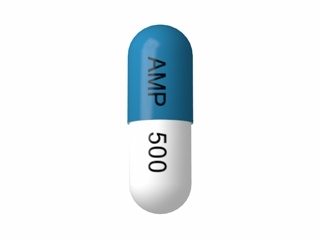
| Common formulations | Oral capsules/tablets and oral suspension (form may vary) |
| How it works | Stops bacteria from building their cell wall |
| Typical target | Susceptible bacteria (depends on local resistance patterns) |
| Availability | Supplied through pharmacies; availability depends on strength/formulation |
2. How ampicillin works (mechanism of action)
Ampicillin is an antibiotic that belongs to the penicillin family. It targets bacteria that are actively growing. Bacteria rely on their cell wall to maintain shape and survive. Ampicillin works by:
- Binding to bacterial enzymes (penicillin-binding proteins)
- Inhibiting cell-wall synthesis
- Leading to bacterial cell death due to a weakened cell wall
Key point: Ampicillin is effective against bacteria that are susceptible. Some bacteria produce enzymes (like beta-lactamases) that can break down ampicillin, making it less effective.
3. Pharmacokinetics (how the body handles ampicillin)
Pharmacokinetics describes how a medicine is absorbed, distributed, metabolised, and eliminated. While exact numbers vary by formulation and patient factors, the following patterns are typical:
- Absorption: Ampicillin can be absorbed after oral dosing. Food can influence absorption.
- Distribution: It can distribute into many body tissues and fluids, with levels influenced by inflammation and site of infection.
- Metabolism: Ampicillin is not extensively metabolised.
- Elimination: Mostly excreted by the kidneys (urine). Dose adjustments may be needed in kidney impairment.
Why this matters: Consistent dosing intervals help maintain effective drug levels, especially for infections requiring steady exposure.
4. Typical use – when ampicillin may be prescribed
Ampicillin is used for susceptible bacterial infections. Whether it’s the right choice depends on the bacteria likely to be involved, your symptoms, and local resistance patterns.
Common infection types where an aminopenicillin may be used include:
- ENT infections (such as some cases of throat or ear infections, depending on organism susceptibility)
- Respiratory tract infections caused by susceptible bacteria
- Urinary tract infections caused by susceptible organisms
- Some gastrointestinal infections when caused by susceptible bacteria
- Other infections as determined by clinical assessment and microbiology results
Important: Ampicillin does not treat viral infections (such as the common cold or flu). Antibiotics are most useful when there is evidence or strong suspicion of bacterial infection.
5. Indications (what it is used to treat)
In clinical practice, ampicillin may be indicated for infections due to ampicillin-susceptible organisms. Indications can include, for example:
- Infections caused by streptococci and other susceptible Gram-positive bacteria
- Certain Gram-negative infections where the pathogen is susceptible
- Situations where antibiotic choice is guided by culture and sensitivity results
Your healthcare professional may order tests (such as swabs, cultures, or urine tests) to identify the organism and help ensure the best antibiotic selection.
6. Dosing – general guidance and timing
Dosing depends on factors such as:
- The type and severity of infection
- Your age and body weight (particularly for children)
- Kidney function
- Whether the bacteria are known to be susceptible
- How well you tolerate the medicine
Because dosing regimens vary, always follow the dosing instructions given to you with your specific product. If you are unsure, speak to your pharmacist.
Typical timing
- Try to take doses at even intervals (for example, every 6 hours or every 8 hours, depending on your regimen).
- If you miss a dose, take it when you remember unless it is close to the next dose—do not double up.
- Complete the course for the full duration advised, even if you feel better.
How to take oral doses
- Swallow tablets/capsules with water.
- If using a suspension, shake well before each dose and measure carefully with the provided dosing device.
- Keep using the medicine until the course is complete unless advised otherwise.
7. Food interactions (can you take it with meals?)
Food may affect how quickly and how much ampicillin is absorbed.
- General advice: Many people are advised to take ampicillin with food to reduce stomach upset.
- Consistency helps: Take it the same way each day (with or without food) unless your clinician or pharmacist advises changes.
Watch for: Severe nausea, vomiting, or diarrhoea—these may affect absorption and can also be signs of antibiotic-associated side effects.
8. Alcohol and medicine interactions
Alcohol
In general, moderate alcohol use may not directly “cancel” the antibiotic’s effect. However, alcohol can worsen side effects such as:
- Nausea
- Dizziness or fatigue
- Stomach irritation and diarrhoea
Practical recommendation: It’s best to limit or avoid alcohol during your course, especially if you’re unwell.
Medicines that may interact
Always tell your pharmacist or clinician about all medicines you take, including over-the-counter products and supplements. Interactions can include:
- Oral anticoagulants (e.g., warfarin): Antibiotics can affect gut bacteria that help produce vitamin K, potentially changing bleeding risk. Monitoring may be needed.
- Probenecid: Can affect kidney elimination of penicillins and may increase levels of ampicillin.
- Allopurinol: Increases the chance of rash when combined with some antibiotics.
- Other antibiotics: Combining antibiotics may be used for specific reasons, but it may also increase side effects without benefit.
- Oral contraceptives: The effect of antibiotics on pill effectiveness is not as straightforward as once thought; however, severe diarrhoea/vomiting can reduce absorption of oral contraceptives.
If you have diarrhoea or vomiting, consider additional contraception and consult your pharmacist for advice.
9. Safety profile – what to know before you start
Most people tolerate ampicillin well, but it has important potential side effects and warnings.
Common side effects
- Diarrhoea or loose stools
- Nausea or stomach discomfort
- Rash (mild skin reactions can occur)
Serious side effects (seek urgent help)
Stop taking the medicine and seek urgent medical attention if you experience signs of a severe allergy:
- Swelling of the face, lips, tongue, or throat
- Trouble breathing or wheezing
- Severe skin rash, blistering, or peeling
Also seek medical advice promptly if you develop:
- Severe or persistent diarrhoea (especially with fever or blood/mucus). This may indicate a serious intestinal condition.
- Unusual bruising or bleeding
- Severe fatigue or jaundice (yellowing of skin/eyes)
Who should take extra care
- History of penicillin allergy or other beta-lactam allergy
- Kidney disease (dose adjustments may be required)
- Previous antibiotic-associated diarrhoea
- Mononucleosis (glandular fever): Some people with glandular fever develop a characteristic rash when treated with aminopenicillins. If you have symptoms suggestive of glandular fever, consult a clinician promptly.
10. Practical use tips for better outcomes
Using antibiotics correctly improves effectiveness and reduces the risk of resistance.
- Start on time: Begin your course as directed.
- Keep regular intervals: Set reminders if you’re prone to forgetting doses.
- Complete the course: Stopping early can allow bacteria to survive and cause relapse.
- Hydrate: Drink adequate fluids, especially if you have nausea or diarrhoea.
- Monitor symptoms: You may begin to feel better within 48–72 hours, depending on the infection. If symptoms worsen or don’t improve, contact a healthcare professional.
- Don’t share antibiotics: Antibiotics are for the specific infection and person they were prescribed for.
- Store properly: Keep medicines in a cool, dry place; follow label storage instructions.
When to contact a healthcare professional
- Your symptoms don’t improve after a couple of days
- You develop a new rash or signs of allergy
- You experience severe diarrhoea or signs of dehydration
- You need advice about missed doses
11. Alternative options (depending on infection and susceptibility)
Alternative antibiotics may be considered based on the likely bacteria, your allergy history, severity of illness, and test results. Alternatives can include:
- Other penicillins (when appropriate)
- Cefalosporins in certain bacterial infections
- Macrolides (for some respiratory or skin infections, especially in penicillin allergy scenarios)
- Clindamycin in specific situations
- Other agents guided by culture results and clinical guidelines
Important: The best alternative depends strongly on the infection site and organism susceptibility. Your pharmacist or clinician can explain why one option is preferred over another for your situation.
12. Market and legal context in Australia (overview)
In Australia, antibiotics are regulated medicines supplied through licensed channels. Availability and how they are provided may vary by product formulation and therapeutic classification. The healthcare system emphasises responsible antibiotic use to reduce antimicrobial resistance.
Key points in the Australian context:
- Antibiotics should be used only when there is a strong indication of bacterial infection.
- Prescribing is guided by clinical guidelines and local antimicrobial resistance data.
- Pharmacists play an important role in checking safety, interactions, dosing, and counselling.
Recent guidance themes in Australia continue to focus on antibiotic stewardship, including using the narrowest effective agent, appropriate duration, and reviewing therapy if results or symptoms change.
13. Recent guidance (antibiotic stewardship highlights)
While specific recommendations can vary by condition, common themes in recent antimicrobial stewardship advice include:
- Use antibiotics only when likely bacterial (avoid viral causes)
- Consider local guidelines and susceptibility patterns
- Review within 48–72 hours if response is not as expected
- Prevent unnecessary broad-spectrum use
- Minimise duration to the shortest effective course
Your clinician may advise additional tests or switch antibiotics if culture results indicate resistance or if symptoms do not improve.
14. Delivery and availability (Australia)
Online pharmacies in Australia may offer delivery to eligible areas, subject to medicine supply policies and state/territory rules. Availability of ampicillin/Acillin can vary based on:
- Strength and formulation (capsule/tablet/suspension)
- Local stock levels
- Supply chain changes
Before ordering:
- Confirm you have the correct product and strength.
- Check whether you need a liquid formulation for children or if capsules/tablets are suitable.
- Ensure your delivery address is correct.
Delivery considerations: Medicines are generally dispatched in protective packaging. Follow any “do not expose to heat” or storage instructions on the label after delivery.
15. FAQ – Frequently asked questions
Is ampicillin the same as Acillin?
“Acillin” is a brand name that may contain ampicillin as the active ingredient, depending on the specific product. Always check the active ingredient and strength on the label.
How quickly should I feel better?
Many people begin to notice improvement within 48–72 hours. If your symptoms are worsening, you have fever that persists, or you feel significantly worse, contact a healthcare professional.
What should I do if I miss a dose?
Take it as soon as you remember unless it is close to the next dose. Do not double the dose. If you’re unsure, ask your pharmacist for advice based on your dosing schedule.
Can I stop ampicillin early if I feel better?
It’s usually important to complete the full course advised. Stopping early can allow bacteria to regrow and increase the risk of treatment failure and resistance.
Does ampicillin work for all infections?
No. Ampicillin works only against susceptible bacteria. It does not treat viral infections such as colds and influenza.
Can I take it with food?
Food may affect absorption and may reduce stomach upset. If your product instructions don’t specify, taking it with food is often tolerated. Keep dosing habits consistent unless advised otherwise.
Can I drink alcohol while taking ampicillin?
Alcohol may worsen stomach side effects and make you feel more unwell. Limiting or avoiding alcohol during treatment is generally the safest choice.
What if I get a rash?
Mild rashes can occur, but rashes can also signal an allergy. Seek urgent help if you have facial/lip swelling, breathing difficulties, widespread blistering, or a severe skin reaction.
Is ampicillin safe for children?
Ampicillin can be used in children when appropriate, with dosing based on weight and age and careful monitoring. Use the correct paediatric formulation and measure liquid doses accurately.
Do antibiotics affect the contraceptive pill?
Antibiotics are not reliably proven to reduce pill effectiveness in most cases. However, if you have vomiting or severe diarrhoea, the pill may not absorb correctly—consider additional contraception and ask a pharmacist for guidance.
Are there alternatives if I’m allergic to penicillins?
Yes—alternative antibiotics may be considered depending on your allergy history and the infection. Tell your clinician/pharmacist about the reaction you had with penicillins (e.g., rash vs breathing difficulty) so they can choose safely.
When should I seek medical attention urgently?
- Signs of severe allergy (swelling, breathing trouble)
- Severe or persistent diarrhoea
- Severe rash or blistering
- Signs of dehydration (especially in children)
16. Summary
Ampicillin (Acillin) is a penicillin-type antibiotic used to treat certain ampicillin-susceptible bacterial infections. It works by interfering with bacterial cell-wall formation. For best results, take it at regular intervals, follow food guidance on the label, and complete the full course. If you have allergy concerns, severe diarrhoea, or your symptoms are not improving within the expected timeframe, seek timely medical advice.
If you’d like, you can also tailor this page to your specific product details (form, strength, dosing frequency) by adding those label-specific instructions.