Keflex (Cephalexin) – Patient Information (Australia)
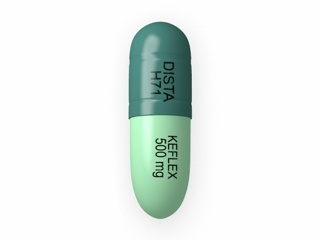
Keflex is a brand of cephalexin, a prescription-only antibiotic medicine commonly used to treat certain bacterial infections. This page explains how Keflex works, when it’s typically used, and important safety information to help you use it confidently.
Always read your product label and any accompanying medicine information provided by your pharmacist or prescriber. If you have any questions about your treatment, speak with a healthcare professional.
At a glance
- Active ingredient: Cephalexin
- Type: Antibiotic (cephalosporin)
- Common uses: Skin and soft tissue infections, some bone and urinary infections (depending on local guidance and organism susceptibility)
- How it works: Stops bacteria from building their protective cell walls
- Typical dosing schedule: Often multiple times per day (frequency depends on the infection and your individual plan)
- Common side effects: Nausea, diarrhoea, stomach upset, mild rash
Basic product information
| Feature | Details |
|---|---|
| Medicine name | Keflex (cephalexin) |
| Drug class | First-generation cephalosporin antibiotic |
| How it’s taken | Oral tablets or capsules (and in some cases oral suspension depending on availability) |
| Therapeutic goal | Treat bacterial infections and prevent complications |
| Key principle | Use for infections caused by susceptible bacteria |
How Keflex works (mechanism of action)
Cephalexin belongs to the beta-lactam class of antibiotics (cephalosporins). It works by interfering with bacterial cell wall synthesis.
Specifically, cephalexin binds to penicillin-binding proteins on susceptible bacteria. This disrupts the formation of the bacterial cell wall, leading to bacterial cell death (often described as “bactericidal” for susceptible organisms).
Cephalexin does not treat viral infections (such as influenza or the common cold). Using antibiotics when they’re not needed increases the risk of side effects and antibiotic resistance.
Pharmacokinetics: how the body handles cephalexin
While individual results vary, the general behaviour of cephalexin in the body includes:
- Absorption: Cephalexin is absorbed after oral dosing.
- Distribution: It can distribute into body tissues and fluids at levels sufficient to treat susceptible infections, though the exact distribution varies by infection site.
- Metabolism: Cephalexin is not extensively metabolised.
- Elimination: Primarily excreted via the kidneys.
Because elimination relies largely on kidney function, dose adjustments may be needed for people with impaired renal function.
Typical use: what Keflex is prescribed for
Keflex is used for specific bacterial infections where cephalexin is likely to be effective. Choice of antibiotic depends on factors such as infection site, likely bacteria, local resistance patterns, severity, allergy history, kidney function, and (when available) culture results.
Common indications (examples)
- Skin and soft tissue infections: such as cellulitis and other uncomplicated bacterial skin infections
- Bone infections (osteomyelitis): sometimes in specific circumstances as guided by clinicians
- Ear, nose, and throat infections: in selected cases where cephalexin is suitable
- Urinary tract infections (UTIs): when appropriate and likely susceptible
- Some respiratory tract infections: depending on the suspected organism and local guidance
If symptoms don’t improve as expected, or worsen, you should seek medical advice promptly. Persistent fever, spreading redness, severe pain, or inability to keep fluids down may indicate a more serious condition.
Timing and how to take Keflex
Take Keflex exactly as directed by your clinician or pharmacist. The most important goal is maintaining effective drug levels over time by taking doses at the correct intervals.
General dosing timing principles
- Try to keep the schedule consistent each day.
- Space doses evenly if you’re taking more than once daily.
- Complete the full course, even if you start to feel better.
If you miss a dose
- Take it as soon as you remember unless it’s close to your next dose.
- If it’s almost time for the next dose, skip the missed dose.
- Do not take a double dose to make up for a missed one.
If you’re unsure what to do, contact your pharmacist for individual advice.
Dosing guidance (adults and children)
Doses of cephalexin vary by infection type, severity, age/weight (for children), kidney function, and local prescribing recommendations. The information below is general and intended to help you understand typical patterns—always follow your personal instructions.
Typical frequency
- Many cephalexin regimens are taken two to four times daily, depending on the formulation and indication.
Dose adjustments
- Kidney impairment: Because cephalexin is cleared through the kidneys, clinicians may reduce the dose or adjust the interval.
- Children: Dosing is often based on body weight and age.
- Older adults: may need adjustments if kidney function changes.
Your prescription instructions will specify the exact dose and schedule for your situation. If you’re using a liquid form, ensure you measure accurately using the supplied oral syringe or measuring device.
Food and Keflex: interactions with meals
Cephalexin can usually be taken with or without food. Taking it with food may help reduce stomach upset for some people.
Practical food tips
- If you experience nausea or indigestion, consider taking doses with meals or a snack.
- Maintain regular fluid intake during treatment.
There are no universally required food restrictions for cephalexin, but your pharmacist can advise based on your specific formulation and tolerance.
Alcohol and medicine interactions
For most people, moderate alcohol is not known to have a direct chemical interaction with cephalexin. However, alcohol can worsen common antibiotic side effects such as stomach upset, nausea, and diarrhoea.
When to avoid alcohol
- If you are experiencing significant gastrointestinal side effects
- If you are unwell or dehydrated
- If you have liver disease or are taking other medicines where alcohol is discouraged
If you’re unsure, ask your pharmacist whether alcohol is appropriate for your personal health circumstances.
Interactions with other medicines
Cephalexin can interact with certain medicines or health conditions, though many patients take it safely alongside their regular medicines. Always provide your pharmacist with a full list of current medications, including:
- Over-the-counter medicines (e.g., cold and flu products)
- Herbal supplements and vitamins
- Previous antibiotics or recent courses
Examples of interactions to discuss
- Probenecid: may affect cephalexin clearance.
- Warfarin (and other blood thinners): antibiotics can occasionally affect blood thinning control. Your clinician may monitor more closely (e.g., INR) if you use warfarin.
- Other nephrotoxic medicines: because cephalexin relies on the kidneys for elimination, clinicians may consider kidney safety with certain drugs.
This is not an exhaustive list. If you tell your pharmacist what you take, they can check for likely interactions and advise accordingly.
Safety profile: side effects and when to seek help
Like all medicines, Keflex may cause side effects. Many people experience mild effects that settle as treatment continues. However, some reactions can be serious.
Common side effects
- Gastrointestinal: nausea, stomach pain, diarrhoea
- Headache
- Vaginal yeast infection (sometimes associated with antibiotic use)
- Skin rash (can occur)
Serious side effects (seek urgent medical advice)
- Allergic reaction: swelling of the face/lips, wheezing, severe rash or hives
- Severe skin reactions: blistering, peeling skin, or widespread painful rash
- Clostridioides difficile (C. diff) diarrhoea: persistent watery diarrhoea (especially if severe), fever, or abdominal cramps—may occur during or after antibiotics.
- Severe or persistent diarrhoea that does not improve
- Signs of kidney issues: reduced urination, marked swelling, or unusual fatigue (rare)
Allergy and cross-reactivity (important)
If you have a known allergy to cephalosporins, or you’ve had a severe reaction to beta-lactam antibiotics before, you should inform your pharmacist or clinician. People with a history of penicillin allergy may still be able to use cephalexin, but this must be assessed based on the type and severity of past reactions.
Practical use tips for better outcomes
- Take at the same times each day to maintain steady levels.
- Don’t stop early even if you feel better—finishing the course helps reduce relapse.
- Hydrate and eat regular meals if tolerated.
- Consider probiotics only if appropriate: some people choose to take probiotics during antibiotic treatment to reduce antibiotic-associated diarrhoea. Speak with your pharmacist if you have immune suppression, severe illness, or concerns.
- Monitor symptom progress: most bacterial infections start improving within a few days. If not, contact your healthcare professional.
Alternative options
Alternatives to Keflex may include other antibiotics or non-antibiotic approaches depending on the infection type, suspected bacteria, allergy history, and severity. A clinician may choose different medicines such as:
- Other cephalosporins (depending on the bacteria and dosing schedule)
- Penicillin-class antibiotics (for certain infections, if appropriate and not contraindicated)
- Macrolides (in some cases where cephalexin is unsuitable)
- Clindamycin (selected skin/soft tissue scenarios, subject to local guidance)
- Trimethoprim-sulfamethoxazole or other agents for specific bacterial susceptibilities
The best alternative depends on the diagnosis and local antibiotic resistance patterns. If you’re unsure why Keflex was chosen, ask your clinician or pharmacist.
Australia: market and legal context
In Australia, cephalexin-containing medicines such as Keflex are generally regulated as prescription medicines. This helps ensure they are used appropriately for bacterial infections and supports antibiotic stewardship.
Australian prescribing and supply practices follow guidelines aimed at reducing unnecessary antibiotic use and limiting resistance. Local antimicrobial stewardship initiatives and advice from health authorities help clinicians select the right antibiotic, dose, and duration.
Recent guidance and stewardship themes (overview)
- Use antibiotics only when bacterial infection is likely (avoid for viral illnesses).
- Choose narrow-spectrum options when possible and based on likely pathogens and susceptibility.
- Review treatment if no improvement or if cultures suggest resistance.
- Minimise duration to the recommended course to reduce harm and resistance.
Because guidance may evolve, your pharmacist can also advise about current practice for your infection type.
Delivery and availability (online pharmacy)
Keflex may be available in different strengths and formulations depending on stock and supply arrangements. When purchasing online in Australia, availability can vary by region, strength, and the form you require.
What to expect when ordering online
- Stock checks: items may be subject to availability.
- Packaging: you’ll receive the medicine in sealed packaging with printed instructions.
- Delivery timelines: delivery depends on your address and chosen service.
- Cold chain: cephalexin tablets/capsules generally do not require refrigeration (confirm with your product label).
Keep your medicine in a cool, dry place away from direct sunlight, and store it safely out of reach of children.
FAQ – Frequently asked questions
1) What infections does Keflex treat?
Keflex (cephalexin) treats certain bacterial infections, commonly including some skin and soft tissue infections. It may also be used for other infections depending on likely bacteria and local guidance. It does not treat viral infections.
2) How soon should I feel better?
Many people start to notice improvement within 48–72 hours. If you’re not improving, symptoms are worsening, or you develop new severe symptoms, contact a healthcare professional promptly.
3) Can I stop Keflex when I feel better?
It’s usually recommended to complete the full prescribed course, even if symptoms improve early. Stopping early can allow bacteria to persist and may increase the chance of relapse.
4) What if I miss a dose?
Take the missed dose as soon as you remember unless it’s close to the next dose. If it’s almost time for the next dose, skip the missed dose—don’t take a double dose.
5) Can I take Keflex with food?
Yes. Keflex can typically be taken with or without food. Taking it with food may help reduce stomach upset for some people.
6) Does Keflex interact with alcohol?
There’s generally no direct interaction for most people, but alcohol can worsen stomach side effects and may make you feel worse while you’re unwell. If you experience nausea, diarrhoea, or are dehydrated, avoid alcohol and contact your pharmacist for advice.
7) Is Keflex safe for children?
Cephalexin can be used in children when appropriate for a diagnosed bacterial infection. Dosing is often based on weight, so it’s important to follow the exact instructions for your child’s specific dose.
8) What should I do if I get severe diarrhoea during treatment?
Stop and seek medical advice urgently if you develop severe, persistent, or watery diarrhoea, especially if accompanied by fever or abdominal cramps. This could represent antibiotic-associated diarrhoea, including C. difficile.
9) What if I have a penicillin allergy?
Inform your pharmacist or clinician about your allergy history. Some people who are allergic to penicillin can still use cephalexin, but it depends on the type and severity of the reaction you previously had.
10) Are there alternatives if Keflex isn’t suitable?
Yes. Alternatives may include different antibiotic choices depending on the infection and your medical history. Your pharmacist or clinician can discuss suitable options if Keflex is not appropriate.
Summary
Keflex (cephalexin) is an oral antibiotic used to treat certain bacterial infections in Australia. It works by disrupting bacterial cell wall formation and is generally well tolerated, though side effects such as nausea or diarrhoea can occur. Take it at the recommended times, consider food if it helps with stomach comfort, avoid alcohol if it worsens side effects, and seek urgent help for signs of serious allergic reactions or severe diarrhoea.
For personalised advice about your condition, dosing, or interactions with other medicines, speak with your pharmacist or healthcare professional.