


Advent DT (Amoxicillin/Clavulanic Acid) – Patient Information (Australia)
Advent DT is a medicine that contains amoxicillin plus clavulanic acid. It is used to treat a range of bacterial infections where the bacteria may produce enzymes that make them resistant to amoxicillin alone. This guide explains how the medicine works, how to take it, common side effects, important safety information, and practical tips for getting the best outcomes.
This information is designed for patients and carers. It does not replace advice from a doctor or pharmacist.
1) Basic product information
- Brand name: Advent DT
- Active ingredients: Amoxicillin / Clavulanic Acid
- Medicine type: Antibiotic (penicillin group)
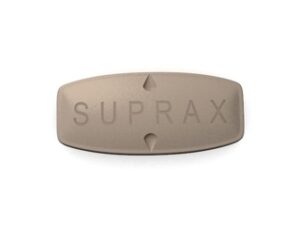
- Common form: “DT” formulations are typically dispersible or orally dissolving tablets (brand presentations can vary—check your pack for exact instructions)
- Strengths: Available in different strengths (for example, 250/62.5 mg, 500/125 mg or similar depending on product presentation)
Important: Always check the strength on your specific pack and follow the dosing instructions provided for you.
2) How Advent DT works (mechanism of action)
Advent DT combines two medicines that work together:
- Amoxicillin: A beta-lactam antibiotic. It kills bacteria by interfering with the formation of their cell walls, which prevents them from growing and multiplying.
- Clavulanic acid: A “beta-lactamase inhibitor.” Some bacteria produce beta-lactamase enzymes that break down amoxicillin. Clavulanic acid helps block these enzymes, allowing amoxicillin to remain effective.
Why this matters: Advent DT is especially useful for infections caused by bacteria that are resistant to plain amoxicillin due to beta-lactamase production.
3) Pharmacokinetics (how the body handles the medicine)
Understanding how the medicine behaves in the body can help you take it correctly.
- Absorption: Amoxicillin and clavulanic acid are absorbed after oral dosing. Taking it with food can improve tolerability (especially gastrointestinal effects) for many people.
- Distribution: Both components distribute into many body tissues and fluids, including areas relevant to common respiratory and urinary infections.
- Metabolism and excretion: Amoxicillin is largely excreted unchanged in urine. Clavulanic acid is metabolised and both are eliminated primarily through the kidneys.
- Kidney function: If you have reduced kidney function, dosing may need adjustment. Inform your clinician if you have kidney disease or have ever been told you need “dose changes.”
Duration: Antibiotics work by reducing bacterial load and stopping growth. Many infections require a full course to prevent relapse or treatment failure.
4) Typical uses and indications
Advent DT is used for confirmed or strongly suspected bacterial infections that are likely to be susceptible to amoxicillin/clavulanic acid. Common indications include:
- Ear, nose and throat (ENT) infections (e.g., some cases of sinusitis, otitis media)
- Dental infections and infections related to the gums or tooth abscess where appropriate
- Skin and soft tissue infections (e.g., infected wounds, bites)
- Respiratory tract infections (e.g., certain cases of bronchitis with bacterial features, pneumonia—depending on local guidance)
- Urinary tract infections (UTIs) in suitable cases (some UTIs may be treated with different antibiotics depending on local resistance patterns)
Not for viral infections: Antibiotics do not treat colds, flu, most sore throats caused by viruses, or many cases of bronchitis. Using antibiotics when they are not needed contributes to antibiotic resistance and increases the risk of side effects.
5) When and how to take Advent DT (timing and administration)
Timing
- Take at evenly spaced times to keep antibiotic levels steady.
- A common schedule is twice daily (every 12 hours) or three times daily (every 8 hours), depending on the prescribed regimen and your infection.
Food interactions (with meals)
Usually take with food. Taking Advent DT with a meal (or at the start of a snack) can improve tolerability and reduce stomach upset.
- If the medicine upsets your stomach, try taking it at the beginning of a meal.
- Drink water to help swallow and reduce irritation.
How to use “DT” (dispersible/orally dissolving) tablets
Because “DT” preparations can vary, follow the instructions on your specific pack or pharmacist guidance. Typical approaches include:
- Dispersible tablets: The tablet may be dissolved/dispersed in water before taking (check your product instructions).
- Orally dissolving tablets: It may dissolve on the tongue; do not chew unless the pack says it can be chewed.
Practical tip: If you are unsure, ask your pharmacist to show you exactly how to prepare and take your specific Advent DT tablet strength.
Finish the course
- Even if you feel better, finish the prescribed course unless a clinician advises you to stop.
- Stopping early can allow surviving bacteria to regrow, making infection harder to treat.
6) Alcohol and medicine interactions
Alcohol
Most patients can have moderate alcohol while taking amoxicillin/clavulanic acid without major issues. However:
- Alcohol may worsen nausea, stomach upset, dizziness or fatigue.
- Infections themselves can affect your energy and appetite—alcohol may slow recovery.
Suggestion: If you can, avoid or limit alcohol while you’re unwell and taking antibiotics.
Important medicine interactions
Tell your pharmacist or doctor about all medicines you take, including over-the-counter products and supplements. Key interactions to discuss include:
- Warfarin or other blood thinners: Antibiotics can affect gut bacteria and clotting control. Your INR may need closer monitoring.
- Oral contraceptives: Antibiotic medicines generally do not reliably reduce contraceptive effectiveness, but vomiting or severe diarrhoea can. If you have vomiting or diarrhoea, consider additional contraception and ask for advice.
- Allopurinol: May increase the likelihood of skin rash in some people when combined with amoxicillin.
- Methotrexate: There may be increased risk of methotrexate toxicity; monitor and coordinate if used together.
- Probenecid: May reduce renal excretion of amoxicillin and alter levels.
Diarrhoea note: If you develop significant diarrhoea during treatment, seek advice—some types of severe diarrhoea can be related to antibiotic effects rather than infection alone.
7) Dosing guidance (general information)
Advent DT dosing varies by age, weight, infection type and severity, and kidney function. Always follow the exact directions on your pack or provided by your healthcare professional.
Common patterns (for general understanding):
- Children: Doses are often weight-based and may be prescribed as a specific mg/kg/day regimen divided into multiple doses.
- Adults: Typical adult regimens may be twice daily or three times daily depending on the infection and tablet strength.
Kidney impairment: If you have kidney disease, your clinician may adjust the dose or dosing frequency. Do not self-adjust—ask.
Do not: Use a “leftover dose” from a previous illness. Wrong dosing can lead to poor outcomes and increase resistance.
8) Safety profile (side effects and when to seek help)
Common side effects
Most people tolerate amoxicillin/clavulanic acid well, but side effects can occur.
- Diarrhoea (can be mild and temporary)
- Nausea and/or vomiting
- Indigestion or abdominal discomfort
- Skin rash (mild rashes can occur)
- Thrush (oral or vaginal yeast infection) after antibiotic use
Less common but important risks
- Allergic reactions: Hives, swelling of the lips/face, wheezing, and breathing difficulty can indicate an allergy.
- Severe skin reactions: Rare but serious rash conditions can occur.
- Liver effects: Some people can develop changes in liver enzymes or jaundice, usually after multiple doses (more often in adults and older people).
- Antibiotic-associated colitis: Severe, persistent diarrhoea or blood/mucus in stool needs urgent assessment.
Seek urgent medical help if you experience
- Signs of anaphylaxis: trouble breathing, swelling, severe dizziness or collapse
- Severe diarrhoea, especially if watery and frequent, or if there is blood/mucus and fever
- Severe rash, blistering, or peeling skin
- Yellowing of the eyes/skin, dark urine, or marked fatigue (possible liver reaction)
Who should be extra cautious
- People with a history of penicillin allergy or previous allergic reaction to amoxicillin/clavulanic acid
- Those with a history of severe rash to beta-lactam antibiotics
- People with kidney impairment (dose may need adjustment)
- Those with glandular fever (EBV): amoxicillin can cause rash in some patients
9) Practical use tips (what helps you get it right)
- Set reminders: Use phone alarms so you don’t miss doses.
- Take with food: This often reduces nausea.
- Hydration: Drink water regularly, especially if you’re eating less than usual.
- Manage diarrhoea: If mild, stay hydrated and monitor. If severe, stop self-managing and seek advice.
- Oral hygiene: If you’re at risk of thrush (e.g., dentures, diabetes, recent antibiotics), maintain good oral hygiene and watch for symptoms.
- Do not share antibiotics: Sharing can expose others to allergy risk and increase resistance.
Probiotics? Some people consider probiotics to help reduce antibiotic-associated diarrhoea. Evidence is mixed, and it may not suit everyone. Ask your pharmacist whether a particular probiotic is appropriate for you, especially if you are immunocompromised.
10) Alternative options
“Alternative” treatment depends on the infection site, severity, local resistance, age, and allergies. If Advent DT isn’t suitable, clinicians may consider other antibiotics or supportive care.
Potential alternatives may include:
- Amoxicillin alone (only if the likely bacteria are susceptible and beta-lactamase resistance is not a concern)
- Cephalosporins (depending on allergy history and infection)
- Macrolides (e.g., azithromycin) in certain respiratory/dental scenarios
- Clindamycin for some skin/dental infections (depending on local guidance)
- Non-antibiotic or watchful waiting where appropriate (for mild viral conditions or when bacterial cause is uncertain)
Always discuss options: The best alternative depends on the exact diagnosis and your medical history, especially allergies.
11) Market and legal context for Australia
In Australia, antibiotics such as amoxicillin/clavulanic acid are regulated medicines. Access can vary by product type, strengths, and dispensing arrangements. Online pharmacy services must comply with Australian rules for medicines supply and safety.
Antibiotic stewardship in Australia: Australian health authorities and clinicians emphasise appropriate use of antibiotics to reduce antibiotic resistance. Guidance often includes confirming likely bacterial infection, selecting the narrowest effective antibiotic when possible, and reviewing antibiotic choice if symptoms do not improve.
Safety monitoring: If you have previously had severe allergic reactions or serious side effects to antibiotics, ensure your healthcare professional is aware.
12) Recent guidance and “what to watch for”
Across many countries, including Australia, current antibiotic guidance generally focuses on:
- Using antibiotics only when likely bacterial infection is present
- Choosing a suitable antibiotic regimen based on infection type and local resistance
- Reviewing response within 48–72 hours if symptoms do not improve or worsen
- Minimising unnecessary broad-spectrum use where narrower options may be adequate
When to seek re-assessment: If fever persists, pain worsens, swelling spreads, or symptoms fail to improve within a couple of days, contact a clinician for reassessment. Do not stop early without advice unless you’re having a serious side effect.
13) Delivery and availability (online pharmacy)
Availability: Advent DT may be available through authorised pharmacies depending on stock levels, strength, and formulation.
Delivery: Online pharmacies typically offer standard and express delivery options within Australia. Delivery timeframes depend on your location (metro vs regional) and couriers used.
- Packaging: Medicines are usually shipped in secure packaging to protect against damage.
- Cold chain: Advent DT is generally not a cold-chain product unless your specific pack states otherwise.
- Check expiry: Always inspect the expiry date on arrival.
Tip: If the medicine is time-sensitive (for example, to prevent spread of infection), choose a delivery option with the shortest timeframe available.
14) Frequently Asked Questions (FAQ)
Can I take Advent DT if I’m allergic to penicillin?
If you have had an allergy to penicillin or a serious reaction to amoxicillin/clavulanic acid, do not take it without medical advice. Tell your clinician/pharmacist about your reaction type (rash vs breathing difficulty, etc.), as this affects safety.
What if I miss a dose?
- Take it as soon as you remember.
- If it’s near the time of the next dose, skip the missed dose.
- Do not take a double dose to make up for the missed one.
If you miss multiple doses, ask your pharmacist for advice.
How long does it take to start working?
Many people start to feel better within 24–48 hours. If there is no improvement after this period, contact your clinician or pharmacist for advice. Some infections can take longer depending on severity.
Should I stop if I feel better?
No—continue the full course unless a clinician advises you to stop. Stopping early can increase the chance of relapse or antibiotic resistance.
Does Advent DT cause diarrhoea?
Diarrhoea can occur. Mild diarrhoea may be manageable with hydration and monitoring. Seek urgent advice if diarrhoea is severe, persistent, watery, or contains blood/mucus, or if you have fever and significant abdominal cramps.
Can I take it with food?
Yes. Taking Advent DT with food is usually recommended to improve stomach comfort. If you forget, you can take it later with a meal if that’s convenient.
Does alcohol affect Advent DT?
In most cases, moderate alcohol is unlikely to cause dangerous interactions. However, alcohol can make side effects worse and may hinder recovery. Consider avoiding alcohol while you’re unwell.
Will Advent DT interact with my birth control pill?
Antibiotics generally do not reliably reduce hormonal contraceptive effectiveness. However, if you vomit or have severe diarrhoea, contraceptive protection may be reduced. If that happens, follow advice for “missed doses” and consider additional protection (e.g., condoms) and ask your pharmacist.
Can I take other medicines at the same time?
Many medicines can be taken together, but some interactions are important (for example, warfarin, allopurinol, and certain other drugs). Provide your full medication list to your pharmacist for safe checking.
What should I do if I develop a rash?
Mild rashes can occur with antibiotics, but some rashes can be serious. If the rash is widespread, blistering, involves the mouth/eyes, or is associated with breathing trouble or swelling, seek urgent medical care. If it’s mild, contact a clinician/pharmacist for advice.
Is it safe during pregnancy or breastfeeding?
Amoxicillin/clavulanic acid is often used when clinically needed. Safety depends on your situation. Discuss with your clinician before using it, especially if you’re pregnant, trying to conceive, or breastfeeding.
What happens if my symptoms get worse?
Worsening symptoms can mean the infection is not responding or a different condition is present. Contact your clinician promptly—especially if you have high fever, increasing pain, swelling, shortness of breath, or signs of allergic reaction.
Need more help? If you have questions about Advent DT strength, how to take your particular DT tablet type, managing side effects, or interactions with your medicines, speak with a pharmacist. If you experience severe symptoms, seek urgent medical care.