Tobramycin + Dexamethasone (Eye/Ear Drops or Ointment) — Patient Information (Australia)
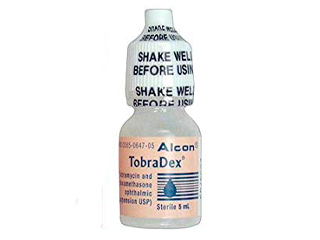
Tobramycin with dexamethasone is a combination medicine used to treat certain bacterial infections accompanied by inflammation. It is commonly supplied as eye drops or ear drops/ointment products in Australia, depending on the specific formulation. This guide explains what the medicine does, how it works, how to use it safely, and what to expect.
Important: Always follow the instructions provided with your specific product label and the advice of your healthcare professional. Different strengths and dosing schedules exist for different conditions and age groups.
Basic product information
- Medicine names: Tobramycin + dexamethasone
- Common forms: Eye drops, eye ointment, or ear drops (varies by product)
- Active ingredients: Tobramycin (antibiotic) + Dexamethasone (corticosteroid)
- What it’s for: Bacterial infections with inflammation affecting the eye or ear (depending on the product)
- Who it’s for: Usually children and adults, depending on the formulation and condition
If you’re unsure whether your product is intended for the eye or the ear, check the packaging. These combinations are not interchangeable between body sites.
How it works (mechanism of action)
This combination works in two complementary ways:
- Tobramycin (antibiotic): Tobramycin belongs to the aminoglycoside class. It interferes with bacterial protein production, leading to impaired growth and death of susceptible bacteria.
- Dexamethasone (corticosteroid): Dexamethasone reduces inflammatory responses. It helps decrease redness, swelling, pain, and tissue irritation caused by inflammation.
Because the medicine contains both an antibiotic and an anti-inflammatory, it is typically used when bacterial infection and inflammation are present together.
Pharmacokinetics (how the body handles it)
Pharmacokinetics (how the medicine is absorbed, distributed, metabolised, and eliminated) can vary depending on:
- whether it is used in the eye or ear
- intact vs damaged tissue (for example, a perforated eardrum)
- the condition being treated
- how much is absorbed locally
General points:
- Local action: Tobramycin and dexamethasone primarily act at the site of infection/inflammation (eye or ear).
- Systemic absorption: With topical use, systemic absorption is usually low. However, absorption may increase if tissues are inflamed, if there is injury, or if the product is used incorrectly.
- Excretion: Any absorbed portion is typically eliminated by the kidneys (tobramycin) and further metabolised processes (dexamethasone), though measurable systemic levels are often small with correct topical use.
If you have kidney disease or other medical conditions, discuss your situation with your healthcare professional, particularly for prolonged or repeated courses.
Typical use and timing
Tobramycin + dexamethasone is used to treat selected infections where bacteria and inflammation occur together. Typical uses (depending on the product and your diagnosis) may include:
- Inflamed eye infections where bacterial involvement is suspected/confirmed
- Inflamed ear infections where bacterial involvement is suspected/confirmed
Timing: Many regimens are scheduled several times daily. Follow your prescribed or labelled schedule. Common practical timing examples include:
- Every 6 hours (e.g., morning, lunchtime, evening, bedtime)
- Three times daily (e.g., morning, afternoon, bedtime)
- Twice daily for some conditions (depending on formulation/strength)
Consistency matters: Use at similar times each day to maintain activity. If you miss a dose, use it as soon as you remember unless it’s close to the next dose. Do not double up.
Food interactions
For topical eye/ear formulations, food interactions are generally not expected because systemic exposure is low. Still, general principles apply:
- Take other medicines as instructed.
- If you’re using medicines by mouth for infection or inflammation, let your healthcare professional know you’re also using this topical combination.
If your product is a formulation for a different route (rare), or if you are using it in a way different from the label, ask a pharmacist for guidance.
Alcohol and medicine interactions
Because tobramycin + dexamethasone is used topically, alcohol interactions are not commonly expected. However, alcohol can affect healing and immune response in general, and can worsen side effects such as dizziness or blurred vision if you experience them.
Practical advice:
- Limit alcohol if you are unwell or have severe inflammation.
- Avoid alcohol if it makes you more likely to miss doses or if you feel drowsy from other medicines.
Medication interactions (topical): Significant interactions are uncommon with topical eye/ear steroids/antibiotics. Still, tell your healthcare professional about:
- Other eye/ear drops or ointments (especially those containing antibiotics or steroids)
- Medicines that suppress the immune system (if you are using other therapies)
- Any known allergies to aminoglycosides or corticosteroids
Indications (when it may be used)
Indications depend on the specific product’s approved uses in Australia (eye vs ear) and the suspected/confirmed cause. In general, combination therapy may be considered when:
- Bacterial infection is present or likely
- Inflammation is also significant (redness, swelling, discomfort)
- There is a need to reduce inflammation while controlling bacterial growth
Not for every red eye/ear: Steroids can mask symptoms of some conditions. Avoid using this medicine unless it has been recommended for your specific diagnosis.
Dosing (general guidance)
Dosing schedules vary by product (strength, form, and site), age, and diagnosis. Always use the dosing instructions on your label or as advised by your healthcare professional.
Common dosing patterns (examples only)
- Eye drops: Often 1–2 drops into the affected eye(s) several times daily for a limited period.
- Eye ointment: A small ribbon applied to the affected eye(s) may be used (frequency depends on the product).
- Ear drops: Several drops into the affected ear(s) for a defined number of days.
How to finish the course
- Complete the full course unless your clinician advises stopping.
- If symptoms improve quickly, continuing as directed helps prevent relapse and reduces the risk of antibiotic resistance.
- Do not use longer than recommended, especially due to the steroid component (dexamethasone).
Children and older adults
- Dosage for children should be specifically matched to the product and condition.
- Older adults may be more susceptible to steroid-related side effects (e.g., increased eye pressure); monitoring may be advised.
Safety profile (what to watch for)
As with any medicine, tobramycin + dexamethasone can cause side effects. Many are local and temporary, but some warrant urgent assessment.
Common/local side effects
- Eye: mild burning/stinging, temporary blurred vision after applying drops, redness, watery eyes
- Ear: mild irritation, discomfort, itchiness
Serious side effects — seek medical advice urgently
- Worsening pain or rapidly increasing redness/swelling
- Significant vision changes (e.g., persistent blurred vision or loss of vision)
- Allergic reaction: rash, swelling, severe itching, difficulty breathing
- Persistent symptoms after a few days of treatment (may indicate resistance, wrong diagnosis, or complications)
Steroid-related risks (dexamethasone)
Corticosteroids can increase risk in certain conditions by reducing inflammation even when infection is not adequately controlled. Possible steroid-related issues include:
- Increased intraocular pressure (IOP): may occur, particularly with longer use
- Delayed healing
- Masking infection: symptoms may improve while underlying disease persists
- Fungal or viral infections: steroids can worsen some infections
If you use this medicine for longer than the recommended duration, or if symptoms keep returning, you may need review of your diagnosis and monitoring.
Antibiotic-related risks (tobramycin)
- Allergy to aminoglycosides (uncommon but possible)
- Overgrowth of non-susceptible organisms with prolonged use
- Resistance: using longer than advised increases the chance that bacteria become less responsive
Practical use tips (step-by-step)
Correct technique improves effectiveness and reduces contamination risk.
General hygiene
- Wash hands before and after use.
- Do not touch the tip of the bottle to your eye/ear or to fingers.
- Keep the cap closed when not in use.
- Use only for the intended person and condition.
How to use eye drops (typical steps)
- Remove contact lenses (if applicable).
- Tilt your head back and gently pull down the lower eyelid.
- Hold the dropper above the eye and apply the prescribed number of drops.
- Close your eye gently. Avoid blinking hard.
- Press lightly on the inner corner of the eye (near the nose) for about 1 minute if comfortable—this may reduce drainage into the nose.
- Wipe away any excess with a clean tissue.
- If using more than one eye medicine, space them as advised (often 5–10 minutes between different drops).
How to use eye ointment (typical steps)
- Apply a small ribbon of ointment to the lower eyelid as directed.
- Close the eye gently. Vision may blur temporarily.
- Ointments often are used at night to reduce disturbance during the day.
How to use ear drops (typical steps)
- Warm the bottle in your hands briefly to reduce discomfort.
- Lie down or tilt your head so the affected ear faces upward.
- Gently pull the outer ear to straighten the ear canal (children and adults differ slightly—follow your instructions).
- Administer the prescribed number of drops.
- Keep your head tilted for the time indicated (often a few minutes).
- If using other ear products, separate doses as advised.
Contact lenses (eye products)
Many antibiotic/steroid eye preparations recommend not wearing contact lenses during treatment. If your product instructions allow lens use, follow them carefully. In general:
- Remove lenses before applying drops/ointment.
- Reinsert only when your clinician/pharmacist says it’s safe.
Alternatives and options
Treatment depends on the cause. Alternatives may include:
- Antibiotic-only drops/ointment if inflammation is mild or steroid is not appropriate.
- Steroid-only anti-inflammatory therapy in specific non-infectious inflammatory conditions (not suitable if bacterial infection is present).
- Different antibiotics if the suspected bacteria may not be covered by tobramycin.
- Supportive care such as lubricating drops, pain relief (as advised), and hygiene measures.
If symptoms do not improve within the expected timeframe, clinicians may reassess the diagnosis and consider alternative treatment.
Delivery and availability in Australia
In Australia, tobramycin + dexamethasone products are available through pharmacies and are generally supplied as specific brand formulations depending on the eye/ear site. Availability can vary by strength and form (drops vs ointment).
- Online pharmacy delivery: Many pharmacies offer delivery within Australia where permitted.
- Stock updates: Availability may change; our listing may update based on current supply.
- Storage: Store as directed on the label (often at room temperature, protect from light if stated).
Check the product page for estimated delivery times, shipping regions, and any delivery conditions.
Market and legal context for Australia
Medicines in Australia are regulated under the Australian regulatory framework through the Therapeutic Goods Administration (TGA). Products containing antibiotics and corticosteroids typically fall under scheduling requirements and pharmacy supply rules.
- Quality and compliance: Products supplied in Australia must meet regulatory standards.
- Label directions: Using the medicine according to the approved directions reduces safety risks.
- Safety monitoring: Steroids (like dexamethasone) can require closer attention if used for longer periods.
Because formulations differ (eye vs ear, drops vs ointment), always confirm that your product is intended for your specific condition and body site.
Recent guidance and practical updates (general)
While recommendations can evolve, common clinical guidance for antibiotic/steroid combinations generally emphasises:
- Avoid prolonged use: limit steroid exposure to the shortest effective duration.
- Reassess if no improvement: if symptoms don’t improve promptly, reassess diagnosis and treatment choice.
- Be cautious with viral/fungal causes: steroids can worsen certain infections and delay accurate diagnosis.
- Monitor eye pressure when appropriate: prolonged steroid use may require monitoring for increased intraocular pressure.
Your healthcare professional may adjust treatment based on examination findings and response to therapy.
FAQ
1) What is Tobramycin + Dexamethasone used for?
It is used for certain bacterial infections where inflammation is also present, affecting the eye or ear depending on the specific product.
2) How quickly should I notice improvement?
Many people notice partial improvement within 1–3 days. If there is no improvement after a few days, or symptoms worsen, contact a healthcare professional for review.
3) Can I stop early when my symptoms improve?
It’s important to follow the recommended course. Stopping early can allow the infection to return and can contribute to antibiotic resistance.
4) Can I wear contact lenses?
Often, contact lenses should be removed during treatment. Check your product directions or ask your pharmacist for advice specific to your formulation.
5) What if I miss a dose?
Use it when you remember unless it’s close to the next dose. Do not take extra doses to make up for a missed one.
6) Is it safe to use with other eye/ear medicines?
Usually it can be combined with other treatments, but spacing between different drops/ointments is important. Ask your pharmacist about timing if you use multiple products.
7) What side effects are expected?
Mild local irritation or temporary blurred vision (for eye products) can occur. Seek medical advice if you have severe pain, allergic symptoms, significant vision changes, or worsening symptoms.
8) Can this medicine affect my kidneys?
With topical use, systemic absorption is typically low. However, if you need prolonged treatment or have kidney problems, discuss with your healthcare professional.
9) Does it interact with alcohol?
No common direct interaction is expected with topical use. Still, alcohol may affect recovery and adherence. If you feel unwell or dizzy from other medicines, avoid alcohol.
10) Is this medicine the same for the eye and the ear?
No. Eye and ear products are formulated differently. Use only the correct formulation for the site and condition.
Summary
Tobramycin + dexamethasone combines an antibiotic to treat susceptible bacteria with a corticosteroid to reduce inflammation. It is typically used when infection and inflammation occur together in the eye or ear, depending on the formulation. Correct application, following the recommended schedule, and limiting duration are key for both effectiveness and safety. If symptoms worsen or do not improve, seek medical review promptly.