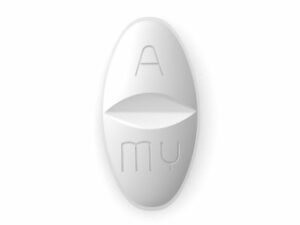
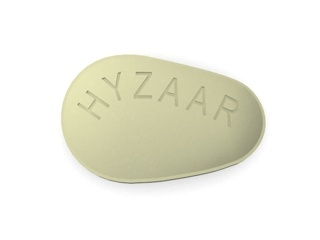
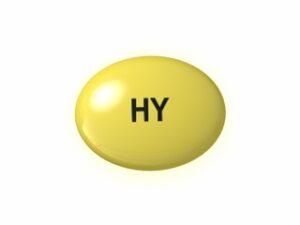

Hyzaar (Losartan / Hydrochlorothiazide) – Patient Information (Australia)
Hyzaar contains two medicines in one tablet:
- Losartan (an angiotensin II receptor blocker; ARB)
- Hydrochlorothiazide (a thiazide-type diuretic)
This combination is commonly used for people who need effective blood pressure lowering and for certain patients who may benefit from kidney protection. This guide explains how Hyzaar works, how it’s typically used, and important safety information to help you use it with confidence.
Key product information
| Medicine | What it does |
|---|---|
| Losartan | Helps relax blood vessels and reduce the effects of angiotensin II |
| Hydrochlorothiazide | Helps your kidneys remove extra salt and water to reduce blood pressure |
| Hyzaar | Combines both effects for improved blood pressure control |
Common forms: Tablets containing fixed-dose combinations of losartan and hydrochlorothiazide (strengths vary). Your specific strength will be stated on your pack.
Who it may suit: Adults needing blood pressure control, especially when a single medicine is not enough. Some people may also be prescribed it for specific kidney-related or cardiovascular risk situations, depending on their individual health profile.
How Hyzaar works (mechanism of action)
Hyzaar lowers blood pressure through two complementary mechanisms:
-
Losartan (ARB effect):
Angiotensin II is a hormone that narrows blood vessels and increases salt/water retention. Losartan blocks the AT1 receptor for angiotensin II, helping blood vessels relax and reducing the workload on the heart.
-
Hydrochlorothiazide (diuretic effect):
Hydrochlorothiazide acts on the kidney’s distal tubules to reduce sodium reabsorption. This increases salt and water loss in urine, which lowers blood volume and helps reduce blood pressure. Over time, it may also reduce vascular resistance.
Why the combination can be effective: ARBs and thiazide diuretics act in different pathways. Using them together can improve blood pressure control more than using either alone and may allow lower doses of each component for some patients.
Pharmacokinetics: how the body handles it
Understanding timing helps you know what to expect. Exact values can vary by person, age, and kidney function.
-
Absorption:
Both losartan and hydrochlorothiazide are absorbed after taking a tablet.
-
Distribution:
Losartan is highly protein-bound. It is converted in the liver to an active metabolite (for example, EXP-3174), which also contributes to blood pressure effects.
-
Metabolism and activity:
Losartan is metabolised mainly in the liver. Hydrochlorothiazide is not significantly metabolised and is mainly eliminated via the kidneys.
-
Elimination:
Losartan and its metabolites are cleared through both bile and urine. Hydrochlorothiazide is largely excreted unchanged by the kidneys.
-
Half-life (general concept):
Losartan’s active metabolite has a longer duration of action than the parent drug, which supports once-daily dosing for many patients. Hydrochlorothiazide’s effect can last around 24 hours in many people, though it may vary.
Kidney function matters: Because hydrochlorothiazide relies on kidney excretion, kidney impairment can increase risk of electrolyte disturbances and dehydration. Dose and suitability may depend on test results.
Typical use and benefits
Hyzaar is mainly used to:
- Treat high blood pressure (hypertension) in adults.
- Support kidney and cardiovascular protection for certain patients, often where there is diabetes or other kidney/cardiovascular risk—depending on clinical assessment and local guidance.
Important: Hypertension often has no symptoms. You may feel the same, but the medicine works to reduce long-term risk of stroke, heart attack, and kidney damage.
When to take Hyzaar (timing)
Many people take Hyzaar at a consistent time each day.
-
Morning dosing is often preferred because hydrochlorothiazide can increase urination.
Taking it earlier in the day may reduce nighttime bathroom visits.
-
With or without food:
You can usually take Hyzaar either way. Food does not typically prevent the medicine from working.
If you miss a dose:
- Take it as soon as you remember if it’s close to your scheduled time.
- If it’s almost time for your next dose, skip the missed dose—do not double.
Consistency matters: Try to take it at the same time daily so your blood pressure remains steady.
Food interactions
In general, Hyzaar can be taken with food or on an empty stomach. There are, however, practical dietary considerations:
-
Salt (sodium) intake:
High salt intake can reduce blood pressure control. Consider limiting salt and following dietary advice from your healthcare professional.
-
Potassium intake:
Losartan can increase potassium slightly, while hydrochlorothiazide can lower potassium. The net effect varies by person and may be reflected in blood tests.
Do not start potassium supplements or salt substitutes (often high in potassium) without medical advice.
Grapefruit and similar: Unlike some medicines, losartan is not typically affected by grapefruit in a clinically significant way. However, always check for drug-specific interactions.
Alcohol interactions and precautions
Alcohol can increase the risk of side effects such as dizziness or feeling faint, especially when standing up.
- Dizziness/low blood pressure: Alcohol may worsen blood pressure-lowering effects.
- Hydration: Drinking alcohol can contribute to dehydration in some people, which may increase the chance of electrolyte imbalance when combined with a diuretic.
- Frequency and amount: If you drink alcohol, keep it moderate and monitor how you feel.
Practical tip: Rise slowly from sitting/lying positions, particularly in the first days of treatment or after dose changes.
Medicine interactions (important)
Hyzaar can interact with several other medicines and supplements. Tell your pharmacist or prescriber about everything you take, including non-prescription products.
Common interaction themes
- Kidney and potassium effects: Because it includes an ARB and a diuretic, potassium and kidney function may change with certain medicines.
- Dehydration/electrolytes: Medicines that affect kidney function or fluid balance can raise risks when combined.
- Blood pressure effect: Other blood pressure medicines may add to lowering effects.
Examples of medicines that may interact
- NSAIDs (e.g., ibuprofen, naproxen, diclofenac): can reduce kidney function and reduce the blood pressure-lowering effect; risk may increase with dehydration.
-
Other blood pressure medicines (including ACE inhibitors, other ARBs, or aliskiren):
Combining blood pressure medicines may increase the likelihood of low blood pressure, kidney issues, or potassium changes. Combination therapy should be guided by a healthcare professional.
-
Diuretics or other medicines that affect electrolytes:
Combined effects may lead to low sodium, low potassium, or other electrolyte disturbances.
-
Lithium:
May have increased lithium levels when combined with ARBs, requiring close monitoring if used.
-
Digoxin and certain heart rhythm medicines:
Low potassium caused by diuretics can increase the risk of rhythm problems.
-
Anti-diabetes medicines:
Some people may experience changes in glucose control, which may require monitoring.
-
Gout medicines (e.g., allopurinol):
Hydrochlorothiazide may increase uric acid and can affect gout management.
-
Vitamin D and calcium supplements:
Hydrochlorothiazide can increase calcium levels; supplementation may require monitoring.
Herbal and supplements: Licorice (including some “herbal” products), potassium-containing supplements, and other products may affect electrolytes and blood pressure. Always check with a pharmacist.
Indications (what it’s used for)
Hyzaar is indicated for:
- Hypertension (high blood pressure), particularly when a combination approach is appropriate.
- Selected patient groups where an ARB and diuretic combination aligns with treatment goals—your clinician will base this on your condition, blood tests, and risk factors.
Not for every situation: Suitability depends on factors such as kidney function, electrolyte levels, pregnancy status, and other medicines being used.
Dosing: typical adult use
Dosing should be individualised. The combination tablet strength you receive is designed to make daily dosing easier, but it still depends on your response and blood test results.
- Typical starting regimens:
Commonly once daily, with the dose chosen based on prior blood pressure control and tolerability.
- Titration:
Your healthcare professional may adjust the strength after assessing blood pressure, symptoms, and blood tests (including kidney function and electrolytes).
-
Missed doses:
Do not take an extra tablet to compensate for a missed dose.
Important kidney and electrolyte considerations:
- Before and during treatment, blood tests may be recommended to monitor potassium, sodium, and kidney function (creatinine/eGFR).
- Your doctor may review results after starting or after dose changes.
Always follow the instructions on your medication pack or as provided by your healthcare professional.
What to expect: onset and blood pressure response
- Initial improvement:
Blood pressure may begin to lower after the first dose, but the full effect can develop over days to weeks.
- Diuretic effect:
Hydrochlorothiazide may increase urine output shortly after taking your dose. This is usually most noticeable early on.
-
Monitoring:
If you check your blood pressure at home, follow a consistent routine and record results to share with your healthcare professional.
Contact urgent care if: you experience severe dizziness, fainting, chest pain, or symptoms of an allergic reaction.
Safety profile and side effects
Like all medicines, Hyzaar can cause side effects. Many people experience few or no problems, but it’s important to know what to watch for.
Seek medical help urgently if you develop
- Swelling of the face, lips, tongue, or throat (possible angioedema)
- Breathing difficulties or wheezing
- Severe or persistent dizziness or fainting
- Signs of severe dehydration (very dry mouth, confusion, inability to urinate)
- Severe allergic rash or blistering skin
- Very irregular heartbeat, marked muscle weakness, or significant cramps (may relate to electrolytes)
Common or notable side effects
- Dizziness or light-headedness (especially when standing)
- Increased urination (more likely with hydrochlorothiazide)
- Headache
- Tiredness
- Muscle cramps (may be due to electrolyte changes)
Less common but important laboratory-related effects
- Low sodium (hyponatraemia)
- Low potassium (hypokalaemia) or sometimes high potassium (hyperkalaemia), depending on your body and other medicines
- Changes in kidney function (especially with dehydration, NSAID use, or existing kidney disease)
- Increased uric acid (may trigger gout in some people)
- Changes in blood sugar (especially in people with diabetes)
- Increased cholesterol or triglycerides (typically modest, may be monitored over time)
Sun sensitivity (hydrochlorothiazide): Some people may experience increased sensitivity to sunlight. Discuss sun protection and report any unusual skin changes promptly.
Practical use tips (to get the best results)
- Take it at the same time daily to maintain consistent blood pressure control.
- Be mindful of hydration, especially during hot weather, exercise, vomiting, or diarrhoea.
- Rise slowly if you feel light-headed (especially early in treatment).
- Keep up with monitoring:
- Blood pressure checks as advised
- Blood tests for kidney function and electrolytes
- Watch for dehydration signs (dry mouth, unusual thirst, reduced urination).
- Know your “sick day” plan:
If you develop vomiting or severe diarrhoea, you may become dehydrated. Ask your healthcare professional about whether you should pause certain medicines temporarily in that situation.
- Medication list:
Keep an up-to-date list of your medicines and supplements for every visit to reduce interaction risk.
Missed doses and storage
Missed dose: Take when remembered if close to the scheduled time; otherwise skip. Do not double up.
Storage: Store tablets as directed on the packaging (typically at controlled room temperature, protect from moisture, and keep out of reach of children).
Alternative options (what else may be considered)
Blood pressure treatment is individual. Alternatives may include:
- Single-agent ARBs (e.g., losartan alone or other ARBs)
- ACE inhibitors (e.g., perindopril, enalapril) – used in selected patients
- Calcium channel blockers (e.g., amlodipine)
- Other diuretics (e.g., indapamide, chlorthalidone) depending on suitability
- Other combination tablets combining different classes
If Hyzaar isn’t suitable due to side effects, lab changes, or drug interactions, your healthcare professional may consider a different combination or a single medicine strategy.
Hyzaar in the Australian market: legal and guidance context
In Australia, medicines are regulated through the TGA (Therapeutic Goods Administration). Hyzaar has an approved product profile and prescribing and dispensing processes follow Australian healthcare standards.
Local clinical practice for blood pressure management commonly uses structured approaches (including lifestyle changes, home blood pressure monitoring, and stepwise medication review). Treatment choice often considers:
- Baseline blood pressure and cardiovascular risk
- Diabetes or chronic kidney disease status
- Electrolytes and kidney function
- Concurrent medicines (to minimise interactions)
Recent guidance and updates: Ongoing Australian guidance on hypertension management continues to emphasise accurate diagnosis, regular monitoring, and safe medication use. Your pharmacist or doctor can confirm any more recent local updates affecting ARBs/diuretics for your specific situation.
Safety alerts: As with all medicines, manufacturers and regulators may issue communications about side effects, formulation changes, or supply information. Check that you are using the current product from a reputable pharmacy.
Delivery and availability
Hyzaar is widely available through Australian pharmacies depending on your location, preferred brand/strength, and stock levels. Availability may vary by strength and whether the product is in regular or limited supply.
- Online ordering: Many pharmacies offer delivery across metropolitan and regional Australia.
- Processing times: Orders may require verification and dispatch within business hours.
- Packaging: Medicines are typically supplied in manufacturer packaging with clear instructions and expiry details.
Delivery considerations: Ensure delivery instructions are correct and that someone can receive parcels if required by the pharmacy’s terms. Always store the medicine properly once delivered.
FAQ
1) Is Hyzaar suitable for everyone with high blood pressure?
No. Hyzaar may be appropriate for many adults, but suitability depends on kidney function, electrolyte levels, other medicines, and overall risk profile. Your healthcare professional will help decide if the ARB + diuretic combination is right for you.
2) How quickly will Hyzaar lower my blood pressure?
Some lowering may occur soon after starting, but the full effect can take days to weeks. Consistent daily use and follow-up monitoring are important.
3) Why do I need blood tests after starting Hyzaar?
Because the medicine can affect kidney function and electrolytes (such as potassium and sodium). Monitoring helps keep treatment safe and effective.
4) Will I pee more after taking Hyzaar?
Hydrochlorothiazide can increase urine output, especially when starting or after dose changes. Taking it earlier in the day can help reduce disruption at night.
5) Can I take Hyzaar with food?
Yes. Hyzaar can generally be taken with or without food.
6) Can I drink alcohol while taking Hyzaar?
Alcohol may increase dizziness and low blood pressure risk. If you drink, keep it moderate and pay attention to how you feel, especially when standing up.
7) What if I miss a dose?
Take it when you remember if it’s close to your scheduled time. Otherwise skip and take the next dose at the usual time. Don’t double up.
8) What are “red flag” symptoms I should not ignore?
Seek urgent medical attention for signs such as facial/lip/tongue swelling, breathing difficulties, severe dizziness/fainting, severe dehydration, or an unusual rash.
9) Are there alternatives if I get side effects?
Yes. Options may include changing dose, switching to a different combination, or using a single medicine from a related class. Discuss symptoms and lab results with your healthcare professional.
10) Can Hyzaar cause sun sensitivity?
Some people using hydrochlorothiazide may be more sensitive to sunlight. Use sun protection and report any concerning skin changes.
Always read the Consumer Medicine Information (CMI) provided with your product and follow your healthcare professional’s instructions. If you have questions about whether Hyzaar is right for you or how it fits your medication routine, contact your pharmacist.