
Fludac (Fluoxetine) – Patient Information (Australia)
Fludac contains fluoxetine, a medicine used to treat a range of mood and anxiety conditions. This guide explains how it works, what it’s used for, how to take it safely, and what to expect. It also covers common interactions (including with alcohol), practical tips for day-to-day use, and frequently asked questions.
Note: Information below is general and designed to help you understand your medicine. Always follow the instructions provided by your healthcare professional and the product label.
Quick overview
- Medicine: Fludac (fluoxetine)
- Type: Selective Serotonin Reuptake Inhibitor (SSRI)
- Common uses: Depression, obsessive-compulsive disorder (OCD), panic disorder, and other mood/anxiety conditions (depending on clinical judgement)
- How it’s taken: Usually once daily (often in the morning or morning/afternoon)
- Typical onset: Some improvement may be noticed within 2–4 weeks; full benefit can take several weeks
- Key safety notes: Watch for early worsening of mood/behaviour in younger people, serotonin-related symptoms, and drug interactions
Basic product information
| Category | Details |
|---|---|
| Active ingredient | Fluoxetine (brand: Fludac) |
| Drug class | SSRI antidepressant |
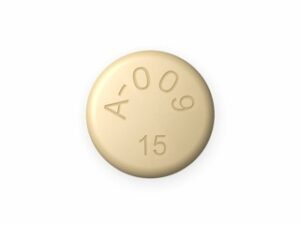
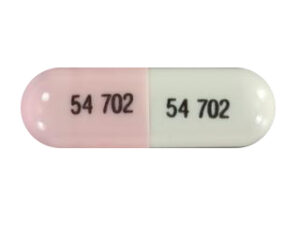
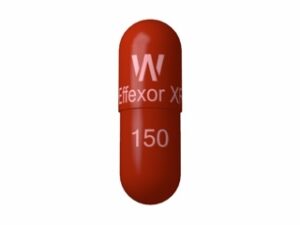
| Form(s) | Oral capsules/tablets (strengths may vary by product listing) |
| Typical dosing frequency | Once daily (commonly) |
| Special considerations | Long half-life; interactions with other medicines; gradual adjustment may be needed |
How Fludac works (mechanism of action)
Fluoxetine belongs to the SSRIs. It works by increasing the availability of serotonin in the brain and nervous system. Specifically:
- Serotonin reuptake inhibition: Fluoxetine inhibits the serotonin transporter, which reduces reabsorption of serotonin into nerve cells.
- Neuroadaptation over time: While serotonin changes can occur quickly, mood and anxiety improvements usually require ongoing treatment as the brain adjusts.
This is why early effects may not be immediate, even when the medicine is started correctly.
Pharmacokinetics (how your body handles fluoxetine)
Understanding pharmacokinetics can help explain why dosing is often once daily and why stopping must be done carefully.
Absorption
Fluoxetine is absorbed after oral dosing. Food generally does not significantly change overall absorption, though it may affect timing of comfort (for example, nausea in some people).
Distribution
Fluoxetine spreads through the body, including the central nervous system.
Metabolism
Fluoxetine is metabolised primarily in the liver, involving enzymes such as CYP2D6. Because of this, drug interactions are important—especially with medicines that affect these pathways.
Half-life and long-lasting effects
A key feature of fluoxetine is its long half-life and that it produces an active metabolite (norfluoxetine). This means:
- Effects can persist after stopping.
- Stopping may be less likely to cause severe withdrawal symptoms than some other antidepressants, but discontinuation symptoms can still occur.
- Missed doses may be less likely to cause sudden “rebound” symptoms.
What Fludac is used for (indications)
Fludac is prescribed for several conditions. Indications may vary based on country guidance and individual clinical assessment. Common medically recognised uses include:
- Depression (major depressive disorder)
- Obsessive-compulsive disorder (OCD)
- Panic disorder
- Bulimia nervosa (in some clinical settings)
- Other anxiety-related or mood conditions as determined by a clinician
Important: Fluoxetine is not an instant-relief medicine. It is typically used as part of longer-term treatment, sometimes alongside psychological therapies.
Typical timing and when you’ll notice benefits
Many people start to notice some changes within 2–4 weeks, but significant improvement can take 4–8 weeks (or longer for some conditions, such as OCD). Early on, it’s normal to experience mixed effects.
Common early experiences
- Sleep or appetite changes
- Restlessness or mild anxiety increase (occasionally)
- Gastrointestinal effects such as nausea
These effects often settle as treatment continues. However, if symptoms worsen or you feel unsafe, seek medical advice promptly.
Best time of day
- Morning is often preferred if it makes you feel energised or slightly activating.
- Evening may be considered if it causes tiredness for you.
- Choose a time you can maintain daily and discuss adjustments with your clinician.
Dosing: how fluoxetine is commonly started and adjusted
Dose depends on the condition being treated, your age, other health conditions, and how you respond. The information below provides general guidance.
General approach
- Start low, go slow: Many clinicians begin with a lower dose to improve tolerability, then adjust.
- Regular review: Dose changes are typically made after assessing how you’re responding and whether side effects are settling.
- Long-term planning: For depression and anxiety disorders, treatment often continues for months after improvement.
Typical adult dosing patterns (general)
- Depression/OCD/Panic disorder: commonly start at a lower daily dose and increase if needed.
- OCD: sometimes requires higher doses and longer time to benefit.
- Older adults: may require more cautious starting and monitoring.
Do not change your dose without medical guidance. Because fluoxetine stays in the body for a long time, dosing errors can have prolonged effects.
How to take Fludac (practical use tips)
- Take once daily at the same time each day when possible.
- With or without food: You may take it with food if it upsets your stomach. Many people tolerate it either way.
- Swallow whole with water (if tablets/capsules are intact as directed).
- Be patient: Expect gradual improvement. Mark dates on a calendar if it helps you track progress.
- Don’t stop suddenly: Even with long half-life, stopping can still cause problems. Discuss tapering with your clinician.
- Use steady routines: Sleep, hydration, and regular meals can support better tolerability.
Food interactions
Fluoxetine is not known for major food-to-drug interactions, and it can generally be taken with or without meals.
However, food may influence how you feel after a dose:
- If you feel nauseous, taking it with food may help.
- If it affects stomach comfort, try a consistent schedule (e.g., after breakfast).
If you have ongoing vomiting, severe diarrhoea, or can’t keep food down, seek medical advice.
Alcohol and medicine interactions
Alcohol
It’s generally recommended to limit or avoid alcohol while taking SSRIs like fluoxetine because:
- Alcohol can worsen depression and anxiety symptoms.
- Alcohol may increase side effects such as sleep disturbance, dizziness, or impaired judgement.
- Combination may make it harder to gauge whether your mood is improving.
If you choose to drink, keep it minimal and monitor how you feel. If you have a history of alcohol misuse or are concerned about drinking, discuss options with a healthcare professional.
Common medicine interactions
Fluoxetine can interact with other medicines, including some that affect serotonin levels, bleeding risk, heart rhythm, or liver enzymes. Tell your healthcare professional about all medicines and supplements you use, including:
- Other antidepressants
- Monoamine oxidase inhibitors (MAOIs)
- Linezolid and methylene blue (special caution due to serotonin effects)
- Triptans (for migraine)
- St John’s wort (herbal supplement; can increase serotonin)
- Tramadol or other opioids (some increase serotonin/side effects)
- Anticoagulants/antiplatelet medicines (bleeding risk may increase)
- Non-steroidal anti-inflammatory drugs (NSAIDs) such as ibuprofen/naproxen (may increase bleeding tendency in some people)
- Medicines that affect heart rhythm (QT-prolonging risk in susceptible individuals)
- Medicines metabolised by CYP2D6 (possible higher levels of certain drugs)
Serotonin syndrome: seek urgent help
In rare cases, combining serotonergic medicines can cause serotonin syndrome. Seek urgent medical assistance if you experience a combination of:
- Agitation, confusion
- Heavy sweating, fever
- Shaking/tremor, muscle stiffness
- Fast heartbeat, diarrhoea
- Severe restlessness or inability to settle
Always contact a clinician promptly if you suspect an interaction or unusual reaction.
Safety profile: side effects and when to seek help
Many people tolerate fluoxetine well, but side effects can occur. Some are more common at the start and typically improve as your body adjusts.
Common side effects
- Nausea or stomach upset
- Headache
- Sleep changes (insomnia or drowsiness)
- Dry mouth
- Reduced appetite or changes in weight
- Increased sweating
- Sexual side effects (reduced libido, delayed orgasm)
- Restlessness or jitteriness
Less common but important risks
- Mania/hypomania risk in people with bipolar disorder or susceptibility
- Bleeding risk may be increased when combined with other medicines that affect clotting
- Low sodium (hyponatraemia), especially in older adults or those taking diuretics
- Eye symptoms (rare): pain/redness/blurred vision can indicate a serious eye issue and needs urgent attention
- Seizures are rare but warrant medical review
- Increased suicidal thoughts/behaviour in children, adolescents, and young adults early in treatment or after dose changes (monitoring is important)
When to seek urgent help
Get urgent medical care or contact emergency services if you have:
- Symptoms suggesting serotonin syndrome
- Signs of severe allergic reaction (swelling of face/lips, difficulty breathing)
- Manic symptoms (e.g., unusually elevated mood, decreased need for sleep, risky behaviour)
- Thoughts of self-harm or feeling unsafe
Missed dose and overdose guidance (general)
If you miss a dose
- Take it when you remember if it’s close to your usual time.
- If it’s nearly time for the next dose, skip the missed dose.
- Do not take a double dose.
If you’re unsure, ask a pharmacist or clinician.
Overdose
If you suspect an overdose, seek urgent medical attention immediately. In Australia, you can contact the Poison Information Centre for advice (the number depends on your state).
Stopping treatment: what to expect
When stopping fluoxetine, it’s best to do so gradually under guidance. Although fluoxetine has a long half-life (which can reduce sudden withdrawal symptoms), some people still experience:
- Dizziness
- Nausea
- Headache
- Feeling irritable or “unsteady”
- Sleep disturbances
If you notice significant symptoms after dose reduction, your clinician may adjust the plan.
Alternative options (if fluoxetine isn’t suitable)
Depending on your diagnosis, side-effect preferences, and medical history, clinicians may consider other treatments. Alternatives include:
Other SSRIs
- Sertraline
- Citalopram
- Escitalopram
Other antidepressant classes
- SNRI medicines (e.g., venlafaxine, duloxetine)
- Tricyclic antidepressants (less commonly due to side effects)
- Atypical antidepressants (varies by indication)
Non-medicine options
- Psychological therapies (e.g., CBT for depression/anxiety)
- OCD-specific CBT approaches such as exposure and response prevention (ERP)
- Lifestyle support: sleep regularity, exercise, social support
Your clinician can help weigh the benefits and likely side effects for your individual situation.
Market & legal context in Australia (general information)
Medicines including fluoxetine are regulated in Australia under the Therapeutic Goods Administration (TGA). Availability and dispensing requirements depend on the specific product and how it’s classified.
Online pharmacies in Australia typically operate within these regulatory frameworks, and supply is generally managed to ensure medicines are used appropriately and safely. Availability may differ by pharmacy, stock levels, and the specific strength/form of Fludac.
Always check:
- That the product listing matches the medicine name and strength you expect.
- Any requirements for supply (if applicable to the product).
- Delivery regions and estimated shipping times.
Recent guidance & important monitoring
In Australia and internationally, SSRI guidance commonly emphasises:
- Close monitoring early in treatment, particularly in young people or during dose changes.
- Ongoing assessment of benefits vs side effects after starting and after dose adjustments.
- Attention to drug interactions, especially with serotonergic drugs and medicines affecting bleeding or heart rhythm.
- Safety planning for people at risk of self-harm, including ensuring support is available when starting treatment.
If you have risk factors such as bipolar disorder, seizure history, or complex medication regimens, your prescriber may adjust monitoring and dosing more carefully.
Delivery and availability (online pharmacy notes)
Availability of Fludac may depend on supply chains and the specific formulation (capsules/tablets) and strength. When ordering online:
- Check product details carefully (medicine name, strength, form).
- Confirm quantity to ensure it aligns with your expected treatment duration.
- Review delivery timeframes and any shipping restrictions.
Once dispatched, tracking details may be provided. If you require urgent medication, choose services that offer appropriate delivery speed and consider contacting support to confirm stock.
FAQ
1) How long does Fludac take to work?
Some people notice changes within 2–4 weeks, but full benefits often take 4–8 weeks or longer depending on the condition and dose.
2) Should I take Fludac in the morning or at night?
Many people take it in the morning. If it makes you sleepy, taking it in the evening may suit you better. Choose what helps you tolerate it and discuss changes with a pharmacist or clinician.
3) Can I take Fludac with food?
Yes. It can be taken with or without food. If you feel nauseous, taking it with food may help.
4) Is it safe to drink alcohol while taking fluoxetine?
It’s usually best to limit or avoid alcohol, as it can worsen mood and increase side effects like dizziness or sleep problems.
5) What if I miss a dose?
Take it when you remember if it’s close to your usual time. Otherwise, skip it and take your next dose at the usual time. Do not double up.
6) What side effects are most common?
Common effects include nausea, headache, sleep changes, dry mouth, appetite changes, sweating, and sexual side effects. Many improve after the first few weeks.
7) Are there serious risks I should know about?
Yes. Serious but uncommon risks include serotonin syndrome (often related to interactions), mania/hypomania in susceptible individuals, bleeding risk (especially with other medicines affecting clotting), seizures (rare), and severe allergic reactions.
8) Can Fludac interact with other medicines?
Yes. Important categories include MAOIs, other serotonergic medicines (e.g., certain migraine medicines), St John’s wort, tramadol and some opioids, anticoagulants/antiplatelets, NSAIDs, and certain heart-rhythm medicines. Always check with a pharmacist if you’re unsure.
9) Will I get withdrawal symptoms if I stop?
Some people experience symptoms after dose changes or stopping (e.g., dizziness, nausea, sleep disturbance). Because fluoxetine has a long half-life, discontinuation may be easier than with some other antidepressants, but it still should be managed gradually with professional advice.
10) Are there alternatives if I don’t tolerate fluoxetine?
Yes. Options include other SSRIs, SNRIs, and different therapeutic approaches such as psychological therapies. Your clinician can tailor a plan to your symptoms and side-effect experiences.
Summary
Fludac (fluoxetine) is an SSRI medicine used for depression, OCD, panic disorder, and other mood/anxiety conditions. It works by increasing serotonin availability and typically requires weeks to achieve full benefit. Fluoxetine’s long-lasting presence in the body helps smooth missed doses but also means drug interactions and careful dose adjustments are important.
If you have questions about starting, timing, side effects, or interactions—especially if you take other medicines or supplements—speak with a pharmacist or healthcare professional. Support, monitoring, and patience are key components of successful treatment.