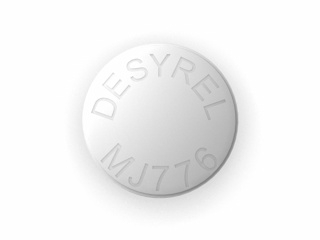


Desyrel (Trazodone) — Patient Information (Australia)
Desyrel is a brand of the medicine trazodone, commonly used to help manage depression and, in some situations, related sleep difficulties. This page explains how trazodone works, how it is typically taken, key safety points, and what to expect when starting or changing treatment.
Note: Medicine information can’t replace advice from a clinician. If you’re unsure about your treatment plan, ask your pharmacist or prescriber.
Basic product information
- Medicine name: Desyrel (trazodone)
- What it contains: Trazodone hydrochloride
- Medicinal class: Antidepressant (serotonin modulator)
- Common forms: Tablets (strengths vary by product)
- How it’s used: Oral medicine
In Australia, availability and brand packaging may differ depending on manufacturer and supply. Your pharmacist can confirm the exact strength and formulation you are receiving.
How Desyrel (trazodone) works (mechanism of action)
Trazodone affects serotonin and other neurotransmitter pathways in the brain. It is often described as a:
- Serotonin reuptake inhibitor at certain doses
- 5-HT2 receptor antagonist (blocks certain serotonin receptors)
- Serotonin modulator overall, which may help with mood symptoms
Because of its effects on brain chemicals involved in mood and sleep-wake regulation, trazodone may also help people who experience sleep disturbance alongside depression.
Pharmacokinetics (how the body processes trazodone)
Pharmacokinetics refers to how a medicine is absorbed, distributed, metabolised, and eliminated.
- Absorption: Trazodone is absorbed after oral dosing. Time to reach peak blood levels can vary among individuals.
- Distribution: It spreads through body tissues and crosses into the central nervous system to exert its effects.
- Metabolism: Trazodone is primarily metabolised in the liver. The main metabolic pathways involve enzymes such as CYP3A4.
- Elimination: Metabolites are removed mainly via the kidneys (urine) and partly through other routes. Elimination speed can be affected by age, liver function, and interacting medicines.
Practical takeaway: Liver function matters. If you have liver impairment or take medicines that affect liver enzymes, trazodone levels may change, increasing side effects or reducing effectiveness.
Typical uses in Australia
Desyrel (trazodone) is used primarily as an antidepressant. Your prescriber may consider it for:
- Major depressive disorder (depression)
- Depression with sleep difficulties (insomnia or disturbed sleep may improve as mood improves)
- Sometimes, clinicians may use it for sleep-related symptoms when appropriate—this depends on the individual situation and other medicines being taken
People respond differently. Some may notice sleep benefits earlier; mood improvements can take longer.
When to take Desyrel (timing and routine)
How you take your dose depends on your treatment plan and the formulation strength. Common timing guidance includes:
- Often taken in the evening if it makes you drowsy.
- Consistency helps: try to take it at the same time each day.
- Start low, go slow: many people begin with a lower dose to reduce side effects, then adjust gradually.
Tip: Because trazodone can cause sleepiness or light-headedness, be cautious when you first start and until you know how it affects you.
Dosing (general guidance)
Dosing varies according to the condition being treated, age, other medications, and tolerability. The information below is general and may not match your specific prescription.
| Patient group | Typical approach | Notes |
|---|---|---|
| Adults | Usually started at a lower dose, then increased gradually if needed | Adjustments are often based on response and side effects |
| Older adults | Often lower starting doses and slower changes | Sensitivity to dizziness, sleepiness, and blood pressure changes may be higher |
| Liver impairment | May require dose adjustment or closer monitoring | Trazodone is metabolised in the liver; discuss risks with your clinician |
| Kidney impairment | May require monitoring | Discuss individual risk and suitability |
Do not change your dose without medical advice. Stopping suddenly can lead to withdrawal symptoms or a return/worsening of mood or sleep symptoms. If you need to discontinue, ask your pharmacist or prescriber about a safe tapering plan.
Food interactions
Food can influence how quickly trazodone is absorbed. In many people, taking trazodone with or after food can improve tolerability if it causes stomach upset.
- Take consistently: if you normally take it with food, try to keep that routine.
- Avoid large heavy meals right around dosing if you notice increased nausea or dizziness (personal effects vary).
Key point: The most important interactions for trazodone usually involve other medicines—especially those affecting liver enzymes or serotonin levels.
Alcohol interactions
Combining trazodone with alcohol can increase the risk of:
- Excessive sedation and drowsiness
- Impaired coordination and slower reaction times
- Fainting or falls (particularly in older adults)
- Worsened dizziness and nausea
For safety, it’s generally recommended to avoid alcohol while starting trazodone or until you know how you respond.
Medicine interactions (important warnings)
Certain medicines can interact with trazodone by changing its metabolism, increasing serotonin-related effects, or affecting blood pressure and heart rhythm.
Serotonin-related interactions (risk of serotonin syndrome)
Be cautious when combining trazodone with other medicines that increase serotonin. Examples may include:
- Other antidepressants (e.g., SSRIs, SNRIs, MAO inhibitors)
- Tramadol and some pain medicines
- Linezolid and other antibiotics with serotonergic effects (in some cases)
- Dextromethorphan (in some cough/cold products)
- Some migraine medicines (e.g., triptans)
- St John’s wort (herbal supplement)
Seek urgent medical help if you develop symptoms that could suggest serotonin syndrome, such as:
- Agitation, confusion
- Fast heart rate, sweating, fever
- Tremor, muscle stiffness, loss of coordination
- Severe diarrhoea or persistent vomiting
Liver enzyme interactions (CYP3A4)
Trazodone is metabolised partly by CYP3A4. Medicines that strongly inhibit or induce CYP3A4 can change trazodone levels.
- Examples of inhibitors (may increase trazodone levels): some antifungal medicines (e.g., azoles), certain antibiotics (e.g., macrolides), and some HIV medicines.
- Examples of inducers (may decrease trazodone levels): some anticonvulsants (e.g., carbamazepine), and other enzyme-inducing drugs.
Heart rhythm and blood pressure interactions
- Trazodone may affect blood pressure, especially when standing (orthostatic hypotension), increasing fall risk.
- It may also influence heart rhythm (QT interval) in some people—risk can be increased by other QT-prolonging medicines.
Other sedation-enhancing medicines
The sedating effect may be stronger when combined with medicines that also cause drowsiness, such as:
- Some antihistamines (especially sedating types)
- Benzodiazepines
- Opioid pain medicines
- Some sleep medications
Tell your pharmacist about all medicines and supplements you use, including over-the-counter products.
Safety profile (common and serious side effects)
Most people tolerate trazodone reasonably well, but side effects can occur—especially early in treatment or after dose increases.
Common side effects
- Drowsiness or fatigue
- Dizziness, light-headedness
- Nausea, stomach upset
- Dry mouth
- Headache
- Blurred vision (occasionally)
Less common but important effects
- Orthostatic hypotension (feeling faint when standing)
- Sexual dysfunction (may occur with some antidepressants)
- Abnormal bleeding risk may increase when combined with medicines that affect clotting (e.g., some anticoagulants/antiplatelets)
- Weight changes (varies by person)
Serious but rare risks — when to seek urgent help
Get urgent medical attention if you experience:
- Signs of allergic reaction (swelling of face/lips, rash, breathing difficulty)
- Fainting or severe dizziness
- Symptoms that may suggest serotonin syndrome (see interaction section)
- Suicidal thoughts or worsening depression—especially in the first weeks of treatment or after dose changes
- Chest pain, palpitations, or severe shortness of breath
- Prolonged erection (priapism) — a medical emergency
Practical use tips (how to take Desyrel more comfortably)
- Plan for the first days: if you feel drowsy, avoid driving or operating machinery until you know how you respond.
- Rise slowly: dizziness can happen, particularly when getting out of bed or a chair.
- Stay hydrated: dry mouth and light-headedness can be worsened by dehydration.
- Keep a brief symptom diary: note sleep quality, mood changes, and side effects to discuss with your clinician.
- Don’t stop suddenly: talk to your healthcare professional if you want to discontinue or if side effects are problematic.
- Watch for day-time sleepiness: if sleepiness affects work or study, ask about timing or dose adjustments.
If you miss a dose: follow your pharmacist’s or prescriber’s instructions. In general, if it’s close to your next dose, you may be advised to skip rather than double. If you’re unsure, ask your pharmacist.
Alternative options
There are multiple treatments for depression and sleep difficulties. Alternatives depend on your symptoms, medical history, and other medicines.
Medication alternatives (examples)
- Other antidepressants (e.g., SSRIs/SNRIs, depending on suitability)
- Sleep-focused treatments for insomnia when appropriate
- Combination therapy may be considered in some cases
Non-medicine options
- Cognitive behavioural therapy (CBT) for depression and insomnia
- Sleep hygiene (consistent sleep schedule, limiting late caffeine, reducing screen time)
- Exercise and stress management strategies
- Support from mental health professionals
If you’re considering alternatives, speak with a clinician about what best fits your needs, risk factors, and current health.
Market and legal context for Australia
In Australia, access to many antidepressant medicines is regulated through the medicines scheduling system. The exact dispensing requirements depend on the product and formulation. Some antidepressants are available only with appropriate medical authority, while others may have different access pathways.
Your online pharmacy may require confirmation of suitability and eligibility based on Australian regulatory requirements and the medicine’s classification. Always ensure you’re receiving the correct product and strength for your intended use.
Regulated supply chain: In Australia, registered medicines are supplied through licensed channels. If any product packaging, labelling, or prescription documentation seems unusual, do not use it—contact the pharmacy for clarification.
Recent guidance and clinical considerations
Clinical guidance for depression and insomnia commonly emphasises:
- Individualised treatment selection based on symptoms, comorbidities, and tolerability
- Monitoring for side effects and changes in mood, especially early in treatment
- Serotonin syndrome awareness when combining serotonergic medicines
- Caution in older adults due to dizziness, falls, and drug interactions
- Reviewing alcohol and sedating co-medications to reduce harm
If you have existing heart rhythm concerns, liver disease, or multiple medicines, extra monitoring may be appropriate.
Delivery and availability (online pharmacy)
Availability of Desyrel (trazodone) can vary depending on stock levels and manufacturer supply. When purchasing online:
- Confirm your strength and formulation before checkout.
- Allow processing time for pharmacist review and dispensing.
- Delivery time depends on location and courier services across Australia.
Cold/heat handling: Store tablets as directed on the packaging (commonly at controlled room temperature, protected from moisture). Keep them out of reach of children.
If your order is delayed or an item is temporarily unavailable, the pharmacy may offer alternatives or contact you for confirmation.
FAQ
1) How long does it take for Desyrel (trazodone) to work?
Some people notice improvements in sleep or restfulness within the first days, but mood benefits often take several weeks. If you don’t feel any improvement after a reasonable time, speak with your clinician before adjusting the dose yourself.
2) Will trazodone make me sleepy?
Yes, it can. Drowsiness is a common effect, especially when starting or when doses are increased. Many people take it in the evening. Avoid driving or machinery until you know how it affects you.
3) Can I take Desyrel with other antidepressants?
Sometimes, but it must be done carefully. Combining antidepressants can increase the risk of side effects and serotonin-related complications. Always discuss your full medication list with your pharmacist or clinician.
4) Is it safe to drink alcohol while taking trazodone?
It’s generally advised to avoid alcohol because it can increase sedation, dizziness, and impairment. If you are unsure, ask your pharmacist for personalised advice based on your dose and health.
5) What should I do if I miss a dose?
Follow the instructions provided with your medicine or by your healthcare professional. If you’re unsure, ask your pharmacist. In many cases, doubling up is avoided—timing matters.
6) What side effects are most common?
Common side effects include drowsiness, dizziness, and nausea. These often lessen as your body adapts, but if they’re severe, seek advice.
7) Are there any serious warning signs?
Seek urgent help for signs of severe allergic reaction, fainting, chest pain/palpitations, symptoms suggestive of serotonin syndrome, or priapism (prolonged painful erection).
8) Can I stop trazodone suddenly?
It’s usually better not to stop abruptly. Discuss discontinuation with your clinician to plan a safe taper, especially if you’ve taken it for weeks or longer.
9) Does food affect trazodone?
Food may influence absorption and stomach comfort. If you experience nausea, taking it with food may help. Keep your routine consistent and report persistent side effects to your pharmacist.
10) Are there alternatives if trazodone doesn’t suit me?
Yes. Alternatives may include other antidepressants, sleep-focused strategies, or psychological therapies. Your clinician can advise based on your symptoms and risk factors.
Need help? If you’re experiencing troublesome side effects, worsening mood, or new symptoms after starting Desyrel, contact a healthcare professional promptly. In emergencies, call your local emergency number or seek urgent care.