
Effexor XR (Venlafaxine) – Patient Guide (Australia)
Effexor XR is a brand of venlafaxine in an extended-release (XR) form. This medicine is commonly used to treat depression and certain anxiety conditions. It works by affecting brain chemicals involved in mood and stress.
This page is designed to help you understand how Effexor XR works, how it is usually taken, and what to watch for. Always follow your clinician’s instructions and the directions on the product label.
Basic product information
| Category | Details |
|---|---|
| Medicine | Effexor XR (venlafaxine) |
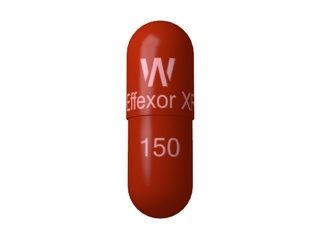
| Formulation | Extended-release (XR) capsules/strengths vary by product |
| How it’s used | Daily oral dosing; effects build over time |
| Common indications | Depression, generalised anxiety symptoms, and other anxiety disorders depending on jurisdiction/guidelines |
| Class | SNRI (Serotonin–Norepinephrine Reuptake Inhibitor) |
Note: Brand availability, pack sizes, and strengths can vary. Your local pharmacy can confirm current stock and options.
How Effexor XR works (mechanism of action)
Effexor XR contains venlafaxine, an SNRI. It increases levels of two key neurotransmitters: serotonin and norepinephrine, by slowing their reuptake (reabsorption) in the brain.
- Serotonin: supports mood, sleep regulation, and emotional stability.
- Norepinephrine: influences attention, energy, alertness, and the body’s stress response.
- Extended-release (XR): the capsule is designed to release medicine gradually over the day, helping maintain more consistent blood levels.
Many people notice early changes such as improved sleep or reduced anxiety within the first 1–2 weeks, but full benefits for depression may take several weeks. Your prescriber may adjust the dose slowly.
Pharmacokinetics (how the body processes it)
Understanding basic pharmacokinetics can help you know why dosing is once daily and why missing doses can matter. While individual experiences vary, the general pattern is:
- Absorption: XR venlafaxine is absorbed from the gastrointestinal tract; the “extended-release” design spreads release over time.
- Metabolism: venlafaxine is processed in the liver mainly to its active metabolite, O-desmethylvenlafaxine (also known as desvenlafaxine-related activity depending on context).
- Onset of effect: symptoms improve gradually as neurotransmitter pathways adapt.
- Half-life and wash-out: venlafaxine and its metabolite persist in the body longer than some “immediate release” antidepressants, which contributes to steadier daily coverage but can still require careful tapering when stopping.
- Elimination: metabolites are primarily cleared through the kidneys.
If you have kidney or liver impairment, you may need dose adjustments and additional monitoring. Always discuss relevant medical history with your clinician.
Typical use and indications
Effexor XR is used to treat mood and anxiety disorders. Indications can depend on local product information and clinical guidance. Commonly, venlafaxine XR is used for:
- Depression (including major depressive episodes).
- Generalised anxiety symptoms or related anxiety conditions (as determined by clinical assessment).
Your clinician will match the best option based on your symptoms, past treatment response, side-effect preferences, other medical conditions, and medicines you currently take.
When to take Effexor XR (timing)
Effexor XR is usually taken once daily at the same time each day. Choose a routine that fits your day and helps you remember.
- With food or without: you may take it with or without food (see food section below).
-
Time of day:
- If it makes you feel sleepy, consider taking it earlier in the day.
- If it makes you feel more awake or restless, taking it earlier can help.
- Swallow whole: XR capsules should generally be swallowed whole. Do not crush or chew unless your pharmacist or clinician instructs otherwise (and unless the product instructions allow it).
If you miss a dose, take it when you remember unless it is close to the next dose. Avoid doubling doses. Ask your pharmacist if you are unsure.
Food interactions
Effexor XR can typically be taken with or without food. Food is not usually expected to significantly change the overall effect for most people.
- General approach: take it consistently the same way each day.
- Stomach upset: if you experience nausea, taking your dose with a meal may help.
- Grapefruit/food supplements: there is no standard recommendation to avoid grapefruit specifically for venlafaxine XR, but supplements can interact with medications. Check with your pharmacist.
Alcohol and medicine interactions
Alcohol
Alcohol can worsen depression and anxiety and may affect sleep quality and safety. It may also increase side effects like dizziness, drowsiness, and impaired coordination.
- Recommendation: limit or avoid alcohol while starting Effexor XR or adjusting your dose.
- If you choose to drink: start with small amounts and avoid binge drinking.
Medicine interactions (important)
Venlafaxine may interact with other medicines that affect serotonin, norepinephrine, liver metabolism, or blood pressure. Tell your pharmacist and clinician about all medicines you use, including:
- Prescription medicines
- Over-the-counter medicines
- Herbal products (e.g., St John’s wort)
- Supplements (including “mood” or “sleep” products)
Common categories of interactions include:
- Other antidepressants/serotonergic medicines: combinations can increase the risk of serotonin syndrome (a potentially serious condition). Examples may include certain SSRIs, MAOIs, triptans (for migraine), linezolid, and some opioid medicines.
- MAOIs (monoamine oxidase inhibitors): generally not used together or require a washout period. Your clinician will manage timing carefully.
- Tramadol and some pain medicines: may increase the risk of serotonin-related side effects.
- Medicines that raise blood pressure: venlafaxine can sometimes increase blood pressure. If you take stimulants or decongestants, your clinician may monitor your blood pressure.
- Blood-thinning medicines: antidepressants that affect serotonin can increase bleeding tendency in some people. If you take anticoagulants or antiplatelet medicines, you may need extra monitoring.
- Liver enzyme metabolism interactions: changes in how the liver processes medication can affect levels. Your clinician/pharmacist can check for specific interactions based on your list.
If you experience symptoms like severe agitation, fever, confusion, fast heart rate, heavy sweating, tremor, diarrhoea, or muscle stiffness, seek urgent medical help as these could be signs of serotonin syndrome.
Dosing (how it is commonly started and adjusted)
Dosing varies between individuals and depends on the condition being treated, your response, and side effects. Your clinician will decide the most appropriate dose and adjustments.
- Start low, go slow: many prescribers begin with a lower dose to reduce side effects, then increase gradually.
- Extended-release dosing: XR is typically taken once daily.
- Do not change dose without advice: abrupt changes can worsen mood symptoms or cause withdrawal-like effects.
Important: Always use the dose strength prescribed for you. Do not substitute capsules with different strengths without guidance. If you are unsure about your dose schedule, ask your pharmacist.
Practical use tips (to get the most benefit)
- Set a daily reminder: consistent dosing supports steadier symptom control.
- Plan for early side effects: nausea, headache, dizziness, sweating, or sleep changes may occur in the first days to weeks. These often reduce over time.
- Track symptoms: consider keeping a brief daily note of mood, anxiety, sleep, and any side effects. This can help your clinician fine-tune the dose.
- Don’t stop suddenly: venlafaxine can cause discontinuation symptoms if stopped abruptly. Tapering is usually recommended when stopping or changing therapy.
- Manage blood pressure: if you have hypertension or risk factors, ask your clinician about monitoring.
- Be cautious with driving: until you know how it affects you, especially during dose changes.
Safety profile and side effects
Like all medicines, Effexor XR can cause side effects. Many are mild and temporary, but some require prompt medical attention. Your clinician can help weigh benefits and risks for your situation.
Common side effects
- Nausea
- Dry mouth
- Headache
- Sleep changes (insomnia or drowsiness)
- Dizziness
- Increased sweating
- Tremor or restlessness
- Reduced appetite
- Sexual side effects (reduced libido, delayed orgasm, erectile dysfunction)
Less common but important effects
- Blood pressure changes: venlafaxine can increase blood pressure in some people, particularly at higher doses.
- Heart rhythm changes: if you have a history of heart conditions, your clinician may monitor more closely.
- Bleeding risk: bruising or bleeding may be more noticeable, especially if you take blood thinners.
- Withdrawal/discontinuation symptoms: stopping suddenly can cause dizziness, “brain zaps,” irritability, anxiety, flu-like symptoms, or sensory disturbances.
Seek urgent medical help if you have
- Signs of severe allergic reaction (swelling of face/lips, difficulty breathing)
- Symptoms suggestive of serotonin syndrome (high fever, severe agitation, confusion, muscle stiffness, fast heart rate)
- Chest pain, fainting, or severe palpitations
- Severe worsening depression, suicidal thoughts, or unusual behaviour changes
- Uncontrolled bleeding or black/tarry stools
Special populations and precautions
- Older adults: may be more sensitive to side effects such as dizziness and falls. Blood pressure and electrolytes may be monitored.
- Kidney or liver problems: dose adjustments may be needed. Kidney clearance is important for metabolite elimination.
- Seizure history: clinicians may monitor closely if you have a seizure disorder.
- Glaucoma: some medicines can worsen eye pressure; inform your clinician if you have narrow-angle glaucoma risk.
- Bipolar disorder risk: antidepressants can sometimes trigger mania in susceptible individuals. Tell your clinician if you have a history of bipolar symptoms.
Recent guidance and clinical considerations (Australia)
In Australia, antidepressant prescribing and monitoring generally align with evidence-based guidelines and safety communications. Key shared themes include:
- Monitoring early in treatment: mental health symptoms, sleep, agitation, and any mood switching should be reviewed soon after starting or adjusting doses.
- Careful management of discontinuation: gradual tapering is typically recommended to reduce withdrawal-like symptoms.
- Blood pressure awareness: blood pressure monitoring may be recommended, especially at higher doses or if you have cardiovascular risk factors.
- Suicide risk precautions: people starting antidepressants are usually monitored for worsening mood or suicidal thoughts, particularly in the early weeks.
Your clinician or pharmacist can provide the most current advice based on current Australian practices and your personal medical history.
Delivery and availability in Australia
Availability of Effexor XR (venlafaxine XR) can depend on local pharmacy supply, brand/formulation, and the strength you need. Many online pharmacies in Australia offer:
- Home delivery with secure packaging
- Tracking for shipment where available
- Pharmacist support to confirm suitability and check interactions
Delivery times vary by location and stock status. For the most accurate estimate, check the product page and checkout delivery options. If a specific strength or pack size is temporarily unavailable, some pharmacies may offer alternatives or suggest when the item is likely to restock.
Alternative options
Effexor XR is one choice among several antidepressant and anti-anxiety options. Alternatives may include other SNRIs, SSRIs, and non-antidepressant approaches depending on your symptoms and medical history.
Common alternative medicine categories include:
- SSRIs (selective serotonin reuptake inhibitors) such as sertraline or escitalopram (choice depends on your situation).
- Other SNRIs (e.g., duloxetine in some anxiety and pain conditions).
- Other antidepressants with different mechanisms (your clinician can match benefits/risks to your case).
- Non-medicine treatments such as psychological therapies (for example, CBT), sleep strategies, and lifestyle interventions.
If you consider switching, your clinician will usually provide a plan to reduce side effects and avoid interaction risks when changing medicines.
Market and legal context for Australia
In Australia, venlafaxine and other prescription medicines are regulated to ensure safe use. Online pharmacies typically operate under Australian laws and standards, including pharmacist involvement where required and safe supply processes.
- Licensed supply: reputable pharmacies supply medicines in line with Australian regulatory requirements.
- Safety checks: pharmacists may screen for interactions and confirm identity/purchase eligibility.
- Quality standards: medicines supplied should be sourced through appropriate channels and meet required standards.
If you are unsure about whether a pharmacy is legitimate, choose a pharmacy that clearly displays its accreditation and provides pharmacist support.
FAQ – Effexor XR (Venlafaxine)
1) How long does it take to work?
Some people notice improvement in anxiety symptoms or sleep within 1–2 weeks. Depression symptoms usually take longer, often several weeks. If you feel no improvement after several weeks, discuss this with your clinician rather than stopping on your own.
2) Is Effexor XR taken once a day?
Effexor XR is designed for extended-release and is typically taken once daily. Follow the dosing schedule on your label.
3) Can I take Effexor XR with food?
Yes. You can generally take it with or without food. If you experience nausea, taking it with a meal may help.
4) What should I do if I miss a dose?
If you remember soon after the scheduled time, take it. If it is close to the next dose, skip the missed dose and resume your normal schedule. Do not double doses.
5) Why shouldn’t I stop suddenly?
Stopping venlafaxine abruptly can cause discontinuation symptoms, such as dizziness, irritability, anxiety, sleep disturbance, or sensory disturbances. Tapering—guided by a clinician—reduces this risk.
6) Does Effexor XR raise blood pressure?
It can. Some people experience blood pressure increases, especially at higher doses. Your clinician may monitor your blood pressure, particularly if you have hypertension or cardiovascular risk factors.
7) Can I drink alcohol while taking it?
Alcohol can worsen mood and increase side effects like dizziness or sleep disruption. It is best to avoid or limit alcohol, especially during the first weeks or after dose changes.
8) What medicines should I avoid?
Avoid or use caution with medicines that increase serotonin or affect safety and heart rhythm, including certain antidepressants, MAOIs, triptans for migraine, linezolid, and some pain medications. Always provide your full medicine list to a pharmacist for interaction checking.
9) What side effects are most common at the start?
Nausea, dizziness, headache, dry mouth, sweating, sleep changes, and restlessness can occur—often settling as your body adapts. If side effects are severe or persistent, contact your clinician.
10) Is sexual dysfunction possible?
Yes. Sexual side effects can occur with venlafaxine and other antidepressants. If this affects your wellbeing, discuss options such as dose adjustment, switching therapy, or supportive strategies with your clinician.
11) Can I drive or operate machinery?
Until you know how Effexor XR affects you, be cautious. Dizziness, sleepiness, or impaired coordination may occur, especially during the early phase or after a dose change.
12) Are there special warnings for young people?
Antidepressant treatment generally requires careful monitoring for changes in mood, behaviour, and suicidal thoughts, particularly early in treatment. Follow clinical monitoring recommendations closely and seek urgent help if concerning symptoms appear.
When to contact a healthcare professional
Contact your pharmacist or clinician promptly if you develop:
- Severe or persistent side effects
- Worsening mood, agitation, or unusual behaviour
- Symptoms that suggest serotonin syndrome
- Signs of allergic reaction
- Concerning heart symptoms (fainting, severe palpitations, chest pain)
Your healthcare team can help ensure Effexor XR remains safe and effective for you.