
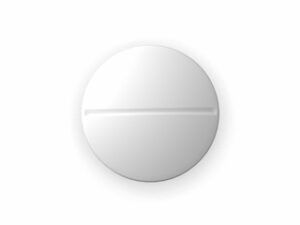
Flavoxate HCl (Flavoxate Hydrochloride) – Patient Guide (Australia)
Flavoxate HCl is a medicine used to help relieve symptoms related to an overactive bladder and bladder spasms. It works by targeting smooth muscle activity in the urinary tract, helping to reduce discomfort such as urgency, frequent urination, and painful bladder symptoms.
This guide is designed to be easy to read and helpful for everyday decisions. It explains how Flavoxate HCl works, how it is usually taken, important safety considerations, interactions, and practical tips.
Basic product information
- Medicine name: Flavoxate Hydrochloride (Flavoxate HCl)
- Common uses: Symptomatic relief of bladder spasms and urinary frequency/urgency
- Available forms: Tablets (brands and strengths may vary by supplier)
- Brand examples: Brand names vary; ask your pharmacist or check the package label
- Who may use it: Adults for short- to medium-term symptom relief, depending on the indication
Note: Always check the exact product label you receive for strength and directions. Different brands may have different dosing instructions.
How Flavoxate HCl works (mechanism of action)
Flavoxate HCl helps reduce abnormal bladder contractions (spasms) that can contribute to:
- Urinary urgency (a sudden, hard-to-delay need to urinate)
- Frequency (needing to urinate more often than usual)
- Bladder discomfort or cramping
The medicine acts primarily on the smooth muscle lining of the bladder. By relaxing or calming this muscle activity, it can decrease spasm-related symptoms and improve comfort.
Pharmacokinetics (how the body handles the medicine)
Pharmacokinetics describes how the body absorbs, distributes, metabolises, and eliminates a medicine. While exact details can vary by formulation and individual factors, general patterns for flavoxate-type medicines include:
- Absorption: Taken by mouth; absorbed through the gastrointestinal tract.
- Distribution: The medicine circulates in the body and exerts effects in the urinary tract.
- Metabolism: Metabolised mainly in the body (commonly involving liver pathways).
- Excretion: Metabolites are eliminated largely via the kidneys (urine).
Because elimination is related to kidney function, people with significant kidney impairment may need extra caution and a tailored approach from a clinician.
Typical uses and indications
Flavoxate HCl is used to relieve symptoms caused by bladder spasm and related functional urinary complaints. It may be considered when the main problem is spasm-related discomfort rather than infection.
Common indications include:
- Bladder spasms
- Urinary frequency and urgency associated with overactive bladder symptoms
- Symptomatic relief of painful bladder discomfort (where appropriate)
Important: Flavoxate HCl is not an antibiotic. If you suspect a urinary tract infection (UTI)— for example, burning on urination, fever, flank pain, or foul-smelling urine—seek medical advice promptly. Some infections require antibiotic treatment.
Timing: when to take Flavoxate HCl
The right timing depends on the dosing schedule on your specific product label. Follow the instructions provided with your medicine.
- Consistency: Take it at the same times each day for the best symptom control.
- Onset of relief: Some people notice improvement within the first day, while others may require several days of regular use to assess effectiveness.
- Missed dose: If you miss a dose, take it when you remember unless it is close to your next dose. Do not double up.
Dosing (general guidance)
Dosing varies by age, symptoms, and the product strength/brand. Always confirm the exact dose with the label or pharmacist.
Common adult dosing patterns may include:
- Typical schedule: Often taken multiple times daily (e.g., two to three times daily), depending on the product.
- Maximum daily dose: Do not exceed the maximum amount stated on the package.
For accurate dosing: Please refer to the leaflet inside your pack. If you are unsure, ask a pharmacist before starting.
Food interactions and taking with meals
Many people can take Flavoxate HCl with or without food, but absorption and tolerability may vary. To reduce stomach upset, taking it with a small meal or after food may help some patients.
- Generally: Follow your product label for instructions.
- If you get nausea: Try taking it after food (if permitted by the label).
- Hydration: Keep well hydrated unless you have a fluid restriction advised by a doctor.
If your medicine is a tablet form, swallow whole with water. Do not crush or chew unless the product instructions allow it.
Alcohol interactions
Alcohol may worsen side effects such as dizziness or drowsiness and can make bladder symptoms feel more pronounced in some people. To stay comfortable and safe:
- Limit or avoid alcohol while taking Flavoxate HCl, especially if you feel light-headed.
- Be cautious driving or operating machinery if you experience dizziness or blurred vision.
Medicine interactions (and what to tell your clinician)
Interactions depend on your health conditions and other medicines. Provide your pharmacist with a list of all medicines and supplements you take, including:
- Medicines for overactive bladder or urinary symptoms
- Medicines that affect the nervous system (e.g., sedatives)
- Antihistamines (some can affect bladder and urinary retention)
- Other antispasmodic medicines
- Any herbal products
Because Flavoxate HCl can affect urinary tract muscle activity and may have antispasmodic properties, combining it with other bladder-related medicines could increase the risk of side effects in some individuals.
Always check before starting new medicines, particularly:
- Cold/flu medications (many contain antihistamines or decongestants)
- Sleep or anxiety medicines
- Other anticholinergic-type drugs (if prescribed)
Safety profile: who should use caution
Flavoxate HCl is generally used for urinary symptom relief, but it may not be suitable for everyone. Pay special attention to the following safety considerations.
Common side effects
- Dry mouth
- Dizziness or light-headedness
- Headache
- Stomach discomfort or mild nausea
- Blurred vision (uncommon, but important)
Serious side effects (seek urgent advice)
Contact a healthcare professional promptly or seek urgent care if you experience:
- Allergic reaction such as rash, swelling of the face/lips, or difficulty breathing
- Severe dizziness, fainting, or worsening confusion
- Urinary retention (unable to urinate), especially if you have prostate symptoms or known bladder outlet issues
People who may need extra caution
- Kidney impairment: Metabolites are eliminated via the kidneys; your clinician may advise caution or monitoring.
- Bladder outlet obstruction: If you have difficulty starting urination or known obstruction, ask a clinician first.
- Glaucoma: If you have angle-closure glaucoma or vision problems, get specific advice.
- Older adults: Increased sensitivity to side effects like dizziness may occur—start carefully and monitor.
If symptoms worsen or you develop new symptoms such as fever, back pain, blood in urine, or severe burning, do not rely on symptom relief alone—seek medical advice.
Practical use tips (to get the best results)
- Track your symptoms: Note urgency, frequency, and discomfort levels before and after starting.
- Bladder-friendly habits: Consider timed voiding (e.g., every few hours) and avoiding “just in case” urination.
- Limit bladder irritants: Some people find caffeine, carbonated drinks, and acidic foods worsen urgency.
- Hydrate regularly: Dehydration can concentrate urine and increase irritation.
- Avoid constipation: Constipation can worsen bladder symptoms—aim for fibre, water, and movement.
- Give it a fair trial: If used consistently, evaluate after a few days (or as your pharmacist advises).
Alternative options for urinary symptom relief
Depending on the cause of symptoms, different approaches may be more suitable. Options may include:
- Behavioural strategies: Bladder training, pelvic floor exercises, fluid timing, and reducing irritants.
- Other bladder antispasmodics or overactive bladder medicines: Different medicines target different pathways and may be chosen based on side effects and medical history.
- UTI treatment (if infection is present): Antibiotics are sometimes required—do not self-treat with bladder symptom relief alone if infection is suspected.
- Address underlying contributors: Diabetes, neurological conditions, constipation, and prostate enlargement can all affect urinary function.
A pharmacist can help you understand which alternatives may be appropriate based on your symptoms, duration, and risk factors.
Market and legal context for Australia
In Australia, medicines are regulated under the national medicines framework and are categorised based on therapeutic use and safety considerations. Availability depends on the product category (for example, whether it is prescription-only, pharmacist-only, or contained in another category).
Online pharmacy listings may include medicines supplied under the appropriate regulatory pathway, with checks such as patient suitability screening and product information provided at the time of purchase. Always follow the instructions supplied with your medicine.
Pharmacist support: If you are unsure about symptoms, dosing, or interactions, you can ask a pharmacist for guidance before using Flavoxate HCl.
Recent guidance and review considerations
Over time, guidance for urinary symptoms can evolve, particularly around:
- Identifying when symptoms might indicate infection rather than bladder spasm
- Checking for conditions such as urinary retention, kidney disease, and medication-induced effects
- Choosing medicines based on benefit vs side-effect risk
If symptoms persist despite treatment, or if you have recurrent symptoms, it may be advisable to reassess the diagnosis. Your healthcare professional may recommend urine testing or other investigations if appropriate.
Delivery and availability (Australia)
Availability can vary by brand and pack size. Many online pharmacies offer delivery across Australia, with delivery times depending on the location and stock status.
- Order processing: Orders may require verification or suitability screening.
- Delivery options: Standard and express shipping may be available.
- Storage: Store tablets at room temperature as directed on the label.
For the most up-to-date information on stock, shipping, and compatible pack sizes, check the product page on the online pharmacy.
Quick reference table
| Topic | What to know |
|---|---|
| Medicine | Flavoxate hydrochloride (Flavoxate HCl) |
| Helps with | Bladder spasm symptoms such as urgency, frequency, and bladder discomfort |
| How it works | Calms smooth muscle activity in the urinary tract |
| Typical timing | Follow the pack directions (often multiple daily doses) |
| Food | Usually take as directed; taking after food may improve comfort if the stomach feels unsettled |
| Alcohol | May worsen dizziness or side effects; limit or avoid |
| Key safety watch-outs | Stop and seek advice for allergic reactions, severe dizziness, or urinary retention |
FAQ: Flavoxate HCl
1) What is Flavoxate HCl used for?
Flavoxate HCl is used to help relieve symptoms associated with bladder spasms and functional urinary complaints, such as urgency and frequency. It is intended for symptom relief and is not an antibiotic.
2) How long does it take to work?
Some people notice symptom improvement early, but it may take a few days of consistent use to judge effectiveness. If you do not feel any improvement or symptoms worsen, contact a pharmacist or clinician for advice.
3) Can I take Flavoxate HCl with food?
Follow the product label. Many people can take it with or without food; if you get nausea or stomach upset, taking it after food may be more comfortable (unless your label says otherwise).
4) Are there any foods or drinks I should avoid?
While no single food is universally “forbidden,” bladder irritants such as caffeine and carbonated drinks can make symptoms worse for some people. Hydration and avoiding constipation can also help.
5) Can I drink alcohol while using Flavoxate HCl?
It’s best to limit or avoid alcohol. Alcohol may increase dizziness and can worsen how urinary symptoms feel in some people. If you choose to drink, monitor how you feel and avoid driving if you feel unwell.
6) What if I miss a dose?
Take it when you remember unless it’s close to the next dose. Do not take a double dose to make up for a missed one.
7) What side effects are common?
Common side effects can include dry mouth, dizziness, headache, or mild stomach discomfort. If side effects are bothersome, seek advice from your pharmacist.
8) When should I seek medical help urgently?
Seek urgent help for signs of an allergic reaction (swelling, rash, breathing difficulty), severe dizziness/fainting, or urinary retention (unable to urinate).
9) Can Flavoxate HCl be used for a suspected UTI?
Flavoxate HCl treats bladder spasm symptoms, not the infection itself. If you suspect a UTI—especially with fever, back pain, or painful burning—seek medical advice rather than relying only on symptom relief.
10) What alternative treatments might help?
Alternatives depend on the cause. Options may include bladder training, pelvic floor exercises, reducing irritants, other bladder medications, or treating an underlying condition such as infection or constipation.
Important final reminders
- Use the product label directions for your exact brand and strength.
- Do not ignore red-flag symptoms such as fever, blood in urine, severe pain, or inability to urinate.
- Ask a pharmacist if you have other medicines, kidney issues, prostate problems, or ongoing symptoms.
If you’d like, share your age range and the urinary symptoms you’re experiencing (e.g., urgency, frequency, pain, fever), and we can help you identify questions to ask your pharmacist and what non-medication steps may be useful.