
Detrol LA (Tolterodine) – Patient Information (Australia)
Detrol LA is a medicine used to treat overactive bladder symptoms such as urgent urination and urinary frequency. It contains tolterodine and is designed as a long-acting (LA) formulation to help control bladder muscle overactivity over the day.
This guide is written for patients and carers. It explains how Detrol LA works, how it’s typically used, what to expect, key safety considerations, and practical tips to help you get the best results.
Quick Facts
- Active ingredient: Tolterodine
- Brand example: Detrol LA
- Formulation: Long-acting tablet (usually taken once daily)
- Helps with: Urgency, frequency, and urge incontinence in overactive bladder
- Common side effects: Dry mouth, constipation, blurred vision, headache
- Important safety notes: Can cause anticholinergic effects; use caution in certain conditions
What is Overactive Bladder?
Overactive bladder (OAB) is a common condition where the bladder muscle (detrusor) contracts too easily, causing symptoms such as:
- Urgency: A sudden, difficult-to-delay need to urinate
- Frequency: Needing to urinate more often than usual
- Urge incontinence: Leakage on the way to the toilet (not always present)
These symptoms can affect daily activities, sleep, travel, and confidence. Medicines like Detrol LA aim to reduce bladder contractions and improve bladder control.
How Detrol LA Works (Mechanism of Action)
Tolterodine is an antimuscarinic (anticholinergic) medicine. It blocks muscarinic receptors (mainly in the bladder). By reducing receptor activity, it helps:
- Decrease involuntary bladder contractions
- Increase bladder filling capacity
- Reduce urgency and urinary frequency
The result is usually fewer episodes of sudden urgency and fewer trips to the toilet. Some people also experience reduced leakage.
Typical Use and Indications
Detrol LA is used for the treatment of overactive bladder symptoms, including:
- Urinary urgency
- Urge urinary frequency
- Urge incontinence (as part of OAB)
It is generally used when symptoms affect quality of life and non-drug measures (like bladder training and reducing trigger fluids) may not be sufficient alone.
Dosing – What is the Usual Schedule?
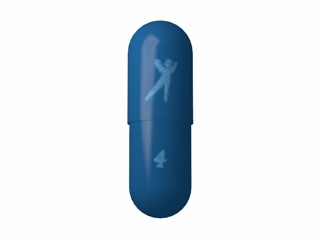
Detrol LA is a once-daily long-acting tablet. Exact strength and dose should follow the product label and the prescribing instructions provided with your medicine.
Common dosing patterns (adults)
- Typical starting dose: often 4 mg once daily (long-acting)
- Some patients may require dose adjustments based on age, kidney function, liver function, or tolerability
Missed dose: If you miss a dose, take it when you remember unless it is close to your next dose. Do not take two doses together to make up for a missed tablet.
Swallowing: Swallow the tablet whole with water. Do not crush or chew, as this may affect the long-acting release.
When Will I Feel Better? (Timing and Expectations)
Many people begin to notice improvement within a few days, but the full effect may take longer. Typical timelines include:
- Early changes: sometimes within 1–2 weeks
- More complete control: often after several weeks
If you’re not seeing any improvement after an appropriate trial period, your doctor/pharmacist may review the diagnosis, fluid patterns, adherence, and suitability of the medicine.
How to Take Detrol LA
- Once daily, same time each day to help maintain steady blood levels.
- Swallow whole with water.
- Continue bladder strategies (timed toileting, bladder training) alongside medication.
- Track symptoms (urgency, frequency, leakage episodes) for a few days before and after starting.
Food Interactions
Tolterodine LA can be taken with or without food for many patients. However, individual absorption and tolerability may vary.
Practical approach:
- If you experience stomach upset, try taking it with food.
- Maintain consistent timing relative to meals to help predict effects.
Grapefruit and similar products: While not the main interaction for tolterodine, it can be helpful to avoid large changes in certain fruit products if you notice altered effects. Discuss with a pharmacist if you have concerns.
Alcohol and Medicine Interactions
Alcohol may worsen some anticholinergic side effects such as dizziness or blurred vision, and may also increase urinary symptoms in some people (for example, by acting as a bladder irritant).
- General advice: Limit alcohol and monitor how your bladder responds.
- Extra caution: Avoid driving or operating machinery if you feel drowsy, dizzy, or have blurred vision.
Other medicines that may interact
Tolterodine is metabolised mainly via liver enzymes (notably CYP2D6 and related pathways). Some medicines can affect tolterodine levels, increasing side effects or reducing benefit.
Discuss with a pharmacist if you take any of the following types:
- Other antimuscarinic/anticholinergic medicines (additive effects: dry mouth, constipation, blurred vision)
- Certain antidepressants or antipsychotics
- Some antifungal or antibiotic medicines that affect drug metabolism
- Medicines for heart rhythm or other drugs that may affect QT interval risk
- Medication used for Parkinson’s disease (there may be opposing effects depending on the drug)
This is not a complete list. Always share your full medication list (including over-the-counter products) with your pharmacist.
Pharmacokinetics (Absorption, Distribution, Metabolism, Excretion)
Pharmacokinetics describes how the body absorbs, processes, and eliminates medicine. While exact values can vary between individuals, the key points for Detrol LA and tolterodine include:
| Step | What typically happens with tolterodine LA |
|---|---|
| Absorption | The LA formulation is designed to release tolterodine gradually, supporting a sustained effect over 24 hours. Absorption may vary with individual physiology and meal patterns. |
| Distribution | Tolterodine distributes throughout body tissues. It is bound to plasma proteins to a clinically relevant extent. |
| Metabolism | Tolterodine is metabolised in the liver, involving enzymes such as CYP2D6. Some patients metabolise drugs more quickly or slowly, which can influence effects and side effects. |
| Elimination | Metabolites are eliminated primarily through the kidneys and via bile/fecal routes depending on metabolism. Kidney or liver impairment can increase exposure and may require dose adjustment. |
| Half-life & steady effect | Long-acting delivery helps maintain therapeutic concentrations throughout the day. Full steady-state effects typically develop after repeated daily dosing. |
If you have kidney disease, liver impairment, or you are older, ask your pharmacist about whether you need a lower dose and closer monitoring.
Safety Profile – Common and Serious Side Effects
Detrol LA is generally well tolerated, but because it is antimuscarinic, it can produce “drying” and “slowing” effects on the body. Side effects are often dose-related.
Common side effects
- Dry mouth
- Constipation
- Blurred vision
- Headache
- Reduced sweating (may increase heat intolerance)
- Dry eyes or throat irritation
Less common but important side effects
- Dizziness
- Nausea
- Urinary retention (difficulty emptying the bladder)
Seek urgent medical help if you experience
- Severe allergic reaction (swelling of face/lips, trouble breathing, severe rash)
- Symptoms of severe urinary retention (inability to pass urine with painful bladder)
- Marked confusion or severe worsening of cognition (particularly in vulnerable older adults)
- Uncontrolled fast or irregular heartbeat or fainting
Practical Tips for Better Tolerability
Manage dry mouth
- Sip water regularly; keep a water bottle nearby.
- Use sugar-free gum or lozenges to stimulate saliva.
- Avoid alcohol-based mouthwashes if they worsen dryness.
Prevent constipation
- Increase dietary fibre (fruit, vegetables, whole grains).
- Stay well hydrated.
- Consider a stool softener or gentle laxative if recommended by a pharmacist, especially if constipation is persistent.
Vision and driving precautions
- If you get blurred vision, avoid driving or machinery until it settles.
- Be extra careful in low-light conditions during the first days of treatment.
Heat and exercise
- Because antimuscarinic medicines can reduce sweating, take extra care in hot weather and during vigorous activity.
- Use cooling strategies (shade, fans, cool water) and rest if you feel overheated.
When Detrol LA May Not Be Suitable (Key Safety Considerations)
You should talk to a pharmacist or clinician before using Detrol LA if you have any of the following:
- Urinary retention or conditions causing difficulty passing urine (e.g., significant bladder outlet obstruction)
- Gastrointestinal obstruction or severe constipation
- Uncontrolled glaucoma (especially narrow-angle glaucoma)
- Myasthenia gravis (can be worsened by anticholinergic effects)
- Severe ulcerative colitis or toxic megacolon (risk with anticholinergics)
- Significant liver or kidney impairment (may require dose adjustment and monitoring)
Also consider whether you take other medicines with anticholinergic effects. Adding multiple sources may increase dryness, constipation, confusion, and urinary retention risk.
Dose Adjustments and Special Populations
- Older adults: may be more sensitive to anticholinergic side effects, especially confusion or constipation.
- Renal impairment: reduced kidney function can increase tolterodine exposure; a lower dose may be needed.
- Hepatic impairment: liver impairment can also increase exposure; dosing may require adjustment.
- Known CYP2D6 variability: some individuals are “poor metabolisers” and may experience stronger effects at standard doses.
Alternative Options for Overactive Bladder
If Detrol LA is not suitable or symptoms persist, there are other evidence-based options. Your pharmacist can help compare choices based on your symptoms and medical history.
Non-medicine options
- Bladder training and timed voiding
- Pelvic floor exercises (often with guidance)
- Fluid management (reducing bladder irritants like caffeine and adjusting timing)
- Weight management if relevant
Other medicine classes
- Beta-3 adrenergic agonists (e.g., mirabegron) – may have different side effect profiles than antimuscarinics
- Other antimuscarinics – alternative agents may suit some patients better
Procedural options
- OnabotulinumtoxinA (botulinum toxin) injections for selected patients
- Nerve stimulation therapies in certain cases
The best option depends on your symptom pattern, side effects, other medical conditions, and medication interactions.
Market and Legal Context in Australia
In Australia, medicines are regulated through the Therapeutic Goods Administration (TGA). Overactive bladder treatments such as tolterodine are commonly available through pharmacy channels and are supplied according to Australian scheduling and prescribing requirements.
Online pharmacies may provide medicines only where permitted by Australian law and supply rules, including appropriate patient eligibility checks and documentation. Always follow the instructions provided with your medicine and seek advice if you’re unsure.
Important: Drug availability and product presentations can change over time. If you need a specific strength or brand, check with the pharmacy regarding stock and substitutes.
Recent Guidance and Ongoing Safety Awareness (General)
Antimuscarinic medicines used for bladder symptoms are regularly reviewed as part of routine safety monitoring. Australia-wide, clinicians also consider the overall anticholinergic burden, particularly in older adults, due to risks such as constipation, urinary retention, blurred vision, and possible effects on cognition.
- Follow the lowest effective dose for symptom control.
- Review side effects early; do not “push through” severe dryness or constipation.
- Reassess ongoing need periodically if symptoms improve or if side effects become troublesome.
If you have concerns about memory, falls, severe constipation, or difficulty urinating, speak with your pharmacist promptly.
Delivery and Availability (Online Pharmacy)
Availability can vary by supplier and strength. Many online pharmacies offer delivery across Australia, with options such as standard and express shipping depending on location.
- Check stock status: Some products may be temporarily unavailable.
- Packaging: Medicines are typically shipped in original packaging for safety and identification.
- Cold-chain: Detrol LA tablets generally do not require cold storage.
If you require a substitute due to stock changes, the pharmacy should provide an equivalent option consistent with Australian supply rules and your needs.
Storage
- Store at room temperature away from direct sunlight.
- Keep out of reach of children.
- Do not use after the expiry date printed on the pack.
FAQ – Detrol LA (Tolterodine)
1) What is Detrol LA used for?
Detrol LA is used to manage symptoms of overactive bladder, including urinary urgency and frequency. It may also help reduce urge incontinence episodes.
2) How long does it take to work?
Some improvement can occur within days, but a clearer benefit often takes a few weeks. If you’re not noticing improvement, check adherence and discuss options with your pharmacist.
3) Can I take Detrol LA with food?
It is generally possible to take it with or without food. If it upsets your stomach, taking with food may help. Keep your routine consistent.
4) What are the most common side effects?
Common side effects include dry mouth, constipation, blurred vision, and headache. These are related to the antimuscarinic action of tolterodine.
5) Will Detrol LA affect my ability to drive?
Some people experience blurred vision or dizziness. If this occurs, avoid driving and seek advice. Be cautious especially during the first days.
6) Can I drink alcohol while taking Detrol LA?
Alcohol may worsen dizziness, blurred vision, and bladder symptoms in some people. Limit alcohol and monitor your response. If you feel unwell, do not drive.
7) What should I do if I get constipation?
Increase fluids and dietary fibre, stay active, and consider a suitable bowel management option discussed with your pharmacist—particularly if constipation persists.
8) What if I can’t urinate properly?
Difficulty passing urine can be a sign of urinary retention. Stop and seek urgent medical advice if you cannot pass urine or experience severe lower abdominal pain.
9) Are there medicine interactions I should know about?
Yes. Medicines with anticholinergic effects can add to side effects. Some drugs that affect liver metabolism may change tolterodine levels. Tell your pharmacist about all medicines and supplements you use.
10) Is Detrol LA safe for everyone?
Not necessarily. It may not be suitable for people with certain conditions such as untreated narrow-angle glaucoma, urinary retention, or certain gastrointestinal problems. Your pharmacist can help check suitability.
Need more help? If you have questions about how Detrol LA fits your situation—such as side effects, timing, or interacting medicines—speak with a pharmacist. They can also advise on bladder training strategies and supportive measures to improve comfort and effectiveness.