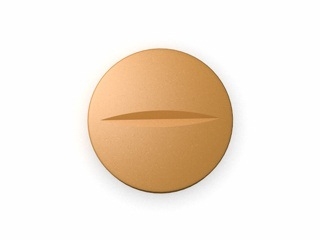


Azulfidine (Sulfasalazine) – Patient Information (Australia)
Azulfidine is a medicine containing sulfasalazine, used mainly to treat inflammatory conditions such as rheumatoid arthritis and ulcerative colitis. It works by reducing inflammation and regulating the immune response.
This page is designed to help you understand how Azulfidine works, how it’s typically taken, key safety information, and practical tips for daily use. If you have questions about your specific treatment, speak with your healthcare professional.
Basic product information
- Medicine name: Azulfidine
- Active ingredient: Sulfasalazine
- Class: Anti-inflammatory and immunomodulating medicine (DMARD category for some conditions; also used for bowel inflammation)
- Common forms: Tablets (products may vary by formulation; follow the exact instructions on your pack)
- Also known as: Sulfasalazine (generic name)
Important: Always use the strength and formulation prescribed for you (for example, standard vs extended-release, where applicable) and follow the dosing schedule on your label.
How Azulfidine works (mechanism of action)
Sulfasalazine is a pro-drug—it’s converted in the gut to active components that help reduce inflammation.
After oral dosing:
- It reaches the colon largely unchanged.
- Bacteria in the colon split it into two components:
- Sulfapyridine
- 5-aminosalicylic acid (5-ASA/mesalamine-like effect)
- These components contribute to:
- Anti-inflammatory effects in the gut (particularly relevant to ulcerative colitis)
- Immunomodulation (relevant to rheumatoid arthritis and some other inflammatory conditions)
Although the exact pathways are complex, sulfasalazine can influence inflammatory signals and reduce the activity of immune cells involved in chronic inflammation.
Pharmacokinetics (how your body handles it)
Understanding timing and how the medicine behaves in the body can help explain why effects may take time.
- Absorption: Sulfasalazine is absorbed in the gastrointestinal tract, but a significant portion reaches the colon where bacterial metabolism occurs.
- Distribution: It circulates and partially binds to plasma proteins.
- Metabolism: Colonic bacteria break it into active metabolites (notably sulfapyridine and 5-ASA-related components).
- Elimination: Metabolites are eliminated mainly via the kidneys and, to a lesser extent, through other pathways.
- Onset of benefit: In chronic inflammatory diseases, improvement may take weeks, not days.
Practical note: Because sulfasalazine’s effect depends on gut conversion and immune modulation, it may take several weeks to notice full benefit, especially for rheumatoid arthritis.
Typical uses in Australia
Azulfidine (sulfasalazine) is commonly used for:
- Ulcerative colitis (to induce and maintain remission, depending on severity and treatment plan)
- Rheumatoid arthritis (as a disease-modifying anti-rheumatic drug, DMARD)
- Other inflammatory bowel conditions and selected rheumatologic conditions may be treated in specific clinical situations based on the prescriber’s assessment and local guidance.
Indications vary by patient: Your healthcare professional will determine whether sulfasalazine is appropriate for your diagnosis, severity, and prior treatments.
Timing and how to take Azulfidine
The correct schedule depends on your condition and prescribed regimen. Many regimens start with a lower dose and increase gradually to reduce side effects.
General timing guidance
- Consistency matters: Take it at the same times each day.
- Once or twice daily: Many patients take sulfasalazine in divided doses. Follow your label.
- Gradual dose escalation: Especially for ulcerative colitis or rheumatoid arthritis, your clinician may increase the dose over days to weeks.
If you miss a dose
- Take it as soon as you remember if it is not close to the next dose.
- If it’s near your next scheduled dose, skip the missed dose and continue as normal.
- Do not take a double dose to make up for missed tablets.
Food interactions and taking with meals
Sulfasalazine is often better tolerated when taken with food.
- Taking with meals: Many patients find it reduces stomach upset.
- Hydration: Maintain adequate fluids, particularly if you experience nausea.
- Watch your stomach: If you have significant nausea, vomiting, or abdominal discomfort, speak to your healthcare team—your dose may need adjustment.
Food absorption note: Food can affect gastrointestinal tolerance and may help with side effects rather than dramatically changing drug levels for all patients. Follow your clinician’s advice and your product label.
Alcohol and medicine interactions
There is no single “safe amount” of alcohol that applies to everyone, because risk depends on your health, liver function, and other medications.
- General approach: If you choose to drink alcohol, keep it modest and discuss your plan with your healthcare professional.
- Liver safety: Sulfasalazine can rarely affect the liver. Alcohol may increase the burden on the liver.
- Other medicines: Some medicines commonly used alongside sulfasalazine (e.g., methotrexate for rheumatoid arthritis) have their own alcohol and liver considerations.
Seek advice urgently if you develop symptoms that could indicate liver problems (for example, yellowing of the skin/eyes, dark urine, severe fatigue, or right-upper abdominal pain).
Medicine interactions (including common categories)
Sulfasalazine can interact with other medicines. Always share a list of all your medicines with your healthcare professional and pharmacist, including over-the-counter products and supplements.
Common interaction themes
- Folate effects: Sulfasalazine can reduce folate absorption/use in some patients. Your clinician may recommend folic acid supplementation, particularly for people with rheumatoid arthritis or those at risk of folate deficiency.
- Warfarin: Reports of altered anticoagulation effect exist with some anti-inflammatory medicines. Close monitoring may be required if you’re on warfarin.
- Azathioprine/6-mercaptopurine: There can be interaction considerations due to blood count effects.
- Other immunosuppressants: Combined immunosuppression can increase infection risk, requiring careful monitoring.
- Kidney function–related medicines: Because sulfasalazine and metabolites are eliminated largely via the kidneys, caution is needed with medicines that affect kidney function.
Tip: If you start any new medicine—especially antibiotics, anticoagulants, or immune-modifying therapies—ask your pharmacist whether there are interaction concerns with sulfasalazine.
Dosing (typical regimens)
Dosing is individual. The information below describes common patterns used in clinical practice; your exact dose and schedule should follow your label and clinician instructions.
General approach
- Start low, increase gradually to improve tolerability.
- Split dosing may be used to reduce stomach upset.
- Maintenance dosing is often lower than the initial escalation dose.
Typical adult dosing examples (for clinician reference)
| Condition | Typical dosing approach | Notes |
|---|---|---|
| Ulcerative colitis | Often started with a lower dose, then increased to achieve control | Many regimens require careful monitoring and assessment of response |
| Rheumatoid arthritis | Gradual dose escalation toward a maintenance dose | Full benefits can take several weeks |
| Selected inflammatory conditions | Regimen varies depending on diagnosis and local protocols | Follow your prescribing plan |
Do not change dose without medical advice. If side effects occur, your healthcare professional may adjust your schedule or temporarily reduce the dose.
Safety profile and side effects
Like all medicines, Azulfidine can cause side effects. Many are mild and improve as your body adapts, but some require urgent medical attention.
Common side effects
- Nausea and gastrointestinal upset
- Reduced appetite
- Headache
- Heartburn or abdominal discomfort
- Rash (mild skin reactions can occur)
- Orange-yellow urine (may occur; usually not harmful)
Less common but important risks
- Blood count changes (such as low white blood cells or platelets)
- Liver effects (rare but important)
- Kidney effects (rare; more likely with existing kidney impairment)
- Hypersensitivity reactions
- Infection risk (particularly in the setting of reduced blood counts or combined immunosuppressive therapies)
- Severe skin reactions (rare, but urgent)
Seek urgent medical help if you develop
- Signs of an allergic reaction (swelling of face/lips, trouble breathing, widespread hives)
- Severe rash or blistering skin
- Unusual bruising or bleeding
- Severe sore throat, fever, or signs of infection
- Jaundice (yellow skin/eyes), dark urine, or significant fatigue
- Persistent severe vomiting or inability to keep fluids down
Monitoring and blood tests
Regular monitoring is commonly recommended because sulfasalazine can affect blood counts and liver/kidney function.
- Your healthcare professional may order full blood count (FBC)
- Liver function tests may be monitored
- Kidney function may also be monitored
Follow-up schedule varies based on your condition, dose, and overall health. Don’t skip these tests, even if you feel well.
Practical use tips (for everyday life)
- Take with food if you get stomach upset.
- Use a medication organiser (pill box) to avoid missed doses.
- Track your symptoms: note bowel symptoms, joint pain/swelling, and any side effects.
- Stay hydrated—especially during flare-ups or if you experience GI side effects.
- Report early: if you develop rash, fever, sore throat, bruising, or yellowing of the skin/eyes, contact your healthcare provider promptly.
- Be mindful of sun sensitivity: if you notice increased skin reactions, protect your skin from strong sunlight.
- Pregnancy planning: If you are pregnant or planning pregnancy, discuss risks and benefits with your clinician. Don’t stop suddenly without guidance.
Alternative options
Your best alternative depends on what condition you’re treating and your medical history. If sulfasalazine isn’t suitable or you can’t tolerate it, clinicians may consider other medicines.
For ulcerative colitis
- 5-aminosalicylic acid (5-ASA/mesalamine) preparations
- Corticosteroids for short-term control in some situations
- Immunomodulators (selected patients)
- Biologic therapies or other targeted treatments (when appropriate)
For rheumatoid arthritis and related conditions
- Methotrexate
- Other conventional DMARDs (e.g., leflunomide, hydroxychloroquine—depending on the case)
- Biologic or targeted DMARDs when conventional therapy is insufficient
Important: Switching medicines should be done with a healthcare professional, especially when balancing benefits against immune effects and side effects.
Market and legal context for Australia
In Australia, medicines are regulated through national standards and require appropriate supply pathways. Sulfasalazine products such as Azulfidine are distributed through authorised channels and may be available as brands and generics.
- Regulation: Medicines are regulated by the Therapeutic Goods Administration (TGA).
- Pharmacy supply: Availability may vary by formulation and patient circumstances.
- Safety requirements: Because sulfasalazine can cause blood and organ effects, appropriate monitoring and patient counselling are commonly required.
Always check your local product packaging for the active ingredient, strength, and specific instructions for use.
Recent guidance and clinical considerations (high-level)
Clinical practice for inflammatory bowel disease and rheumatoid arthritis evolves over time. While individual treatment plans differ, common themes in recent guidance and safety practices include:
- Monitoring remains essential for early detection of blood count, liver, and kidney changes.
- Dose escalation is often used to improve tolerability.
- Folate supplementation may be considered for people at risk of folate deficiency or receiving long-term therapy.
- Infection vigilance is important, especially if blood counts drop or if you take other immune-modifying medicines.
- Individual benefit–risk assessment is emphasised when selecting therapy for long-term inflammatory conditions.
Your healthcare professional may also consider vaccination status and overall health when prescribing immunomodulating medicines.
Delivery and availability (online pharmacy information)
Availability of Azulfidine (sulfasalazine) can vary depending on brand stock, generic supply, and local demand. Online pharmacies in Australia typically aim to provide:
- Clear product details (brand/generic name, active ingredient, strength, pack size)
- Estimated delivery times at checkout
- Secure packaging for tablets to protect from moisture and damage
- Tracking updates where available
Storage: Follow the storage instructions on your pack (typically a cool, dry place away from direct sunlight). Keep out of reach of children.
FAQ – Azulfidine (Sulfasalazine)
1) How long does it take to work?
For many people, early improvement may occur within weeks, but full benefit—especially for conditions like rheumatoid arthritis—may take several weeks. Ulcerative colitis responses can vary depending on severity and whether it’s being used for induction or maintenance.
2) Can I take Azulfidine with food?
Yes. Many people tolerate sulfasalazine better when taken with meals. Follow your label and consider taking it with food if you experience nausea.
3) Will my urine change colour?
Some people notice orange-yellow urine. This can be harmless, but if you feel unwell or have other concerning symptoms, contact your healthcare professional.
4) What monitoring will I need?
Your clinician may periodically check blood counts and liver/kidney function. The exact schedule depends on your dose, treatment duration, and personal risk factors.
5) What should I do if I get a rash?
Mild rash can occur, but any new rash should be assessed. Seek urgent care if you develop severe rash, blistering, facial swelling, trouble breathing, or widespread symptoms.
6) Can I drink alcohol while taking Azulfidine?
Moderation is advised. Because sulfasalazine can rarely affect the liver and you may have other medicines, it’s best to discuss alcohol with your healthcare professional—especially if you drink regularly or have liver issues.
7) Are there important drug interactions?
Yes. Interactions may involve anticoagulants (e.g., warfarin), folate status, and other immune-modifying medicines. Always share your medication list with your pharmacist before starting new medicines.
8) What if I miss a dose?
Take it when you remember if it’s not close to the next dose. Otherwise, skip and continue your normal schedule. Don’t double up.
9) Is sulfasalazine safe for everyone?
Not necessarily. People with certain allergies or significant liver/kidney problems may not be suitable. Your clinician will assess your personal risk factors before and during treatment.
10) What are the signs that I should contact my doctor urgently?
Contact your healthcare provider urgently or seek emergency care if you develop severe infection symptoms (fever, sore throat), unusual bruising/bleeding, jaundice, severe rash, or signs of allergy.
Key takeaways
- Azulfidine (sulfasalazine) helps reduce inflammation for selected conditions including ulcerative colitis and rheumatoid arthritis.
- Effects may take weeks, so don’t judge by day-to-day changes alone.
- Take with food if needed to reduce stomach upset and keep a consistent schedule.
- Regular blood tests and monitoring are important for safety.
- Know the warning signs—especially allergic reactions, serious rash, infection symptoms, and liver-related symptoms.
Disclaimer: This information is for general education and does not replace advice from your healthcare professional. If you have concerns about symptoms, side effects, or interactions, seek medical advice promptly.