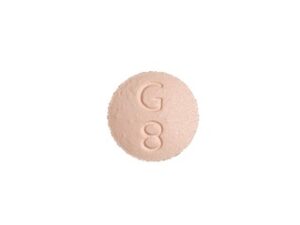


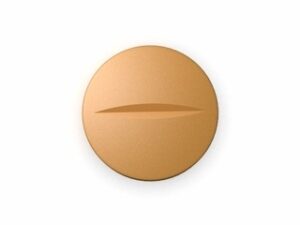
Alfacip (Alfacalcidol) — Patient Information (Australia)
Alfacip contains alfacalcidol, a medicine used to help correct problems related to vitamin D metabolism and to support healthy calcium and bone function. It is commonly prescribed for certain bone and kidney-related conditions where active vitamin D is required.
This information is designed to be patient-friendly and practical. It does not replace advice from your clinician or pharmacist. Always follow the dosing instructions provided with your medicine.
Key product information
| Item | Details |
|---|---|
| Medicine name | Alfacip |
| Active ingredient | Alfacalcidol |
| Medicine type | Vitamin D analogue (active vitamin D precursor) |
| Main action | Helps increase calcium and phosphate availability and supports bone mineralisation |
| Common dosing frequency | Often once daily or as directed (some regimens may be intermittent) |
| Typical monitoring | Blood calcium, phosphate, and vitamin D-related markers (as advised) |
How Alfacip works (mechanism of action)
Alfacalcidol is a vitamin D analogue that is converted in the body to its active form, helping your body utilise vitamin D effectively.
- Conversion to active vitamin D: After ingestion, alfacalcidol is converted in the liver into 1,25-dihydroxyvitamin D (the active form of vitamin D).
- Increased calcium absorption: The active form supports absorption of calcium from the gut.
- Improved bone mineralisation: By increasing available calcium (and influencing phosphate), it helps maintain or improve bone strength.
- Effects on parathyroid hormone (PTH): In many vitamin D–responsive conditions, raising functional vitamin D levels can help reduce overactivity of the parathyroid glands, lowering excess PTH over time.
Why this matters: In some conditions—especially chronic kidney disease—your body may not convert vitamin D into its active form efficiently. Alfacalcidol is designed to bypass part of that conversion pathway.
Pharmacokinetics (how the body processes it)
Pharmacokinetics describes what the body does with a medicine (absorption, conversion, distribution, and elimination).
- Absorption: Alfacalcidol is absorbed from the gastrointestinal tract after oral administration.
- Activation: It is metabolised in the liver to the active vitamin D metabolite.
- Onset: Effects on calcium and bone-related pathways can develop over days; treatment is often adjusted based on blood tests.
- Distribution: Vitamin D metabolites distribute throughout body tissues and are associated with vitamin D binding proteins.
- Elimination: Metabolites are cleared primarily via metabolic pathways and excretion mechanisms typical of vitamin D compounds.
Practical takeaway: Because dosing may be fine-tuned based on lab results, it’s important not to change your dose without professional advice.
Typical uses (indications)
Alfacip is used for conditions where supplementation with active vitamin D or support of vitamin D function is needed, including:
- Secondary hyperparathyroidism related to chronic kidney disease (CKD), particularly when active vitamin D is indicated.
- Osteodystrophy (bone changes) associated with renal failure or other disorders affecting bone metabolism.
- Vitamin D metabolism disorders where alfacalcidol is appropriate.
- Hypocalcaemia due to insufficient vitamin D activation or related causes, when guided by clinical assessment and blood tests.
Your clinician may also choose Alfacip based on your individual calcium, phosphate, and PTH levels.
Dosing and timing
Dosing varies depending on the condition being treated, baseline blood levels, and response to therapy. Your medicine label and clinician instructions should guide you.
General approach to dosing
- Start low, monitor, and adjust: Many patients require dose titration to balance benefit with the risk of high calcium levels.
- Regular blood tests: Calcium (and often phosphate and PTH) may be checked at intervals to determine if dose adjustments are needed.
- Long-term use: Some patients require ongoing therapy, especially with chronic kidney disease or chronic bone metabolism issues.
When to take it
- Take Alfacip at the same time each day if it’s prescribed daily.
- If your dose is intermittent (e.g., certain days of the week), follow the exact schedule provided.
- If you miss a dose, take it when you remember unless it’s close to the next scheduled dose—then skip the missed dose. Do not double up.
Tip: Use a daily reminder or pill organiser to keep your schedule consistent, particularly because dose adjustments may depend on steady blood levels.
Food interactions and what to eat
Alfacalcidol is generally taken orally and may be taken with or without food. However, patient experience and some prescribing practices may recommend consistent timing with meals.
- Consistency is key: If you usually take it with food, keep doing so. If you take it without food, avoid frequent changes.
- Calcium and phosphate intake: Your clinician may recommend dietary calcium and phosphate changes depending on your condition and blood results.
- Fibre and supplements: Supplements can affect how other medicines are absorbed. If you take calcium, magnesium, phosphate binders, or other supplements, ask your pharmacist about appropriate spacing.
Alcohol: Moderate alcohol use may not directly interact with alfacalcidol in a predictable way, but it can affect hydration, nutrition, and the liver—factors that can influence overall vitamin D metabolism and health. If you drink alcohol, keep it modest and discuss your intake with your clinician, especially if you have liver or kidney conditions.
Alcohol and medicine interactions
Because vitamin D analogues are involved in calcium balance, interactions that increase calcium levels are important.
Alcohol
- General advice: If you drink alcohol, do so in moderation and remain hydrated.
- Caution: Heavy alcohol use can impair nutrition and liver function. If you have liver disease, discuss alcohol use with your doctor.
Common medicine interactions (discuss with your pharmacist)
- Calcium supplements or high-calcium diets: May increase the risk of high calcium levels (hypercalcaemia). Your dose may need adjustment or monitoring.
- Other vitamin D products: Taking vitamin D (including other forms of active vitamin D) alongside Alfacip may increase hypercalcaemia risk unless specifically planned.
- Thiazide diuretics: These can raise calcium levels; combined use may require closer monitoring.
- Cardiac glycosides (e.g., digoxin): High calcium can increase the risk of heart rhythm problems. Extra caution and monitoring may be needed.
- Magnesium-containing medicines: In some kidney conditions, magnesium can accumulate. Discuss if you take magnesium supplements or antacids.
- Phosphate binders and calcium/phosphate balancing medicines: Often part of kidney bone disorder management; coordination is important.
- Enzyme-affecting medicines: Some medications can alter vitamin D metabolism. Tell your pharmacist about all medicines and supplements you take.
Always check: Bring a list of your medicines (including over-the-counter products and supplements) so your pharmacist can advise on spacing and interaction risk.
Safety profile and side effects
Alfacip helps manage vitamin D function, but like all medicines, it can cause side effects. The most important safety issue is too much calcium (hypercalcaemia), which can be serious if uncontrolled.
Common or expected effects
Many people tolerate Alfacip well, especially when monitored. Some may experience no side effects, particularly during stable dosing.
Important side effects to watch for
- Signs of high calcium (hypercalcaemia):
- nausea or vomiting
- constipation
- increased thirst
- frequent urination
- tiredness, weakness, confusion
- muscle aches
- Kidney-related symptoms: In some cases, high calcium can contribute to kidney problems or worsen existing kidney disease.
- Abnormal lab results: Often detected by routine blood tests before symptoms occur.
When to seek urgent help
Seek urgent medical attention if you develop symptoms suggestive of significant hypercalcaemia (e.g., severe vomiting, marked confusion, severe weakness) or if you feel unwell in a way that concerns you.
Who should be extra cautious
- People with kidney disease or reduced kidney function
- People with a history of kidney stones
- Those already taking calcium supplements or other vitamin D medicines
- People taking medicines that affect heart rhythm or calcium balance (e.g., digoxin, thiazides)
Practical use tips
- Take it consistently: Keep dosing time steady to help maintain predictable blood levels.
- Don’t “double dose”: If you miss a dose, follow the missed-dose advice from your clinician/pharmacist.
- Attend blood test appointments: Routine monitoring is a key part of safe therapy.
- Keep track of supplements: Note any calcium, magnesium, phosphate, multivitamins, and other vitamin D products you take.
- Stay hydrated: Dehydration can worsen side effects and complicate kidney-related conditions.
- Report symptoms early: If you feel unusually thirsty, constipated, or weak, contact your clinician.
Alternative options
Your clinician may consider different vitamin D therapies depending on your diagnosis, kidney function, and lab results. Alternatives may include:
- Cholecalciferol (vitamin D3) or ergocalciferol (vitamin D2) — used in vitamin D deficiency or cases where normal conversion is adequate.
- Calcitriol — an active vitamin D form, sometimes preferred in certain kidney or bone disorders.
- Other vitamin D analogues — depending on local availability and clinical guidance.
- Calcium supplementation and phosphate management — may be used alongside vitamin D therapy in complex bone/mineral disorders.
Important: Do not switch between vitamin D products without professional guidance, as dosing equivalence and monitoring needs can differ.
Market and legal context in Australia
In Australia, medicines are regulated by the TGA (Therapeutic Goods Administration). Availability of Alfacip and the way it is supplied (for example, through different pharmacy channels) depends on the product’s regulatory classification and local pharmacy processes.
For online pharmacy orders, you may be asked to provide information consistent with Australian legal and safety requirements. This may include verifying that the medicine is suitable for you and/or ensuring that appropriate clinical oversight and monitoring arrangements are in place.
Always confirm: Follow the instructions supplied with your product and the guidance provided during your order or by your pharmacist.
Recent guidance and monitoring considerations
Clinical practice for bone/mineral disorders—especially in chronic kidney disease—commonly emphasises:
- Individualised dosing rather than one-size-fits-all therapy
- Regular monitoring of calcium, phosphate, PTH (and other relevant markers)
- Risk management for hypercalcaemia and related complications
- Coordination of therapy with diet, phosphate binders, and other mineral balance treatments
Guidelines and recommendations evolve. Your clinician may update your dosing schedule based on your latest blood results, symptoms, and overall kidney health.
Delivery and availability (online pharmacy)
Availability of Alfacip can vary by strength and pack size. When ordering online in Australia, most pharmacies:
- Confirm stock and expected delivery times at checkout
- Package medicines securely to protect quality during transit
- Provide tracking or delivery confirmation (where available)
- Encourage customers to check labels promptly on arrival
Delivery tip: If you have regular medication needs, consider ordering early to avoid delays between refills. If you’re travelling, plan ahead and keep medicines in their original packaging.
FAQ — Alfacip (Alfacalcidol)
1) What is Alfacip used for?
Alfacip (alfacalcidol) is used to support vitamin D function and improve calcium and phosphate balance, particularly in conditions such as certain bone disorders and secondary hyperparathyroidism related to chronic kidney disease. Your clinician tailors use based on your diagnosis and blood tests.
2) How long does it take to work?
Some effects on calcium levels may occur within days, but adjustments and steady benefit typically require ongoing treatment and monitoring. Your clinician may change your dose based on results over time.
3) Can I take Alfacip with food?
It is usually possible to take it with or without food. If your pharmacist or clinician advised a specific approach, follow that advice. The most important thing is consistent daily timing.
4) What should I do if I miss a dose?
Take the missed dose when you remember if it is not close to the next scheduled dose. If the next dose is near, skip the missed dose. Do not double up. If unsure, ask your pharmacist.
5) What blood tests are usually monitored?
Monitoring commonly includes blood calcium and may include phosphate, PTH, and other markers depending on your condition. Your clinician determines the exact plan.
6) What are the signs of too much calcium?
Possible signs include nausea, constipation, increased thirst, frequent urination, tiredness/weakness, and confusion. If you experience these, contact your clinician promptly for advice—especially if you feel significantly unwell.
7) Should I avoid calcium or vitamin D supplements?
Do not stop or start supplements without advice. Some people need extra calcium, while others may be at increased risk of high calcium. Your pharmacist can help you review your current supplements and suggest appropriate timing and safety checks.
8) Are there interactions with other medicines?
Yes. Interactions can occur with calcium supplements, other vitamin D products, thiazide diuretics, digoxin, and medicines that affect mineral balance. Always provide a full list of your medicines and supplements to your pharmacist.
9) Can I drink alcohol while taking Alfacip?
Moderate alcohol use is not usually a direct issue for everyone, but it may affect nutrition, hydration, and liver function. If you have kidney or liver disease or you drink heavily, discuss alcohol with your clinician.
10) What if I have kidney disease?
With kidney disease, monitoring is especially important because calcium and phosphate balance can be more fragile. Follow your blood test schedule and report symptoms early. Your dose may be adjusted to reduce hypercalcaemia risk.
11) Are there alternatives to Alfacip?
Depending on your diagnosis, alternatives may include cholecalciferol/ergocalciferol, calcitriol, or other vitamin D analogues. Your clinician will choose the most suitable option based on your labs and overall health.
12) How should I store Alfacip?
Store the medicine as directed on the packaging (commonly at room temperature, protect from moisture, and keep out of reach of children). If you’re unsure, check the label or ask your pharmacist.
Reminder: If you have questions about your dose, monitoring schedule, or interactions with your other medicines, speak with your pharmacist or clinician. Safe use of Alfacip depends on individual assessment and appropriate lab follow-up.