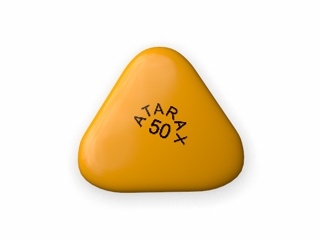
Atarax (Hydroxyzine) – Patient Information (Australia)
Atarax is a brand of hydroxyzine, an antihistamine medicine used to help relieve symptoms related to allergy and itching, and to manage anxiety and tension in some situations. Hydroxyzine works in the body by affecting certain chemical messengers involved in allergy, the nervous system, and sleep.
This guide is designed to be patient-friendly and practical. Always read the consumer medicine information (CMI) supplied with your product and follow the advice of your healthcare professional.
Quick Facts
- Active ingredient: Hydroxyzine
- Medicine class: Antihistamine (H1 blocker) with sedating effects
- Common reasons it may be used: Allergic itching, anxiety/tension, and sometimes short-term relief of symptoms that affect sleep
- Typical effects: Reduces itching/allergy symptoms; may cause drowsiness or calmness
- Key caution: Can cause sedation and impair driving/operating machinery
Basic Product Information
| Feature | Details |
|---|---|
| Brand name | Atarax |
| Generic name | Hydroxyzine |
| How it may be supplied | Tablets or other formulations depending on availability |
| Therapeutic area | Allergy/itch relief; anxiety and tension management; supportive relief of restlessness/sleep-related symptoms in some cases |
| Notable side effect | Drowsiness, dry mouth, dizziness |
| Important safety point | May rarely affect heart rhythm; higher risk with certain medicines or underlying conditions |
How Atarax (Hydroxyzine) Works (Mechanism of Action)
Hydroxyzine is an antihistamine. It blocks histamine H1 receptors, which helps reduce symptoms caused by histamine release—such as:
- Itching
- Redness
- Skin discomfort associated with allergic reactions
Beyond allergy symptoms, hydroxyzine also has effects on the central nervous system that can produce:
- Calming or relief from tension
- Sedation (sleepiness), which is why it may be helpful when symptoms interfere with rest
These calming and sedating effects happen because hydroxyzine interacts with various brain pathways involved in arousal and anxiety.
Pharmacokinetics: How the Body Handles Hydroxyzine
Pharmacokinetics describes how a medicine is absorbed, distributed, metabolised, and eliminated. While individual responses vary, the general pattern for hydroxyzine is:
- Absorption: Hydroxyzine is absorbed after taking by mouth.
- Distribution: It distributes throughout the body, including into the brain, contributing to its calming/sedating effects.
- Metabolism: Hydroxyzine is metabolised mainly in the liver into metabolites (breakdown products).
- Elimination: Metabolites are removed primarily via the kidneys. Kidney function can influence how long it lasts.
Onset and duration: Many people feel effects within a short time after taking a dose. Because it can cause sleepiness, planning the timing of doses is important.
Typical Uses (Indications)
Atarax (hydroxyzine) may be used for:
- Allergic conditions involving itching, such as urticaria (hives) or other itchy allergic skin symptoms
- Short-term relief of anxiety and tension in some settings, particularly when drowsiness is not undesirable
- Supportive relief when anxiety and sleep disturbance occur together (how it’s used depends on your clinical situation)
Usage varies by formulation, local product guidance, and individual health factors. Your healthcare professional can clarify whether hydroxyzine is appropriate for your situation.
Dosing: General Guidance for Adults
Important: Dosing should be individualised. The information below is general and may not match every product or person. Always follow the dose recommended on your medicine label or by your healthcare professional.
Adults (general patterns)
- For itching or allergy symptoms: Hydroxyzine is often taken as needed or in a structured schedule depending on the severity and type of symptoms.
- For anxiety/tension: It may be used short-term, often in the evening or at times when calming and possible sedation are desired.
Children and older adults
Dosing for children and older adults must be carefully considered due to increased sensitivity to sedating antihistamines and altered clearance in some age groups. Use only dosing specifically directed for the child’s age/weight and the prescribed guidance.
Missed dose
- If you miss a dose and it is close to the time for the next scheduled dose, skip the missed dose.
- Do not take double doses to make up for a missed dose.
Duration of use
Hydroxyzine is frequently used for short-term symptom relief. If symptoms persist, you should discuss ongoing management with a healthcare professional.
Timing: When to Take Atarax
Because hydroxyzine can cause drowsiness, timing can be crucial.
- If it makes you sleepy, consider taking it in the evening or at a time when you can rest.
- Avoid taking it right before driving, work requiring alertness, or operating machinery, until you know how you respond.
- Plan doses to avoid stacking sedative effects if you are also using other calming medicines.
Practical tip: For first-time use, try the medicine at a time when you can observe its effect safely—such as when you have no urgent tasks for several hours.
Food Interactions
Hydroxyzine can generally be taken with or without food. However, the following points are useful:
- Taking with food may reduce stomach discomfort for some people.
- Food does not typically eliminate the sedating effect, so timing matters more than food.
- If you notice increased drowsiness after meals, avoid large heavy meals when taking your dose.
If your product-specific leaflet advises otherwise, follow the instructions for your exact formulation.
Alcohol and Medicine Interactions
Alcohol
Do not combine hydroxyzine with alcohol. Alcohol and sedating antihistamines can have additive effects on the central nervous system, increasing:
- Drowsiness and impaired reaction time
- Dizziness and fall risk
- Risk of breathing problems in vulnerable individuals
Other medicines that may interact
Hydroxyzine may interact with several types of medicines, particularly those that can also affect the brain or heart rhythm.
Tell your healthcare professional or pharmacist if you take:
- Sedatives (sleeping tablets, benzodiazepines, some pain medicines like opioids)
- Other antihistamines (to avoid accidental over-sedation)
- Medicines for anxiety or depression that cause drowsiness
- Some anti-nausea medicines or medicines used for motion sickness that can cause sedation
- Medicines that affect heart rhythm or increase the risk of QT prolongation
- Medicines that affect liver enzymes involved in drug metabolism (may change hydroxyzine levels)
If you are unsure whether a medicine may interact, ask a pharmacist. It’s especially important before starting new medicines.
Safety Profile: What to Expect and What to Watch For
Like all medicines, hydroxyzine can cause side effects. Not everyone gets them, and many are mild and temporary.
Common side effects
- Drowsiness or reduced alertness
- Dizziness
- Dry mouth
- Constipation or difficulty urinating in some people
- Headache (occasionally)
Less common but important risks
- Falls, especially in older adults or those who already feel unsteady
- Confusion (more likely in older adults)
- Blurred vision or trouble focusing
- Heart rhythm changes (rare, but important—risk may be higher with certain medicines or existing heart conditions)
Seek urgent medical advice if
- You experience fainting, severe dizziness, or a very fast/irregular heartbeat
- You have trouble breathing or severe sleepiness that is unusual for you
- You develop signs of an allergic reaction such as swelling of the face/lips, rash with breathing difficulty, or severe hives
Who needs extra caution?
Discuss suitability with a healthcare professional if you have any of the following:
- Kidney or liver problems
- Heart disease or a history of abnormal heart rhythm
- Glaucoma or problems with urination (benign prostate enlargement may worsen)
- Risk of falls or are elderly/frail
- Concomitant medicines that affect sedation or heart rhythm
Practical Use Tips
- Start low (as advised): If this is your first time using hydroxyzine, consider using it at a time when you can safely rest.
- Be cautious with driving: Do not drive or operate machinery until you know how you respond.
- Avoid double antihistamines: Check cold/flu or allergy products to avoid taking multiple sedating antihistamines together.
- Hydrate and protect your mouth: Dry mouth is common—sip water and consider sugar-free gum or lozenges.
- Rise slowly: Dizziness can occur—especially if you get up quickly from sitting or lying down.
- Plan around sleep: Because it can be sedating, keep your schedule in mind before taking a dose.
- Monitor symptom changes: If itch or allergy symptoms worsen or persist, seek medical advice for an accurate diagnosis and alternative plan.
Alternative Options
Depending on what you’re treating (itch/allergy vs anxiety/restlessness), there may be other options. Your pharmacist or healthcare professional can help you choose based on symptoms, age, and medical history.
For itching and allergy symptoms
- Non-sedating antihistamines (often preferred for daytime relief in many people)
- Topical treatments such as soothing lotions, corticosteroids for specific inflammatory skin conditions (depending on diagnosis)
- Trigger management (e.g., avoiding known allergens, irritants, or certain foods if relevant)
For anxiety, tension, or sleep disturbance
- Non-medicinal strategies (sleep hygiene, relaxation techniques, counselling/support)
- Other medication options may be considered depending on your history and risk factors
If you are using hydroxyzine for anxiety/sleep, it’s especially important to review your plan with a healthcare professional if symptoms continue beyond a short period.
Atarax (Hydroxyzine) in the Australian Market: Availability and Legal Context
In Australia, access to medicines is regulated under the Therapeutic Goods Administration (TGA) framework. Hydroxyzine-containing products may be available through prescription pathways or as otherwise permitted by product category and TGA regulations at the time of supply.
Because availability can vary by product form, strength, and regulatory scheduling, your online pharmacy will display the correct product options and any eligibility requirements according to Australian rules and current product listings.
Always use medicines according to the label and professional guidance. Do not share hydroxyzine with others.
Recent Guidance and Safety Considerations
Antihistamines with sedative properties are commonly reviewed for safety, especially in relation to:
- Driving and operating machinery warnings
- Older adult sensitivity (increased risk of confusion, sedation, and falls)
- Heart rhythm risks (rare QT prolongation concerns have been highlighted for some antihistamines, particularly in higher-risk combinations or with susceptible individuals)
- Drug interaction awareness (sedatives and certain cardiovascular medicines)
If you have been advised to avoid hydroxyzine or similar medicines, follow that advice. If you have new symptoms or new medications, re-check interactions with a pharmacist.
Delivery and Availability (Online Pharmacy in Australia)
Online pharmacies in Australia typically offer convenient home delivery or pickup options depending on local regulations, courier arrangements, and product scheduling. Availability may vary by:
- Formulation (tablets vs other forms)
- Strength
- Current stock levels
Delivery tips:
- Confirm your delivery postcode and estimated timeframes at checkout.
- Ensure someone is available to receive the package if signature is required.
- Store medicines in a cool, dry place as directed on the label.
If you need help selecting an appropriate product option, a pharmacist can often assist with guidance based on your needs and safety considerations.
Frequently Asked Questions (FAQ)
1) Is Atarax (hydroxyzine) an antihistamine?
Yes. Hydroxyzine is an antihistamine that blocks H1 receptors, helping reduce allergic symptoms such as itching.
2) Will Atarax make me sleepy?
Many people feel drowsy or calmer after taking hydroxyzine. The level of sleepiness varies by individual dose, sensitivity, and other medicines (especially alcohol or sedatives). Avoid driving or operating machinery until you know how it affects you.
3) How quickly does Atarax work?
Some effects are often felt within a short time after taking a dose, but the exact timing varies. If it’s your first dose, monitor your response carefully.
4) Can I take Atarax with food?
Hydroxyzine can usually be taken with or without food. If it upsets your stomach, taking it with a meal may help.
5) Can I drink alcohol while taking Atarax?
It’s best to avoid alcohol. Alcohol can increase sedation and impair judgement and reaction time, raising the risk of accidents and side effects.
6) What are the common side effects?
Common side effects include drowsiness, dizziness, dry mouth, and constipation. If side effects are troublesome or severe, speak with a pharmacist or healthcare professional.
7) Are there any heart-related warnings?
Hydroxyzine can rarely contribute to heart rhythm changes (QT prolongation). Risk may be higher in people with existing heart conditions or those taking other medicines that affect heart rhythm. If you have heart disease or are on interacting medications, discuss safety before using.
8) Who should be extra cautious?
Extra caution is needed in older adults, people with liver or kidney impairment, those with glaucoma or urinary retention risk, and anyone taking multiple sedating or heart-related medications.
9) What if I’m taking other allergy medicines?
Avoid accidentally doubling up on antihistamines. Many “cold and flu” or allergy combination products contain antihistamines. Check ingredients and ask a pharmacist if you’re uncertain.
10) What if my symptoms don’t improve?
If itching, allergy symptoms, or anxiety/tension persist or worsen, seek medical advice. You may need a different diagnosis or treatment approach.
Summary
Atarax (hydroxyzine) is a sedating antihistamine used to help relieve allergic itching and, in some cases, anxiety or tension. Its calming and sleepiness effects can be helpful for symptom relief, but they also mean you should be cautious with driving, alcohol, and other sedating medicines. Hydroxyzine is processed by the liver and eliminated mainly through the kidneys, so people with kidney or liver issues may need extra attention.
If you have questions about interactions, side effects, or the best timing for your situation, speak with a pharmacist who can help you use hydroxyzine safely and effectively.