
Acyclovir Cream 5% (Topical)
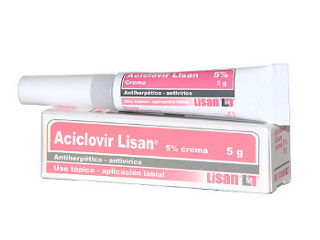
Acyclovir cream 5% is an antiviral medicine used on the skin to treat certain viral infections, particularly herpes infections such as cold sores (herpes labialis) and genital herpes lesions (where topical treatment is appropriate). It works by slowing the growth of the virus so that lesions heal faster and symptoms may improve.
This guide is written to be patient-friendly and practical for people in Australia. Always follow the directions provided with your product and consult a healthcare professional if you are unsure.
Quick Overview
| Feature | What to know |
|---|---|
| Active ingredient | Acyclovir 5% (topical cream) |
| Common uses | Cold sores and certain herpes outbreaks (as advised) |
| How it works | Antiviral action inside virus-infected cells to inhibit viral DNA replication |
| Typical application | Begin as early as possible; apply several times daily during the outbreak |
| Local effects | May cause mild stinging, burning, dryness or irritation at application site |
Basic Product Information
What is acyclovir?
Acyclovir is a well-known antiviral medicine. In cream form, it is designed for skin application so that the active drug can act directly in the affected area.
Strength: 5% cream.
Where it is used: Primarily for herpes simplex infections on the skin, commonly:
- Cold sores (herpes labialis) on the lips or around the mouth
- Genital herpes lesions (topical use may be recommended in some situations, but often oral antiviral treatment is considered depending on severity and timing)
Who should use it?
Acyclovir cream may be suitable for adults and certain children for appropriate herpes-related skin conditions. Age and suitability depend on the specific product and the condition being treated—follow package directions or professional advice.
How Acyclovir Cream Works (Mechanism of Action)
Acyclovir works by interfering with the virus’s ability to multiply.
In simple terms:
- The virus infects skin cells at the outbreak site.
- Inside infected cells, acyclovir is converted into its active form.
- The active form then inhibits an essential viral enzyme involved in copying the virus’s genetic material (viral DNA).
- As a result, viral replication slows down and the outbreak may heal sooner.
Why early treatment matters: Antiviral creams tend to work best when started soon after symptoms begin—such as tingling, itching, burning, redness, or early lesion formation.
Pharmacokinetics (What the Body Does to Acyclovir After Topical Use)
Because acyclovir cream is applied to the skin, systemic absorption is generally limited compared with oral tablets. The amount absorbed depends on factors such as the size of the treated area, whether the skin is broken (ulcerated), and how frequently it is applied.
- Absorption: Usually low through intact skin; may increase with inflamed or broken skin.
- Distribution: A small amount may enter the bloodstream and distribute through body tissues.
- Metabolism: Acyclovir is not extensively metabolised.
- Excretion: Mainly eliminated via the kidneys.
Clinical implication: For most people using it as directed on small areas, systemic exposure is expected to be low, which is why local side effects are usually the main concern.
Typical Indications (What It Treats)
Acyclovir cream is used for herpes simplex infections of the skin. Common indications include:
- Cold sores caused by herpes simplex virus type 1 (HSV-1)
- Genital herpes lesions caused by herpes simplex virus type 2 (HSV-2) or type 1 (HSV-1), where topical treatment is an appropriate option
Not for other infections:
Acyclovir cream is not suitable for bacterial skin infections or fungal infections. If your rash looks infected (spreading redness, pus, fever), seek medical advice.
How to Use Acyclovir Cream 5% (Dosing & Timing)
General dosing guidance (follow your product label):
- Start early: Apply at the first sign of an outbreak.
- Apply frequently: Most directions use several applications per day (commonly 4 times daily) during the outbreak.
- Duration: Continue for the period recommended on the packaging or until lesions have healed, typically around 4–5 days for cold sores (your product may differ).
Example routine (common approach for cold sores):
- Apply a thin layer to affected areas and the immediate surrounding skin.
- Wash your hands before and after application.
- Avoid rubbing the cream vigorously; let it form a thin coating.
For genital lesions:
Directions can differ based on where lesions are located and the product’s specific instructions. If you are treating genital herpes, be careful with application—especially around mucosal areas. If symptoms are severe, widespread, or recurring frequently, oral antiviral therapy is often considered.
When to seek further advice:
- If there is no improvement after several days of correct use
- If lesions are very painful, extensive, or you develop fever
- If you are immunocompromised
- If this is your first episode and the diagnosis is uncertain
Practical Tips for Effective Use
- Use the “first symptoms” window: Tingling or burning often comes before visible sores. Starting then can improve outcomes.
- Apply a thin layer: More cream is not necessarily better. Follow the label amount.
- Keep the area clean: Gently cleanse with mild soap and water before application if needed; pat dry.
- Avoid sharing personal items: Do not share lip balm, utensils, towels, or razors during outbreaks.
- Reduce spread: Avoid kissing or oral contact while sores are active. For genital outbreaks, follow safer sex guidance.
- Don’t pick or peel scabs: This can prolong healing and increase spread.
Contact lenses and eyes:
Do not apply the cream near the eyes unless specifically directed. If it accidentally gets in the eye, rinse thoroughly with water and seek advice.
Food Interactions
Food interactions are not usually a concern with topical acyclovir, because only a small amount is typically absorbed into the bloodstream. There is generally no need to adjust meals when using the cream.
If you are using other medicines or are unsure about interactions due to complex health conditions, speak with a pharmacist.
Alcohol and Medicine Interactions
Alcohol:
Because acyclovir cream has limited systemic absorption, alcohol is unlikely to directly interact with it. However, alcohol may:
- Worsen dehydration or irritation, which can make outbreaks feel more uncomfortable
- Potentially trigger flare-ups for some people by affecting sleep, stress levels, or immune function
Other medicines:
Topical acyclovir has a low chance of drug-drug interactions for most people. Still, if you use multiple treatments (especially for frequent outbreaks, immune conditions, or chronic illnesses), ask a pharmacist for personalised guidance.
Important: If you are also taking oral antiviral medicines or have kidney problems, tell your healthcare provider, as systemic exposure becomes more relevant with oral dosing.
Safety Profile & Side Effects
Most people tolerate acyclovir cream well. Side effects are generally local and mild.
Common or expected effects
- Mild burning or stinging at the application site
- Dryness, redness, or mild irritation
- Itching or discomfort
Less common effects
- Skin rash or worsening inflammation
- Contact dermatitis (allergic-type skin reaction)
When to stop and seek advice
Stop using the cream and seek medical help urgently if you experience:
- Signs of a serious allergic reaction (e.g., swelling of face/lips, difficulty breathing)
- Severe skin reactions spreading rapidly
- Eye involvement or significant eye pain/vision changes
Special populations
- Children: Follow the product label and seek advice if uncertain.
- Pregnancy and breastfeeding: Many topical antivirals are considered relatively low risk when used as directed, but individual advice is recommended—especially for genital herpes. Ask a healthcare professional for guidance.
- Immunocompromised people: Outbreaks may be more severe or prolonged; professional care is important.
- Kidney disease: With topical use alone, kidney impact is unlikely, but share your health history if you use other antiviral treatments.
What to Expect During Treatment
When used correctly, some people notice symptom improvement within a day or two. Healing time varies depending on outbreak severity and how early treatment is started.
- Early symptoms (tingling/burning): apply promptly
- Lesions developing: continue regular application
- Ulcers/scabs: maintain gentle care; do not pick
- Resolution: lesions should gradually heal
If symptoms worsen or do not improve after the recommended treatment course, seek advice.
Alternative Options (If Acyclovir Cream Isn’t Right for You)
Depending on the type of herpes outbreak and your medical history, alternatives may include:
- Oral antiviral tablets (commonly used for frequent outbreaks, severe symptoms, or when timely topical treatment isn’t sufficient)
- Other topical antiviral creams (some may have different active ingredients or dosing schedules)
- Symptom relief measures such as:
- Barrier products to protect skin (where appropriate)
- Pain-relieving options as advised by a pharmacist or healthcare professional
Which option is best?
If you have frequent recurrences, severe outbreaks, or lesions in sensitive areas, a clinician may recommend a strategy that provides faster or stronger viral control.
Australia Market & Legal Context (What This Means for You)
Medicine availability and classification in Australia depends on product type and regulatory approval. Acyclovir cream is generally available through pharmacies and online pharmacy services, subject to state/territory regulations and the product’s classification on the Australian Register of Therapeutic Goods (ARTG).
Important points for online purchasing:
- Choose reputable Australian pharmacy websites.
- Ensure the product is labelled with the correct strength (5%) and contains acyclovir cream.
- Check expiry dates and storage instructions.
Supply and storage:
Store as directed on the packaging (often at controlled room temperature). Keep out of reach of children.
Recent Guidance & Practical Clinical Considerations (Australia)
While individual clinical advice may vary, general consensus in Australia encourages:
- Early initiation of antiviral treatment for the best chance of improved healing
- Accurate diagnosis of lesions, particularly for genital symptoms (many skin conditions can mimic herpes)
- Assessment of severity: people with severe outbreaks, frequent recurrences, or complications may benefit from oral antiviral management
- Infection control advice to reduce transmission during active lesions
If you are unsure whether your symptoms are herpes-related, it’s worth speaking with a pharmacist or GP for advice—especially if this is a first episode.
Delivery & Availability (Online Pharmacy in Australia)
Online pharmacies in Australia commonly provide:
- Home delivery within metropolitan and regional areas (delivery time depends on courier and location)
- Discreet packaging to protect privacy
- Product information and instructions included with the order
How to prepare for ordering:
- Check the product strength and form (cream 5%)
- Confirm whether you need a single pack or multiple doses for your treatment timeline
- Store the cream correctly once delivered
If a product is out of stock, online pharmacies may offer alternatives or backorder options (availability may vary).
FAQ
1) Can I use acyclovir cream for a cold sore?
Yes. Acyclovir cream 5% is commonly used for cold sores (herpes labialis). Apply it as soon as symptoms begin—tingling, itching or burning—so it may work best.
2) How often should I apply it?
Most product directions for outbreaks use several applications per day. Follow your pack instructions for the exact schedule and total treatment duration.
3) When will I see improvement?
Some people notice improvement within 1–2 days, especially when started early. Healing time varies by outbreak severity and individual factors.
4) What if my sores don’t heal?
If lesions do not improve after the recommended course, or they get worse, seek medical advice. You may also need to confirm the diagnosis.
5) Can I apply makeup or skincare over it?
For lip area cold sores, it’s usually best to avoid putting makeup directly on active lesions. If you use other skincare products, apply acyclovir first and allow it to set. Avoid irritating products.
6) Is acyclovir cream safe for children?
It may be used in some children for appropriate herpes infections, depending on age and product directions. Check the label and consult a pharmacist if you’re unsure.
7) Can I drink alcohol while using it?
Alcohol is unlikely to directly interact with topical acyclovir. However, alcohol can worsen overall wellbeing and may indirectly affect outbreak triggers. Moderation is sensible.
8) Does it prevent transmission to others?
Acyclovir cream helps control the virus locally, but it does not eliminate transmission risk. Avoid close contact (such as kissing during cold sores) and follow safer sex guidance during genital outbreaks.
9) Can I use it for shingles?
No. Shingles (herpes zoster) is caused by different virus behaviour and usually needs a different treatment plan. Seek advice if you suspect shingles.
10) What should I do if I accidentally get it in my eye?
Rinse thoroughly with water immediately. If you have pain, redness that persists, or vision changes, seek medical advice promptly.
11) Should I stop if I feel burning after applying?
Mild temporary stinging can occur. Stop and seek advice if irritation is severe, lasts long, or you develop signs of an allergic reaction.
12) Is it better to use it at the start or later?
It is generally more effective when started at the earliest symptoms (before sores fully develop). Starting later may still help but is less likely to provide the best results.
Disclaimer: This information is general and not a substitute for personalised medical advice. If you have questions about your symptoms, other medicines you use, or your suitability for treatment, speak with a pharmacist or healthcare professional.