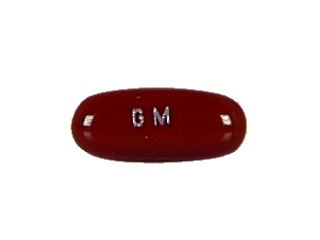


Lamprene (Clofazimine) — Patient Information (Australia)
Lamprene is a brand of clofazimine, a medicine used to treat certain chronic infections, particularly leprosy (Hansen’s disease). It is known for its long-lasting action in the body and its effectiveness against the bacteria that cause leprosy. This page explains how Lamprene works, how it is used, what to expect, and important safety information for people in Australia.
Note: Information here is educational. Individual regimens may vary depending on the condition being treated and your clinical situation.
Basic Product Information
| Item | Details |
|---|---|
| Generic name | Clofazimine |
| Brand name | Lamprene |
| Medicine type | Antimicrobial (anti-mycobacterial) |
| Main uses | Leprosy (often as part of combination therapy) |
| How it is taken | Oral capsules |
| Key characteristic | Very long half-life; accumulates in the body |
How Lamprene Works (Mechanism of Action)
Clofazimine is an antibiotic that belongs to the class of compounds called phenazine derivatives. Its main activity against Mycobacterium leprae (and related organisms) is largely due to its ability to interfere with the bacteria’s energy and cellular processes.
- Redox activity: Clofazimine can undergo chemical reduction in the presence of bacterial enzymes, generating reactive intermediates.
- Disrupts bacterial metabolism: These reactive species may damage critical components within the bacterial cell.
- Works better in certain oxygen conditions: The drug’s activity can be influenced by the environment within infected tissues.
Because leprosy often requires prolonged treatment, clofazimine’s long persistence in the body supports extended antimicrobial activity.
Pharmacokinetics (How the Body Handles Clofazimine)
Understanding how Lamprene behaves in the body can help set expectations, especially regarding long treatment courses and side effects that may build up over time.
- Absorption: Clofazimine is absorbed after oral dosing. Food can influence the degree of absorption, as described below.
- Distribution: Clofazimine is widely distributed, and it tends to accumulate in tissues (including skin and fatty compartments).
- Metabolism: Clofazimine is metabolised, though not all details of its metabolic pathways are clinically used to guide therapy.
- Elimination: The drug is eliminated slowly, with a very long half-life.
- Implication of long half-life: Effects (including certain side effects such as skin colour changes) may continue or take time to improve even after stopping treatment.
Typical Use and Indications
Lamprene (clofazimine) is primarily used for leprosy. In practice, it is commonly used as part of combination therapy, which is important to prevent resistance and improve cure rates.
Common indications
- Leprosy (Hansen’s disease): Used in treatment regimens for multibacillary forms (and in some cases where specific combination strategies are recommended).
- When an anti-leprosy component is required: Clofazimine may be included due to its antimicrobial activity and long-lasting tissue presence.
Important: Your healthcare professional will determine the most appropriate treatment plan, including the duration and combination with other medicines.
Dosing — What to Expect
Dosing for Lamprene varies depending on the leprosy type, severity, and the exact regimen used. Because leprosy treatment is individual and guideline-based, dosing information should be confirmed with your clinician and local protocol.
General dosing principles
- Oral capsules: Taken by mouth once daily or as directed in the regimen.
- Combination therapy: Clofazimine is often used alongside other anti-leprosy medicines (commonly including rifampicin and dapsone, depending on the regimen).
- Titration and duration: Some schedules may start with higher doses or follow structured induction and maintenance phases.
Do not change your dose unless your healthcare provider advises it. If you miss a dose, follow the instructions provided with your medicine or ask your pharmacist for advice tailored to your schedule.
When to Take Lamprene (Timing)
Lamprene is typically taken once daily, but the exact timing depends on your regimen.
- Choose a consistent time: Taking it at the same time each day helps you remember doses.
- Can be taken with or without food: However, food may affect absorption (see food interactions below).
- Swallow with water: Take the capsule whole unless your pharmacist advises otherwise.
If you experience stomach upset, ask your pharmacist whether taking with a meal would help.
Food Interactions and Absorption
Food can influence the absorption of clofazimine. In particular:
- Absorption may increase with food: Taking Lamprene with food may result in more consistent uptake for some people.
- Consistency is key: If you find taking it with meals suits you, aim to keep that pattern throughout treatment.
Practical tip: If your prescriber/pharmacist recommended taking with food, follow that guidance. If you’re unsure, ask your pharmacist.
Alcohol and Medicine Interactions
Alcohol
There is no single universal “allowed/disallowed” rule for alcohol with clofazimine in all individuals. However, alcohol can worsen side effects and may affect your overall health and ability to adhere to treatment.
- General advice: If you choose to drink alcohol, do so in moderation and avoid binge drinking.
- Be cautious if you have liver problems: Alcohol can add stress to the liver, and some anti-leprosy medicines can also affect liver function.
If you’re taking other medicines as part of leprosy therapy, ask your pharmacist about the combined impact of alcohol and each medicine.
Other medicine interactions
Tell your healthcare professional about all medicines you take, including herbal supplements and over-the-counter products. Relevant points include:
- Other anti-leprosy medicines: Lamprene is frequently used with multiple drugs. Clinicians monitor combined tolerability and laboratory markers when needed.
- Medicines affecting the liver: Since some combination regimens may influence liver enzymes, your clinician may recommend periodic blood tests.
- Changes in skin or digestive side effects: Some medicines can worsen gastrointestinal symptoms, nausea, or skin reactions—making it important to report new symptoms.
Keep a list of your medications and bring it to appointments. Your pharmacist can help check for potential interactions.
Safety Profile — Side Effects to Know
Like all medicines, Lamprene can cause side effects. Many people experience mild effects, but some require medical attention.
Common or notable effects
- Skin discolouration: Clofazimine is well known to cause reddish-brown or darkening of the skin. This can happen gradually, may increase over time, and can persist after stopping.
- Dryness and changes in skin: Some people may experience dry skin or scaling.
- Gastrointestinal effects: Nausea, stomach discomfort, abdominal pain, or diarrhoea may occur.
- Flu-like symptoms: In some patients, general aches or fatigue may occur during treatment.
Serious side effects — seek medical advice urgently
- Severe allergic reaction: Swelling of the face/lips, difficulty breathing, widespread hives, or severe rash.
- Severe skin reaction: Painful rash, blistering, or fever with skin changes.
- Signs of liver problems: Yellowing of the eyes/skin, dark urine, severe fatigue, or persistent nausea/vomiting.
- Worsening shortness of breath or chest discomfort: Especially if accompanied by other systemic symptoms.
When to contact your clinician (even if not an emergency)
- If skin discolouration becomes very uncomfortable or psychologically distressing.
- If diarrhoea is persistent or severe, or if you can’t keep fluids down.
- If you develop new swelling, fever, or unusual bruising.
- If you notice a change in urine colour or intense itching with no obvious cause.
Practical Use Tips (Getting the Best Results)
Adherence matters
Leprosy treatment is long. Clofazimine’s slow elimination means missing doses may affect how reliably antimicrobial levels are maintained. Try to:
- Set a daily reminder on your phone.
- Link your dose to a routine (e.g., after breakfast or in the evening).
- Use a pill organiser if appropriate.
Managing skin discolouration
Because clofazimine commonly changes skin colour, it helps to plan ahead:
- Expect gradual change: Colour changes can develop over weeks.
- Sun protection: Use sunscreen (SPF 30+), hats, and protective clothing, especially if you notice sensitivity to sunlight.
- Photos for tracking: Some people find it useful to keep a record of changes to discuss at review appointments.
- Emotional wellbeing: Skin changes can affect confidence—talk to your healthcare team if it’s impacting your wellbeing.
Reducing stomach upset
- Taking it with food may help some people.
- Stay hydrated, especially if you experience diarrhoea.
- Avoid heavy or spicy meals if you’re prone to nausea.
Monitoring
Your clinician may recommend periodic follow-ups and laboratory checks depending on your regimen and overall health. Attend all scheduled visits and report side effects early.
What If You Miss a Dose?
If you miss a dose, take it as soon as you remember on the same day, unless it is close to the time of your next dose. If it’s nearly time for your next dose, skip the missed dose and return to your regular schedule.
- Do not double up to make up for a missed dose.
- If you’ve missed several doses, seek advice from your pharmacist or clinician.
Alternative Options
Because Lamprene is used primarily for leprosy, alternatives depend on the leprosy type and the overall recommended combination regimen. Options commonly used in leprosy treatment (as chosen by specialists) may include:
- Rifampicin
- Dapsone
- Other anti-leprosy regimens based on guidelines and patient factors
Important: Do not start, stop, or substitute medicines without medical guidance. Changing components can affect effectiveness and resistance risk.
Lamprene in Australia — Market, Legal and Practical Context
In Australia, access to medicines such as Lamprene occurs through regulated supply channels. Availability can vary by treatment setting and formulary arrangements. For people requiring clofazimine, availability may be coordinated through:
- Specialist infectious disease or leprosy clinics
- Hospital pharmacies or approved supply pathways
- Community pharmacies when stock is available and per regulatory requirements
Because leprosy treatment involves guideline-based combination therapy and long durations, clinicians consider both effectiveness and safety when selecting medicines.
Guidance and regulatory oversight: In Australia, medicines are governed by the Therapeutic Goods Administration (TGA). Prescribing practices and medicine use are guided by current clinical standards and local protocols.
Recent Guidance (Clinical Considerations)
Clinical approaches to leprosy may evolve with improved monitoring, new evidence, and updates to national or international recommendations. Key ongoing themes include:
- Combination therapy: Using multiple medicines reduces resistance and improves outcomes.
- Monitoring of adverse effects: Skin changes, gastrointestinal symptoms, and potential liver-related effects may require attention.
- Management of reactions: Some people develop inflammatory reactions during treatment. Early recognition and medical management are important.
- Adherence support: Long-term regimens benefit from structured follow-up and patient education.
If you’re receiving Lamprene in Australia, your clinic can share the specific treatment schedule being used and what monitoring they recommend.
Delivery and Availability (Online Pharmacy Information)
Availability and delivery times can vary based on stock levels and scheduling within Australia. When ordering online:
- Check product availability: Some items may be ordered in or supplied via regional distribution.
- Delivery estimates: Your order confirmation typically includes an estimated delivery window.
- Packaging: Medicines are generally shipped in protective packaging to maintain integrity.
- Cold chain: Clofazimine capsules do not typically require refrigeration unless otherwise stated for the specific product.
If you need your medicine urgently, contact customer support so they can advise on stock and dispatch timing.
FAQ — Frequently Asked Questions
1) Why is Lamprene used for leprosy?
Lamprene (clofazimine) is used because it has antimicrobial activity against the bacteria that cause leprosy. It is often included as part of a combination regimen to improve cure rates and reduce the risk of resistance.
2) How long does treatment usually take?
Leprosy treatment is typically long-term and depends on the form of the disease and response to therapy. Clofazimine’s long half-life means it remains in the body for a long time, which supports ongoing antimicrobial effect during prolonged treatment.
3) Will my skin colour change?
Skin discolouration is a well-known effect of clofazimine. Many people notice gradual changes. This may persist even after treatment ends. If skin changes are severe, painful, or associated with a rash, seek medical advice.
4) Can I take Lamprene with food?
It can often be taken with food. Food may influence absorption, so taking it consistently with meals (if you tolerate it well) may help you maintain steady medicine levels.
5) What should I do if I forget a dose?
Take the missed dose when you remember on the same day if it’s not close to the next dose. If it’s near your next dose, skip the missed dose. Do not double up. Ask your pharmacist if you’re unsure.
6) Are there interactions with alcohol?
Alcohol may worsen side effects and can affect overall health. If you drink, keep it moderate and consider speaking to your pharmacist—especially if you’re also taking other anti-leprosy medicines.
7) Does Lamprene interact with other medicines?
Potential interactions can depend on your full medication list. Always share all medicines (including herbal products) with your healthcare professional. Your pharmacist can check for interaction risks and advise on timing if needed.
8) What side effects are most important to report?
Report severe or worsening symptoms such as signs of allergy (swelling, breathing difficulties), severe rash, persistent severe diarrhoea, or symptoms suggesting liver problems (yellow eyes/skin, dark urine).
9) When should I seek urgent help?
Seek urgent medical care for symptoms of a serious allergic reaction, severe skin blistering or fever with rash, or significant breathing difficulty. If you are concerned, contact local emergency services or seek immediate medical attention.
10) Where can I get advice in Australia?
Your pharmacist and treating clinic can advise on how to take Lamprene in your specific regimen, help manage side effects, and recommend appropriate monitoring.
Summary
Lamprene (clofazimine) is an oral antimicrobial medicine used mainly for leprosy, usually as part of combination therapy. It works by interfering with bacterial cellular processes and is characterised by slow elimination and long-lasting presence in the body. Patients should expect possible skin discolouration and may also experience gastrointestinal symptoms. Consistent daily dosing, awareness of side effects, and prompt reporting of concerning symptoms help ensure safe and effective treatment.
If you have questions about dosing timing, food intake, or managing side effects, speak with a healthcare professional or pharmacist to get guidance tailored to you.