Monoket (Isosorbide mononitrate)
Monoket is a medicine used to help prevent and relieve certain types of chest pain related to reduced blood flow to the heart. It contains isosorbide mononitrate, which belongs to the nitrate medicines used in cardiovascular care. This guide is designed to be patient-friendly and explain how Monoket works, how it is typically taken, and important safety information.
Note: Always follow the advice of your doctor or pharmacist, including how often to take your dose and any monitoring recommended for you. Individual needs vary.
1) Basic product information
| Item | Details |
|---|---|
| Active ingredient | Isosorbide mononitrate |
| Medicine type | Nitrate vasodilator |
| Common uses | Angina (prevention and symptom control) |
| How it works | Helps widen blood vessels, improving blood flow and reducing heart workload |
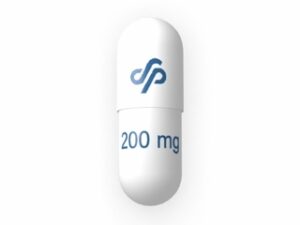
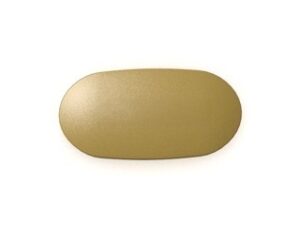
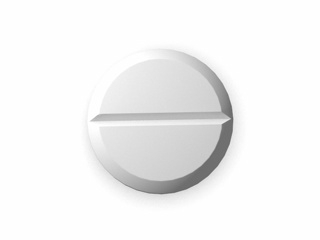
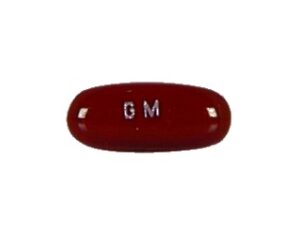
| Formulations | Available as different oral strength/tablet presentations depending on local availability |
| Brand name | Monoket |
2) How Monoket works (mechanism of action)
Isosorbide mononitrate is converted in the body to nitric oxide, a chemical messenger that causes relaxation of smooth muscle in blood vessel walls. This leads to vasodilation—widening of blood vessels.
- Reduced heart workload: By dilating veins and arteries, Monoket can lower the “pressure” the heart pumps against and reduce oxygen demand.
- Improved blood flow: Widened vessels can help deliver more oxygen to the heart muscle.
- Prevention of angina: Used regularly, it helps reduce how often angina occurs and can make attacks less severe.
Nitrate medicines are commonly used as part of a long-term plan for angina, sometimes alongside other heart medicines.
3) Pharmacokinetics (how the body handles Monoket)
“Pharmacokinetics” describes what happens to a medicine in the body: absorption, distribution, metabolism, and elimination. Exact values can vary by formulation and patient factors, but the key concepts are:
- Absorption: Isosorbide mononitrate is absorbed after oral dosing.
- Onset: Effects may occur within a short period after taking a dose, though the speed and duration depend on the formulation.
- Distribution: The active compound and related metabolites circulate in the bloodstream.
- Metabolism: It is metabolised in the body into compounds that contribute to its overall effect.
- Elimination: Metabolites are cleared primarily through the kidneys.
If you have kidney problems, your prescriber may consider the safest dosing schedule. For liver or kidney impairment, seek individual advice from your healthcare professional.
4) Typical uses and indications
What Monoket is used for
Monoket (isosorbide mononitrate) is used for angina—chest pain caused by reduced blood flow to the heart muscle.
- Prevention of angina attacks
- Longer-term symptom control in certain patients with chronic stable angina
- In some care plans, it may also be used in settings where ongoing anti-anginal therapy is needed, as determined by a clinician
Monoket is typically used to help reduce the frequency of angina rather than acting as a single quick “rescue” medicine. Your doctor may still provide additional “reliever” treatments for breakthrough symptoms.
5) When to take Monoket (timing and dose schedule)
Nitrates can lose effectiveness if taken continuously without a break. Many regimens aim to include a nitrate-free period each day to reduce tolerance.
Follow your personal schedule: Your dosing frequency and timing depend on your specific formulation (and strength) and your overall treatment plan. Common approaches may involve once or multiple daily doses, with an intentional break.
- Try to take it at the same times each day to maintain steady symptom control.
- Do not “double up” if you miss a dose—ask your pharmacist what to do in your situation.
- If you get chest pain, follow the action plan you were given (for example, using your reliever medicine as directed).
6) Dosing (general guidance)
Dosing varies by formulation and patient factors (including blood pressure, other medicines, and how you respond). Your prescriber will tailor the dose to minimise side effects while controlling symptoms.
General examples (not a substitute for your prescribed plan):
- Some regimens start at a lower daily dose and adjust based on response and tolerance.
- Doses may be split across the day in divided intervals.
- A daily nitrate-free interval is often considered for prevention of tolerance.
Important: If you are unsure of the dose on your packaging or how to schedule it, speak with your pharmacist. Do not change your dose without medical advice.
7) Food interactions
For many oral medicines, food can affect absorption. With Monoket, food is generally not expected to cause major harmful interactions. However, individual formulations may behave differently.
- Take as directed on your packaging or as advised by your clinician.
- If you notice side effects such as dizziness or headaches after a dose on an empty stomach, consider taking it with food (unless your pharmacist recommends otherwise).
If you experience recurrent symptoms soon after taking Monoket, ask your pharmacist whether timing relative to meals could be adjusted.
8) Alcohol and medicine interactions
Alcohol
Alcohol may increase the risk of dizziness or low blood pressure when taken with Monoket, as both can affect circulation. For best safety, consider limiting alcohol and avoiding it if you feel lightheaded after doses.
Other medicine interactions
The most important interaction is with medicines for erectile dysfunction (and some other treatments) that can also lower blood pressure.
| Medicine class | Why it matters | What to do |
|---|---|---|
| Phosphodiesterase-5 (PDE5) inhibitors (e.g., sildenafil, tadalafil, vardenafil) |
Combined vasodilation may cause significant low blood pressure | Discuss with your pharmacist/doctor. These combinations are often contraindicated. |
| Other blood pressure–lowering medicines (e.g., antihypertensives, some diuretics) |
May add to blood pressure lowering and increase dizziness | Monitor blood pressure and symptoms; dose adjustments may be needed. |
| Riociguat (soluble guanylate cyclase stimulator) | Can amplify effects on the nitric oxide pathway leading to low blood pressure | Seek medical advice promptly; combination may be unsuitable. |
| Medicines affecting blood pressure or heart rhythm | May influence cardiovascular stability | Inform your pharmacist about all medicines and supplements. |
| Alcohol / sedatives | May worsen dizziness, falls risk, and overall alertness | Avoid driving if you feel unwell. Consider limiting alcohol. |
Always tell your pharmacist about:
- All prescription medicines and over-the-counter medicines
- Herbal products and supplements
- Any history of fainting, very low blood pressure, or severe headaches with nitrates
9) Safety profile and precautions
Common side effects
The most frequently reported effects of nitrate medicines include:
- Headache (often early in treatment)
- Dizziness or light-headedness
- Flushing
- Nausea
- Low blood pressure symptoms such as weakness
- Reduced alertness if you feel unwell
Serious or urgent symptoms
Seek urgent medical help if you experience:
- Fainting or severe dizziness
- Severe or worsening chest pain that does not follow your action plan
- Signs of a significant allergic reaction (swelling, rash, difficulty breathing)
- Very fast or irregular heartbeat with feeling unwell
When Monoket may not be suitable
Monoket should be used with extra caution or may be unsuitable in certain situations, including:
- Very low blood pressure or a history of fainting
- Severe anaemia or conditions where oxygen delivery is compromised
- Significant heart rhythm or pumping complications as advised by your doctor
- Use of contraindicated medicines such as PDE5 inhibitors without medical approval
- Allergy to nitrates or any component of the product
If you have any concerns, check with your pharmacist before starting or continuing Monoket.
10) Practical use tips
Getting the best benefit
- Use consistently: Monoket is usually intended for ongoing prevention. Missing doses can reduce effectiveness.
- Plan the nitrate-free interval: If your schedule includes a break, keep it unless your clinician advises otherwise.
- Stand up slowly: Dizziness can occur, especially early in treatment. Sit before standing, and avoid sudden movements.
- Hydrate appropriately: Dehydration can worsen light-headedness.
Managing headaches
Headache is common with nitrate therapy, particularly when starting or increasing the dose. If headaches are persistent or severe, talk to your pharmacist—dose adjustments or schedule changes may help.
What to do if you miss a dose
If you forget a dose, don’t double to compensate unless advised. Because dosing schedules often include a daily nitrate-free period, the best plan depends on your timing—ask your pharmacist for guidance.
11) Missed guidance and “recent updates” (Australia context)
Guidance in Australia for nitrate medicines commonly emphasises:
- Careful attention to blood pressure monitoring and symptoms of hypotension
- Avoiding unsafe combinations, especially with medicines for erectile dysfunction where interaction can be dangerous
- Ongoing education about tolerance and the rationale for nitrate-free intervals
- Review of the full cardiovascular medication regimen to minimise duplication and side effects
If you have questions about your specific schedule or interactions with newer cardiovascular or erectile function medicines, ask your pharmacist to confirm your plan using the most current product information.
12) Alternative options
Treatment for angina varies depending on the cause, severity, and patient factors. If Monoket is not suitable or is not controlling symptoms adequately, your clinician may consider other options, including:
- Other long-acting nitrates (different formulations or active ingredients)
- Short-acting nitrates for breakthrough symptoms (as part of a written action plan)
- Beta-blockers (to reduce heart rate and oxygen demand)
- Calcium channel blockers (especially in certain angina types)
- Antiplatelet therapy and cholesterol-lowering medication when appropriate to reduce overall cardiovascular risk
- Revascularisation strategies (e.g., angioplasty or bypass surgery) in selected patients
Whether an alternative is suitable depends on your heart condition, other medicines, and how you respond to therapy. Your pharmacist can help you understand options and interaction risks.
13) Market and legal context in Australia (general)
In Australia, access to medicines is regulated under the Therapeutic Goods framework and medicines may be classified based on risk and required supervision. Availability and supply processes can vary depending on formulation and strength.
Many nitrate medicines for angina are supplied with healthcare oversight to support safe use and monitoring, particularly around drug interactions and blood pressure effects. Your online pharmacy should provide product information and help you understand safe use.
For the most accurate local information about status, supply requirements, and prescribing pathways, check with your pharmacist or the product listing on this website at the time of purchase.
14) Delivery and availability
Availability of Monoket and specific pack sizes can vary depending on supplier schedules and formulation. When you order online, the pharmacy may display current stock status and estimated delivery timeframes.
- Delivery: Shipping time depends on your location and courier service.
- Packaging: Medicines are typically packed to protect tablets from damage.
- Cold chain: Monoket generally does not require cold storage unless specified for a particular product.
If you need delivery by a particular date, contact the pharmacy before placing the order so they can advise on realistic timelines.
15) FAQ
How quickly does Monoket work?
Many patients feel an improvement after taking a dose, but timing depends on the exact formulation and individual response. If your symptoms are not controlled as expected, speak to your pharmacist or clinician about whether your schedule is correct.
Is Monoket for chest pain relief or prevention?
Monoket is commonly used for prevention and longer-term control of angina. Your action plan may include a different reliever medicine for breakthrough chest pain.
Can I take Monoket with food?
Food interactions are generally not a major concern for many patients. Taking it as directed is important. If you experience stomach upset or dizziness, ask your pharmacist whether taking it with food could help.
What should I do if I feel dizzy after a dose?
Sit or lie down immediately. Avoid standing quickly and do not drive if you feel unwell. If dizziness is frequent or severe, contact your pharmacist or doctor promptly—your dose or timing may need adjustment.
Can I drink alcohol while taking Monoket?
Alcohol may increase dizziness and low blood pressure risk. If you choose to drink, do so cautiously and consider avoiding alcohol if you experience light-headedness after your dose.
Why do nitrates require a “break” during the day?
Continuous nitrate exposure can lead to reduced effectiveness (tolerance). A nitrate-free interval helps reduce this risk. Follow your prescribed schedule that includes the intended daily break.
What medicines should I avoid?
Tell your pharmacist about all medicines you take—especially medicines for erectile dysfunction (PDE5 inhibitors) and any treatments that affect blood pressure. Some combinations can be unsafe due to significant lowering of blood pressure.
What if I miss a dose?
Do not double up. Because schedules often include a daily nitrate-free period, the safest approach depends on your timing. Ask your pharmacist for tailored advice.
Are there alternatives if Monoket causes side effects?
Yes. Your clinician may adjust the dose, timing, or consider another anti-anginal medicine. Do not stop suddenly without medical advice—especially if your condition is unstable.
When should I seek urgent help?
Seek urgent medical attention if you faint, have severe dizziness, experience worsening or persistent chest pain not following your action plan, or show signs of an allergic reaction.
Disclaimer: This information is for general education and does not replace advice from a healthcare professional. If you have questions about Monoket—such as correct dosing for your situation, interactions with your current medicines, or how to manage side effects—speak with your pharmacist.