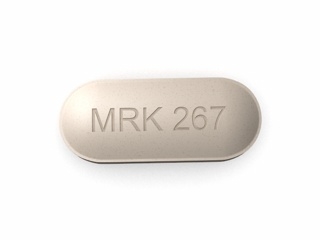

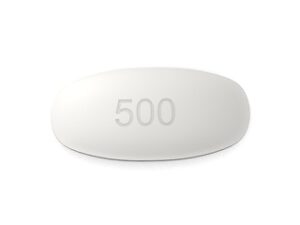
Maxalt (Rizatriptan) – Patient Guide (Australia)
Maxalt is a medicine used to treat migraine attacks. The active ingredient is rizatriptan, which belongs to a group of medicines called triptans. This guide is written to help you understand what Maxalt does, when and how it’s typically used, and important safety information to consider.
Not sure which version you have? Maxalt is available in tablet form (for example, conventional tablets and, in some markets, “melt” formulations). Always use your product label and the information provided by your pharmacist.
Quick Facts
- Brand name: Maxalt
- Active ingredient: Rizatriptan
- Medicine type: Triptan (acute migraine treatment)
- Main use: Relief of migraine headache and associated symptoms (e.g., nausea, light/sound sensitivity)
- How it works: Helps reverse migraine-related changes in blood vessels and nerve signalling
- Form: Oral tablets (varies by product/strength)
What Is Maxalt Used For?
Maxalt is used for the acute treatment of:
- Migraine attacks with or without aura
- Sometimes used for migraine with typical early symptoms (auras such as visual disturbance may occur before the headache)
Maxalt is designed to treat an attack once it has started. It is not intended to prevent migraines on an ongoing basis.
How Maxalt Works (Mechanism of Action)
Migraine is complex. It involves changes in brain signalling, nerve pathways, and blood flow. Triptans such as rizatriptan act primarily on serotonin (5-HT) receptors.
Rizatriptan mechanism:
- It is a selective serotonin receptor agonist, especially at 5-HT1B and 5-HT1D receptors.
- These actions help reduce dilation of certain cranial blood vessels and inhibit release of pain-related neuropeptides (including from trigeminal nerve pathways).
- As a result, it can reduce migraine pain and help with common associated symptoms such as nausea and sensitivity to light and sound.
Many people find Maxalt works best when taken early in the attack.
Pharmacokinetics (How the Body Handles Rizatriptan)
Pharmacokinetics describes how the medicine is absorbed, distributed, metabolised, and eliminated.
- Absorption: Rizatriptan is absorbed after oral dosing and reaches peak blood levels within a few hours (typical onset is often within 30–60 minutes, though exact timing varies).
- Metabolism: It is mainly broken down by the liver enzyme system (notably monoamine oxidase A (MAO-A)).
- Elimination: Metabolites are eliminated primarily via the kidneys.
- Half-life (general): The elimination half-life is relatively short, which is why dosing during a single attack is limited.
Why this matters: Because rizatriptan is metabolised relatively quickly, it can help during the acute phase but needs correct timing and adherence to maximum daily limits.
When to Take Maxalt (Timing & Expected Effects)
Maxalt works to stop or reduce a migraine attack. For best results:
- Take it as soon as you know a migraine is starting or when headache pain begins.
- If you use it for migraine with aura, many people prefer to take it when the migraine pain begins (your pharmacist/doctor may advise individual timing).
- If symptoms improve but return, a second dose may be considered based on spacing and maximum daily limits (see dosing section).
Typical response: Some people feel improvement within about an hour. If it doesn’t work, it may still help with other symptoms, and you may need an alternative plan for future attacks (discuss with a clinician).
Food Interactions
Food effects: Taking rizatriptan with food can affect how quickly it is absorbed. In general, food may delay absorption, which could slightly delay relief for some people.
Practical advice:
- If you’re trying to treat an attack early, taking Maxalt without a heavy meal may be preferable.
- If you do take it with food, it may still work—timing of relief may be less predictable.
Alcohol and Medicine Interactions
Alcohol
Alcohol can trigger migraine in some people and may worsen symptoms such as nausea or dehydration.
- There is no universal rule that alcohol directly “counters” rizatriptan, but drinking alcohol during migraine may reduce comfort and potentially make attacks more likely.
- If you choose to drink, do so cautiously and consider avoiding alcohol during attacks.
Major medicine interactions (very important)
Rizatriptan has important interactions. Some combinations are unsafe or require special caution.
Commonly discussed interaction categories include:
- Monoamine oxidase inhibitors (MAO-A): Do not use together with MAO-A inhibitors. This can increase rizatriptan levels and adverse effects.
- Other triptans: Using two triptans close together may increase the risk of side effects and should generally be avoided.
- Ergot-containing medicines: Concomitant use is generally not recommended due to increased risk of blood vessel constriction.
- Serotonergic medicines: Combining with medicines that increase serotonin may raise the risk of serotonin-related effects in some situations (risk depends on the specific medicine and patient factors).
- CYP enzymes (drug metabolism): Some medicines can alter rizatriptan levels by affecting metabolic pathways, which may require dose adjustments or avoidance.
Always tell your pharmacist about all medicines you use, including:
- Prescription medicines
- Over-the-counter pain relief (e.g., paracetamol, ibuprofen)
- Herbal products and supplements
- Recent changes to antidepressants or migraine preventives
Indications (Who Should Use Maxalt)
Maxalt is indicated for the acute treatment of migraine attacks, including:
- Migraine with or without aura
It is not intended for:
- Ongoing daily prevention
- Non-migraine headaches (such as tension-type headaches) unless a clinician confirms migraine
- Cluster headache treatment unless specifically advised
Dosing Information (Typical Adult Use)
Dosing can vary based on the specific formulation (e.g., strength), patient factors, and local guidance. Follow your product label and pharmacist/clinician advice.
| Situation | Typical approach | Important notes |
|---|---|---|
| First dose for an attack | Take as early as possible once migraine begins | Do not take “pre-emptively” before you develop symptoms unless your clinician instructs otherwise. |
| If symptoms return after improvement | May take a second dose for that same attack | Only if sufficient time has passed since the first dose (see below). Do not exceed the maximum daily limits. |
| Time spacing between doses | Keep doses at least several hours apart (commonly at least 2 hours) | Spacing may vary by formulation and patient factors—confirm with your medication pack. |
| Maximum in 24 hours | Do not exceed the recommended maximum | Exceeding limits increases risk of adverse effects and medication-overuse headache. |
| People with certain risk factors | Dose limits may be lower | Special caution is often needed in people with liver/kidney impairment or relevant drug interactions. |
If your first dose doesn’t work: It may still be reasonable to treat future attacks with Maxalt, but if Maxalt repeatedly fails, ask a pharmacist/clinician for an individualised plan. Also note that using medicines too frequently can lead to medication-overuse headache.
Medication-overuse headache (general rule of thumb): Frequent use of acute headache medicines can worsen headache frequency over time. Your pharmacist can advise a safe maximum number of treatment days for your specific medicine and pattern of migraines.
Safety Profile (What to Watch For)
Most people tolerate rizatriptan well, but like all medicines it can cause side effects. Some effects are relatively common and mild; others require urgent attention.
Common side effects
- Feeling of pressure, tightness, heaviness, or pain in the chest, throat, neck, or jaw (usually transient)
- Dizziness
- Fatigue or drowsiness
- Nausea or stomach discomfort
- Dry mouth
- Unusual sensations (e.g., tingling)
Serious side effects – seek urgent medical help
Triptans can affect blood vessels and have potential cardiovascular risks. Seek urgent medical attention if you experience:
- Signs of a heart or blood vessel problem such as chest pain/pressure that is severe, persistent, or spreading to arm/jaw
- Shortness of breath, fainting, or severe dizziness
- Symptoms of stroke such as sudden weakness, numbness, facial droop, confusion, or trouble speaking
- Severe allergic reaction such as swelling of the face/lips, breathing difficulty, or widespread rash
Caution in certain conditions
Maxalt may not be suitable if you have certain cardiovascular or vascular conditions, or if you are at increased risk. You should discuss your medical history with a pharmacist/clinician if you have:
- Known coronary artery disease, history of stroke or transient ischaemic attack (TIA)
- Uncontrolled high blood pressure
- Significant kidney or liver problems
- A family history of early heart disease or personal risk factors (e.g., smoking, diabetes, high cholesterol)
Practical Tips for Using Maxalt Effectively
- Use it early in the attack: Taking Maxalt at the right time can improve the chance of full relief.
- Stay hydrated: Migraine can cause nausea and dehydration; water can help your overall comfort.
- Limit rescue dosing: If you need additional pain relief, do so according to safe guidance and consider asking your pharmacist which option is suitable for you.
- Track your migraines: Use a headache diary or app to record triggers, timing, and how well Maxalt works.
- Know when to seek medical review: If headaches change character, become more frequent, or you develop new neurological symptoms, get medical advice promptly.
- Avoid overuse: Try not to use acute migraine medicines too often, as this can worsen headache frequency over time.
Alternative Options for Acute Migraine
If Maxalt isn’t suitable or isn’t effective, there are alternative acute treatments. Options may include:
- Other triptans: Different triptans may work better for some people.
- Non-triptan acute therapies: Certain newer medicines can be options depending on the patient and availability in Australia.
- Analgesics: Paracetamol or NSAIDs may help some mild-to-moderate attacks, especially early.
- Anti-nausea medicines: If nausea is prominent, supportive medicines may improve tolerability.
Prevention vs treatment: If migraines are frequent, consider discussing preventive strategies with a clinician (e.g., lifestyle changes, preventive medicines, or non-drug therapies). This guide focuses on acute treatment.
Market & Legal Context in Australia
In Australia, migraine treatments are regulated under the TGA (Therapeutic Goods Administration) framework. Medicines may be listed as prescription-only or available under particular schedules depending on product type, strengths, and indications.
Online pharmacies in Australia may provide medicines subject to applicable requirements, including patient eligibility and safety checks. Always follow instructions on the product label and consult a pharmacist if you have questions.
Important: Requirements can vary by product formulation and the latest regulatory updates. Your pharmacy site typically provides details on suitability and supply process for Australian customers.
Recent Guidance and Ongoing Considerations
Migraine management guidance evolves as new evidence and medicines become available. In recent years, Australian clinical practice has increasingly emphasised:
- Individualised acute treatment plans based on response, tolerability, and attack frequency
- Reducing medication-overuse headache by using acute medicines within recommended limits
- Considering preventive treatment when migraines become frequent or disabling
- Careful review of cardiovascular risk in people using triptans
Because guidance may be updated by professional bodies, remain alert to advice from your pharmacist or healthcare professional.
Delivery and Availability (Australia)
Availability of Maxalt can vary by strength and formulation. Most online pharmacies offer ordering with delivery across Australian states and territories.
What to expect when ordering:
- Stock confirmation: Your pharmacy may show real-time stock or confirm availability before dispatch.
- Packaging: Medicines are typically dispatched in protective packaging with labels required for identification and safe use.
- Dispatch times: Delivery time depends on local courier service, location, and order cut-off times.
- Cold-chain: Rizatriptan tablets do not typically require refrigeration.
Check your order promptly when it arrives. If packaging is damaged or the medicine appears unusual, contact the pharmacy for advice.
FAQ – Maxalt (Rizatriptan)
1) How quickly does Maxalt work?
Many people notice improvement within about an hour, but timing varies. If you don’t get relief, it’s important not to exceed recommended dosing limits. Ask a pharmacist about options for future attacks.
2) Can I take Maxalt with other pain relief?
Often, people use Maxalt alongside other medicines for pain or nausea, but the safe combination depends on your health and other medications. Tell your pharmacist what you plan to take.
3) What should I do if I get a migraine again after my dose?
If symptoms return, a second dose may be possible, provided you follow the recommended spacing and do not exceed daily maximums. If you frequently need repeat dosing, discuss with a clinician.
4) Is Maxalt for prevention?
No. Maxalt is an acute treatment meant to manage individual migraine attacks. If your migraines are frequent, you may need preventive strategies.
5) Can I take Maxalt when I have aura?
Maxalt can be used for migraine with or without aura. Many patients take it when headache pain begins. Your pharmacist/clinician can give advice tailored to your attack pattern.
6) Are there reasons I might not be able to use Maxalt?
Yes. Maxalt may not be suitable if you have certain cardiovascular or vascular conditions, uncontrolled high blood pressure, or specific medication interactions (especially with MAO-A inhibitors and certain ergot or other migraine medicines). Always discuss your full medication list.
7) What is medication-overuse headache?
Medication-overuse headache can happen when acute headache medicines are used too often. It may lead to more frequent headaches and reduced effectiveness of treatment. Your pharmacist can help you identify a safe use pattern.
8) Does food affect Maxalt?
Food may delay absorption, which could delay relief. If possible, take it as instructed on your pack and consider taking it with less heavy food during an attack.
9) Can I drink alcohol while using Maxalt?
Alcohol can trigger or worsen migraines for some people. While occasional alcohol doesn’t automatically make Maxalt unsafe, it may worsen your symptoms. If you drink, do so cautiously and avoid alcohol during attacks if it triggers you.
10) What should I do in an emergency?
If you experience severe chest pain, signs of stroke, severe allergic reaction, or fainting, seek urgent medical help immediately.
References and Further Information
For the most accurate instructions, always refer to the consumer medicine information included with your specific Maxalt product and consult your pharmacist for advice tailored to you.
Disclaimer: This page is for general educational purposes and does not replace personalised medical advice. If you have concerns about suitability, interactions, or side effects, speak to a healthcare professional.