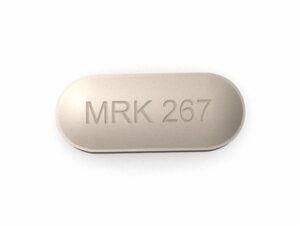
Ketorolac (e.g., ketorolac trometamol) – Pain Relief Information (Australia)
Ketorolac is a strong, fast-acting anti-inflammatory medicine used to relieve moderate to severe pain. It belongs to the NSAID (non-steroidal anti-inflammatory drug) group, which works by reducing chemicals in the body that contribute to pain and inflammation. This guide is designed to be patient-friendly and suitable for an online pharmacy website.
Important: Ketorolac can cause serious side effects, especially affecting the stomach, kidneys, and risk of bleeding. It is typically used for short-term pain management under careful medical oversight.
Basic product information
| Feature | What to know |
|---|---|
| Generic name | Ketorolac (often ketorolac trometamol) |
| Drug class | NSAID (non-steroidal anti-inflammatory) |
| Common forms | Oral tablets or solution; hospital use may include injections (varies by product) |
| Typical strength | Depends on the product and formulation |
| Onset (typical) | Often within ~30–60 minutes for oral dosing |
| Duration of use | Usually short-term only due to safety considerations |
How ketorolac works (mechanism of action)
Ketorolac works primarily by blocking the COX (cyclo-oxygenase) enzymes (COX-1 and COX-2). These enzymes help produce prostaglandins—chemical messengers that contribute to:
- Pain signalling
- Inflammation
- Fever (in general with NSAIDs)
By reducing prostaglandin production, ketorolac can provide strong pain relief, often with a rapid onset compared with some other analgesics.
Pharmacokinetics (how the body handles it)
“Pharmacokinetics” describes what the body does with a medicine—absorption, distribution, metabolism, and excretion.
Absorption
When taken by mouth, ketorolac is absorbed systemically. Peak concentrations typically occur within around 1–2 hours for oral formulations, though this can vary between individuals.
Distribution
Ketorolac distributes into body tissues and is highly protein-bound in the blood.
Metabolism
The medicine is metabolised (broken down) in the liver into inactive metabolites.
Elimination
Most metabolites are eliminated via the kidneys. Because of this, kidney function is an important consideration when using ketorolac. In people with reduced kidney function, drug levels can rise and side effects may be more likely.
A key safety concept with ketorolac is that it is generally not intended for prolonged use. Even if pain improves, continuing beyond the recommended short duration can increase risk.
Typical use in practice
Ketorolac is commonly used for short-term management of moderate to severe pain, including pain related to inflammation. It may be used in settings such as:
- Post-procedural or post-operative pain (depending on local protocols)
- Short-term acute pain where an NSAID effect is needed
- Situations where other analgesics are insufficient
In Australia, availability and specific product details (including forms and strengths) can vary. Always follow the instructions provided with the product and any relevant health advice you receive.
When to take ketorolac (timing)
Ketorolac dosing schedules depend on the specific product (tablet strength and formulation). As a general guide:
- Many oral regimens are taken on a set schedule for a limited number of days.
- Try to take doses at evenly spaced times to maintain pain control.
- If you miss a dose, take it when you remember unless it is close to your next dose; do not double up.
Onset: For oral ketorolac, pain relief is often felt within about an hour. If you don’t feel a benefit within the expected timeframe, consider contacting a pharmacist or healthcare professional rather than increasing dose on your own.
Food interactions and stomach comfort
Food can influence how comfortable and predictable ketorolac dosing is. While food may not drastically change overall effectiveness for every product, it can affect absorption and the risk of stomach irritation.
General advice
- If your product label permits, consider taking ketorolac with or after food to reduce stomach upset.
- Avoid taking it on an empty stomach if you have a history of gastritis, ulcers, or reflux symptoms.
- Drink water as directed and avoid lying down immediately after taking it (if it causes reflux).
Note: Always follow the specific instructions on your ketorolac product packaging or the information provided by your pharmacist.
Alcohol interactions
Combining ketorolac with alcohol can increase the likelihood of stomach bleeding and gastric irritation. It may also worsen side effects such as dizziness.
- It is generally advisable to avoid alcohol while taking ketorolac.
- If you drink occasionally, discuss with a pharmacist—especially if you have prior ulcer disease or bleeding risk.
Interactions with other medicines
Ketorolac can interact with many commonly used medicines. Some interactions can be dangerous. Tell your pharmacist or healthcare professional about all medicines you use, including over-the-counter products, herbal remedies, vitamins, and supplements.
High-priority interactions
- Other NSAIDs (e.g., ibuprofen, naproxen, diclofenac, aspirin for pain): increased risk of stomach bleeding and kidney harm.
- Blood thinners (e.g., warfarin) and antiplatelet medicines (e.g., clopidogrel): higher risk of bleeding.
- Corticosteroids (e.g., prednisolone): increased gastrointestinal bleeding risk.
- SSRIs/SNRIs (antidepressants affecting serotonin): may increase risk of GI bleeding when combined with NSAIDs.
- ACE inhibitors/ARBs and diuretics (“triple whammy” with NSAIDs): NSAIDs can strain kidneys when combined—risk increases particularly in dehydration.
- Probenecid and some other agents affecting uric acid handling: can increase NSAID levels and side effects.
- Kidney-affecting medicines (varies): kidney risk may increase.
Over-the-counter caution
Many cold and flu products contain pain relievers similar to NSAIDs. Check labels carefully. Avoid taking additional NSAIDs unless your healthcare professional advises it.
Indications: what ketorolac is used for
Ketorolac is indicated for the relief of moderate to severe pain, typically for a short duration. The exact indication and permitted duration may vary by product and local guidance.
It may be selected when:
- Strong analgesia is needed
- Inflammation-related pain is suspected
- Other lower-intensity options (such as paracetamol alone) are not sufficient
Because the safety profile becomes more concerning with longer use, ketorolac is usually reserved for brief periods rather than ongoing pain management.
Dosing guidance (general)
Dosing depends on the product strength, age, kidney function, and the duration of use. Always follow the dose on your product label and the instructions from your healthcare professional.
Common dosing principles
- Use the lowest effective dose for the shortest possible duration.
- Do not exceed the maximum daily dose stated in the product information.
- If you are older, have reduced kidney function, or weigh less, your starting dose may need to be lower.
Maximum duration (important)
Ketorolac is often limited to a short course. In many clinical settings, duration is capped to reduce the risk of serious adverse effects (especially GI bleeding and kidney complications). Your pharmacist can confirm the permitted maximum duration for your specific product.
Safety profile: who needs extra caution
Ketorolac can cause side effects. Most are mild, but serious events can occur. If you experience any warning symptoms listed below, seek medical advice promptly.
Common side effects
- Stomach discomfort, indigestion
- Nausea
- Dizziness or headache
- Swelling (fluid retention) in some people
Serious risks (seek urgent medical advice)
- Gastrointestinal bleeding: vomiting blood, black/tarry stools, or severe abdominal pain
- Allergic reaction: swelling of the face/lips, wheezing, hives, or difficulty breathing
- Kidney problems: reduced urine output, sudden weight gain, severe fatigue
- Cardiovascular risks: chest pain, shortness of breath (risk varies by individual)
- Severe skin reactions: blistering rash or peeling skin
Populations requiring special caution
- People with a history of stomach ulcer or GI bleeding
- People with kidney disease or dehydration
- People with heart disease or high cardiovascular risk
- People taking medicines that increase bleeding risk (e.g., blood thinners)
- People with a history of asthma triggered by NSAIDs
- Older adults (often higher risk for adverse effects)
Pregnancy and breastfeeding
NSAIDs may not be suitable at certain stages of pregnancy, and they can affect the baby in later pregnancy. If you are pregnant, trying to conceive, or breastfeeding, discuss options with a pharmacist or healthcare professional before using ketorolac.
Practical use tips (to get the best results safely)
- Start at the recommended dose and avoid “stacking” painkillers unless instructed.
- Use for the planned duration only. If pain continues beyond the intended period, seek advice rather than extending ketorolac.
- Stay hydrated (especially if you’ve been sick, vomiting, or had diarrhoea), as dehydration increases kidney risk with NSAIDs.
- Avoid other NSAIDs including ibuprofen and naproxen unless your clinician advises otherwise.
- If you need additional pain relief, consider paracetamol (acetaminophen) as a safer add-on option in many cases—however, always check your product information and label guidance.
- Watch for stomach symptoms (burning, pain, nausea) and bleeding warning signs.
- If you develop rash, facial swelling, or breathing difficulties, stop and seek urgent help.
Alternative options for pain relief
Pain management should be individual. Depending on your condition and risk factors, alternatives may include:
Non-NSAID options
- Paracetamol: often first-line for mild to moderate pain.
- Combination strategies (e.g., paracetamol with non-drug measures) may be appropriate for some types of pain.
Other NSAIDs
Other NSAIDs (such as ibuprofen or naproxen) may be used for some pain conditions. However, they share similar risks (stomach irritation/bleeding, kidney effects), so selection depends on your personal risk profile and intended duration.
Non-medicine approaches
- Heat or cold therapy (depending on injury type)
- Gentle activity and stretching (when appropriate)
- Physiotherapy or other guided rehabilitation
If pain is persistent, severe, or unexplained, it’s important to get a clinical assessment to identify the cause.
Market and legal context in Australia (plain-language overview)
Medicines in Australia are regulated by the Therapeutic Goods Administration (TGA). Whether ketorolac is available over the counter or requires a specific form of supply depends on the product formulation, strength, and current regulatory arrangements.
Australian pharmacy practice also requires pharmacists to perform appropriate screening for interactions and suitability—especially for medicines with known risks such as NSAIDs. Product availability may differ between states and pharmacies and may change over time as regulatory decisions are updated.
Always use ketorolac only as directed for the approved indication and within the safety limits provided on the label.
Recent guidance and safety messaging (general)
In recent years, health messaging in Australia and internationally has emphasised NSAID safety, including:
- Using the lowest effective dose for the shortest duration
- Extra caution in people at risk of GI bleeding or kidney impairment
- Avoiding NSAID duplication (taking more than one NSAID at the same time)
- Reviewing “high-risk combinations” (e.g., NSAIDs with blood thinners or certain antidepressants)
- Paying attention to age, dehydration, and other factors that increase harm risk
Because guidance can change and specific rules depend on the product and patient profile, consult a pharmacist if you’re unsure whether ketorolac is appropriate for you.
Delivery and availability (online pharmacy)
Availability of ketorolac products may vary. If ketorolac is offered through an online pharmacy, you can typically expect:
- Secure ordering with product details clearly shown
- Packaging and dosing instructions included in the order
- Delivery across Australia, depending on provider coverage
- Customer support for dosing questions and safety checks
Delivery times depend on your location and shipping method. If ketorolac is not in stock, suppliers may offer alternative timelines or substitute products when appropriate.
Tip: Before ordering, check the product name, strength, and formulation so you receive the correct dosing instructions.
FAQ about ketorolac
1) What is ketorolac used for?
Ketorolac is used for the relief of moderate to severe pain, usually for a short period. It is an NSAID that reduces pain-producing prostaglandins.
2) How quickly does ketorolac work?
Oral ketorolac commonly starts working within about 30 to 60 minutes. Peak effects may occur around 1–2 hours. Individual response varies.
3) Can I take ketorolac with food?
Many people find it easier on the stomach when taken with or after food. Follow the instructions on your product label. If you experience stomach upset, taking it with meals (if permitted) can help.
4) Can I drink alcohol while taking ketorolac?
It’s generally best to avoid alcohol while taking ketorolac, as alcohol can increase the risk of stomach irritation and bleeding.
5) Is it safe to take ketorolac with ibuprofen or naproxen?
Usually, you should not combine NSAIDs (such as ketorolac with ibuprofen or naproxen) because it can significantly increase the risk of stomach bleeding and kidney problems. Check with a pharmacist if you’re unsure.
6) What should I do if I miss a dose?
Take it when you remember unless it’s near the time for the next dose. Do not take a double dose to make up for a missed dose.
7) Who should not use ketorolac?
People with certain medical conditions (e.g., prior NSAID-related allergic reactions, certain kidney or stomach problems, or other risk factors) may need to avoid it or use it only with strict guidance. A pharmacist can help screen suitability.
8) What are warning signs that mean I should stop and get help?
Seek urgent medical advice if you experience symptoms of GI bleeding (black/tarry stools or vomiting blood), allergic reactions (swelling, wheezing, hives), or signs of kidney problems (significant reduction in urine, severe swelling, or sudden fatigue).
9) Can ketorolac be taken long-term?
Ketorolac is typically intended for short-term use. Longer use can increase serious side effects. If pain persists, talk to a healthcare professional for a safer plan.
10) What alternatives might help if ketorolac isn’t suitable?
Depending on your pain type and risk factors, alternatives may include paracetamol, other treatment options, or non-medicine approaches such as heat/cold therapy, physical therapy, and activity modification.
Summary
Ketorolac is a powerful NSAID for short-term relief of moderate to severe pain. It works by reducing prostaglandin production and can provide relatively rapid pain relief. However, it carries important risks—particularly stomach bleeding and kidney harm—so it should be used carefully, at the lowest effective dose, for the shortest time.
If you have questions about suitability, drug interactions, or safe use, speak with a pharmacist before taking ketorolac. For severe symptoms or warning signs, seek urgent medical help.