
Celebrex (Celecoxib) — Patient Information (Australia)
Celebrex contains celecoxib, a medicine from the NSAID (non-steroidal anti-inflammatory drug) family. It is commonly used to reduce pain and inflammation in conditions such as osteoarthritis and rheumatoid arthritis, and for certain types of acute pain. This page provides practical, patient-friendly information about how Celebrex works, how it is taken, key interactions, safety considerations, and what you can expect in everyday use.
Important: Always read the consumer medicines information (CMI) supplied with your product and follow your prescriber’s instructions and the label directions.
Basic product information
- Medicinal ingredient: Celecoxib
- Brand name: Celebrex
- Medicine type: NSAID (COX-2 selective inhibitor)
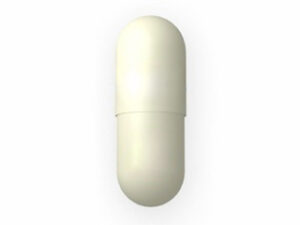
- Common forms: Oral capsules
- Uses: Pain relief and inflammation control for approved conditions
- Availability in Australia: Widely available through pharmacies (stock and access can vary by strength and supply)
How Celebrex works (mechanism of action)
Inflammation and pain are driven in part by prostaglandins, substances produced by the body through enzymes called cyclooxygenases (COX-1 and COX-2). Many NSAIDs affect both COX-1 and COX-2, which helps reduce pain but can also increase the risk of stomach and intestinal irritation.
Celecoxib is more selective for COX-2. By reducing COX-2–related prostaglandin production, Celebrex helps to:
- Reduce pain
- Reduce inflammation
- Lower related swelling
Because celecoxib preferentially inhibits COX-2, it may be associated with fewer upper gastrointestinal side effects than some non-selective NSAIDs for some patients, though risk is not removed and can still occur.
Pharmacokinetics (how the body handles celecoxib)
Pharmacokinetics describes what happens to a medicine after you take it.
| Property | What to expect |
|---|---|
| Absorption | Celecoxib is absorbed from the gastrointestinal tract after an oral dose. Peak effects occur after the drug concentration rises to its maximum in the blood. |
| Time to peak concentration (Tmax) | Typically around 2–3 hours after dosing (may vary by individual and with food). |
| Food effects | Food may delay absorption and slightly affect peak timing, but overall absorption is usually not dramatically reduced. |
| Distribution | Celecoxib distributes throughout the body, including tissues affected by inflammation. |
| Metabolism | Primarily metabolised by the liver (notably CYP2C9 pathways). |
| Elimination | Excreted mainly as metabolites (primarily via kidneys and bile pathways). |
Half-life: Celecoxib has an elimination half-life of roughly 8–12 hours in many adults, supporting once or twice daily regimens depending on the indication and dose.
Typical uses of Celebrex
Celebrex is used to relieve pain and inflammation related to specific conditions. The exact approved uses depend on product registration and local guidance.
Common indications include
- Osteoarthritis (degenerative joint disease), such as pain in the knee or hip
- Rheumatoid arthritis (inflammatory arthritis)
- Ankylosing spondylitis (inflammatory back pain/arthritis)
- Acute pain in some situations (e.g., short-term relief of certain acute painful conditions)
Not for everyone: NSAIDs are not suitable for all patients. Your health history, cardiovascular risk, stomach/ulcer history, kidney function, and other medicines can influence whether Celebrex is appropriate.
Timing and how to take Celebrex
The dosing schedule depends on your condition and the prescribed regimen. Follow the CMI and your label directions.
When it starts working
- Some people notice pain relief within hours.
- For chronic inflammatory conditions, it may take several days to weeks to reach maximum benefit.
How to take it
- Take with a glass of water.
- Swallow capsules whole (unless your CMI instructs otherwise).
- Try to take it at the same times each day if on a regular schedule.
Missed dose
- If you miss a dose, take it when you remember unless it is close to the next dose.
- Do not take two doses at once to make up for a missed dose.
Food interactions
Food can influence the timing of absorption. In practical terms:
- Celebrex can usually be taken with or without food.
- Taking with food may help some people with stomach comfort.
- If you are switching from taking it on an empty stomach to taking it with meals (or vice versa), note that the onset timing may differ slightly.
Tip: If you experience stomach upset, consider taking with food (unless your instructions say otherwise).
Alcohol and medicine interactions
Alcohol
Combining NSAIDs with alcohol can increase the risk of stomach irritation, bleeding, and ulcer complications. Alcohol may also worsen certain side effects such as dizziness or stomach discomfort.
- Best approach: Limit or avoid alcohol while taking Celebrex.
- If you choose to drink, do so cautiously and avoid heavy drinking.
Common medicine interactions
Celecoxib can interact with other medicines. Because your exact risk depends on the combination, the dose, and your health conditions, it’s important to check with a pharmacist or clinician.
- Other NSAIDs (e.g., ibuprofen, naproxen, diclofenac): generally avoid combining unless specifically directed, due to increased gastrointestinal and kidney risk.
- Aspirin: low-dose aspirin may be used for heart protection, but combining can increase bleeding risk. Do not stop aspirin without medical advice.
- Blood thinners (e.g., warfarin): increased risk of bleeding; monitoring may be required.
- Antiplatelet medicines (e.g., clopidogrel): may increase bleeding risk.
- Selective serotonin reuptake inhibitors (SSRIs) and other antidepressants affecting serotonin: can increase bleeding risk when combined with NSAIDs.
- Corticosteroids (e.g., prednisolone): may increase gastrointestinal side effects.
- Blood pressure medicines (ACE inhibitors, ARBs, diuretics): NSAIDs can reduce kidney function and can affect blood pressure control in some patients.
- Diuretics: may increase risk of kidney problems, especially if dehydrated.
- Digoxin and lithium: NSAIDs can increase levels, leading to toxicity in some cases.
- Methotrexate: NSAIDs may increase methotrexate levels (particularly at higher methotrexate doses), increasing toxicity risk.
- Cytochrome P450 (CYP2C9) inhibitors/inducers: some medicines can change celecoxib levels. Examples include certain antifungals and antibiotics (inhibitors) and some anticonvulsants (inducers).
Always tell your pharmacist about all medicines you take, including over-the-counter products, vitamins, herbal supplements (e.g., St John’s wort), and “natural” pain relievers.
Safety profile and important precautions
Like all medicines, Celebrex can cause side effects. Most are mild, but some can be serious. Celecoxib is associated with known NSAID risks, including gastrointestinal and cardiovascular risks, kidney effects, and allergic reactions.
Serious risks—get urgent help if these occur
- Signs of gastrointestinal bleeding: vomiting blood, black/tarry stools, or blood in stool
- Severe allergic reaction: facial/lip swelling, wheezing, severe rash, or difficulty breathing
- Chest pain, shortness of breath, weakness on one side, or sudden severe headache (possible cardiovascular or cerebrovascular event)
- Reduced urine output, swelling of legs/ankles, or severe dehydration (possible kidney problem)
- Severe skin reactions: blistering, peeling rash, or sores in mouth/eyes
Common side effects
- Indigestion, stomach discomfort, nausea
- Headache
- Dizziness
- Swelling due to fluid retention (oedema) in some individuals
- Raised blood pressure in susceptible people
Who should be extra cautious
- History of stomach ulcers or gastrointestinal bleeding
- Heart disease, stroke history, or significant cardiovascular risk
- Kidney disease or dehydration (e.g., vomiting/diarrhoea)
- Uncontrolled high blood pressure
- Liver impairment
- NSAID allergy or asthma that worsens with NSAIDs
- Use of blood thinners or multiple medicines that affect bleeding risk
- Older adults (risk can be higher)
General advice: Use the lowest effective dose for the shortest necessary duration. This approach may reduce the chance of side effects.
Practical use tips
- Track pain relief: Note when it helps and how much (e.g., morning stiffness, ability to walk).
- Consider timing with activity: If pain flares during the day, take it according to your regimen so peak effect aligns with your most active hours.
- Stay hydrated: Especially in hot weather or if you are unwell. Dehydration increases kidney risk with NSAIDs.
- Avoid stacking NSAIDs: Don’t take ibuprofen/naproxen/diclofenac “on top” unless specifically instructed.
- Use paracetamol as a safer add-on: For many people, paracetamol may be a safer option for additional pain relief than another NSAID—confirm for your situation with a pharmacist.
- Know your warning signs: Keep watch for black stools, worsening stomach pain, unusual bruising/bleeding, breathlessness, or reduced urination.
Dosing overview (general information)
Dosing varies by indication, age, kidney/liver function, and other medicines. The following is general guidance to help you understand typical regimens; use your own label instructions.
Factors that can affect your dose
- Condition being treated (osteoarthritis vs rheumatoid arthritis vs ankylosing spondylitis vs acute pain)
- Severity of symptoms
- Risk factors (stomach/bleeding risk, cardiovascular risk, kidney function)
- Concomitant medicines and possible interactions
- Age and overall health
Example dosing patterns (commonly used regimens)
- Osteoarthritis: often taken once daily or divided (depending on strength and prescriber plan)
- Rheumatoid arthritis / Ankylosing spondylitis: may be taken one or two times daily
- Acute pain situations: usually short-term, with dosing aligned to the specific indication
Key point: Do not adjust your dose without professional advice. If you believe the medicine is too strong/weak or you’re not getting relief, speak with your pharmacist or doctor rather than changing it yourself.
Indications and expected benefits
Celebrex is intended for symptomatic relief—reducing pain and inflammation. It does not “cure” underlying joint disease, but can improve daily function.
What improvements you might notice
- Reduced joint pain and tenderness
- Improved mobility and range of movement
- Less morning stiffness (especially in inflammatory arthritis)
- Better ability to perform everyday tasks
If you are not experiencing any benefit after an appropriate trial period, discuss alternatives or adjustments with a healthcare professional.
Alternative options
Depending on your condition, alternatives may include other analgesics, topical treatments, physical approaches, or different medicine classes. Your best option depends on your medical history and risk profile.
Other pain and inflammation options
- Topical NSAIDs (e.g., topical diclofenac): helpful for some localized osteoarthritis pain with lower systemic exposure
- Paracetamol (acetaminophen): can help mild to moderate pain for many people
- Non-selective NSAIDs: such as ibuprofen or naproxen (may carry different risk profiles)
- Other anti-inflammatory medicines for rheumatoid arthritis (disease-modifying options are separate from NSAIDs)
- Non-drug approaches: exercise/physiotherapy, weight management, heat/cold therapy, and assistive devices
When to seek advice rather than switching
- If you have new stomach symptoms, bleeding, or breathing problems
- If pain worsens despite treatment
- If you have cardiovascular or kidney risk factors
- When multiple medicines are involved (to avoid interactions)
Market and legal context in Australia (overview)
In Australia, medicines are regulated by the Therapeutic Goods Administration (TGA). Availability, supply rules, and prescribing requirements can vary by product type and strength. Most oral NSAIDs and anti-inflammatory medicines are supplied under Australia’s medication scheduling and pharmacy supply arrangements.
Pharmacy supply: Many NSAID products are available with pharmacist involvement, and some medicines may require review of your health history and other medicines before supply. Always provide accurate information to your pharmacist.
Product information: Celexolecoxib products in Australia will have an approved Consumer Medicines Information (CMI) and labelling with key instructions and warnings.
Recent guidance and evidence considerations (general)
Clinical guidance and safety updates for NSAIDs continue to emphasise:
- Lowest effective dose for the shortest duration
- Careful assessment of cardiovascular risk and gastrointestinal risk
- Regular review of ongoing need for NSAID therapy, especially for long-term use
- Extra caution in older adults, people with kidney impairment, and those taking medicines that increase bleeding risk
Recommendations can differ between patient groups and depend on current clinical evidence. Your pharmacist can help you interpret guidance for your specific circumstances.
Delivery and availability (online pharmacy)
Availability of Celebrex may vary by strength and supply chain. Most online pharmacies in Australia aim to:
- Hold common strengths in stock
- Source alternative strengths if unavailable (timing can vary)
- Dispatch orders quickly after verification and processing
Delivery considerations
- Packaging: Medicines are shipped in tamper-evident packaging where applicable.
- Temperature: Celebrex capsules generally do not require special temperature storage unless stated on the label.
- Delivery time: Depends on your location, order processing time, and courier service.
Before ordering: Check the strength (e.g., mg), quantity, and expiry date where shown in your order page. If you are unsure which strength suits you, ask a pharmacist.
FAQ
1) Is Celebrex the same as ibuprofen?
No. Both are NSAIDs, but they differ in selectivity and risk profile. Celebrex (celecoxib) is more COX-2 selective than many traditional NSAIDs like ibuprofen.
2) How long does Celebrex take to work?
Many people notice some relief within hours. For conditions such as osteoarthritis or inflammatory arthritis, it may take several days to weeks to feel the full benefit.
3) Can I take Celebrex with food?
Yes. Celebrex can generally be taken with or without food. Taking it with food may reduce stomach discomfort for some people.
4) Can I drink alcohol while taking Celebrex?
It’s best to limit or avoid alcohol. Alcohol combined with NSAIDs can increase the risk of stomach irritation and bleeding.
5) What should I avoid while on Celebrex?
- Avoid combining with other NSAIDs unless advised (e.g., ibuprofen, naproxen).
- Be cautious with alcohol.
- Check interactions with blood thinners, antidepressants, blood pressure medicines, corticosteroids, and other medicines.
6) What if I miss a dose?
Take it when you remember unless it is close to your next dose. Do not take two doses together.
7) Who should not use Celebrex or should use it only with extra caution?
People with a history of NSAID allergy or NSAID-exacerbated asthma, those with certain stomach ulcer/bleeding history, significant kidney disease, certain cardiovascular risk situations, or who take interacting medicines may need careful assessment. Speak to a pharmacist for personalised advice based on your history.
8) Can Celebrex be used long-term?
It can be used long-term for some chronic conditions, but it should be reviewed regularly. Using the lowest effective dose and monitoring for side effects is important.
9) Are there safer alternatives if I’m worried about stomach side effects?
Some patients may benefit from topical NSAIDs, paracetamol, or non-drug approaches. In certain cases, a pharmacist or doctor may consider strategies to reduce gastrointestinal risk. The best option depends on your risk factors.
10) When should I seek urgent medical help?
Seek urgent help if you have signs of gastrointestinal bleeding (black stools, vomiting blood), severe allergic reactions (swelling, wheezing, rash), chest pain, sudden weakness, severe shortness of breath, fainting, or signs of severe skin reactions.
Need personalised advice? If you have questions about whether Celebrex is suitable for you, or you’re concerned about interactions with your current medicines, contact a pharmacist. They can also help you choose the correct strength and dosing schedule for your condition.