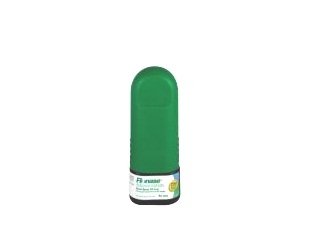
Fluticasone (Fluticasone propionate) – Patient Information (Australia)
Fluticasone is a widely used corticosteroid medicine that helps reduce inflammation in the airways and nasal passages. It is available in different forms depending on the condition being treated, including nasal sprays and inhalers for respiratory symptoms. When used correctly, fluticasone can improve breathing and reduce flare-ups caused by inflammation.
This guide is written to help you understand how fluticasone works, what to expect, and how to use it safely. Always follow the instructions provided with your specific product and talk to a pharmacist or doctor if you have questions.
At a Glance
- Medicine: Fluticasone (commonly as fluticasone propionate)
- Type: Corticosteroid (anti-inflammatory)
- Common forms in Australia: Nasal spray; inhalers for asthma and/or COPD
- Key benefit: Reduces swelling and inflammation
- Important note: Works best when used regularly (many conditions require consistent daily use)
Basic Product Information
Fluticasone belongs to the glucocorticoid class of medicines. It helps control symptoms by targeting inflammation at the site of use—such as the lining of the nose or airways.
Because fluticasone comes in multiple products and strengths, your dose and timing depend on:
- Whether it is nasal or inhaled
- Your diagnosis (e.g., allergic rhinitis vs asthma)
- Your age and specific product strength
- How symptoms respond
In Australia, availability may vary by brand and formulation. Some products may be available without a prescription while others may require clinician involvement depending on strength and formulation.
How Fluticasone Works (Mechanism of Action)
Fluticasone is an anti-inflammatory corticosteroid. After it is applied to the nose or inhaled into the lungs, it reduces inflammation by:
- Decreasing inflammatory chemical mediators (e.g., cytokines)
- Reducing recruitment of inflammatory cells to tissues
- Stabilising cell responses that contribute to swelling and mucus production
In practical terms, this means fluticasone helps to: prevent symptom flare-ups rather than provide instant relief like “rescue” medicines.
Pharmacokinetics (Absorption, Distribution, Metabolism, Excretion)
Pharmacokinetics describes what the body does with a medicine (absorption, distribution, metabolism, and elimination). Exact values depend on the formulation (nasal vs inhaled), dose, technique, and individual factors.
Absorption
- Inhaled fluticasone: A portion reaches the lungs; some may be swallowed after inhalation.
- Nasal fluticasone: A small amount may be absorbed through the nasal lining and may also be swallowed.
Distribution
- Fluticasone is distributed to tissues, with effects largely local to the nose or lungs.
Metabolism
- Fluticasone is primarily metabolised by CYP3A4 in the liver (and to some extent in the gut).
- This is why interactions with strong CYP3A4 inhibitors (e.g., some antifungals and antibiotics) can increase fluticasone exposure.
Excretion
- Metabolites are excreted mainly via the faeces (after biliary elimination).
Typical Uses and Indications
Fluticasone is used for conditions where inflammation plays a major role.
| Product form | Common indications (examples) | Typical symptom focus |
|---|---|---|
| Nasal spray | Allergic rhinitis (hay fever); non-allergic rhinitis; sinus inflammation with inflammatory features (depending on local product guidance) | Sneezing, blocked/runny nose, nasal itching, post-nasal drip |
| Inhaled fluticasone (often with other asthma/COPD medicines) | Asthma maintenance; COPD maintenance in combination products (depending on product formulation) | Breathing difficulty due to airway inflammation; prevention of exacerbations |
Not usually for rapid symptom relief. If you have asthma, fluticasone is typically used to control symptoms over time. Faster-relief medicines (often bronchodilators) are used to treat sudden symptoms. Speak with a clinician to ensure you know which medicine to use when symptoms flare.
When and How to Take It (Timing and Use)
Nasal spray timing
- Many people use fluticasone nasal spray once daily (or as directed).
- For some conditions, your clinician may recommend twice daily dosing.
- Symptoms often improve within a few days, but the full benefit can take several days to 1–2 weeks.
Inhaler timing
- Use inhaled fluticasone regularly at the times advised.
- If you have morning symptoms, morning dosing may be chosen; otherwise, dosing schedules may vary.
- Breathing improves gradually as inflammation settles; the medicine is typically not immediate.
Consistency is key
Missing doses may reduce control of inflammation. If you forget a dose, take it as soon as you remember unless it is close to the time of the next dose. Do not double up unless your product instructions say to.
Food Interactions
Fluticasone has limited direct food interactions, especially for properly used nasal sprays and inhalers. However, there are practical considerations:
- Inhaled products: Some medication may be swallowed. This generally does not require food-related restrictions, but technique affects how much is swallowed.
- Swallowing and reflux: If you have reflux or throat irritation, correct technique and rinsing after inhalation may help comfort.
If your product label includes specific dietary advice, follow that guidance.
Alcohol and Medicine Interactions
Alcohol
Moderate alcohol intake is not commonly associated with a direct interaction with fluticasone. However, alcohol may worsen symptoms for some people (for example, by affecting sleep, reflux, or respiratory comfort).
- If alcohol triggers your asthma symptoms or worsens nasal congestion, consider reducing intake and monitor symptoms.
Important medicine interactions (examples)
The most clinically relevant interactions relate to metabolism via CYP3A4. Tell your pharmacist or doctor about all medicines you take, including:
- Strong CYP3A4 inhibitors (can increase fluticasone levels):
- Certain antifungal medicines (e.g., ketoconazole, itraconazole)
- Certain antibiotics (e.g., clarithromycin)
- Some HIV medicines (depending on the specific agent)
- Other corticosteroids (oral or high-dose inhaled):
- May increase overall steroid exposure.
- Clinicians may need to adjust doses and monitor effects.
- Other inhalers/nasal medicines used for the same condition:
- Interactions are usually manageable, but do not switch or combine products without guidance.
If you are starting a new medicine, ask whether it could affect fluticasone exposure.
Dosing (General Information)
Dosing depends on the specific product strength and the condition being treated. Always use the dose on your product label or as directed by your clinician.
General dosing principles
- Use the lowest effective dose that controls symptoms.
- Review regularly after symptom control is achieved.
- Do not stop suddenly without medical advice if you have been using higher doses for a prolonged period (especially for inhaled or combined corticosteroid regimens).
Typical dosing examples (illustrative)
Fluticasone is available in multiple strengths. The following are illustrative patterns only—always confirm your dose with your specific product instructions:
- Nasal spray: Often once daily in adults; some individuals may use twice daily depending on severity.
- Inhaled fluticasone: Usually taken once or twice daily depending on the product and whether it is combined with other asthma/COPD medicines.
If you share the exact product name/strength (or the active ingredient and strength written on the packaging), a pharmacist can help confirm the correct usage approach for your product.
Practical Use Tips (Nasal Spray and Inhaler)
Nasal spray technique (key steps)
- Gently blow your nose before using.
- Shake the bottle if your product requires it (check label).
- Use the spray as directed, aiming slightly outward (toward the ear), not directly toward the nasal septum.
- Inhale gently through the nose as you spray (if instructed by your product).
- Avoid sniffing hard immediately after spraying.
- Wipe the nozzle and replace the cap.
- Report persistent nosebleeds, severe dryness, or ulceration.
Inhaler technique (key steps)
Correct technique is one of the biggest factors affecting how well fluticasone works.
- Check which device you have (e.g., pressurised metered-dose inhaler, dry powder inhaler).
- Use the device steps exactly as shown on the manufacturer leaflet.
- Rinse your mouth (and gargle/spit if relevant) after using inhaled corticosteroids to reduce mouth/throat side effects.
- Use a spacer if recommended for your device; it can improve delivery and reduce irritation.
If you are unsure about your technique, consider asking your pharmacist or using a device instruction service.
Safety Profile and Side Effects
Common side effects
- Nasal spray: Mild nose irritation, dryness, sneezing, headache; occasional nosebleeds.
- Inhaled fluticasone: Hoarseness, sore throat, cough; oral thrush (thrush risk is reduced by rinsing after use).
Less common but important effects
- Systemic steroid effects: With higher doses over time, some people may experience systemic effects (e.g., effects on bone, adrenal suppression). This is less likely with properly used local therapies but risk may rise with high doses or combined steroid exposure.
- Eye effects: In some patients, prolonged steroid exposure can be associated with cataracts or glaucoma—discuss risk and monitoring with your clinician.
- Growth concerns (children): Clinicians may monitor growth in children on long-term inhaled corticosteroids.
When to seek urgent help
Get urgent medical advice if you experience signs of severe allergy (e.g., swelling of the face/lips, breathing difficulty, hives), or if you have severe wheezing and feel your breathing is rapidly worsening.
Extra caution if you have
- Active or recurrent infections in the mouth/throat or nose
- Untreated tuberculosis or certain chronic infections (clinicians may assess suitability)
- Eye problems such as glaucoma or cataracts
- Any condition where systemic steroid exposure is a concern
Delivery, Device Care, and Storage
- Store at controlled room temperature (check the label).
- Keep out of reach of children.
- Do not freeze.
- For sprays/inhalers with a mouthpiece or nozzle, keep it clean and follow cleaning instructions to maintain proper spray/aerosol delivery.
If your inhaler or nasal spray appears to stop working or deliver inconsistently, do not continue guessing—ask a pharmacist about troubleshooting or replacement.
Alternative Options
Depending on your condition and the product form you use, there may be alternative medicines. Options may include:
- Other intranasal corticosteroids for allergic rhinitis (e.g., budesonide, mometasone—availability varies by product and local guidance)
- Non-steroid options for some people with allergic rhinitis:
- Antihistamine nasal sprays
- Oral antihistamines
- Leukotriene receptor antagonists (more relevant to asthma-related inflammation)
- For asthma/COPD: Alternative inhaled anti-inflammatory strategies may include combination inhalers containing different corticosteroids or a different class of controller medicines.
The “best” alternative depends on symptom pattern, severity, side effects, device preference, and other medicines you take.
Market and Legal Context in Australia
In Australia, medicines are supplied according to the Australian Government’s regulatory framework, including scheduling and pharmacist responsibilities. Availability and classification can vary between:
- Different product brands and strengths
- Nasal vs inhaled formulations
- Whether the product is listed for over-the-counter supply or requires pharmacist/clinician involvement
Online pharmacies must comply with relevant state and federal requirements for supply, identity checks where required, and safe dispensing practices. If a product requires additional clinical details, a pharmacist may contact you or ask screening questions before supply.
Recent guidance (general)
Guidance in Australia has emphasised:
- Correct inhaler technique to reduce side effects and improve effectiveness
- Regular review of controller use in asthma to ensure the lowest effective dose
- Monitoring for steroid-related side effects in longer-term or higher-dose use
- Adherence to recommended action plans for asthma flare-ups
Local advice may be updated as new clinical evidence and regulator communications become available.
Delivery and Availability
Availability of fluticasone products can vary by brand, formulation (nasal spray vs inhaler), and strength. Online pharmacy supply typically depends on:
- Stock levels
- Formulation required (nasal/inhaled; device type)
- How the product is scheduled and any screening requirements
Delivery timelines vary across Australia. After you order, you’ll typically receive:
- Order confirmation
- Shipping notification with tracking details
- Information on any out-of-stock or substitution policies (if applicable)
If you have urgent symptoms (for example, signs of an asthma exacerbation), seek appropriate medical help rather than relying on delivery timing.
FAQ
1) How long does fluticasone take to work?
Many people notice symptom improvement within a few days, particularly with nasal sprays. The full effect may take several days to 1–2 weeks, especially for allergic rhinitis. With inhaled therapy, consistent daily use helps controller effect build over time.
2) Can I use fluticasone for sudden breathing difficulty?
Fluticasone is designed to reduce inflammation over time and is generally not a rescue medicine. If you have asthma, your action plan typically includes a faster-relief medicine for sudden symptoms. Ask your pharmacist for clarification about your specific regimen.
3) Will fluticasone cure allergies or asthma?
Fluticasone helps control inflammation and reduce symptoms, but it usually does not “cure” the condition. Ongoing management can improve long-term outcomes.
4) Is fluticasone safe to use long-term?
Many people use fluticasone long-term as controller therapy under medical advice. Using the lowest effective dose and having regular reviews reduces risk. If you develop persistent side effects or infections, seek advice promptly.
5) How can I reduce thrush risk with inhaled fluticasone?
Rinse your mouth after each dose and spit out the water (do not swallow). Consider using a spacer if recommended for your device. If you notice white patches in the mouth, burning, or worsening throat pain, contact a pharmacist or clinician.
6) Can children use fluticasone?
Some fluticasone products are used in children for appropriate indications. Dosing must be age-appropriate and device technique is especially important. Discuss the safest option and dosing with a pharmacist or doctor.
7) What should I do if I miss a dose?
If you remember soon after, take it as soon as possible. If it is near the next dose, skip the missed dose and continue as normal. Do not double doses unless your product instructions say to.
8) Can I take fluticasone with other medicines?
Many medicines can be taken alongside fluticasone, but some strong interactions (particularly with CYP3A4 inhibitors) may increase fluticasone exposure. Inform a pharmacist about all medicines, including antifungals, antibiotics, and HIV medicines.
9) Does alcohol affect fluticasone?
There is no common direct interaction, but alcohol may worsen respiratory comfort or reflux in some people. Monitor your symptoms and seek advice if you notice consistent worsening after alcohol.
10) Why do my symptoms improve then come back?
Inflammatory conditions can fluctuate due to allergens, infections, smoke, or other triggers. Fluticasone works by controlling inflammation; missing doses, incorrect technique, or exposure to triggers can reduce effectiveness. If control is inadequate, talk to your pharmacist or clinician.
Summary
Fluticasone is a corticosteroid medicine used to treat inflammation in the nose or airways. It works by reducing inflammatory processes, helping relieve symptoms and preventing flare-ups when used consistently. While it is generally well-tolerated, correct technique and rinsing after inhaled use can minimise side effects such as throat irritation or thrush. If you experience persistent side effects or worsening symptoms, seek medical advice promptly.