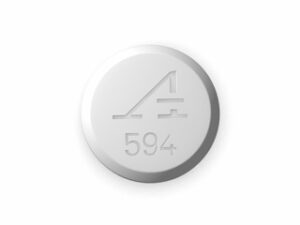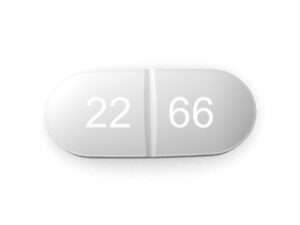


Colofac (Mebeverine Hydrochloride) – Patient Guide (Australia)
Colofac contains mebeverine hydrochloride, a medicine used to relieve symptoms of bowel spasm and discomfort. It is commonly used for conditions such as irritable bowel syndrome (IBS). This guide explains how Colofac works, when and how to take it, what to expect, and important safety information.
This information is designed to help you understand your medicine and use it safely. Always read the consumer medicine information (CMI) provided with the product and follow the directions on the label.
Quick overview
- Medicine: Colofac
- Active ingredient: Mebeverine hydrochloride
- Common uses: IBS and other bowel spasm-related symptoms
- How it helps: Helps relax intestinal smooth muscle and reduces cramping
- Typical form: Oral capsules (depending on the brand pack you receive)
Basic product information
In Australia, Colofac is an established brand of mebeverine, used to treat symptoms associated with spasms of the gut. The exact capsule strength and dosing instructions can vary by product presentation. Check your specific pack for the exact amount of mebeverine per dose.
| Feature | What it means for you |
|---|---|
| Active ingredient | Mebeverine hydrochloride |
| Drug type | Antispasmodic (targets bowel muscle spasm) |
| Used for | Cramping, abdominal pain, bowel spasm symptoms (often IBS) |
| How it’s taken | By mouth, usually before meals (see “Timing” section) |
| Where it works | Primarily in the gastrointestinal tract |
How Colofac works (mechanism of action)
Mebeverine is an antispasmodic. It helps reduce the muscle spasms that can cause:
- Crampy abdominal pain
- Sudden tightening sensations in the gut
- Discomfort related to bowel movement changes
While the precise cellular actions are complex, the practical outcome is that mebeverine helps relax the smooth muscle lining the intestines and reduces spasm-related symptoms without strongly affecting normal bowel movement patterns for many people.
Pharmacokinetics (what happens to the medicine in the body)
“Pharmacokinetics” describes how your body absorbs, processes, and eliminates a medicine. For mebeverine, key points include:
- Absorption: Mebeverine is absorbed after oral dosing.
- Metabolism: It is metabolised (broken down) mainly in the body.
- Active breakdown products: The body converts mebeverine into metabolites that contribute to its overall effect.
- Elimination: Metabolites are mainly excreted through urine (and to a lesser extent via other routes).
Your experience may vary depending on dose, formulation, and individual factors such as age, liver function, and other medicines.
What Colofac is used for (indications)
Colofac is typically used to help relieve symptoms caused by bowel spasm. In everyday practice, it is often used in people with irritable bowel syndrome (IBS), particularly when symptoms include:
- Abdominal cramping
- Lower abdominal pain
- Discomfort associated with spasm
If your symptoms are new, worsening, or accompanied by alarm features (for example, unexplained weight loss, bleeding, persistent vomiting, fever, or anaemia), you should seek medical advice promptly—IBS-like symptoms can occasionally signal other conditions that need different management.
Timing: when to take Colofac
Many people take antispasmodic medicines like Colofac before meals to help reduce cramping triggered by digestion. However, dosing schedules vary by formulation and the strength on your pack.
General timing tips
- Follow your pack instructions for dose and frequency.
- If you’re advised to take it before meals, take your dose roughly 15–30 minutes before eating.
- For symptoms that flare unpredictably, some people find taking it before planned meals helps more than taking it after symptoms start.
- Try to take doses at consistent times each day to maintain symptom control.
Dosing: how much to take
Always check the strength written on your specific Colofac product and follow the instructions on the label or pack. Below are typical dosing principles used with mebeverine-containing products; your pack may differ.
Typical adult dosing principles
- Adults: Usually taken multiple times daily, commonly before meals.
- Children: Suitability and dosing depend on age and formulation; follow the product instructions and seek advice if unsure.
- Older adults: Many can use mebeverine, but it’s important to review other medicines and any medical conditions.
Do not increase your dose to “catch up” if you miss one—take your next dose at the regular time.
If you miss a dose
- Take it when you remember unless it’s close to the next scheduled dose.
- If it’s almost time for the next dose, skip the missed dose and continue as normal.
Food interactions
Food can influence how symptoms feel and how quickly you notice benefit from antispasmodics. For mebeverine products, the practical approach is often to take doses before meals if your healthcare professional or pack instructions recommend this.
- Take with or without food: If your pack allows either, consistency matters—many people take it before meals for symptom control.
- Stay aware of triggers: IBS triggers vary (for example, certain foods, stress, caffeine). Keeping a simple symptom diary can help identify patterns.
If you experience stomach upset or feel the medicine doesn’t suit you, discuss options with a pharmacist.
Alcohol interactions
There are no universally expected “dangerous” interactions between mebeverine and alcohol, but alcohol may worsen IBS symptoms in some people. This can make it harder to judge whether Colofac is working.
- IBS symptoms: Alcohol can trigger cramping, diarrhoea, or discomfort in susceptible individuals.
- Best approach: If you notice your symptoms flare after alcohol, consider limiting intake.
- Safety: If you feel dizzy, unwell, or your symptoms worsen, avoid alcohol and seek advice.
Interactions with other medicines
Colofac (mebeverine) may interact with other medicines in some situations, though serious interactions are not common for many users. Always review your medication list with a pharmacist, especially if you take:
- Medicines for bowel conditions
- Anticholinergic medicines
- Medicines that affect liver enzyme activity
- Multiple medicines for chronic conditions
What to do: Tell your pharmacist about all medicines, vitamins, herbal products, and supplements you use. If you use “over-the-counter” treatments for diarrhoea or constipation, include them in your list.
Safety profile and important precautions
Most people tolerate mebeverine well. However, like all medicines, Colofac can cause side effects. The following sections summarise common concerns and when to seek advice.
Common side effects
- Mild gastrointestinal discomfort
- Headache
- Nausea (uncommon)
Side effects vary between individuals. If symptoms you experience are severe or persistent, stop and seek advice from a healthcare professional.
Allergic reactions (seek urgent advice)
Stop using Colofac and seek urgent medical help if you develop signs of allergy, such as:
- Swelling of the face, lips, tongue, or throat
- Difficulty breathing or wheezing
- Widespread rash or hives
Who should be cautious
- Pregnancy: Discuss with a healthcare professional if you are pregnant or planning pregnancy.
- Breastfeeding: Ask for advice before use.
- Liver or kidney impairment: Some people may need careful review; ask your pharmacist for guidance.
- Children: Use only if appropriate for the child’s age as per the product instructions.
When to get medical advice promptly
Seek prompt medical evaluation if you have any of the following:
- Unintentional weight loss
- Blood in stools or black/tarry stools
- Persistent fever
- Ongoing vomiting or inability to keep fluids down
- Severe or worsening pain that doesn’t respond to usual treatment
- New symptoms beginning later in life
Practical use tips (how to get the best results)
Colofac can help many people, but IBS management is usually more effective when medication is combined with practical strategies. Consider these tips:
- Use consistently: Take doses at the same times each day during flares.
- Identify triggers: Caffeine, spicy foods, high-fat meals, and certain carbohydrates may worsen symptoms for some people.
- Hydration and fibre: Staying hydrated and adjusting fibre gradually can support bowel regularity.
- Stress management: Stress can worsen gut sensitivity. Techniques such as walking, breathing exercises, or mindfulness may help.
- Symptom diary: Track meals, stress, bowel habits, and pain to spot patterns.
- Check response time: Some people notice improvement quickly after starting, while others take several days to see a consistent effect.
What to expect: onset of action
Many antispasmodics are designed to reduce cramping associated with digestion. Some symptom relief may occur soon after dosing, especially around meal-related flares. For best assessment of benefit, allow a short period of consistent use as directed on your pack.
If there is little improvement after trying Colofac as directed, consider discussing alternative options with a pharmacist or healthcare professional, particularly if symptoms are frequent or worsening.
Alternative options for IBS and bowel spasm symptoms
If Colofac doesn’t provide enough relief, several other approaches may be considered. Alternatives depend on whether your symptoms are dominated by diarrhoea, constipation, pain, or bloating.
Medication options (examples)
- Other antispasmodics (for cramping/pain)
- Laxatives or stool softeners (for constipation-predominant symptoms)
- Anti-diarrhoeal treatments (for diarrhoea-predominant symptoms)
- Medicines targeting IBS-related bowel activity (for selected cases, depending on symptom pattern)
Non-medicine options
- Dietary adjustment (for example, reducing known personal triggers)
- Low FODMAP approaches under guidance
- Soluble fibre (e.g., psyllium) for some people
- Regular exercise
- Stress and gut-brain strategies
Your best alternative depends on your dominant symptoms and personal medical history.
Market and legal context in Australia (what this means for you)
Medicines in Australia are regulated under national frameworks that include the Therapeutic Goods Administration (TGA). Availability can vary based on how a product is classified (for example, whether it is available via pharmacy or as an “over-the-counter” item).
Colofac is sold through Australian pharmacy supply channels. Packaging and instructions are prepared to support consumer understanding, with safety warnings included in the CMI and on the product label.
Always check: the product you receive (brand and strength) and follow the directions provided with it.
Recent guidance and best-practice considerations
In IBS care, current best-practice approaches typically emphasise a combination of:
- Accurate symptom assessment (to confirm IBS and exclude red flags)
- Tailored treatment based on dominant symptoms (pain/cramps, diarrhoea, constipation, or bloating)
- Lifestyle and dietary strategies alongside medication
- Reviewing treatment response after an appropriate trial period
If you have ongoing or severe symptoms, persistent symptoms despite adequate trials, or any alarm features, consult a healthcare professional for further evaluation and a personalised plan.
Delivery and availability (Australia)
Many online pharmacies in Australia can deliver Colofac to eligible addresses. Availability may depend on local stock levels and the specific pack size/strength.
Delivery considerations
- Shipping times: Delivery timeframes vary by location and service level.
- Packaging: Medicines are typically shipped in protective packaging to maintain integrity during transit.
- Cold chain: Colofac generally does not require refrigeration under normal storage conditions.
On checkout, you’ll usually see estimated delivery options and costs. If the medicine is temporarily out of stock, you may be offered alternatives or an estimated restock date.
Storage
- Store at room temperature according to the pack instructions.
- Keep in the original packaging to protect from light and moisture.
- Keep out of reach of children.
- Do not use after the expiry date on the pack.
FAQ (Frequently Asked Questions)
1) Is Colofac the same as treatment for IBS?
Colofac contains mebeverine, an antispasmodic commonly used for IBS symptoms—particularly cramping and pain related to gut spasm. However, IBS diagnosis and symptom patterns vary, so your overall plan may include lifestyle and other treatments.
2) How quickly should I feel better?
Some people notice relief around meal times or shortly after starting. For others, consistent use for several days is needed to judge benefit. If you feel no improvement after following the pack directions, consider discussing alternatives.
3) Should I take Colofac with food?
Many schedules recommend taking it before meals, since meals can trigger cramping. If your pack instructions allow taking with or without food, choose a routine that you can stick to and helps control symptoms.
4) Can I drink alcohol while taking Colofac?
There is no universally expected severe interaction, but alcohol can worsen IBS symptoms. If alcohol makes your symptoms flare, reducing or avoiding alcohol may improve comfort.
5) What should I do if I miss a dose?
Take the missed dose when you remember unless it’s close to the next dose. Otherwise, skip it and continue your usual schedule. Don’t double up.
6) Are there any serious side effects?
Serious side effects are uncommon, but allergic reactions can occur. Seek urgent help for swelling of the face/lips/tongue, trouble breathing, or widespread rash/hives.
7) Can Colofac be used long term?
Some people use it during symptom flares, while others may use it more regularly if it helps and is appropriate. Long-term use should be reviewed based on symptom control and any changes in your health.
8) Who should not take Colofac?
People who have had an allergic reaction to mebeverine or any ingredients in the product should avoid it. Suitability for pregnancy, breastfeeding, children, and people with certain medical conditions should be discussed with a pharmacist or healthcare professional.
9) Does Colofac treat constipation or diarrhoea directly?
Colofac primarily targets spasm-related discomfort and cramping. It may indirectly help symptoms by reducing pain and spasm. If your main issue is constipation or diarrhoea, other targeted treatments may be needed.
10) What if my symptoms are getting worse?
If symptoms worsen, become frequent, or you develop warning signs (bleeding, weight loss, fever, persistent vomiting, or severe ongoing pain), seek medical advice promptly.
Important note
This page provides general information about Colofac (mebeverine hydrochloride). Individual needs differ. If you’re unsure whether Colofac is suitable for you, or if you have questions about dosing, interactions, or managing IBS symptoms, speak with a pharmacist.