Baclofen (Lioresal and generics) — Patient-Friendly Guide
Baclofen is a well-established medicine used to treat spasticity—stiffness and muscle spasms that can occur with neurological conditions. This guide explains how baclofen works, how it behaves in the body, typical uses and dosing approaches, important safety considerations, and practical tips for everyday use. It also includes information relevant to Australia, including how to access and receive baclofen safely and conveniently.
1) Basic product information
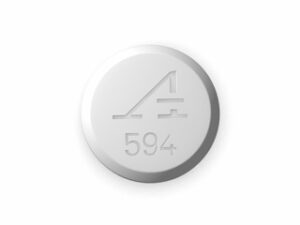
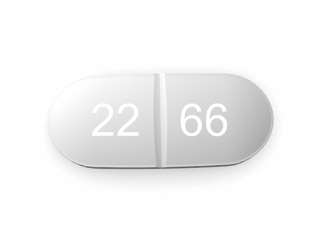
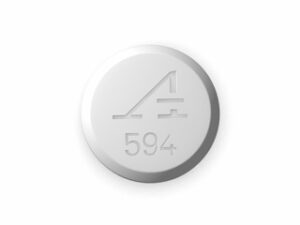
In Australia, baclofen is available under brand names such as Lioresal and as generic baclofen, depending on supply and formulation. Common strengths may include tablets such as 10 mg and 25 mg (availability can vary by manufacturer and pharmacy).
- Generic name: Baclofen
- Medicinal class: Centrally acting antispasmodic (muscle relaxant)
- Typical forms: Tablets; other formulations may exist depending on product availability
- Common therapeutic goal: Reduce spasticity-related stiffness, pain, and muscle spasms
2) What baclofen is and when it’s used
Baclofen is used to relieve the symptoms of spasticity. Spasticity can make muscles stay contracted, causing spasms, stiffness, and difficulty with movement or comfort.
Common indications (what baclofen is used for)
Baclofen may be used for spasticity associated with:
- Multiple sclerosis (MS)
- Spinal cord injury
- Cerebral palsy (in selected patients)
- Other neurological conditions where spasticity is a prominent symptom
- Some chronic painful muscle conditions where muscle spasm contributes to symptoms (availability and suitability depend on individual circumstances)
Your clinician will consider factors such as the cause of spasticity, severity, other medicines you take, and your overall health when deciding whether baclofen is appropriate.
3) How baclofen works (mechanism of action)
Baclofen works primarily in the central nervous system (brain and spinal cord). It helps reduce spasticity by influencing nerve signalling involved in muscle tone and reflexes.
Key mechanism:
- Baclofen is a GABA-B receptor agonist. By activating GABA-B receptors, it can reduce the release of excitatory neurotransmitters involved in reflex activity.
- This leads to decreased muscle spasm and improved muscle relaxation, which may reduce pain and improve mobility and comfort.
4) Pharmacokinetics — how the body absorbs and processes baclofen
Pharmacokinetics describes what happens to the medicine in the body—how it’s absorbed, distributed, metabolised, and excreted. While exact values can vary by formulation and individual factors, the following is a practical overview.
| Pharmacokinetic step | What typically happens with baclofen |
|---|---|
| Absorption | After oral dosing, baclofen is absorbed from the gastrointestinal tract. Onset of symptom improvement may occur within hours, with full effects developing over time as dosing is adjusted. |
| Distribution | Baclofen distributes widely into body tissues, including the central nervous system. |
| Metabolism | Baclofen undergoes limited metabolism. A significant proportion is eliminated unchanged. |
| Elimination | Mainly excreted by the kidneys. Reduced kidney function may require dose adjustments and closer monitoring. |
| Half-life (general concept) | Baclofen has an elimination half-life that supports multiple daily dosing in many patients. Your dosing schedule is typically tailored to symptom control and tolerability. |
5) Timing and how to take baclofen
The best timing depends on why you’re taking baclofen and when your spasticity is most troublesome (e.g., daytime stiffness, nighttime spasms, or both). Many patients start with lower doses and gradually increase to find the lowest effective dose.
Typical dosing timing strategies
- Daytime symptoms: Dosing is often split to cover waking hours.
- Night-time spasms: A portion of the daily dose may be scheduled in the evening or around bedtime.
- Better tolerance: Taking doses evenly through the day can reduce peak-related side effects like drowsiness.
If you feel sleepy, unsteady, or light-headed, consider discussing schedule changes with your clinician. Sometimes dividing doses more evenly or adjusting the dose can improve tolerability.
6) Food interactions
Baclofen tablets can generally be taken with or without food. Food may influence how quickly the medicine is absorbed, but it typically does not require strict timing rules for most patients.
- If baclofen upsets your stomach, try taking it with food.
- If you become drowsy, taking it after a meal may help some people feel steadier (individual responses vary).
- Keep consistent timing day-to-day to make effects easier to predict.
7) Alcohol and medicine interactions
Baclofen affects the central nervous system and can cause drowsiness and impaired coordination. Combining baclofen with other substances that also depress the nervous system can increase the risk of serious side effects.
Alcohol
It is generally recommended to avoid alcohol while taking baclofen, or at least use extreme caution. Alcohol can enhance sedation, dizziness, and impaired reaction time.
Other medicines that may interact (examples to discuss)
Please speak with your clinician or pharmacist about all medicines you use, including over-the-counter products. Examples of medicines that may increase drowsiness or interact include:
- Opioid pain medicines (e.g., oxycodone, morphine, codeine)
- Other muscle relaxants
- Sedating antihistamines (e.g., some allergy/cough preparations)
- Benzodiazepines (e.g., diazepam-like medicines)
- Sleep medicines
- Some antidepressants or other medicines that affect brain chemistry
The safest approach is to review your current medicines and supplements with a pharmacist, because interactions can be specific to dose, timing, and your health conditions (such as kidney function).
8) Dosing — practical overview
Baclofen dosing is individual. Clinicians typically start low and adjust gradually based on response and side effects. The goal is to achieve symptom relief with the lowest effective dose.
How dosing is commonly approached
- Initiation: Low starting dose to assess tolerability.
- Titration: Gradual increase every few days to reach adequate symptom control.
- Maintenance: Adjusted based on ongoing needs (sometimes the dose is lowered if side effects occur).
- Stopping: Baclofen should not be abruptly discontinued in many cases; dose reduction may be needed.
Examples of how schedules may look
Schedules vary, but many regimens involve splitting the total daily dose into two or three doses. For example:
- Two-dose schedule: Morning and evening
- Three-dose schedule: Morning, afternoon, and bedtime
Because exact dosing depends on patient factors and formulation strength, always follow the dose instructions provided for your specific product. If you miss a dose, do not double up to “catch up” unless your clinician advises you to.
9) Safety profile — what to watch for
Like all medicines, baclofen can cause side effects. Many are dose-related and may improve after gradual dose adjustment. Report concerning effects to a healthcare professional promptly.
Common side effects
- Drowsiness or fatigue
- Dizziness
- Weakness or reduced muscle power
- Nausea or stomach discomfort
- Headache
- Constipation
- Dry mouth
Serious side effects (seek urgent help)
- Severe drowsiness, confusion, or inability to stay awake
- Fainting or significant worsening of balance
- Breathing problems, particularly if combined with alcohol or sedating medicines
- Allergic reactions (e.g., swelling, rash, difficulty breathing)
Important warnings
- Do not stop suddenly without medical guidance in many patients. Abrupt cessation can lead to withdrawal symptoms and worsening muscle spasticity.
- Kidney impairment: Because baclofen is eliminated mainly by the kidneys, reduced kidney function can increase risk of side effects. Dose adjustments and monitoring may be needed.
- Driving and operating machinery: If baclofen affects your alertness, avoid driving or hazardous tasks until you know how it affects you.
- Falls risk: Dizziness and weakness can increase the risk of falls, particularly in older adults.
10) Practical use tips for everyday life
The following tips can help you use baclofen more safely and comfortably:
- Start slow and be consistent: Gradual titration helps reduce early side effects.
- Track symptom patterns: Note when spasm is worst (morning, afternoon, night) to help refine timing.
- Monitor sedation: If you feel drowsy, consider scheduling doses when you can rest.
- Hydration and constipation prevention: Maintain fluid intake and discuss constipation prevention if needed.
- Avoid alcohol: This reduces the chance of excessive sedation and impaired coordination.
- Be cautious with other sedatives: Check with a pharmacist before using sleep medicines, cough mixtures, or sedating antihistamines.
- Use mobility safety measures: If you feel unsteady, use supports and remove trip hazards.
11) Alternative options for spasticity
If baclofen is not effective or not tolerated, clinicians may consider alternative treatments depending on the cause and severity of spasticity. Options can include:
- Other oral antispasmodics (for example, tizanidine in some patients)
- Physiotherapy and stretching to reduce muscle tightness and maintain function
- Assistive devices (splints, braces, or seating modifications)
- Botulinum toxin injections for focal spasticity (muscle-specific spasm)
- Intrathecal baclofen in selected cases (for severe refractory spasticity under specialist care)
- Rehabilitation programs tailored to neurological conditions
A specialist may recommend switching medicines or combining therapies to balance spasm relief with side-effect burden.
12) Australia: market and legal context
Baclofen is an established medicine in Australia. Availability may depend on whether your product is supplied as a branded or generic version and on local stock. For safe use, baclofen is typically supplied through pharmacy channels consistent with Australian regulatory requirements.
Recent guidance and clinical considerations (general)
Healthcare guidance in Australia commonly emphasises:
- Individualised dosing with careful titration
- Monitoring for sedation and falls risk, especially in older adults
- Renal function awareness due to kidney elimination
- Avoiding abrupt cessation and using structured dose reduction when discontinuing
- Careful review of drug interactions, especially with opioids and other sedatives
Always check the latest product information provided with your medicine and follow advice from your healthcare professional.
13) Delivery and availability
Online pharmacies in Australia may offer baclofen delivery within Australia, subject to availability and any relevant regulatory requirements. Delivery timeframes vary depending on location (metro vs regional areas), stock status, and shipping method.
- Availability: Generics may be available in multiple strengths; branded products can be subject to supplier changes.
- Delivery: Expect standard shipping options; express may be available depending on the pharmacy and state.
- Order accuracy: Ensure you select the correct strength and formulation before checkout.
- Packaging: Medicines are typically packed to protect tablets from moisture and damage during transit.
If you need baclofen urgently due to missed doses or symptom flare-ups, contact the pharmacy to confirm stock and shipping options before placing your order.
14) FAQ — common questions about baclofen
How long does baclofen take to work?
Some people notice changes within hours of the first doses, but for many, the most meaningful improvement develops as the dose is titrated and sustained over time. If benefits are not apparent after a reasonable adjustment period, speak with your clinician to review dose and timing.
Will baclofen make me sleepy?
Drowsiness is one of the more common side effects. It may be dose-related and can improve after gradual titration. Until you know how you respond, avoid driving, operating machinery, or activities with fall risk.
Can I take baclofen with food?
Yes, baclofen is generally taken with or without food. If you experience nausea or stomach discomfort, taking it with food may help.
What if I forget a dose?
If you miss a dose, take it when you remember unless it’s close to the next scheduled dose. Do not double up. If you’re unsure, contact your pharmacist for advice based on your dosing schedule.
Is it safe to drink alcohol while on baclofen?
It is generally best to avoid alcohol or use extreme caution. Alcohol can increase sedation, dizziness, and impaired coordination, raising the risk of falls and breathing problems—particularly with other sedating medicines.
Can I take baclofen together with painkillers?
Some painkillers, especially opioid medicines, can increase sedation and breathing risk when combined with baclofen. Always check with a pharmacist about your specific pain medication and dosing schedule.
Why can’t I stop baclofen suddenly?
Stopping abruptly may cause withdrawal symptoms and can lead to worsening spasticity. If you need to stop, clinicians typically reduce the dose gradually to minimise risk.
Do I need dose adjustments if I have kidney problems?
Because baclofen is mainly eliminated by the kidneys, reduced kidney function may increase the risk of side effects. Clinicians may adjust the dose and monitor you more closely. Tell your healthcare professional about kidney disease or reduced kidney function.
What should I do if I experience severe drowsiness or confusion?
Severe drowsiness, confusion, fainting, or breathing difficulty can be serious—especially if alcohol or other sedating medicines are involved. Seek urgent medical help immediately.
Are there alternatives if baclofen doesn’t work for me?
Yes. Depending on your spasticity type and severity, alternatives may include other medicines, physiotherapy, splinting and rehabilitation strategies, botulinum toxin for focal spasticity, or specialist options such as intrathecal baclofen in selected cases.
15) Summary
Baclofen is commonly used to treat spasticity by reducing abnormal muscle tone through central nervous system mechanisms. Its effects can improve comfort, mobility, and control of muscle spasms—especially when dosing is carefully adjusted. Because baclofen can cause drowsiness and may be more risky with kidney impairment or alcohol/sedating drug combinations, safe use includes careful titration, interaction awareness, and avoiding abrupt discontinuation.
If you have questions about whether baclofen is suitable for you, how to use it alongside your existing medicines, or how to manage side effects, consult your pharmacist or clinician.