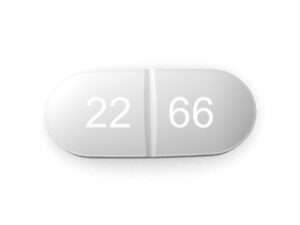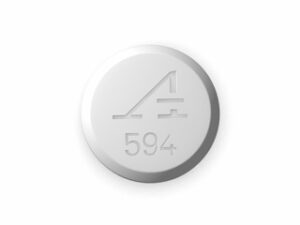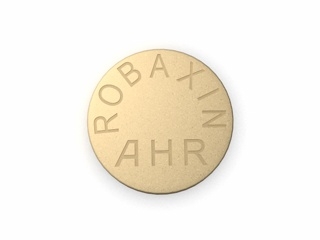

Robaxin (Methocarbamol)
Robaxin is a brand of methocarbamol, a medicine used to relieve pain and discomfort caused by muscle spasms. This page is designed to help you understand how Robaxin works, how it is typically used, what to expect, and key safety information to discuss with your healthcare professional.
Quick overview
| Topic | Details |
|---|---|
| Generic name | Methocarbamol |
| Brand | Robaxin |
| Medicine type | Muscle relaxant (centrally acting) |
| Common uses | Muscle spasms, muscle strain, and discomfort from painful muscular conditions |
| How it works | Reduces muscle spasm by affecting signals within the central nervous system |
| Common side effects | Drowsiness, dizziness, headache, nausea, blurred vision |
| Important cautions | Alcohol and sedating medicines can increase drowsiness; avoid driving if affected |
Basic product information
Robaxin contains the active ingredient methocarbamol. It is used for conditions where muscles become tight, painful, or spasm. It is usually used alongside other supportive measures such as rest, physiotherapy, stretching, and pain relief as advised by a healthcare professional.
Available formulations may vary by market and supplier. Always check the packaging for the exact strength and directions that apply to your product.
Mechanism of action: how Robaxin works
Methocarbamol works as a centrally acting muscle relaxant. While the exact mechanism is not fully explained, it is believed to reduce the activity in the central nervous system that contributes to muscle spasm and pain. By changing nerve signalling, it can help muscles relax and reduce discomfort.
- Targets muscle spasm symptoms by acting on the brain and spinal cord pathways.
- Helps relieve pain related to muscular tightness.
- Does not “cure” the underlying cause (such as an injury); it helps manage spasm-related symptoms.
Pharmacokinetics: absorption, distribution, metabolism, and elimination
Understanding how the body handles methocarbamol can help set expectations for timing and duration. While individual results may vary, the following general points apply:
- Absorption: Methocarbamol is absorbed from the gastrointestinal tract after oral dosing.
- Onset: Symptom relief may begin within about 30–60 minutes, with clearer effects often after repeated dosing and consistent use as directed.
- Distribution: It distributes through the body, including into tissues relevant to muscle control.
- Metabolism: Methocarbamol is metabolised primarily in the liver.
- Elimination: Metabolites are excreted mainly via urine.
Because methocarbamol is metabolised in the liver, liver disease and other factors may increase the chance of side effects. Discuss dosing adjustments if you have liver impairment.
Typical use and indications
Robaxin (methocarbamol) is used to relieve symptoms of muscle spasms and discomfort associated with painful musculoskeletal conditions. Common scenarios include:
- Acute muscle strain or injury (e.g., back, neck, shoulder)
- Muscle spasms causing stiffness and pain
- Supportive treatment for painful muscle conditions while other therapies work
It is not intended to treat nerve pain (neuropathic pain) directly. If your symptoms include numbness, tingling, weakness, or pain travelling down the arm or leg, seek medical advice promptly, as the cause may require different treatment.
When it starts working and how to time doses
Many people notice early relief (such as reduced spasm feeling) within the first hour, but full benefit may take several days of consistent use depending on the underlying cause and severity.
Practical timing tips
- Take at the same times daily to keep symptom control steady.
- If drowsiness occurs, consider taking part of the daily dose in the evening (only if consistent with the directions on your label and advice you have received).
- Do not double up to make up missed doses unless advised.
If you do not feel improvement within the expected timeframe for your condition, or if symptoms worsen, consult your healthcare professional for reassessment.
Dosing guidance (general information)
Dosing depends on the product strength, your age, medical history, and how severe symptoms are. Always follow the instructions on the packaging and the advice of a healthcare professional.
Important: This information is educational and may not match the exact dose you’ve been given. Check your label for the correct regimen.
Typical adult dosing (educational)
For many adults, methocarbamol is taken multiple times per day, especially at the start of treatment, then adjusted depending on response. Clinicians may titrate to the lowest effective dose to reduce side effects.
- Start low if you are sensitive to sedation.
- Use the lowest effective dose for the shortest necessary period.
- Children and older adults may require different dosing and closer monitoring.
Missed dose
If you miss a dose, take it when you remember unless it is close to the next dose. In that case, skip the missed dose and continue your regular schedule.
Overdose (seek urgent help)
Taking more than directed can increase the risk of significant drowsiness, dizziness, and other serious effects. If an overdose is suspected, seek urgent medical assistance.
Food interactions
Methocarbamol can generally be taken with or without food. Food may help reduce stomach upset for some people. However, because individual products can differ, it’s best to follow the instructions on your specific Robaxin packaging.
- If you get nausea: consider taking it with a meal or snack.
- Keep hydration up: especially if you feel dizzy or light-headed.
- Avoid grapefruit and strong enzyme inhibitors/inducers unless your healthcare professional advises, as they can affect drug metabolism (the exact impact on methocarbamol may vary).
Alcohol and medicine interactions
Caution is strongly advised when combining Robaxin with substances that can depress the central nervous system.
Alcohol
- Avoid or minimise alcohol while taking methocarbamol.
- Alcohol can increase the chance of drowsiness, dizziness, and impaired coordination.
- Combining alcohol with muscle relaxants can increase risk of falls and accidents.
Other medicines that can increase drowsiness
Tell your pharmacist or doctor about all medicines you take. Particular caution is needed if you use:
- Opioid pain medicines (e.g., oxycodone, morphine, codeine)
- Sleeping tablets or sedatives (e.g., benzodiazepines)
- Antihistamines that cause drowsiness (some “night” cold/flu products)
- Some antidepressants and antipsychotics
- Anticonvulsants that may cause sedation
The combined effects can be additive, causing more pronounced sedation and impairment. Your healthcare professional may adjust timing or dose.
Other important interaction considerations
- Liver-metabolised medicines: because methocarbamol is metabolised in the liver, interactions involving liver enzymes may matter.
- Driving-related safety: any medication that affects alertness can increase risk when used together.
Safety profile: side effects and when to seek help
Most people tolerate methocarbamol well, but side effects can occur. Many side effects are related to its effect on the central nervous system.
Common side effects
- Drowsiness or sleepiness
- Dizziness or light-headedness
- Headache
- Nausea or upset stomach
- Blurred vision or reduced clarity
- General tiredness
Less common but important reactions
- Allergic reactions such as rash, itching, swelling, or trouble breathing
- Marked sedation or severe confusion
- Significant weakness or difficulty coordinating movement
Seek urgent medical help if you experience
- Signs of breathing problems or severe allergic reaction
- Severe or persistent unresponsiveness or inability to stay awake
- Fainting or severe dizziness
- Severe worsening symptoms or new neurological signs (e.g., weakness, numbness)
Who should use extra caution
- Older adults: higher sensitivity to dizziness and falls
- People with liver impairment: increased risk of side effects
- People with a history of seizures or neurological conditions: discuss suitability
- People using multiple sedating medicines
- Those driving or operating machinery: increased caution due to drowsiness
Practical use tips for better results and safety
1) Be cautious with activities
- Avoid driving, cycling, or operating machinery until you know how Robaxin affects you.
- If you feel sleepy or dizzy, don’t push through—rest and seek advice.
2) Use alongside muscle-friendly strategies
Robaxin helps relieve spasm-related discomfort, but recovery is often supported by additional measures:
- Gentle movement rather than prolonged rest (within comfort limits)
- Heat or ice depending on what suits the injury stage and your preferences
- Stretching and physiotherapy guided by a professional
- Posture and ergonomics to reduce recurrence
3) Keep track of response
If you have a painful muscular condition, consider noting:
- When you start treatment
- How severe the spasm/pain feels before dosing
- Whether drowsiness or dizziness occurs and at what times
- Any changes over 48–72 hours
4) Avoid mixing with other sedatives
If you use sleep aids, cough syrups, “night” cold medications, or antihistamines, check labels carefully and ask a pharmacist. Some products contain ingredients that can increase sedation.
Alternative options
Depending on the cause and severity of your muscle pain, healthcare professionals may consider other options. Alternatives may include:
Non-medicine approaches
- Physiotherapy and supervised exercises
- Heat/ice and activity modification
- Stretching and range-of-motion work
- Ergonomic adjustments and gradual return to activity
Medication alternatives
Different muscle relaxants or pain-relief medicines may be used. Choices depend on your health conditions, other medications, and symptom profile. Possible classes may include:
- Other centrally acting muscle relaxants
- Simple analgesics (such as paracetamol) for pain relief
- Anti-inflammatory medicines (if appropriate) for musculoskeletal inflammation
Do not switch or combine medicines without professional advice, especially when sedation is a concern.
Robaxin in Australia: market and legal context
In Australia, medicines are regulated under the Australian regulatory system. Availability and supply conditions can vary by:
- Formulation (tablet strength, volume, or other presentations)
- Regulatory classification (some medicines are prescription-only, some are pharmacist-only, and some are available for general sale depending on product and strength)
- Manufacturer and supplier arrangements
- Therapeutic indication and approved product information
Always verify the correct product details with your pharmacist or the label information supplied with your purchase. If you’re unsure about suitability, ask a healthcare professional.
Recent guidance and practical considerations
Guidance for muscle-related pain commonly emphasises:
- Use the lowest effective dose for the shortest time needed.
- Consider non-medicine measures (heat, gentle movement, physiotherapy) alongside medicines.
- Be cautious with sedation and avoid driving if affected.
- Review medicines regularly to reduce polypharmacy and avoid unsafe combinations (e.g., alcohol and sedatives).
Follow the directions on the packaging and seek advice if your symptoms don’t improve or if you experience concerning side effects.
Delivery and availability
Online pharmacies in Australia may supply medicines subject to regulatory requirements and availability from suppliers. Delivery times can vary depending on location and stock levels.
- Stock status: availability may change; check the product page for current status.
- Delivery areas: services may vary by provider and state/territory.
- Packaging: your order should arrive in secure packaging suitable for medicine handling.
After receiving your order, check that the product name and strength match your selection and verify the expiry date.
FAQ about Robaxin (Methocarbamol)
1) What is Robaxin used for?
Robaxin (methocarbamol) is used to relieve symptoms related to muscle spasms and muscle discomfort from painful musculoskeletal conditions.
2) How quickly does Robaxin work?
Some people experience early relief within about 30–60 minutes. Stronger or more consistent improvement may take longer, especially with ongoing dosing.
3) Can I take Robaxin with food?
In many cases, it can be taken with or without food. If you find it upsets your stomach, taking it with a meal or snack may help. Follow the instructions on the label for your specific product.
4) Can I drink alcohol while taking methocarbamol?
It is best to avoid or minimise alcohol. Alcohol can increase drowsiness and dizziness and may raise the risk of falls or accidents.
5) Will Robaxin make me sleepy?
Drowsiness and dizziness are among the more common side effects. If you feel sleepy, avoid driving or tasks requiring alertness.
6) Can I drive after taking Robaxin?
Do not drive or operate machinery until you know how the medicine affects you. If you feel drowsy, blurred vision, or light-headed, wait until fully alert.
7) What should I do if I miss a dose?
Take it when you remember unless it is close to the next dose. Skip the missed dose if near the next scheduled dose and continue as directed.
8) What are the common side effects?
Common side effects include drowsiness, dizziness, headache, nausea, and blurred vision.
9) When should I seek urgent medical help?
Seek urgent help if you have signs of severe allergic reaction (swelling, trouble breathing), severe drowsiness or unresponsiveness, fainting, or severe worsening symptoms.
10) Are there alternatives to Robaxin?
Alternatives may include other muscle relaxants, pain relievers, and non-medicine approaches such as physiotherapy and gentle movement. A pharmacist or healthcare professional can help you choose based on your symptoms and other medicines.
Important: Always read the product packaging and the consumer medicine information supplied with Robaxin. If you have questions about suitability, dosing, or interactions—especially if you take other sedating medicines, have liver problems, or are pregnant or breastfeeding—speak with a healthcare professional.