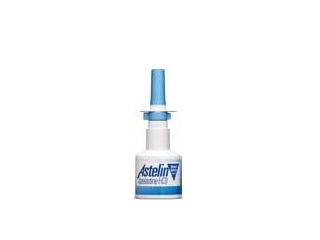
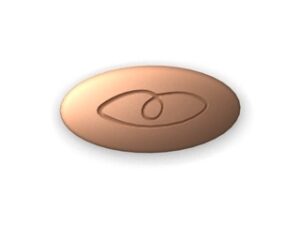
Astelin (Azelastine) Nasal Spray & Antihistamine Overview (Australia)
Astelin (active ingredient: azelastine) is an antihistamine medicine used to treat allergy-related nasal symptoms such as sneezing, itching, and a runny nose. It belongs to a drug class called intranasal antihistamines. In Australia, availability and product strengths can vary by brand and formulation, so it’s important to check the pack label for the exact strength and instructions.
This guide is designed to be patient-friendly and practical, helping you understand what Astelin is, how it works, how to use it effectively, what to expect, and when to seek medical advice.
Key Product Information
| Feature | Details |
|---|---|
| Brand name | Astelin |
| Generic name | Azelastine |
| Medicine type | Intranasal (nasal) antihistamine |
| Main uses | Allergic rhinitis (hay fever) and related symptoms |
| How it’s taken | Spray into the nose |
| Typical onset | Often begins working within minutes; best results with regular use |
| Common side effects | Unpleasant taste, nasal irritation, headache, mild drowsiness in some people |
How Astelin Works (Mechanism of Action)
Azelastine is an antihistamine that acts mainly by blocking histamine receptors (particularly H1) in the nasal lining. Histamine is a chemical released during allergic reactions, contributing to:
- Sneezing
- Itching
- Runny nose
- Other allergy symptoms caused by inflammation
Because it targets allergic inflammation locally in the nose, Astelin can reduce symptoms quickly. It also has anti-inflammatory effects that may help control the underlying process driving rhinitis symptoms.
Pharmacokinetics (How the Body Handles It)
Pharmacokinetics describes what happens after dosing—absorption, distribution, metabolism, and elimination. For intranasal azelastine:
- Absorption: The medicine is delivered directly to the nasal mucosa, where a portion is absorbed locally. Some systemic absorption can occur.
- Onset: Symptom improvement can be noticed quickly, often within minutes for some people.
- Metabolism: Like many medicines, azelastine is metabolised by the liver (mainly via cytochrome pathways).
- Elimination: Metabolites are cleared primarily through the kidneys.
Practical takeaway: While most effects are local to the nose, some people may experience systemic side effects (e.g., taste changes or mild drowsiness). Using the correct technique and dose helps minimise unnecessary absorption.
Typical Use: Indications (What It Treats)
Astelin is commonly used for:
- Allergic rhinitis (hay fever), including symptoms such as sneezing, nasal itching, and rhinorrhoea (runny nose).
- Seasonal and perennial allergy symptoms, depending on individual triggers.
In some patients, intranasal azelastine may be used as part of an overall rhinitis management plan. Local clinical advice should be followed for the best approach.
When to Start & Timing of Doses
Timing can influence comfort and effectiveness. In general:
- For quick relief: Using Astelin at the first sign of symptoms may help reduce severity.
- For ongoing allergy seasons: Regular use during high-allergen periods can provide steadier control.
- Daily routine: Many regimens are taken in morning and evening or once or twice daily, depending on the product strength and the dosing instructions on the pack.
Tip: If symptoms are worst at specific times (e.g., outdoors in the morning), you may benefit from aligning the dose with those times—always within the dosing directions provided with your medicine.
Dosing for Adults (General Guidance)
Exact dosing depends on the formulation and strength. Always follow the instructions on your specific Astelin product label or the guidance provided by your pharmacist. Below is general dosing information commonly used for azelastine nasal formulations in allergy treatment:
- Adults and adolescents: Common regimens include one to two sprays per nostril, twice daily (morning and evening) depending on strength and tolerance.
Important: If you miss a dose, take it when you remember unless it is close to the next dose. Do not take extra doses to make up for a missed one.
How to Use Astelin Correctly (Practical Tips)
Proper technique helps the spray reach the nasal tissues effectively and improves results while reducing side effects such as a bad taste.
Step-by-step
- Gently blow your nose (if needed) before using the spray.
- Shake the bottle if instructed on the label.
- Prime the pump if it’s the first use or if it hasn’t been used for a while (follow the label instructions).
- Keep your head upright.
- Insert the nozzle into one nostril (avoid aiming directly at the nasal septum).
- Breathe in gently through the nose as you press the pump.
- Spray as directed for the correct number of sprays per nostril.
- Repeat for the other nostril, if needed.
- Wipe the nozzle with a clean tissue and replace the cap.
Reducing unpleasant taste
- Keep your head upright during spraying.
- Avoid tilting your head too far back.
- If a bad taste occurs, you can try a slower, more controlled inhale and correct nozzle positioning.
Hygiene & storage
- Clean the nozzle regularly according to the leaflet.
- Do not share your spray with others.
- Store at the recommended temperature on the pack.
Food Interactions
Intranasal azelastine is administered through the nose. Food interactions are not commonly a major concern. However, some patients experience side effects such as nausea or a bitter taste, which can feel more noticeable when stomach contents are high or low.
Practical advice:
- If you notice symptoms after meals, consider taking the dose at a different time.
- Stay hydrated during allergy seasons.
- Tell a pharmacist if you take multiple medicines or have liver/kidney problems.
Alcohol and Medicine Interactions
Because azelastine can cause mild drowsiness or dizziness in some people, it is best to be cautious with:
- Alcohol (may increase drowsiness and impaired alertness)
- Sedating medicines (for example, some antihistamines taken by mouth, sleep medicines, or anxiety medicines—ask a pharmacist for specific examples)
- Other medicines affecting the brain (drugs that may cause sedation)
Driving and operating machinery: If you feel sleepy, light-headed, or unusually tired, avoid driving or using machinery until you know how Astelin affects you.
Always review your medication list with a pharmacist if you take other medicines regularly, including herbal products.
Safety Profile & Possible Side Effects
Most people tolerate Astelin well when used as directed. Side effects can be influenced by dose, technique, and individual sensitivity.
Common side effects
- Unpleasant taste (sometimes described as bitter)
- Nasal irritation or dryness
- Headache
- Dry nose
- Nosebleed (occasionally)
- Mild drowsiness or fatigue (in some people)
Less common but important risks
- Allergic reactions to the medicine or components (stop use and seek medical help if you develop swelling, hives, or breathing difficulty).
- Worsening symptoms or persistent nasal issues that do not improve.
- Severe dizziness or significant impairment (seek advice promptly).
When to seek medical help
Seek urgent medical attention if you experience:
- Difficulty breathing, wheezing, or swelling of the face/lips
- Severe dizziness or fainting
- Serious or persistent bleeding from the nose
Safety Considerations (Before You Use)
Consider speaking with a pharmacist or healthcare professional before using Astelin if you:
- Have a history of severe allergic reactions to medicines
- Have significant liver disease or kidney impairment
- Are pregnant, trying to become pregnant, or breastfeeding (use should be guided by clinical advice)
- Take medicines that cause sleepiness or affect alertness
- Have frequent nosebleeds or significant nasal irritation
Children: Use in children should follow product-specific instructions and clinician guidance, as dosing and suitability depend on age and formulation strength.
Practical Use Tips for Better Results
- Use consistently during exposure: If you have seasonal allergies, starting early can improve overall control.
- Don’t aim too far inside: Positioning the nozzle toward the outer side of the nostril helps reduce irritation.
- Expect symptom improvement: Some people feel relief quickly; full benefit may take a few days with consistent use.
- Check technique: If symptoms persist, technique (head position and nozzle placement) may be the issue.
- Consider saline rinses: Gentle saline may help clear mucus before spraying, particularly during congestion.
- Track triggers: Common allergens include pollen, dust mites, mould, and pet dander.
Alternative Options (If Astelin Isn’t Enough or Isn’t Suitable)
Rhinitis treatment often depends on whether symptoms are predominantly runny/itchy or whether congestion dominates.
Common alternatives
- Other intranasal antihistamines (same class, different active ingredient/brand)
- Intranasal corticosteroids (often preferred for congestion and persistent symptoms)
- Oral antihistamines (may help sneezing/itching/runny nose; some can cause drowsiness)
- Saline sprays or rinses (help moisturise and clear allergens)
- Combination therapy (for some patients, adding a steroid spray to an antihistamine can provide improved control—ask a pharmacist/doctor)
Which option is best? Many people do well with an intranasal approach, but the best choice depends on your symptom pattern, medical history, and how consistently symptoms occur.
Alcohol, Work, and Lifestyle Considerations
Because Astelin may cause drowsiness in some individuals, consider:
- Avoid alcohol or keep it minimal, especially when you first start therapy.
- Be cautious with driving if you notice sleepiness.
- Monitor how you feel during the first few doses.
If you have a job requiring high alertness (e.g., machinery, safety-critical tasks), check with a pharmacist about sedation risk based on your personal medication list.
Market and Legal Context for Australia (Important Notes)
In Australia, medicines are regulated under the TGA (Therapeutic Goods Administration). Availability, pack size, and whether a medicine can be supplied through different channels can depend on product registration status and classification. For online pharmacy purchasing, supply must align with Australian regulations and the product’s legal scheduling category.
Always check the product page for:
- The exact product formulation and concentration
- Approved indications and usage instructions
- Age restrictions (if applicable)
- Storage and expiry information
If you are unsure whether Astelin is appropriate for your symptoms, a pharmacist can help guide safe selection and correct use within Australian guidance.
Recent Guidance and Ongoing Allergy Management
Allergy treatment guidance generally emphasises:
- Correct diagnosis of rhinitis type (allergic vs non-allergic)
- Trigger reduction (e.g., dust mite control, pollen avoidance strategies)
- Stepwise therapy based on symptom severity
- Proper inhalation/spray technique for intranasal products
- Monitoring response over time and reassessing if symptoms remain uncontrolled
If you have persistent or severe symptoms, frequent infections, or symptoms that don’t match allergy patterns, it may be important to seek clinical assessment. Conditions such as chronic rhinosinusitis or nasal polyps can require different management.
Delivery and Availability (Online Pharmacy)
Astelin availability in Australia can vary depending on supplier and product form. When ordering online, typical considerations include:
- Verification of product details: Confirm strength and formulation match your needs.
- Stock status: Some sizes may sell out during peak allergy seasons.
- Packaging and expiry: Ensure you receive an unexpired, sealed product.
Delivery timeframes: These depend on location and the pharmacy’s dispatch schedule. Check the estimated delivery window on the product listing at the time of purchase.
Cold chain: Most intranasal antihistamine sprays are not typically shipped requiring cold chain, but always follow the storage instructions on the pack.
Frequently Asked Questions (FAQ)
1) How quickly does Astelin start working?
Many people notice improvement within minutes, especially for runny nose and sneezing. For best control over time, use as directed and maintain consistency during the allergy period.
2) Can I use Astelin every day?
It is often used during allergy seasons or as directed for ongoing symptom control. Follow the dosing instructions on your pack and consult a pharmacist if you plan to use it long-term.
3) Will Astelin cause drowsiness?
Some people experience mild sleepiness or dizziness. If you feel affected, avoid alcohol and driving until you know how you respond.
4) What if I get an unpleasant taste after spraying?
This can happen if the medicine drains toward the throat. Keep your head upright, aim slightly outward (not straight toward the septum), and breathe in gently during spraying.
5) Can I use Astelin with other allergy medicines?
Sometimes yes, but it depends on what you’re taking. Combining medicines may increase side effects, particularly those that cause drowsiness. Ask a pharmacist about interactions with your specific medication list.
6) Are there any food interactions?
Food interactions are not typically a major concern for intranasal azelastine. If you notice nausea or taste-related discomfort, consider adjusting the timing of your dose.
7) Can I drink alcohol while using Astelin?
Alcohol may increase drowsiness in some people. For safety, use caution—particularly during the first few days of treatment.
8) What should I do if I miss a dose?
Use it when you remember if it’s not near the time for the next dose. Don’t take extra to compensate.
9) When should I stop and seek help?
Stop use and seek medical help urgently if you develop signs of a severe allergic reaction (swelling, hives, breathing difficulties) or severe dizziness. Seek advice if nosebleeds or irritation become persistent.
10) What if my symptoms aren’t improving?
Allergy symptoms can vary, and some people may have congestion-dominant rhinitis that responds better to other therapies such as intranasal corticosteroids. Consider speaking with a pharmacist for an adjustment plan or assessment.
Summary
Astelin (azelastine) is an intranasal antihistamine designed to relieve allergy-related nasal symptoms like sneezing, itching, and runny nose. It works by blocking histamine receptors in the nose, helping reduce both allergic irritation and inflammation. Many patients experience early relief, and correct spray technique improves effectiveness and reduces side effects such as unpleasant taste.
For safe and effective use in Australia, follow the dosing instructions on your specific product label, be cautious with alcohol if you feel drowsy, and seek professional advice if you have persistent symptoms, significant side effects, or complex medical needs.