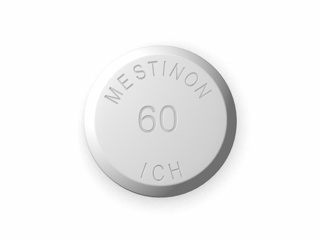

Mestinon (Pyridostigmine) – Patient Guide (Australia)
Mestinon is a medicine used to treat certain muscle weakness conditions. It works by improving communication between nerves and muscles, helping patients maintain strength and mobility for everyday activities. This guide explains how Mestinon works, how it is typically taken, important safety information, and practical tips for use in Australia.
Quick Facts
- Active ingredient: Pyridostigmine (often listed as pyridostigmine bromide)
- Medicine type: Cholinesterase inhibitor
- Main use: Myasthenia gravis and related neuromuscular conditions
- Common forms: Tablets and sometimes other formulations depending on availability
- How it helps: Increases acetylcholine at the neuromuscular junction
- Key side effects: GI upset, increased saliva/sweating, muscle cramps, or slow heart rate
Basic Product Information
Mestinon contains pyridostigmine, a medicine that blocks the breakdown of acetylcholine, a chemical messenger used by nerves to activate muscles. By raising acetylcholine levels, Mestinon can improve muscle strength and endurance in conditions where nerve-to-muscle communication is impaired.
In Australia, medicine availability and product presentation may vary by manufacturer and stock levels. Always check the specific packaging and consumer information for your exact brand and dose strength.
| Category | Details |
|---|---|
| Brand | Mestinon |
| Generic name | Pyridostigmine |
| Medicinal group | Cholinesterase inhibitor (acetylcholinesterase inhibitor) |
| Typical targets | Neuromuscular junction disorders (commonly myasthenia gravis) |
| How it’s usually taken | Oral tablets, with dosing timed to daily symptom patterns |
Mechanism of Action (How Mestinon Works)
Mestinon is a reversible acetylcholinesterase inhibitor. In the body, acetylcholinesterase is an enzyme that breaks down acetylcholine after it has signalled a muscle to contract.
By inhibiting this enzyme, Mestinon helps acetylcholine remain available at the neuromuscular junction for longer. This improves the strength and reliability of muscle activation.
In myasthenia gravis and related disorders, the number or function of acetylcholine receptors is reduced, so boosting acetylcholine availability can reduce muscle weakness and fatigue.
Pharmacokinetics (Absorption, Distribution, and Duration)
While exact pharmacokinetic parameters can vary between individuals, the general behaviour of pyridostigmine is:
- Absorption: Taken by mouth; absorption occurs through the gastrointestinal tract.
- Onset: Symptom improvement is often noticed within a period after dosing (commonly within the first hour, though timing varies).
- Duration: Effects may last several hours, which is why dosing is often divided across the day.
- Metabolism & elimination: Pyridostigmine is primarily eliminated by the kidneys. Kidney function can influence how long it lasts.
Because Mestinon’s effect is often noticeable yet time-limited, many patients take doses at intervals to match symptom fluctuations (for example, morning, midday, and evening).
Typical Use and Indications
Mestinon is most commonly used for myasthenia gravis. It may be used to:
- Improve muscle strength
- Reduce symptoms such as weakness that worsens with activity and improves with rest
- Manage specific symptom patterns (for example, ocular symptoms, or generalised weakness) as part of an overall treatment plan
Depending on local product information and clinical judgement, pyridostigmine may also be used in other neuromuscular conditions where cholinergic support is beneficial. If you are unsure whether your condition matches the intended use, check the product information and speak with your healthcare professional.
How to Take Mestinon – Timing & Practical Advice
The key goal is to maintain symptom control while avoiding “overmedication” side effects (often related to excess cholinergic activity). Timing may be tailored to your daily routine and symptom pattern.
Common timing approach
- Take regular doses at scheduled intervals to maintain stable symptom control.
- Match dosing to activity: some people plan a dose before periods of greater demand (e.g., shopping, travelling, personal care).
- Monitor response: keep track of when weakness improves and when side effects start.
What to do if symptoms change
- If weakness returns sooner than expected, or if symptoms are increasing, discuss dose timing with your healthcare professional.
- If you experience troublesome side effects, it may indicate your dose is too high or too frequent.
Tip: For online pharmacy orders, double-check the dose strength and tablet count on the label, and use a medication organiser if helpful.
Food Interactions (Eating and Drinking)
Food can influence comfort and timing for oral medicines. For pyridostigmine:
- General guidance: Many patients take it with or without food depending on gastrointestinal tolerance.
- GI side effects: Nausea, abdominal cramps, diarrhoea, and increased bowel movements may occur. Taking with food (or adjusting dose timing) may help some patients, but individual advice matters.
- Consistency helps: If you usually take Mestinon the same way each day (with the same kind of meal timing), it can make symptom control more predictable.
If you have significant digestive side effects, speak with your healthcare professional about options such as changing timing, reviewing dose, or supportive care.
Alcohol and Medicine Interactions
Alcohol
Alcohol can worsen fatigue, affect coordination, and may indirectly affect neuromuscular symptoms. In some patients it can increase dizziness or impair how well you feel overall. While there is not always a direct “chemical” interaction described for pyridostigmine and alcohol, caution is recommended.
- Avoid heavy drinking and start with small amounts if you choose to drink.
- Be alert to worsened weakness or increased side effects.
Medicines that may interact
Pyridostigmine affects acetylcholine breakdown. Medicines with overlapping effects can increase side effects, while other medicines may change how well symptoms are controlled. Interaction risk depends on what you take and your health status.
Tell your healthcare professional about all medicines you use, including:
- Other cholinergic medicines or those affecting neuromuscular transmission
- Anticholinergic medicines (these may reduce the effect of pyridostigmine)
- Some antibiotics and medicines that can influence neuromuscular function (examples include certain aminoglycosides or others known to affect nerve-to-muscle signalling)
- Cardiac medicines (because pyridostigmine can sometimes slow heart rate)
- Medications for urinary frequency, motion sickness, allergy, or Parkinson’s (many contain anticholinergic activity)
This is not a complete list. Always check specific drug interaction information for your exact products.
Dosing (General Information)
Dosing of Mestinon is individual. The “right” dose depends on the condition being treated, symptom severity, age, kidney function, and how you respond to treatment. Your healthcare professional will tailor dosing and timing to your needs.
As a guide, dosing is often divided across the day to match symptom patterns, with adjustments based on effectiveness and side effects. Do not change your dose schedule without clinical advice.
Factors that influence your dose
- Kidney function: impaired renal function may increase exposure and risk of side effects.
- Symptom pattern: severity and timing of weakness (e.g., morning, evening).
- Side effect tolerance: GI symptoms and sweating/salivation can limit dosing.
- Other therapies: Mestinon may be used alongside other medicines for the underlying condition.
Practical tip: If you miss a dose, follow the instructions provided with your medicine or from your healthcare professional. In general, avoid doubling up to “catch” the missed dose without guidance.
Safety Profile (What to Watch For)
Like all medicines, Mestinon can cause side effects. Many are related to its cholinergic action (i.e., increased acetylcholine activity). The aim is usually to find a balance between symptom control and tolerable side effects.
Common side effects
- Gastrointestinal: nausea, abdominal cramps, diarrhoea
- Increased secretions: increased saliva, sweating, or runny nose
- Muscle-related: muscle cramps or twitching
- Fatigue or weakness fluctuation: can occur if dosing is not well matched to symptoms
Less common but important effects
- Slow heart rate (bradycardia) or palpitations
- Dizziness or light-headedness
- Urinary frequency or difficulty controlling bladder urgency
Signs of “too much” (over-cholinergic symptoms)
Overmedication can look like worsening control—sometimes with more secretions and GI symptoms. If you experience a sudden cluster of side effects after a dose, seek advice promptly.
- Marked diarrhoea or abdominal cramping
- Excessive sweating or salivation
- Worsening muscle cramps or twitching
- Significant nausea/vomiting
- Feeling faint or very slow pulse
Seek urgent medical help if
- You have trouble breathing, severe chest tightness, or you cannot swallow
- You faint, collapse, or have severe dizziness
- You experience severe allergic-type reaction symptoms (e.g., swelling of face/lips, hives, difficulty breathing)
Practical Use Tips (Daily Living)
- Use a medication routine: Keep doses consistent with a daily schedule (alarms can help).
- Track symptoms: Note when weakness improves and when side effects appear. This can help refine timing.
- Plan for activities: Consider timing doses before tasks that typically trigger weakness.
- Hydration and GI comfort: If diarrhoea occurs, maintain hydration and discuss supportive options.
- Monitor heart symptoms: If you notice dizziness, a very slow pulse, or unusual fatigue, seek advice.
- Keep a list of medicines: Bring an up-to-date list (including over-the-counter products) to appointments.
Driving and operating machinery: If Mestinon makes you feel dizzy or unwell, avoid driving and hazardous activities until you know how the medicine affects you. If symptoms fluctuate, be cautious.
Alternative Options (If Mestinon Is Not Suitable)
Treatment plans for myasthenia gravis often include more than one approach. Alternatives to pyridostigmine depend on the person’s condition, severity, and response to therapy.
Possible alternatives (discuss with your clinician)
- Other symptomatic cholinesterase inhibitors: in some cases, different agents may be considered based on availability and response.
- Immunomodulating therapies: for many patients, medicines that target the immune system may be used alongside symptomatic treatments.
- Supportive and surgical options: some people may be assessed for procedures depending on their specific case.
The best option depends on your diagnosis, symptoms, and overall health. If Mestinon is not providing adequate control or causes unacceptable side effects, discuss next steps with your healthcare professional.
Market and Legal Context for Australia
In Australia, medicines are supplied under a regulated system overseen by national and state/territory health frameworks. Pyridostigmine-containing products are provided according to the rules applicable to their status and intended use.
Product availability can vary due to supplier schedules, stock fluctuations, and formulation changes. Pharmacy professionals and consumers should refer to current Australian medicines listings and the information on the packaging.
Important: Always use medicines only as directed by a qualified healthcare professional and follow the instructions on the label and consumer medicine information.
Recent Guidance and Ongoing Care Considerations
Clinical management of myasthenia gravis and related neuromuscular conditions is an evolving field. Health professionals may update recommendations based on the latest evidence, especially regarding:
- Symptom monitoring strategies and treatment individualisation
- Balancing benefits against cholinergic side effects
- Safety around infections, surgery, and other major health events
- Medication interaction awareness (including antibiotics and anaesthetic-related medicines)
If you have recent changes in your health—such as an infection, planned surgery, or starting new medicines—inform your treating team. In neuromuscular conditions, medication choices can have significant effects.
Delivery and Availability (Online Pharmacy in Australia)
Availability of Mestinon can depend on your preferred brand strength and whether a formulation is currently in stock. When ordering online, it’s helpful to:
- Check that the dose strength matches your medication plan
- Confirm the pack size (number of tablets) and how long it may last
- Allow for delivery timeframes and consider ordering early for scheduled dose needs
Many online pharmacies in Australia provide delivery to metro and regional locations, subject to regulatory requirements and courier availability. Delivery time may vary by postcode and stock status.
Storage: Keep tablets in a cool, dry place as directed on the packaging. Keep them out of reach of children.
FAQ – Mestinon (Pyridostigmine)
1) What is Mestinon used for?
Mestinon (pyridostigmine) is commonly used to improve muscle strength in myasthenia gravis and other neuromuscular conditions where cholinesterase inhibition helps strengthen nerve-to-muscle signalling.
2) When will Mestinon start working?
Many patients notice improvement within a relatively short time after taking a dose, but the exact timing varies by person and formulation. Your healthcare team can help you understand what to expect for your schedule.
3) How often do I take it?
Dosing frequency is individual and often divided across the day. The aim is to maintain symptom control while limiting side effects. Follow the dosing schedule on your medicine label or clinical plan.
4) Can I take Mestinon with food?
Some people take it with food to reduce gastrointestinal discomfort. Others take it without food for consistent timing. Choose an approach that you tolerate well and keep it consistent, unless your healthcare professional advises otherwise.
5) What side effects are most common?
Common side effects include nausea, abdominal cramps, diarrhoea, increased sweating or saliva, and muscle cramps. If side effects are troublesome or persistent, seek advice.
6) How do I know if my dose is too high?
Signs can include worsening diarrhoea/cramps, excessive sweating or salivation, significant nausea, muscle cramps/twitching, or dizziness/slow heart rate. If a pattern of “overmedication” symptoms occurs after dosing, contact your healthcare professional promptly.
7) Can I drink alcohol while taking Mestinon?
Caution is recommended. Alcohol can worsen fatigue and impair coordination. If you choose to drink, do so in moderation and monitor how your symptoms respond.
8) Are there medicines I should avoid?
Some medications can interact with neuromuscular signalling or change the effect of pyridostigmine. Always tell your healthcare professional about all medicines you take, including antibiotics, allergy/cold products, and anticholinergic medications.
9) What if I miss a dose?
Follow the instructions provided with your medicine or from your healthcare professional. In general, avoid taking extra doses to “catch up” without guidance.
10) Is Mestinon safe for everyone?
Mestinon may not be suitable for all people, especially those with certain medical conditions (such as significant kidney impairment) or those taking medicines with relevant interactions. Your clinician can assess suitability and adjust dosing if needed.
11) When should I seek urgent help?
Seek urgent medical attention if you have breathing difficulties, trouble swallowing, fainting, severe dizziness, or any severe allergic reaction.
Always refer to your specific product packaging and the consumer medicine information for the most accurate guidance on dosing instructions, side effects, and safety precautions.