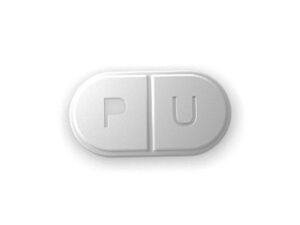
Levothyroxine: Patient-Friendly Guide (Australia)
Levothyroxine is a medicine used to replace or supplement thyroid hormone when your body does not make enough naturally. It is one of the most commonly used treatments for thyroid hormone deficiency and is widely available in Australia.
This guide explains how levothyroxine works, when and how to take it, important interactions (including food and alcohol), typical dosing principles, safety information, and practical tips to help you get the best results.
For personalised advice, always follow the directions provided by your healthcare professional. If you experience side effects or symptoms that concern you, seek medical advice promptly.
Basic product information
| Feature | What to know |
|---|---|
| Generic name | Levothyroxine |
| Common brand examples | Varies by manufacturer and formulation; ask your pharmacist if you’re unsure. |
| Medicine type | Synthetic thyroid hormone (T4, levothyroxine) |
| Primary use | Hypothyroidism and other thyroid hormone replacement needs |
| How it’s usually supplied | Tablets or other oral forms depending on the product |
| Key monitoring | Blood tests (typically TSH and free T4) |
How levothyroxine works (mechanism of action)
Levothyroxine is the synthetic form of thyroxine (T4), a hormone your thyroid gland normally produces. In the body, T4 is converted (in different tissues) into the active hormone triiodothyronine (T3).
By supplying T4, levothyroxine helps restore normal thyroid hormone levels, supporting metabolism and many body functions, such as:
- Energy use and metabolic rate
- Normal growth and development (especially in children)
- Heart function and circulation
- Temperature regulation
- Brain function and mood
- Skin, hair, and digestive function
Pharmacokinetics: how the body handles levothyroxine
Understanding pharmacokinetics can help you appreciate why consistent timing and handling matters. Levothyroxine is absorbed in the small intestine, and absorption can be affected by food and some other medicines.
- Absorption: Most levothyroxine absorption occurs in the small intestine. It can vary between individuals, and decreases when taken with certain foods or supplements.
- Distribution: After absorption, levothyroxine travels in the bloodstream, largely bound to proteins.
- Metabolism: It is converted to T3 in tissues and also broken down by normal metabolic pathways.
- Half-life: Levothyroxine has a long half-life (often around 7 days in adults), which contributes to stable levels over time but also means dose changes may take weeks to fully reflect in blood test results.
- Excretion: Metabolites are eliminated mainly through bile and the kidneys.
Because levothyroxine levels adjust gradually, thyroid blood tests are usually reviewed after allowing sufficient time for the new dose to stabilise.
What levothyroxine is used for (typical use and indications)
In practice, levothyroxine is used to treat conditions where thyroid hormone is insufficient or where thyroid hormone dosing is needed to achieve a therapeutic target.
Common indications
- Primary hypothyroidism (thyroid underactivity), including after thyroid removal or treatment
- Secondary or central hypothyroidism where the pituitary/hypothalamus is involved (management is specialist-led)
- Thyroid hormone replacement to maintain normal T4/T3 levels
- Thyroid cancer treatment support in some cases, where maintaining suppression of TSH is a goal (this should be managed by your doctor’s plan)
- Congenital hypothyroidism in children (treatment is urgent and closely monitored)
If you’re unsure why you were given levothyroxine, check with your healthcare professional. The correct dose depends on your condition, age, and lab results.
When to take levothyroxine (timing)
The goal is consistent absorption. For many people, the simplest approach is to take levothyroxine on an empty stomach and avoid food for a set period.
Common timing options
- Morning (typical approach): Take levothyroxine with water, then wait before eating. Many products are recommended to be taken at least 30–60 minutes before breakfast. Follow the instructions on your product label or provided by your pharmacist or doctor.
- Evening (alternative approach): Some people take it in the evening, separated from food by several hours (commonly at least 3–4 hours after dinner). Consistency is key—avoid frequent switches between morning and evening.
Do: Take it at the same time each day and with water.
Don’t: Take it with meals, immediately after waking and eating, or around the same time as minerals
that interfere with absorption.
Food interactions: what to avoid and what helps
Food can reduce absorption of levothyroxine. Some dietary components and supplements may also interfere. A consistent routine is important so your dose is predictable and lab tests can accurately reflect your thyroid status.
Common food-related issues
- High-fibre meals and certain diets: May reduce absorption in some people.
- Soy products: Some evidence suggests soy may affect absorption; monitor your thyroid tests if your diet changes.
- Coffee: Coffee taken soon after levothyroxine may reduce absorption for some people. If possible, wait and take coffee later.
- Calcium- and iron-rich meals: The minerals themselves are more relevant than the meal, but meal timing matters. Separate minerals (and supplements) from levothyroxine by several hours.
How to separate food/supplements
If you take supplements containing minerals such as calcium or iron, a practical approach is to keep them at least 4 hours away from your levothyroxine dose, unless your pharmacist advises otherwise.
Alcohol interactions
Moderate alcohol consumption is not known to directly “cancel out” levothyroxine in most people. However, alcohol may affect overall health, liver function, and how consistently you take medication. If you drink alcohol, aim for consistency and avoid missing doses.
If you have liver disease, heavy alcohol use, or are taking other medicines that interact with thyroid hormone monitoring, discuss this with a healthcare professional.
Medicine interactions (including supplements)
Several medicines and supplements can affect levothyroxine absorption or thyroid blood test interpretation. Always tell your pharmacist or doctor about all medicines you take, including over-the-counter products and herbal supplements.
Examples of medicines/supplements that may interfere
- Iron supplements and multivitamins containing iron (often reduce absorption—separate timing)
- Calcium supplements (including some “bone health” products) (separate timing)
- Antacids or medicines containing aluminium or magnesium
- Bile acid sequestrants (can bind in the gut)
- Some cholesterol-lowering medicines that bind bile acids
- Some seizure medicines (may change thyroid hormone levels in some people)
- Some cancer or immune therapies affecting thyroid function may change your thyroid status (monitoring is essential)
- Hormonal therapies and oestrogen-containing medicines may alter binding proteins, sometimes requiring dose adjustments
- Biotin (vitamin B7): high doses can interfere with certain blood test assays used to measure thyroid hormones. If you take biotin, inform your clinician and ask whether you need to stop it before blood tests.
- Amiodarone and iodine-containing medicines: can affect thyroid function due to iodine content (specialist guidance may be required)
If you start, stop, or change the dose of any interacting medicine, do not adjust levothyroxine yourself. Your healthcare professional may recommend repeat thyroid blood tests after a suitable interval.
Dosing: how levothyroxine is typically prescribed
Levothyroxine dosing is individual. It depends on the condition being treated, your age, body weight (in some cases), heart health, and blood test results (usually TSH and free T4).
General dosing principles
- Start low in some people: Older adults and those with existing heart disease may be started on a lower dose, then increased slowly to reduce risk of over-treatment.
- Adjust based on labs: Dose changes are usually guided by follow-up thyroid blood tests.
- Steady routine matters: Because absorption can vary with food and interacting products, keeping a consistent timing schedule helps make dose adjustments more accurate.
- Children: Children often require weight-based dosing and careful monitoring.
Typical dose ranges (for general understanding)
Doses vary widely. The table below provides broad ranges used in practice for general reference only and should not replace personalised dosing decisions.
| Population/goal | Typical daily dose (broad range) | Notes |
|---|---|---|
| Adults with hypothyroidism (replacement) | Often around 1.0–1.6 micrograms/kg/day | Exact dose varies and is adjusted by blood tests |
| Older adults or people with heart disease | Lower starting doses may be used | Dose increases are usually slower |
| Pregnancy (often higher requirements) | Dose commonly increases after confirmation | Monitoring is more frequent during pregnancy |
| Children | Weight-based dosing | Special monitoring is required |
Your medicine label will show the exact strength (for example, microgram content per tablet). If you are changing between product strengths or brands, ask your pharmacist about equivalence and consistency.
Practical use tips (to get the best results)
- Take it consistently: Choose either morning or evening and stick with that schedule.
- Use water: Swallow with water; avoid taking with coffee or immediately with breakfast.
- Keep a “separation” rule: Aim to separate levothyroxine from iron, calcium, and certain antacids by several hours (commonly 4 hours for minerals).
- Don’t double up: If you miss a dose, follow the guidance provided by your pharmacist or the product information. In general, missed dosing strategies depend on how close it is to the next dose.
- Track symptoms and tests: Tiredness, weight changes, constipation, cold intolerance, and mood changes may improve gradually. Thyroid blood tests typically guide fine-tuning.
- Be careful with lab tests: Tell your clinician about biotin or other supplements that could affect results.
- Storage: Keep tablets in a cool, dry place as directed on the packaging.
Safety profile: what to watch for
Levothyroxine is generally well tolerated when dosed appropriately and monitored with thyroid blood tests. The main safety concern is over-treatment (too much thyroid hormone) or under-treatment (not enough), both of which can cause symptoms and affect long-term health.
Signs of taking too much (possible over-treatment)
- Palpitations or a fast heartbeat
- Feeling unusually anxious, restless, or irritable
- Tremor
- Unexplained weight loss
- Heat intolerance or sweating
- More frequent bowel movements/diarrhoea
- Difficulty sleeping
- Chest pain or shortness of breath (seek urgent advice)
Signs of taking too little (possible under-treatment)
- Ongoing tiredness or low energy
- Constipation
- Cold intolerance
- Dry skin or hair changes
- Weight gain
- Depressed mood
- Heavy or irregular periods (in some people)
When to seek urgent help
Contact emergency services or seek urgent medical attention if you experience:
- Severe chest pain
- Fainting
- Severe shortness of breath
- Very fast or irregular heartbeat that doesn’t settle
Special safety considerations
- Heart disease: Higher doses or rapid dose increases can stress the heart. Dose adjustments should be careful and monitored.
- Pregnancy: Thyroid hormone requirements often increase. Proper dosing is important for both maternal health and fetal development.
- Children: Untreated hypothyroidism can affect growth and development—prompt treatment and monitoring are essential.
- Consistency across products: Switching between different levothyroxine formulations may affect thyroid levels in some people. Ask your pharmacist before changing products where possible.
Alternative options (if levothyroxine is not suitable)
Levothyroxine is the standard treatment for thyroid hormone replacement for most people. Your healthcare professional may discuss alternatives if you have intolerance, absorption issues, or specific clinical circumstances.
Potential alternatives
- Other levothyroxine formulations (different brands or preparations): sometimes changes help with absorption or tolerance.
- Liothyronine (T3) or combination therapy: may be considered in selected cases by specialists. It requires careful monitoring because T3 acts faster and can be harder to stabilise.
- Natural desiccated thyroid: not commonly recommended in Australia as first-line replacement due to variable hormone content. If discussed, it should be specialist-supervised and monitored with blood tests.
- Addressing absorption problems: sometimes “switching” isn’t the solution—adjusting timing, separating interacting supplements, and reviewing medications may restore appropriate control.
Do not switch products or stop levothyroxine without clinical guidance. Even small changes in dosing or absorption can affect your thyroid blood levels.
Levothyroxine in Australia: market and legal context
In Australia, thyroid medicines are regulated under the national framework for medicines. Levothyroxine is widely stocked by community pharmacies and is supported by standard clinical monitoring practices. Availability can vary by strength and formulation, but it is generally accessible through Australian pharmacy supply chains.
Guidance and product continuity
Consistent dosing and monitoring are important. For some patients, changing between brands or formulations can lead to shifts in thyroid levels. Australian prescribers and pharmacists often encourage consistency where clinically appropriate, and thyroid blood tests may be repeated after changes.
Recent guidance (high-level)
Recent clinical practice in Australia continues to emphasise:
- Using thyroid function tests (particularly TSH and free T4) to guide and confirm dosing
- Ensuring formulation consistency where possible, especially in pregnancy and in people needing stable control
- Monitoring after changes such as switching brands or modifying interacting medicines/supplements
- Managing special populations with closer follow-up (children, pregnancy, and heart disease)
Your pharmacist can help you understand the exact expectations for your specific product strength and formulation.
Delivery and availability (online pharmacy)
Levothyroxine is commonly available in Australian pharmacies in a range of tablet strengths. Availability online depends on current stock levels and supplier schedules.
What you can expect when ordering online
- Product details shown clearly: strength and formulation information should be listed on the product page.
- Careful packaging: medicines are typically packed to protect tablets during transit.
- Delivery timeframes: vary by location and courier service; check the estimated delivery window at checkout.
- Stock updates: if a strength is temporarily unavailable, your pharmacy may contact you or offer alternatives (if appropriate).
If you need multiple strengths (for dose changes during monitoring), consider planning ahead so you do not run out while awaiting delivery.
FAQ: Common questions about levothyroxine
1) How long does it take for levothyroxine to work?
Some symptoms may begin to improve within a few weeks, but dose optimisation typically takes longer. Because levothyroxine levels stabilise gradually (long half-life), thyroid blood tests are commonly checked after several weeks following a dose change. Your clinician will advise the timing of monitoring for your situation.
2) Can I take levothyroxine with breakfast?
For best absorption, levothyroxine is usually taken on an empty stomach and food should be delayed. Taking it with breakfast can reduce absorption for many people. Follow the product instructions and your healthcare professional’s advice.
3) What if I accidentally miss a dose?
Missed-dose advice can vary depending on timing and your dosing schedule. Check the guidance provided with your medicine or contact your pharmacist. In general, avoid taking an extra dose to “catch up” unless advised.
4) Is it safe to drink coffee after taking levothyroxine?
Coffee may affect absorption when taken close to your dose for some people. If possible, wait until later in the morning before drinking coffee, and keep your routine consistent.
5) Do calcium or iron supplements interfere?
Yes. Calcium and iron can bind levothyroxine and reduce absorption. A practical approach is to separate minerals/supplements by several hours—often at least 4 hours. Confirm the spacing with your pharmacist if you take multiple supplements.
6) Can I take levothyroxine with other medicines?
Many medicines can be taken alongside levothyroxine, but some affect absorption or thyroid function. Tell your pharmacist about your full list of medicines, including antacids, supplements, and herbal products, so they can advise on timing and compatibility.
7) Why do my thyroid blood tests change after switching brands?
Different formulations may vary in how consistently levothyroxine is absorbed. Even when the active ingredient is the same, switching can sometimes shift thyroid levels. If you change brands or formulations, clinicians may recommend repeating blood tests to confirm stability.
8) Is levothyroxine safe during pregnancy and breastfeeding?
Levothyroxine is the standard treatment for hypothyroidism in pregnancy and is commonly continued during breastfeeding. Dose needs may change during pregnancy, and monitoring is usually more frequent. Discuss your plan with your healthcare professional.
9) What are the early signs that my dose might be too high?
Possible signs include palpitations, anxiety, tremor, heat intolerance, sweating, and unintentional weight loss. If you develop these symptoms, seek advice promptly, particularly if you have heart conditions.
10) What are the early signs that my dose might be too low?
Ongoing tiredness, constipation, cold intolerance, dry skin, and weight gain can suggest under-treatment. Blood tests are the best way to confirm, so keep your monitoring appointments.
Summary
Levothyroxine replaces thyroid hormone and is essential for many people with hypothyroidism or specific thyroid-related conditions. Consistent daily timing and careful separation from interfering foods and supplements can significantly improve absorption and treatment stability. With appropriate dosing and monitoring, most people achieve good control and improved wellbeing.
If you have questions about how to take levothyroxine safely or whether a product is suitable for your situation, speak with a healthcare professional or your pharmacist.