Diane 35 (Cyproterone acetate + Ethinylestradiol) — Patient Information (Australia)
Diane 35 is a combined hormonal medicine containing:
- Cyproterone acetate (an anti-androgen)
- Ethinylestradiol (an oestrogen)
This page explains how Diane 35 works, what it is used for, how to take it, and important safety information. It is written in patient-friendly language for people in Australia.
Seek urgent medical advice if you develop symptoms that could indicate a blood clot (for example: chest pain, coughing blood, sudden breathlessness, one-sided leg swelling/pain, sudden severe headache, or vision/speech problems).
1) Basic product information
| Product | Active ingredients | Type | Common form | Typical pack |
|---|---|---|---|---|
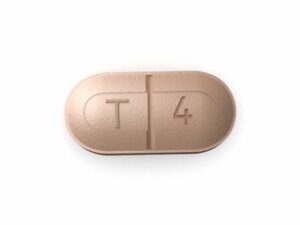
| Diane 35 | Cyproterone acetate + Ethinylestradiol | Combined oral contraceptive (COC) with anti-androgen effect | Tablets | 21 active tablets per blister (commonly followed by a break) |
Note: Pack sizes and presentation can vary. Always check the leaflet supplied with your product for exact details.
2) What it’s used for (indications)
Diane 35 is used for specific hormonal conditions. In Australia, it is generally prescribed for:
- Acne that is moderate to severe, especially when there are signs of increased androgen activity.
- Hirsutism (excess hair growth in a male-pattern pattern) in women.
- Androgen-dependent skin and hair problems where hormonal treatment is appropriate.
- Sometimes contraception where a combined oral contraceptive is suitable and the above conditions are present.
Important: Diane 35 is not typically a first-line acne treatment for everyone. Your clinician will consider the severity of symptoms, previous treatments, and whether other options may be safer for you.
3) How it works (mechanism of action)
Diane 35 contains two active components that work together:
-
Ethinylestradiol (oestrogen):
- Helps suppress ovarian androgen production indirectly.
- Increases sex hormone-binding globulin (SHBG), which reduces the amount of free (active) testosterone in the blood.
- Thickens cervical mucus and supports contraceptive effectiveness when used for that purpose.
-
Cyproterone acetate (anti-androgen):
- Blocks the action of androgens at their receptors.
- Reduces oiliness of skin (sebum), which can improve acne.
- Can help reduce androgen-related hair growth patterns.
The combination targets the underlying hormone sensitivity of acne and hirsutism, rather than only treating symptoms.
4) When to expect results (timing)
Skin and hair changes usually take time. Typical timelines:
- Acne: improvements are often seen after 2–3 months; maximum benefit may take 3–6 months.
- Hirsutism: may improve more slowly, commonly over 6–12 months (and sometimes longer).
- Regular bleeding patterns: often stabilise within the first few cycles.
If you have not noticed improvement after several months, discuss next steps with your healthcare professional.
5) Pharmacokinetics (how the body processes it)
Pharmacokinetics describes how the body absorbs, distributes, metabolises, and eliminates medicines. For combined oral products like Diane 35, the key points include:
-
Absorption:
- After oral intake, both hormones are absorbed through the gastrointestinal tract.
- Peak levels typically occur within a few hours, though exact timing varies between individuals.
-
Distribution:
- Ethinylestradiol binds to plasma proteins (including SHBG and albumin).
- Cyproterone acetate also binds to plasma proteins; only a small fraction is free and biologically active.
-
Metabolism:
- Both hormones are metabolised mainly in the liver by enzymatic pathways.
- Some medicines can alter these liver enzymes (see interactions section).
-
Elimination:
- Metabolites are removed mainly through urine and bile/faeces.
- Hormone levels decline gradually between doses, contributing to cycle-based effects.
Individual metabolism varies based on genetics, liver function, smoking, and interacting medicines.
6) How to take Diane 35 (typical dosing and timing)
Diane 35 is taken as a daily tablet schedule. A common regimen is:
- One tablet daily for 21 consecutive days
- Then a break (commonly 7 days) during which withdrawal bleeding typically occurs
- Start the next pack on schedule, even if bleeding has not finished
Timing:
- Take your tablet at the same time each day to improve cycle control and reduce missed-dose risk.
- If you are changing from another hormonal method, your clinician will advise the best switch-over plan.
If you miss tablets:
- The correct approach depends on how many tablets you missed and where you are in the pack.
- Follow the instructions in the consumer medicine information provided with your product.
- In general, missing doses can reduce hormone levels and may lead to breakthrough bleeding or reduced effectiveness (for both acne/hirsutism control and contraception, if applicable).
7) Food interactions
For most people, food does not significantly affect absorption of combined oral tablets. You may take Diane 35 with or without food.
Important: If you have vomiting or severe diarrhoea soon after taking a tablet, absorption may be reduced. In such cases:
- Use the missed-dose instructions in the leaflet.
- Consider using additional precautions (such as condoms) until hormone levels are stable, if relevant to contraception.
8) Alcohol interactions
Moderate alcohol is not usually expected to directly interfere with Diane 35.
However, alcohol may increase risks indirectly:
- Liver strain: Heavy alcohol use can affect liver health, and liver metabolism is important for these hormones.
- Adherence risk: Alcohol can make it easier to forget daily tablets.
Seek medical advice if you have liver disease, hepatitis, or significant alcohol-related health issues.
9) Medicine interactions (including enzyme inducers and inhibitors)
Some medicines can change hormone levels in the body, which may reduce effectiveness or increase bleeding irregularities. Tell your pharmacist or doctor about all medicines you take, including herbal products.
Medicines that may reduce Diane 35 effectiveness
- Enzyme inducers (increased breakdown of hormones), for example:
- Some medicines for epilepsy (certain anticonvulsants)
- Some medicines for tuberculosis (TB)
- Some medicines for HIV
- Rifampicin and related antibiotics
- Griseofulvin (for fungal infections)
- Some products containing St John’s wort (Hypericum perforatum)
Medicines that may increase hormone exposure
- Enzyme inhibitors (reduced breakdown), which can increase hormone levels:
- Certain antifungal medicines
- Some antibiotics
- Some medicines used for hepatitis C or other conditions
Other interaction considerations
- Blood clot risk: Combining Diane 35 with certain medicines that also increase clot risk may raise overall risk.
- Thyroid medicines: Oestrogens can affect thyroid-binding proteins; dose adjustments may be needed in people with hypothyroidism.
- Diabetes: Some people may see changes in glucose tolerance.
Always check the leaflet for a full list of interactions and talk to your healthcare professional for personalised advice.
10) Safety profile and important precautions
Like all combined hormonal medicines, Diane 35 has benefits and risks. The most important serious risks relate to blood clots (venous thromboembolism) and arterial events.
Seek urgent medical attention if you experience:
- Leg symptoms: swelling, pain, redness, or warmth in one leg
- Lung/heart symptoms: sudden shortness of breath, chest pain, or coughing blood
- Stroke symptoms: sudden weakness/numbness on one side, facial drooping, speech difficulty
- Eye/vision symptoms: sudden vision changes
- Severe headache (especially if new or worse than usual), or migraine with aura
Who may be at higher risk?
Risk varies by individual. Factors that may increase risk include:
- Smoking (especially age >35)
- Obesity
- Personal or family history of blood clots
- Prolonged immobility (e.g., long flights, surgery, leg casts)
- Major surgery or trauma
- High blood pressure
- Some migraine patterns (particularly migraine with aura)
Other important risks and side effects
- Breakthrough bleeding and spotting, especially in the first cycles
- Nausea, breast tenderness, headaches
- Mood changes in some people
- Cholestasis/jaundice or liver-related issues (rare)
- Changes in cholesterol or triglycerides (may be mild for many people)
When to stop and get medical advice
Contact a healthcare professional promptly if you develop:
- Symptoms of a blood clot (as above)
- Severe or persistent abdominal pain
- Yellowing of the skin/eyes (jaundice)
- Very high blood pressure symptoms (e.g., severe headache, vision changes)
- Any new neurological symptoms
11) Practical use tips
- Choose a consistent tablet time: many people use a daily routine (breakfast, bedtime) to avoid missed doses.
- Use reminders: phone alarms, calendar alerts, or blister pack tick marks.
- Plan for disruptions: travel, illness, vomiting/diarrhoea can affect adherence.
- Monitor symptoms: track acne/hirsutism progress and any side effects, especially during the first 2–3 months.
- Consider lifestyle measures: smoking cessation and maintaining a healthy weight can improve overall safety.
- Don’t ignore warning signs: early assessment is important if you suspect a clot or have severe symptoms.
Contraception note: If you are taking Diane 35 for androgen-related skin/hair problems, you should still understand it can be a contraceptive for those who require that effect. If contraception is relevant, discuss it with your healthcare professional—especially if you miss tablets or take interacting medicines.
12) Alternative options for acne and hirsutism
Depending on the underlying cause, severity, and your personal risk factors, options may include:
Acne options
- Topical treatments: benzoyl peroxide, topical retinoids, topical antibiotics
- Oral antibiotics for selected cases (short courses)
- Isotretinoin for severe, persistent acne (with strict monitoring)
- Hormonal treatments (when appropriate), including different combined oral contraceptives or specific anti-androgen approaches
Hirsutism options
- Mechanical hair removal (shaving, waxing, depilatories) for cosmetic management
- Laser/electrolysis for longer-term hair reduction
- Hormonal therapy targeted to androgen excess
- Address underlying causes (e.g., polycystic ovary syndrome) where present
Your clinician can help determine whether Diane 35 is the most suitable option or whether another approach would be safer or more effective for your situation.
13) Market and legal context in Australia (overview)
In Australia, combined oral contraceptives and medicines for hormonal acne/hirsutism are regulated by the Australian Therapeutic Goods Administration (TGA). Availability and prescribing requirements depend on product classification and clinical indications.
Guidance on use for acne and hair growth: Regulatory authorities and clinical guidance can evolve as evidence updates risk assessments—particularly around thromboembolic risk for certain hormonal products.
Recent trends and safety scrutiny:
- There has been increased attention to the relative risk of blood clots among different combined hormonal contraceptives.
- Clinicians may prefer alternative hormonal options for acne/hirsutism where appropriate based on individual risk factors.
- Patients are advised to review contraindications and warning signs and to report changes in health status promptly.
Always rely on the current consumer medicine information and the latest advice from your healthcare professional and pharmacy.
14) Delivery and availability (Australia)
Many online pharmacies in Australia offer delivery for eligible medicines. Availability may depend on:
- Local stock levels
- Pack size and brand supply
- Prescriber and documentation requirements (where applicable)
Typical delivery considerations:
- Orders are often processed within business hours.
- Delivery time depends on your location and shipping method.
- Some items may require additional verification before dispatch.
Check the product page and checkout details for current shipping options, fees, and estimated delivery times.
15) Discontinuation and follow-up
If you plan to stop Diane 35, discuss the timing with a healthcare professional, especially if you have been using it for androgen-related symptoms. Stopping may lead to a gradual return of acne or hirsutism over time.
Follow-up is often recommended if symptoms do not improve after a trial period or if you experience side effects.
16) FAQ
Is Diane 35 the same as other birth control pills?
Diane 35 is a combined oral contraceptive because it contains ethinylestradiol and progestogen (cyproterone acetate). However, cyproterone acetate also provides anti-androgen effects, making it particularly relevant for acne and hirsutism associated with androgen activity.
How long does it take to work for acne?
Many people notice changes after 2–3 months, with greater improvement by 3–6 months. If there is no benefit after several months, speak with your healthcare professional.
Can I start Diane 35 at any time in my cycle?
Starting times vary depending on your previous contraception and health circumstances. Follow the start instructions in the medicine leaflet and advice from your healthcare professional.
What should I do if I miss a dose?
Follow the missed tablet instructions in the consumer medicine information. The recommended action depends on the number of missed tablets and where you are in the pack.
Does food affect Diane 35?
Food is not usually a major issue. Take it consistently and consider missed-dose guidance if vomiting or severe diarrhoea occurs soon after taking a tablet.
Can I drink alcohol while taking it?
Moderate alcohol is usually not expected to directly interact. Avoid heavy alcohol use and seek medical advice if you have liver disease or significant alcohol-related concerns.
What medicines commonly interact with Diane 35?
Some medicines that affect liver enzymes (for example certain anti-epileptics, TB treatments, HIV medicines, and St John’s wort) can reduce hormone levels. Others may increase hormone exposure. Tell your pharmacist about all medicines and supplements.
What are the most serious risks?
The most serious risks involve blood clots (venous thromboembolism) and related complications. Seek urgent medical help for symptoms such as chest pain, sudden breathlessness, one-sided leg swelling, severe sudden headache, or stroke-like symptoms.
Is Diane 35 suitable for everyone with acne?
No. It may not be suitable for people with certain risk factors (for example, clot risk factors), and other acne treatments may be preferred. Your healthcare professional will assess your individual risk profile.
Are there safer alternatives?
Depending on your situation, alternatives can include different acne treatments or other hormonal approaches with different risk profiles. Discuss options that fit your health history and preferences.
17) Key takeaways
- Diane 35 combines an oestrogen with an anti-androgen to help hormone-related acne and hirsutism.
- Results typically take months, especially for hair growth.
- Serious but uncommon risks include blood clots—learn the warning signs.
- Interactions with other medicines (especially enzyme inducers) can affect effectiveness.
- Take the tablet consistently at the same time each day and follow missed-dose guidance.
If you have questions about whether Diane 35 is suitable for you, or you are experiencing side effects, talk to your pharmacist or healthcare professional for personalised guidance.