
Liothyronine (T3) – Patient Information (Australia)
Liothyronine is a form of the thyroid hormone triiodothyronine (T3). It is used to treat conditions where the body does not make enough thyroid hormone, or where T3 is specifically required as part of thyroid management. This guide explains how liothyronine works, how it is used, what to expect, and important safety and interaction information.
Note: Thyroid conditions vary between individuals. Your dose and plan should be tailored to your needs and monitored with thyroid blood tests.
Key Product Information
| Category | Details |
|---|---|
| Medicine name | Liothyronine (T3) |
| Therapeutic class | Thyroid hormone replacement |
| Common use | Hypothyroidism and certain thyroid-related treatment scenarios |
| Active ingredient | Liothyronine sodium (strengths vary by brand/product) |
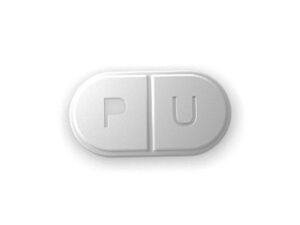
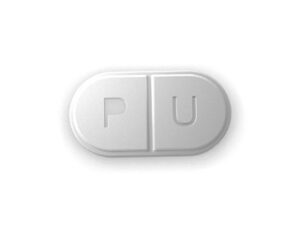
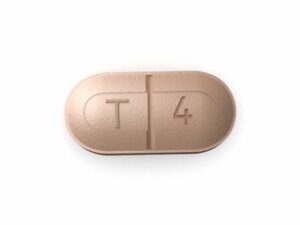
| Typical form | Oral tablets |
| Monitoring | Blood tests (e.g., TSH, free T4, and/or T3) and symptoms |
How Liothyronine Works (Mechanism of Action)
Liothyronine replaces thyroid hormone in the body. T3 is one of the main thyroid hormones that influences:
- Metabolism – helping regulate how the body uses energy
- Heart rate and cardiovascular function
- Growth and development (especially important in children)
- Temperature regulation
- Normal brain and nerve function
- Digestive activity
T3 enters cells and binds to thyroid hormone receptors, which then alter gene expression. This leads to a gradual improvement in thyroid-related symptoms when levels are corrected.
Pharmacokinetics (How the Body Handles It)
Understanding pharmacokinetics helps explain why dosing schedules and timing matter.
- Absorption: Liothyronine is absorbed from the gastrointestinal tract after oral dosing. Absorption can be affected by food and some supplements/medicines.
- Onset: Because T3 is the active hormone, effects can occur relatively quickly compared with some other thyroid treatments.
- Distribution and metabolism: T3 binds to plasma proteins and is metabolised mainly in the liver and other tissues.
- Elimination: It is cleared from the body through metabolic pathways and excretion. The duration of effect is shorter than some alternative thyroid hormone options, which is one reason dosing may be split.
Your clinician may adjust dose and timing based on blood test results and how you feel.
Typical Uses and Indications
Liothyronine is used in a range of thyroid-related situations. Common indications may include:
- Hypothyroidism (when thyroid hormone replacement is required), particularly when T3 is preferred or in specific treatment approaches.
- Combination therapy with other thyroid hormones in selected individuals where appropriate.
- Specialised thyroid management plans decided by your treating clinician.
Eligibility depends on your diagnosis, symptoms, thyroid blood results, age, other medical conditions, and medication interactions.
Timing and How to Take Liothyronine
General timing
Many people take liothyronine once or twice daily depending on their prescribed regimen. The aim is to keep thyroid levels within a target range while minimising side effects.
- Take at the same times each day to maintain consistent hormone levels.
- If you are prescribed twice daily dosing, spacing doses evenly (for example, morning and early evening) may help reduce peaks and troughs.
- Consistency is important: try not to frequently change the timing relative to meals.
Taking with or without food
Food can influence absorption. To reduce variability, many clinicians recommend taking liothyronine on an empty stomach (e.g., 30–60 minutes before breakfast) or using a consistent routine. Follow your prescriber’s instructions.
What to do if you miss a dose
If you miss a dose, take it as soon as you remember if it is still close to your scheduled time. If it is nearly time for the next dose, skip the missed dose and continue as normal. Do not take double doses.
Food Interactions and Absorption Tips
Some foods and dietary supplements can affect thyroid hormone absorption and effectiveness. Consider the following:
- High-fibre meals and certain dietary patterns may reduce absorption in some people. Keep your diet consistent and discuss significant changes with your clinician.
- Soy products may interfere with thyroid hormone absorption in some individuals. If you consume soy regularly, inform your clinician and monitor thyroid tests.
- Coffee taken with or soon after dosing may impact absorption for some people. Using a consistent approach and taking the medicine on an empty stomach may help.
- Calcium, iron, and magnesium supplements can bind thyroid medication and reduce absorption. Aim to separate thyroid medication from these supplements (often by several hours) unless otherwise directed.
If you have dietary restrictions (e.g., gluten-free, high-fibre diets) or take supplements, it’s helpful to share this with your healthcare team so your dose can be adjusted appropriately.
Alcohol and Medication Interactions
Alcohol
Moderate alcohol intake is not universally contraindicated with liothyronine, but alcohol can affect liver function and overall health, which may influence how hormones are metabolised and how stable thyroid levels remain.
- If you drink alcohol, do so in moderation and remain consistent.
- If you experience palpitations, anxiety, sweating, or worsening symptoms, consider limiting alcohol and speak with your clinician.
Other medicines that may interact
Interaction risk depends on your overall medication list. Common interaction categories include:
- Thyroid hormone–binding and absorption reducers (e.g., some antacids, bile acid sequestrants, certain supplements). These can reduce absorption.
- Iron and calcium supplements – may need time separation from dosing.
- Certain cholesterol-lowering medicines (bile acid sequestrants) – may interfere with absorption.
- Anticoagulants (blood thinners) – thyroid hormone may affect clotting status and the effect of warfarin. Your clinician may require closer monitoring if you use blood thinners.
- Diabetes medicines – thyroid changes can affect blood glucose control, sometimes requiring adjustment.
- Heart medicines – if dose is too high, symptoms of hyperthyroidism may worsen cardiovascular effects.
- Certain seizure medicines and other drugs that affect liver enzyme activity may alter thyroid hormone levels.
Always provide your pharmacy or clinician with a full list of medicines, including non-prescription products and supplements.
Safety Profile and Warnings
Liothyronine is generally safe when used correctly, but it has a narrow margin between appropriate dosing and excessive dosing. Too much thyroid hormone may cause symptoms of hyperthyroidism.
Common side effects (especially if dose is too high)
- Feeling jittery, anxious, or restless
- Increased sweating or heat intolerance
- Fast heartbeat, palpitations
- Tremor
- Unintended weight loss
- Sleep disturbance
- Headache
Serious symptoms – seek urgent medical advice
Contact a healthcare professional urgently if you experience:
- Chest pain or severe shortness of breath
- Fainting, severe dizziness, or sustained rapid heart rate
- Signs of an allergic reaction (e.g., swelling of face/lips, difficulty breathing, widespread rash)
Special populations
- Older adults may be more sensitive to dose changes and may require slower titration.
- Heart disease: thyroid hormone can increase workload on the heart. Clinicians often start low and adjust cautiously.
- Pregnancy and breastfeeding: thyroid hormone needs can change. Your clinician will closely monitor thyroid levels.
- Children: dosing must be carefully calculated and monitored.
Dosing: What “Typical” Looks Like (and Why Individualisation Matters)
Dosing of liothyronine varies widely. Your starting dose and adjustments depend on: age, severity of hypothyroidism, heart health, prior thyroid treatment, and your blood test results.
General approach to dose adjustment
- Start low in sensitive groups (e.g., elderly, heart disease).
- Adjust gradually based on thyroid function tests and symptom response.
- Monitoring intervals are commonly spaced over several weeks to allow stable hormone levels to develop.
Important monitoring targets
Thyroid treatment is monitored using blood tests such as:
- TSH (thyroid-stimulating hormone)
- Free T4
- T3 levels in selected cases
Because liothyronine contains T3 (an active hormone), clinicians may consider both lab values and how you feel when fine-tuning your dose.
Do not adjust your dose on your own. If symptoms worsen or new symptoms appear, seek advice and ensure your next blood tests are scheduled.
Practical Use Tips (Getting the Best Results)
- Use a consistent routine: take it at the same time each day and maintain a similar meal schedule.
- Separate interacting supplements: consider spacing calcium, iron, and magnesium by several hours unless your clinician has advised otherwise.
- Track symptoms: note changes in energy, heart rate/palpitations, bowel habits, sleep, and weight. This helps identify whether the dose may be too low or too high.
- Keep follow-up appointments: thyroid levels can take time to stabilise after dose changes.
- Check for product consistency: if your brand or tablet strength changes, inform your clinician.
- Plan around other medicines: tell your pharmacy about all prescriptions, non-prescription medicines, and herbal products.
Alternative Options (Other Thyroid Treatments)
Alternative therapy depends on the clinical scenario and your healthcare provider’s guidance. Common alternatives include:
- Levothyroxine (T4): often used as first-line thyroid hormone replacement in many settings.
- Combination regimens: some individuals may use combination treatment under close monitoring.
- Other thyroid hormone formulations: availability and suitability vary by patient needs.
Switching between options should be done carefully and with monitoring, because different formulations can produce different blood levels and symptom patterns.
Market and Legal Context in Australia
In Australia, access to medicines is regulated to support safe and appropriate use. Thyroid medicines such as liothyronine are typically managed through the medicines and pharmacy supply framework, with oversight to help ensure correct dosing and monitoring.
Online pharmacies in Australia generally:
- Provide information about the product and safe use.
- Have processes to support appropriate dispensing and ensure relevant patient details are considered.
- Require that orders comply with Australian pharmacy and medicines regulations.
If you are unsure about supply rules or how your order will be handled, check the online pharmacy’s shipping and compliance information before purchasing.
Recent Guidance and Monitoring Notes
Thyroid management guidelines evolve as evidence develops. Recent clinical practice commonly emphasises:
- Regular monitoring of thyroid blood tests after initiating or changing thyroid hormone therapy.
- Symptom-led review alongside laboratory results, especially when patients report persistent symptoms.
- Individualised treatment when considering T3-containing regimens, particularly regarding dose, frequency, and patient preference.
- Attention to interactions (supplements, antacids, and certain medicines) that can affect absorption.
Your prescriber may consider your overall health—including heart rhythm history and bone health—when determining dosing strategy.
Delivery and Availability (Australia)
Availability and delivery times can vary depending on stock levels and your location within Australia. Many online pharmacies offer:
- Home delivery with tracking where available
- Multiple shipping options (standard and express in some areas)
- Secure packaging to protect tablets during transit
Before ordering, check:
- Estimated delivery timeframe at checkout
- Shipping cost and conditions (including regional limitations)
- Whether product brand/strength is subject to substitution based on availability
If you need medication urgently, contact the pharmacy to discuss dispatch timing.
FAQ – Liothyronine
1) What is liothyronine used for?
Liothyronine is used to treat thyroid hormone deficiency (hypothyroidism) and to support specific thyroid management plans where T3 is required or appropriate.
2) How soon will I feel better?
Some people notice improvements within days, while others take several weeks. Symptom changes and lab results both guide how dosing works over time. Consistent dosing and follow-up blood tests are important.
3) Can I take liothyronine with breakfast?
Food can affect absorption. Many people find it best to take liothyronine on an empty stomach. If you take it with food, try to do so consistently and discuss your routine with your clinician.
4) Is it safe to drink coffee?
Coffee may affect absorption for some people, especially if taken close to the dose. A consistent routine and taking the medicine on an empty stomach can help reduce variability.
5) What supplements should I avoid near my dose?
Calcium, iron, and magnesium supplements can interfere with absorption. Separate these from your thyroid medication by several hours unless your clinician advises otherwise.
6) What if I miss a dose?
Take it when you remember if it’s close to your scheduled time. If it’s near your next dose, skip the missed dose and continue as normal. Do not double up.
7) What are signs my dose might be too high?
Possible signs include palpitations, tremor, anxiety, sweating, heat intolerance, insomnia, and unwanted weight loss. If these occur, contact your healthcare professional promptly.
8) What are signs my dose might be too low?
Possible signs include ongoing fatigue, cold intolerance, constipation, weight gain, dry skin, and brain fog. Lab testing is essential to confirm thyroid hormone status.
9) Can liothyronine interact with other medicines?
Yes. Some medicines and supplements can affect absorption or thyroid hormone levels. Tell your pharmacist about all medicines and supplements you take, including non-prescription products.
10) Do I need regular blood tests?
Most people need periodic thyroid function tests to ensure the dose is appropriate and stable, especially after dose changes.
Summary
Liothyronine is an oral thyroid hormone treatment that provides active T3 to help correct hormone deficiency and improve thyroid-related symptoms. Because absorption can be influenced by food and certain supplements, consistent timing and careful separation from interfering products can make a difference. Regular blood test monitoring and attention to symptoms help keep dosing safe and effective.