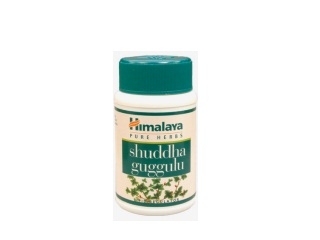

Shuddha Guggulu (Shuddha Guggul) – Patient-Friendly Guide (Australia)
Shuddha guggulu is a traditional herbal formulation made from purified Commiphora mukul resin (guggul). In many Ayurvedic systems, Shuddha guggulu is used to support healthy cholesterol levels and joint comfort, and to promote overall metabolic balance.
This page explains how Shuddha guggulu is commonly used, what it may do in the body, how it is typically taken, practical tips for safe use, and important considerations for people in Australia.
Basic Product Information
- Product name: Shuddha guggulu
- Common source: Purified guggul resin from Commiphora mukul
- Form: Commonly available as tablets, capsules, or powders (varies by brand)
- Traditional uses: Metabolic support and joint comfort
- Category: Herbal medicine / dietary supplement (depending on local product classification)
- Typical strength: Varies widely by manufacturer; always follow the product label
Note: Ingredients and strength differ between brands. For the most accurate directions, rely on the specific product’s label and your healthcare professional’s advice.
How Shuddha Guggulu May Work (Mechanism of Action)
Guggul has been studied in different ways, and several mechanisms have been proposed. While evidence quality varies, these are some of the commonly discussed actions:
- Metabolic support: Guggul components may influence lipid metabolism pathways, including those related to cholesterol transport and processing.
- Support for inflammatory balance: In traditional and preclinical research contexts, guggul has been associated with effects that may help modulate inflammatory signalling.
- Thyroid-related regulation (reported mechanism): Some studies and traditional descriptions suggest that guggul may interact with thyroid hormone pathways. This is one reason thyroid conditions and thyroid medication require careful consideration.
- Antioxidant activity: Guggul resin contains compounds that may contribute to antioxidant effects, which support overall cellular health.
What this means for you: People commonly use Shuddha guggulu to support metabolic wellness and comfort in conditions where inflammation is a factor. Results (when they occur) are typically gradual.
Pharmacokinetics: What Happens in the Body
Pharmacokinetics describes how a substance is absorbed, distributed, metabolised, and eliminated. For herbal products like Shuddha guggulu, detailed pharmacokinetic data can be limited and may vary by formulation (tablet vs capsule vs powder), dose, and extract standardisation.
- Absorption: Absorption can vary. Some guggul constituents may be absorbed from the gastrointestinal tract after oral intake.
- Distribution: Plant-derived compounds can distribute into different tissues, but specific concentrations vary across studies.
- Metabolism: Metabolism likely involves liver enzymes (as with many orally taken botanicals), and drug–herb interactions are therefore possible.
- Excretion: Excretion generally occurs through bile and/or urine; however, the exact profile depends on the specific constituents and formulation.
Practical implication: Because pharmacokinetic details are not identical across products, it is important to follow the brand’s dosing guidance and monitor how you feel—especially if you take other medicines.
Typical Use in Australia (Common Indications)
In Australia, Shuddha guggulu is commonly used as an herbal option for:
- Cholesterol and lipid support: People may use it to support healthy lipid profiles (e.g., cholesterol levels) as part of a broader lifestyle approach.
- Joint comfort: Traditional use includes supporting comfortable movement and may be used alongside lifestyle measures for joint discomfort.
- Inflammatory balance: Some individuals use it to support overall inflammatory balance.
- Metabolic wellness: Traditional descriptions often focus on metabolic stability and healthy body balance.
Important: If you have diagnosed high cholesterol, cardiovascular disease, thyroid disease, or other chronic conditions, Shuddha guggulu should be considered supportive—not a substitute for medically essential care.
When to Take Shuddha Guggulu (Timing & Routine)
Many users take Shuddha guggulu consistently each day. Timing can affect tolerance and effectiveness for some people.
- With or after food: Some people find it gentler on the stomach when taken with food.
- Consistency matters: Take it at the same times daily to maintain routine.
- Start low: If you are new to guggulu, consider starting with the lower end of the label dose and gradually increasing only if well tolerated (where the label allows).
Example routine (generic): Twice daily dosing is common with herbal formulations, but always follow your product’s label instructions.
Food Interactions
Herbal products can interact with food in ways that affect absorption and stomach comfort.
- Taking with meals: Often helps reduce the chance of stomach upset.
- High-fat meals: May change the absorption of resin-based herbal compounds. If your label does not specify, consider taking it with a consistent type of meal.
- Grapefruit and similar fruit: While grapefruit is a known interaction for some medicines, there is less clarity for herbal ingredients. As a general precaution, avoid grapefruit regularly if you are taking other interacting medications.
Tip: If you experience reflux, nausea, or stomach discomfort, take Shuddha guggulu with food or shift dosing to after meals.
Alcohol Interactions
Alcohol can increase the risk of side effects such as stomach irritation and can also affect liver function. Since herbal medicines are metabolised in the body (often involving the liver), alcohol may increase the chance of adverse effects.
- General advice: Limit alcohol while using Shuddha guggulu.
- If you drink: Keep intake modest and avoid taking the product on an empty stomach during alcohol consumption.
- Stop and seek advice: If you develop unusual fatigue, jaundice (yellowing of skin/eyes), dark urine, or persistent abdominal pain, discontinue and contact a healthcare professional urgently.
Interactions With Other Medicines
Interactions can occur when guggulu affects liver enzymes or hormone-related pathways, or when other medicines influence metabolism. Always disclose all supplements and medicines to your healthcare professional.
Common medicine groups where caution is advised
- Thyroid medications: Because guggul may influence thyroid hormone pathways, people with hypothyroidism or hyperthyroidism (or those taking levothyroxine or other thyroid therapies) should use caution and seek professional guidance. Thyroid levels may require monitoring.
- Cholesterol-lowering medicines (e.g., statins, ezetimibe): Combining may increase the chance of side effects (e.g., muscle symptoms) or changes in liver enzymes in some people. Monitoring may be needed.
- Blood-thinning medicines (e.g., warfarin): Herbal supplements can sometimes affect bleeding risk. If you take anticoagulants, discuss with your clinician before using Shuddha guggulu.
- Diabetes medicines: Any botanical that affects metabolic pathways may alter glucose control. Monitor blood sugar as advised.
- Liver-metabolised medicines: Many drugs rely on liver enzyme systems. Herbal constituents may change metabolism, potentially altering medicine levels.
Practical safety steps
- Provide a current list of all medicines and supplements to your pharmacist/doctor.
- Check product labels for additional ingredients (some formulas combine guggulu with other active botanicals).
- Start one change at a time so you can identify what might cause a reaction.
Dosing Guidance (General, Label-Dependent)
Because Shuddha guggulu products vary by brand and strength, the safest approach is to follow the dosing on the product label. Below are typical patterns used in practice, presented for general information only.
Typical dosing patterns (commonly used):
- Adults: Often taken in divided doses (e.g., morning and evening) with meal-based timing.
- Starting dose: Some users begin with the lower end of the label range to assess tolerance.
- Duration: Supportive effects for metabolic or joint comfort may take several weeks. Avoid stopping and starting frequently.
Maximum dose: Do not exceed the label or healthcare professional’s recommended amount.
Missed dose: If you miss a dose, take it when you remember unless it’s close to the next dose. Do not double up.
Safety Profile: Who Should Be Cautious?
Most people tolerate herbal products reasonably well when used correctly, but safety depends on your health status, other medicines, and the product quality.
Possible side effects
- Stomach discomfort: nausea, acidity, or diarrhoea in some individuals
- Headache or dizziness: less commonly reported
- Skin reactions: rash or itching if sensitive to ingredients
- Changes in thyroid-related symptoms: particularly relevant for those with thyroid disease
Seek urgent help if
- You develop swelling of lips/face, severe rash, or difficulty breathing
- You develop signs of liver trouble (yellowing skin/eyes, dark urine, severe abdominal pain)
- There is severe muscle pain or weakness, especially if you also use cholesterol-lowering medicines
People who should use extra caution or avoid without professional guidance
- Pregnancy and breastfeeding: Safety data is limited; avoid unless a clinician advises otherwise.
- Thyroid disorders: due to possible thyroid pathway effects.
- Those taking anticoagulants or antiplatelet medicines: interaction risk.
- Those with liver disease: increased caution is needed.
- Children: dosing should only occur under professional guidance.
Practical Use Tips (How to Get the Best Experience)
- Choose quality-assured products: Look for brands with clear ingredient lists, batch information, and manufacturing standards.
- Follow label directions exactly: Do not increase dose “to get faster results.”
- Track your response: If you use it for cholesterol or joint comfort, note changes in symptoms and any side effects.
- Pair with lifestyle support: For lipid support, diet quality, weight management, exercise, and sleep matter greatly.
- Consider separating from other supplements: If you take multiple botanicals, spacing doses can help identify what causes side effects.
- Use consistent timing: Take at similar times each day for steady routine.
Stop and reassess: If symptoms worsen or you notice new adverse effects, discontinue and consult a healthcare professional.
Alternative Options
If you’re considering Shuddha guggulu but want alternatives, options depend on your goal (lipid support, joint comfort, or general metabolic wellness). Below are common categories used by people:
For cholesterol/lipid support (alternatives)
- Dietary fibre: such as psyllium husk (often used to support LDL cholesterol)
- Plant sterols/stanols: in some supplements or foods
- Omega-3 fatty acids: may support triglyceride management (goal-dependent)
- Red yeast rice (caution): can be potent; quality and safety vary—discuss with a clinician
For joint comfort (alternatives)
- Glucosamine and/or chondroitin (some people report benefit)
- Turmeric/curcumin (commonly used for joint discomfort)
- Boswellia serrata (often used for comfort and mobility support)
- Collagen peptides (some find helpful for mobility/skin and general comfort)
Important: Alternatives also have interaction potential. Always check labels and speak with your pharmacist or doctor—especially if you have thyroid disease, liver conditions, or take anticoagulants or cholesterol-lowering medication.
Market & Legal Context for Australia
In Australia, herbal products and supplements are regulated under frameworks that focus on product safety, quality, and truthful/appropriate claims. Depending on how a product is classified (e.g., complementary medicine, listed medicine, or dietary supplement), different rules may apply to:
- Permitted therapeutic claims
- Manufacturing and quality standards
- Label information
- Advertising requirements
General guidance for shoppers:
- Choose products with clear labels and reputable manufacturing details.
- Be cautious of claims that sound “too guaranteed” (no supplement can promise outcomes for everyone).
- Check if the product is registered/listed or otherwise approved under relevant Australian schemes.
Recent guidance (consumer safety theme): Australia continues to emphasise safe complementary medicine use, including accurate labelling, awareness of interactions, and advising consumers to consult healthcare professionals when taking medicines or managing chronic conditions.
Delivery and Availability in Australia
Shuddha guggulu is commonly available through specialty health stores and online pharmacies that stock complementary medicine and herbal supplements.
- Availability: Stock can vary by brand and formulation (capsules, tablets, or powder).
- Delivery: Many online pharmacies offer Australia-wide delivery, with typical processing and shipping timeframes shown at checkout.
- Cold chain: Not usually required for resin-based oral products, but follow storage instructions.
- Tracking: Tracking is commonly provided depending on the shipping method.
Storage tips: Store in a cool, dry place away from direct sunlight. Keep out of reach of children.
FAQ – Frequently Asked Questions
1) What is Shuddha guggulu used for?
It is traditionally used to support metabolic balance, including healthy lipid/cholesterol support, and for joint comfort. Many people use it as part of a broader lifestyle routine (diet, exercise, and sleep).
2) How long does it take to work?
Herbal products often work gradually. Some people notice changes in comfort within a few weeks, while metabolic/lipid support may take longer. If you don’t notice any benefit after a reasonable trial (as guided by your label or clinician), reassess your plan.
3) Should I take it with food?
Many users take Shuddha guggulu with food or after meals to improve stomach tolerance. If your label provides a specific instruction, follow it.
4) Can I take it with cholesterol medicine or a statin?
You should be cautious. Combining may be appropriate for some people under monitoring, but it can also increase risk of side effects and may require liver or muscle-related monitoring. Speak with your pharmacist or doctor before combining.
5) Is it safe for people with thyroid conditions?
Extra caution is needed. Because guggul may affect thyroid hormone pathways, people with thyroid disease or those taking thyroid medication should consult a healthcare professional and consider thyroid function monitoring.
6) What side effects should I watch for?
Commonly reported possibilities include stomach upset (nausea, acidity, loose stools), headache, or skin reactions. Seek urgent help for allergy symptoms, severe reactions, or possible liver trouble.
7) Can I drink alcohol while using Shuddha guggulu?
It’s generally best to limit alcohol. Alcohol can worsen stomach irritation and adds stress to the body’s metabolism. Avoid heavy drinking and stop and seek advice if you develop concerning symptoms.
8) Can it interact with blood thinners?
Yes, interactions are possible with anticoagulants/antiplatelet medicines. If you take blood-thinning medicines, consult a clinician before use.
9) What if I miss a dose?
Take it when you remember unless it’s close to the next dose. Do not double your dose.
10) Are there “alternative” supplements I can consider instead?
Depending on your goal, alternatives may include fibre (e.g., psyllium), omega-3s, plant sterols/stanols for lipid support, and turmeric/curcumin, boswellia, or glucosamine/chondroitin for joint comfort. Discuss with your pharmacist to choose the safest option for your situation.
Summary
Shuddha guggulu is a traditional, purified herbal resin used by many people in Australia to support lipid/metabolic balance and joint comfort. While it may offer supportive effects, individual responses vary, and interactions—especially with thyroid medication, blood thinners, and cholesterol-lowering medicines—can occur. For best results and safety, choose a reputable product, follow the label dosing, take note of timing and food tolerance, and consult a healthcare professional if you take other medicines or have chronic health conditions.
| Category | Information |
|---|---|
| Active source | Purified guggul resin (Commiphora mukul) |
| Common goals | Healthy lipid/metabolic support and joint comfort |
| How to take | Typically with meals or as directed by label |
| Key caution | Thyroid conditions/thyroid medication; possible drug interactions |
| Alcohol | Limit alcohol; stop and seek advice for concerning symptoms |