Diabecon (Australia) — Patient Guide
Diabecon is an oral herbal medicine used as an adjunct to help manage blood glucose (blood sugar) in people with diabetes. This guide explains how Diabecon works, how to take it, what to expect, and important safety considerations for use in Australia. If you have any medical conditions or take other medicines, it’s a good idea to discuss Diabecon with a healthcare professional to ensure it fits safely with your routine.
Quick overview
- Product: Diabecon (herbal medicine)
- Use: Adjunct support for blood glucose control
- Form: Oral tablets/capsules (depending on the specific Australian product packaging)
- How it works: Helps support glucose metabolism and may influence insulin sensitivity and digestive glucose handling
- Typical timing: Usually taken with meals (or as directed on the label)
- Country market: Sold in Australia as an over-the-counter complementary/therapeutic product (category may vary by listing)
Important: Diabecon is not a replacement for your diabetes management plan (including diet, exercise, and any diabetes medicines you may be taking). Results vary between individuals.
Basic product information
In Australia, Diabecon is marketed as a herbal medicine aimed at supporting blood glucose control. Product details such as the exact herbal ingredients, strength, and pack size can vary between formulations and brands/labels. Always check the active ingredients list and Directions for Use printed on your specific box or bottle.
- Active ingredients (varies by formulation): Typically includes herbal extracts used for glucose support.
- Dosage form: Tablets or capsules
- Pack sizes: Commonly available in multiple quantities
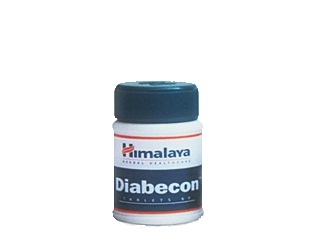
Tip for shopping online: Before placing an order, confirm you are selecting the correct Australian product and strength shown on the label image, and check expiry date and batch number if available.
How Diabecon works (mechanism of action)
Diabecon’s precise mechanisms may depend on its ingredient profile, but herbal glucose-support products like Diabecon generally aim to support blood sugar regulation through one or more of the following pathways:
- Improving insulin sensitivity: Helping tissues respond more effectively to insulin.
- Supporting glucose metabolism: Encouraging more stable glucose handling in the body.
- Reducing glucose absorption after meals: Some herbal ingredients may influence how quickly glucose is taken up from the gut.
- Antioxidant and anti-inflammatory effects: Certain plant extracts may help reduce oxidative stress that can worsen glucose control.
What this means for you: Diabecon is designed to be supportive. Many people notice changes gradually, especially when combined with lifestyle measures such as dietary carbohydrate awareness, regular physical activity, and maintaining a healthy weight where appropriate.
Pharmacokinetics (absorption, distribution, metabolism, excretion)
Pharmacokinetics for herbal medicines can be complex because ingredients are often mixtures of multiple compounds. In general, for products like Diabecon:
- Absorption: Plant compounds are absorbed from the gastrointestinal tract to varying extents.
- Distribution: Active components may distribute into tissues where they can exert metabolic effects.
- Metabolism: Many herbal constituents are metabolised in the liver and/or gut.
- Excretion: Metabolites are typically eliminated through urine and/or bile.
Practical expectation: Because effects depend on metabolism and individual variation, the full benefit may take days to weeks. Consistency with dosing is important.
What Diabecon is used for (indications)
Diabecon is used as an adjunct to help support blood glucose control, particularly in people managing diabetes where additional complementary support may be considered alongside standard care.
Common situations where people consider Diabecon:
- To complement a diabetes meal plan and exercise routine
- For additional support when blood glucose readings are higher than desired
- When individuals prefer an oral herbal supportive approach
Note: If you have type 1 diabetes, Diabecon may not be suitable as a substitute for insulin. Always follow your diabetes care plan.
Typical dosing and how to take Diabecon
Always follow the Directions for Use on your Diabecon pack. Dosing can vary between formulations. The guidance below is general and may not match your exact label—check the product you have.
Typical adult use (general guidance)
- Common approach: Taken by mouth, usually with meals to align with post-meal glucose changes.
- Frequency: Often 1–3 times daily depending on label instructions.
- Consistency: Taking it regularly helps support more predictable results.
Example timing routine (illustrative)
- Morning: With breakfast or immediately before/after breakfast (as label directs)
- Lunch: With lunch if your label specifies multiple doses
- Evening: With dinner if your label specifies multiple doses
Missed dose: If you miss a dose, take it when you remember unless it is close to the next dose. Do not take double doses to make up for a missed dose. Refer to the label for more specific instructions.
How long to give it a try
- Some people notice changes in glucose readings within the first couple of weeks.
- For many, benefits are assessed over several weeks while maintaining consistent diet and activity.
- If you see no benefit and have concerns, reassess with a healthcare professional.
Food interactions and best timing with meals
Diabecon is generally intended to be taken with or around meals. Food interactions may influence absorption and the degree of post-meal glucose support.
Recommended approach
- Take with food when label directions recommend it.
- Maintain a consistent eating pattern so the dosing timing matches your routine.
What to watch
- If you take it on an empty stomach but the label indicates with meals, you may reduce the intended effect.
- High-sugar or high refined-carbohydrate meals can overpower any supportive effect—focus on overall carbohydrate quality and portion size.
Alcohol and medicine interactions
Alcohol can affect blood glucose control and can also increase the risk of side effects when combined with some diabetes medications. Even though Diabecon is a herbal medicine, it’s still wise to treat alcohol cautiously.
Alcohol considerations
- Avoid binge drinking: Sudden changes in alcohol intake may destabilise glucose readings.
- Moderation is key: If you drink, do so in moderation and ideally with food.
- Monitor glucose more often if you plan to drink alcohol.
Interactions with diabetes medicines
The biggest safety concern with any glucose-supporting product is the potential to contribute to low blood sugar (hypoglycaemia) when used alongside medicines that lower glucose (such as insulin or sulfonylureas). While Diabecon may not act like a standard prescription antidiabetic drug, additive effects are possible.
- If you use insulin or glucose-lowering tablets, consider extra blood glucose monitoring when starting Diabecon.
- Be alert for symptoms of hypoglycaemia (see “Safety profile”).
Always check: The ingredient list and the label for any specific warnings about interactions.
Diabecon safety profile
Herbal medicines can still cause adverse effects and interact with other products. The safety profile of Diabecon depends on the individual, dose, and the exact formulation. The information below is general and should be used alongside the label and professional advice.
Common side effects
Some people may experience mild gastrointestinal effects such as:
- Stomach discomfort
- Nausea
- Changes in bowel habits
Serious risks and when to seek help
- Hypoglycaemia symptoms: shakiness, sweating, dizziness, confusion, sudden hunger, palpitations.
- Allergic reactions: rash, swelling, itching, wheezing, or trouble breathing.
- Liver or kidney concerns: uncommon but seek medical advice if you develop unusual fatigue, dark urine, yellowing of skin/eyes, or persistent abdominal pain.
Seek urgent medical attention if you have severe symptoms, fainting, or signs of a serious allergic reaction.
Who should be extra cautious
- Pregnancy or breastfeeding: Ask a healthcare professional before use.
- Children and adolescents: Only use if the product label specifically allows it.
- People with liver or kidney disease: Consult a healthcare professional.
- People with known allergies to herbal ingredients: Avoid if you have previously reacted to similar plants/extracts.
Drug and supplement interactions to consider
Besides diabetes medicines, be cautious with:
- Other glucose-lowering products (including supplements marketed for diabetes)
- Medicines that affect the liver enzymes (herbal mixtures may interact unpredictably)
- Anticoagulants/antiplatelets if your herbal ingredients include plants with blood-thinning potential (always check the label)
Practical use tips for best results
- Use a consistent schedule: Take Diabecon at the same times each day, especially with meals.
- Keep your lifestyle routine steady: If you change diet or exercise drastically, it may be harder to judge how much Diabecon is contributing.
- Monitor blood glucose: Especially when starting, changing dose, or combining with other diabetes therapies.
- Record results: Note glucose readings, meal patterns, and timing of doses for clearer feedback over time.
- Check expiry dates: Use within the stated shelf life.
- Store correctly: Keep in a cool, dry place and follow label storage instructions.
Alternative options
If Diabecon doesn’t suit you, alternatives may include other complementary products, lifestyle-focused strategies, and—where needed—pharmacological diabetes therapies prescribed and managed by healthcare professionals. Options include:
Complementary approaches
- Diabetes meal planning: focusing on low-GI carbohydrates, fibre, and portion control
- Regular physical activity: walking, resistance training, and consistency
- Other herbal or nutraceutical products: choose carefully, verify evidence and safety, and avoid stacking multiple “blood glucose” products without guidance
Conventional diabetes management (discuss with a clinician)
- Insulin therapy or other glucose-lowering medicines
- Structured monitoring and individualised targets
Reminder: Don’t stop or change diabetes medicines solely because you start a supplement.
Market and legal context for Australia
In Australia, complementary medicines are regulated under the Therapeutic Goods Administration (TGA) framework. Products may be supplied as:
- Listed medicines (lower level of evidence compared with registered medicines), or
- Registered medicines (typically higher assessed evidence and manufacturing standards), depending on the product’s classification.
Label claims: Complementary medicines can only make claims that are consistent with their permitted listing/registration. Advertising and information should align with approved wording and safety requirements.
For consumers: Always rely on the product label’s directions and warnings. If a product claim sounds too good to be true, it may not be appropriately supported.
Recent guidance and ongoing monitoring
Guidance for diabetes care continues to evolve, including emphasis on:
- Individualised glucose targets
- Regular glucose monitoring (as clinically appropriate)
- Safe use of complementary medicines, especially alongside diabetes medicines
- Recognising hypoglycaemia risk and acting quickly
While Diabecon may be available as a complementary product, it is still important to keep your healthcare team informed—particularly if your glucose readings change, you experience side effects, or you take multiple supplements.
Delivery and availability (Australia)
Diabecon is commonly available through Australian online pharmacies and select retail outlets, depending on product listings and stock levels. Delivery availability may vary by location, and shipping timelines can differ based on supplier and courier service.
What to expect when ordering online
- Stock checks: Most online pharmacies show real-time availability.
- Packaging: Medicines should be dispatched in protective packaging.
- Tracking: Tracking is typically provided where available.
- Delivery times: Usually specified at checkout; regional areas may take longer.
Quality assurance: Choose reputable suppliers that source products through legitimate Australian channels and provide clear product labelling.
FAQ — Diabecon
1) Is Diabecon for type 1 diabetes?
Diabecon is generally intended as an adjunct support for blood glucose control. If you have type 1 diabetes, you must use insulin as part of your diabetes management plan. Discuss Diabecon with a healthcare professional to confirm suitability.
2) How quickly will I notice results?
Some people notice supportive changes within days to a couple of weeks, while others may require several weeks of consistent use. Results depend on your diet, activity, baseline glucose levels, and any diabetes medicines you take.
3) Can I take Diabecon with other diabetes medicines?
It may be possible, but because diabetes medicines can lower blood glucose, combining products may increase the risk of hypoglycaemia. If you take insulin or glucose-lowering tablets, monitor your glucose more frequently when starting or changing Diabecon and seek advice if you notice low blood sugar symptoms.
4) Should I take Diabecon with food?
Often, yes. Many glucose-support supplements are best taken with meals. Always follow your Diabecon label’s directions for the most appropriate timing for your specific product.
5) What if I miss a dose?
Take it when you remember unless it’s close to the next dose. Do not take two doses at once. Follow the instructions on the label for additional guidance.
6) Is it safe to drink alcohol while taking Diabecon?
Alcohol can affect glucose control and may increase hypoglycaemia risk, particularly if you’re using other glucose-lowering medicines. If you drink, do so in moderation, consider eating alongside alcohol, and monitor your glucose more often.
7) Are there any side effects?
Some users may experience mild stomach discomfort or gastrointestinal changes. Stop use and seek medical advice if you develop signs of an allergic reaction, severe symptoms, or symptoms consistent with hypoglycaemia.
8) Who should not take Diabecon?
Check the product label. Extra caution is recommended for pregnancy/breastfeeding, children, and people with liver or kidney disease or known allergies to ingredients.
9) Can I use Diabecon long-term?
Long-term use should be guided by the product label and—if you have ongoing diabetes care needs—by advice from a healthcare professional. Periodically review benefits, tolerability, and glucose readings.
10) Does Diabecon replace diet and exercise?
No. Diabecon is supportive and should not replace diabetes management fundamentals such as healthy eating, physical activity, and any prescribed diabetes therapies.
Product information summary
| Category | Information |
|---|---|
| Medicine type | Herbal/complementary oral medicine (details vary by formulation) |
| Main purpose | Adjunct support for blood glucose control |
| Typical administration | Oral; commonly with meals as directed by the label |
| Key mechanism (general) | Supports glucose metabolism and may influence insulin sensitivity and post-meal absorption |
| Safety focus | Monitor for gastrointestinal effects and hypoglycaemia risk when combined with glucose-lowering medicines |
| Alcohol caution | Moderation advised; alcohol may destabilise glucose control |
| Diabetes management | Not a replacement for diet, exercise, and diabetes therapies |
Disclaimer: This page is for general consumer information. Always read the Diabecon label on your specific product for the directions for use and safety warnings. If you are unsure about suitability, interactions, or dosing, consult a healthcare professional.