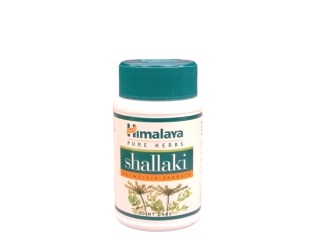
Shallaki (Boswellia serrata) — Patient-Friendly Guide for Australia
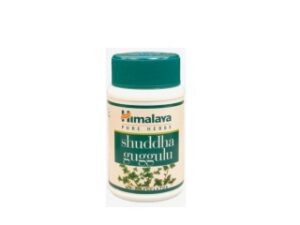
Shallaki is a popular herbal product commonly used to support joint comfort and mobility. It is made from Boswellia serrata, a resin-producing tree traditionally used in Ayurvedic medicine. In modern supplement form, Shallaki is typically standardised for key active constituents (often referred to as boswellic acids).
This guide explains how Shallaki works, how it’s used, what to expect, and how to take it safely—especially in relation to food, alcohol, other medicines, and Australian availability.
At a Glance
- Common use: Supporting joint comfort, stiffness, and mobility
- Active source: Boswellia serrata resin extracts
- How it may work: Anti-inflammatory pathways and support for cartilage and joint health
- Typical onset: Some people notice changes in weeks; best results often take consistent use
- Key considerations: Take with food if it suits you; check interactions if you use blood-thinners or anti-inflammatory medicines
Basic Product Information
Product name: Shallaki
Source: Boswellia serrata (Indian frankincense) resin extract
Typical standardisation: Many Shallaki products are standardised to boswellic acids (exact amounts can vary by brand and formulation).
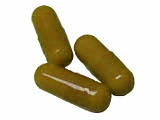
Form: Commonly capsules/tablets or soft gel capsules depending on the manufacturer.
Important note: Ingredients, strength, and recommended serving sizes vary across products sold in Australia. Always check the label on the exact product you purchase.
Mechanism of Action (How Shallaki Works)
Shallaki is studied for its potential to influence inflammatory processes. While the precise mechanisms can be complex, research suggests several pathways through which boswellia extracts may support joint health:
- Reducing inflammation mediators: Boswellia extracts may help modulate inflammatory enzymes and signals involved in swelling and pain.
- Supporting healthy connective tissue: Some evidence suggests boswellic acids may play a role in maintaining the balance of enzymes involved in cartilage breakdown.
- Antioxidant activity: Antioxidant effects may help limit oxidative stress that can contribute to chronic discomfort.
What this means for you: Shallaki is most often used as an ongoing supportive product rather than a quick “instant fix.” Many users take it daily and evaluate response over time.
Pharmacokinetics (Absorption, Distribution, Metabolism, Excretion)
Because Shallaki is a herbal extract, detailed pharmacokinetic data can vary by formulation and standardisation. However, several general observations have been reported in studies of boswellic acids:
- Absorption: Boswellic acids may have variable absorption depending on the type of extract and the presence of certain constituents.
- Bioavailability: Some formulations have improved bioavailability. Taking with food may support absorption for some people.
- Metabolism: Plant-derived constituents are typically metabolised in the liver through common pathways.
- Elimination: Metabolites are eliminated via the normal excretion routes (commonly urine and/or bile), with exact proportions varying.
Practical takeaway: If you don’t feel any effect after a short period, that doesn’t necessarily mean it won’t work for you. Consistent daily use for several weeks is often how results are assessed.
Typical Use in Australia
In Australia, Shallaki is most commonly used to support:
- Joint comfort associated with everyday activity
- Stiffness in adults, particularly in people who experience flare-ups
- Mobility for those aiming to stay active
- General inflammatory balance (as part of a broader wellness routine)
Category context: Shallaki is generally marketed as a complementary medicine/supplement depending on the product’s regulatory status. Always follow label directions and discuss with a healthcare professional if you have complex conditions or use multiple medicines.
Indications (What It’s Used For)
Depending on the specific Australian product label and regulatory approvals, Shallaki may be indicated for:
- Relief of symptoms associated with osteoarthritis and joint discomfort (where permitted by product claims)
- Supporting joint function and comfort during periods of stiffness
- Adjunct support alongside lifestyle strategies such as exercise and weight management
Reminder: Indications and claims must be consistent with Australian labelling and regulatory requirements. Check the box/leaflet for the exact claims for your product.
Dosing (How Much to Take)
Follow your product label for the exact dose. Many Shallaki products provide a typical adult dosing schedule in the range of:
- Once daily (e.g., morning or evening), or
- Twice daily (split morning and evening)
Typical approach used by many people:
- Start low for a few days if you have a sensitive stomach, then move to the labelled serving.
- Take consistently for at least several weeks to properly evaluate benefit.
- Reassess after you’ve reached the full recommended dose and timeframe.
Children: Should generally only be used in children if a healthcare professional advises, due to limited evidence and label restrictions.
Timing — When to Take Shallaki
Most people take Shallaki at the same time each day. Common timing strategies include:
- Morning: For those who prefer routine with breakfast.
- Evening: If joint discomfort is worse overnight or in the morning.
- Split dosing: If the label recommends twice daily, take one dose with breakfast and one with dinner.
For best results: Consistency is key. Try not to “double up” if you miss a dose—simply take the next dose as scheduled.
Food Interactions (With or Without Meals)
Food may influence absorption and stomach comfort. In general:
- With meals: Many people find Shallaki easier on the stomach when taken with food.
- Empty stomach: Some individuals may experience mild gastrointestinal upset if taken without food.
Practical suggestion: If your label doesn’t specify, taking with a meal (especially breakfast or dinner) is a common approach. If you’re sensitive to supplements, start with food and observe tolerance.
Alcohol Interactions and Considerations
There are no universally established alcohol interactions for Shallaki as there are for conventional medicines. However, since alcohol can worsen inflammation and irritate the stomach, a cautious approach is recommended:
- Moderation: If you choose to drink alcohol, keep it moderate.
- GI comfort: Alcohol can contribute to reflux, nausea, or stomach irritation. If you notice these, take Shallaki with food or reduce alcohol.
- Liver health: If you have liver disease or heavy alcohol intake, discuss with a healthcare professional before using supplements regularly.
When to avoid: If you develop symptoms such as persistent nausea, unusual fatigue, yellowing of skin/eyes, or dark urine, seek medical advice promptly.
Medicine Interactions
Herbal products can interact with prescription and over-the-counter medicines. While evidence is not always complete, it’s sensible to review potential interactions—especially if you take medicines for inflammation, blood clotting, blood sugar, blood pressure, or cholesterol.
Check with a healthcare professional if you take:
- Blood-thinners / anticoagulants (e.g., warfarin or other anticoagulants), or antiplatelet medicines
- Anti-inflammatory medicines (NSAIDs such as ibuprofen or naproxen), especially at higher doses
- Diabetes medicines (if you monitor glucose closely)
- Immunosuppressive medicines (because herbal immune-modulating effects are a theoretical concern)
General advice for safe use
- Keep a medication list (including supplements) and show it to your pharmacist/doctor.
- Start one change at a time: When adding Shallaki, avoid changing multiple medicines simultaneously so you can identify any side effects or benefits.
- Report unusual symptoms: Severe bruising, bleeding, rash, or breathing difficulty warrant urgent medical attention.
Note: This information is general and cannot replace advice tailored to your health profile.
Safety Profile — Side Effects and Who Should Be Cautious
Most people tolerate Shallaki well when taken according to label directions. However, no supplement is risk-free.
Common or mild side effects
- Stomach upset (nausea, mild cramps)
- Heartburn or reflux symptoms (in some people)
- Loose stools or digestive changes
Less common but serious concerns (seek medical help)
- Allergic reactions: rash, swelling, itching, wheezing
- Severe or persistent gastrointestinal symptoms
- Yellowing of skin/eyes or signs of liver problems (rare, but important)
Who should use caution
- Pregnancy and breastfeeding: Avoid unless advised by a healthcare professional due to limited safety data.
- Children: Use only if a clinician recommends.
- People with liver disease or significant alcohol intake.
- Those taking multiple medications or people with bleeding disorders.
Practical Use Tips (How to Get the Best Experience)
- Be consistent: Take it at the same time each day for several weeks.
- Track symptoms: Use a simple daily note of pain/stiffness score and mobility to see trends.
- Combine with movement: Gentle strengthening, flexibility work, and regular low-impact activity often complement joint-support strategies.
- Hydration and diet: A balanced diet supports overall inflammation control and recovery.
- Don’t rely on it alone: If symptoms are severe or worsening, consider medical evaluation rather than escalating supplements.
Missed dose: If you miss a dose, take it when you remember unless it’s close to the next dose. Don’t take double doses to “catch up.”
Alternative Options (If Shallaki Isn’t Right for You)
There are several other approaches people consider for joint comfort. Alternatives may include:
- Other herbal supplements: e.g., turmeric/curcumin, ginger extracts, or omega-3 supplements (depending on your goals and tolerance).
- Glucosamine and chondroitin: Commonly used for osteoarthritis support; evidence varies by product and individual response.
- Collagen peptides: Some people use collagen hydrolysate for joint comfort, especially alongside exercise.
- Topical options: Gels and creams (e.g., anti-inflammatory topical products) may help localized discomfort.
- Physiotherapy and exercise programs: Often one of the most effective long-term strategies for function and stiffness.
Best choice depends on: your symptoms, the joints involved, your medical history, and what other medicines you take.
Market and Legal Context for Australia
In Australia, products like Shallaki are typically regulated as complementary medicines and/or therapeutic goods depending on their formulation, intended use, and how claims are made on the label.
- Label claims: Must be consistent with what has been approved and/or permitted for the product category.
- Quality standards: Australian products should meet applicable manufacturing and quality expectations for supplements.
- Advertising rules: Claims must not mislead or imply treatment of serious diseases if not supported.
Recent guidance: The broader Australian focus for supplements has increasingly emphasized:
- Clear label directions and dosage information
- Evidence-based claims and consumer safety
- Monitoring for adverse events and proper handling/quality assurance
Always check: the product’s listing, label instructions, and any batch-specific updates provided by the manufacturer or retailer.
Delivery and Availability in Australia
Shallaki is widely available through Australian online pharmacies and supplement retailers. Availability can vary depending on:
- Brand/formulation: Different extracts and strengths may be stocked at different times
- Regulatory status: Some variants may be temporarily unavailable depending on compliance and supply
- Seasonal demand: Joint-support products often sell strongly during colder months
Delivery: Many online pharmacies in Australia offer standard and express shipping options. Delivery times depend on location and warehouse processing. When ordering, review:
- Estimated dispatch time
- Shipping cost and delivery window
- Whether cold-chain is required (usually not for standard capsules)
Storage: Store the product in a cool, dry place, away from direct sunlight, and keep out of reach of children.
FAQ — Frequently Asked Questions
1) How long does it take for Shallaki to work?
Many people assess benefit after several weeks of consistent daily use. If you feel no difference after following label directions for a reasonable trial period, consider discussing options with a pharmacist or healthcare professional.
2) Can I take Shallaki with other joint supplements?
Often, yes, but be cautious with overlapping ingredients. If you combine products, check the total daily amounts and consider potential interactions (especially with blood-thinners or anti-inflammatory medications). If unsure, ask a pharmacist.
3) Should I take Shallaki with food?
Many people find it more comfortable when taken with a meal. If your stomach is sensitive, start with food. If the label specifies “take on an empty stomach” or “with meals,” follow that instruction.
4) Is Shallaki safe for long-term use?
Some people use joint-support supplements for extended periods. However, long-term safety depends on your overall health and any medications you take. Periodically reassess whether you’re still benefiting and consult your healthcare professional if you have concerns.
5) What happens if I miss a dose?
Take it when you remember unless it’s near the next dose. Don’t double dose to catch up. Continue your regular schedule afterward.
6) Does Shallaki interact with alcohol?
No specific alcohol interaction is universally established, but alcohol can affect digestion and inflammation and may increase the risk of stomach irritation. Moderation is sensible, and seek medical advice if you develop concerning symptoms.
7) Can I take Shallaki if I’m on anti-inflammatory medication?
Some people combine them, but interactions can be individual. If you take NSAIDs regularly or other medicines for inflammation, it’s wise to speak with a pharmacist to review your regimen.
8) When should I seek medical advice?
Seek medical help urgently for symptoms of allergy (swelling, wheezing, hives) or serious side effects. Also seek advice if joint pain is severe, involves swelling/redness/heat, or you have systemic symptoms (fever, unexplained weight loss).
9) Is Shallaki suitable during pregnancy or breastfeeding?
Because safety data is limited, it’s generally advised to avoid use unless a healthcare professional specifically recommends it.
10) Are there alternative options if I don’t tolerate it?
Yes—options may include other supplements (such as omega-3 or curcumin), topical products, or non-supplement strategies like physiotherapy and structured exercise. The best alternative depends on your goals and health history.
Summary
Shallaki, derived from Boswellia serrata, is commonly used in Australia to support joint comfort and mobility. Its potential benefits are linked to anti-inflammatory and antioxidant activity associated with boswellic acids. While many people tolerate Shallaki well, it’s important to follow the product label, consider food timing for comfort and absorption, and review possible interactions—especially if you take blood-thinners, anti-inflammatory medicines, or have liver-related concerns.
If you have a medical condition, take regular medications, or are unsure whether Shallaki suits you, speak with a pharmacist or healthcare professional before starting.