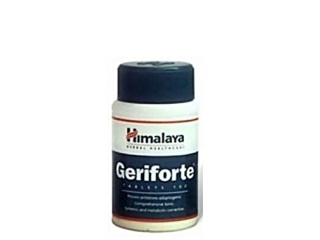

Geriforte (What it is, how it works, how to use it, and key safety information)
Geriforte is a medicine used to treat high uric acid levels and certain types of gout and related conditions, by helping your body manage uric acid. It is commonly used as part of a long-term approach to reduce the frequency of flare-ups and complications caused by urate crystals.
This guide is designed to help you understand how Geriforte works, what to expect, and how to use it safely. Always follow the instructions provided with your medicine and consult a healthcare professional if you have questions—particularly if you are pregnant, breastfeeding, have kidney problems, or take other medicines.
Quick overview
| Category | Details |
|---|---|
| Medicine name | Geriforte |
| What it helps with | Helps lower uric acid to prevent gout symptoms and complications associated with raised urate levels |
| How it works | Reduces uric acid formation by inhibiting an enzyme involved in uric acid production (urate pathway) |
| Typical timing | Often taken once daily; consistent timing helps maintain steady levels |
| Food interactions | Generally can be taken with or without food; hydration and alcohol considerations are important |
| Common safety themes | Skin reactions, liver enzyme changes, and effects in people with kidney disease; monitor as advised |
Basic product information
Geriforte is an oral medicine available in tablet form. It is used for long-term management rather than immediate relief of an acute gout attack.
The active ingredient in Geriforte may be different depending on the product strength and formulation available in the market. For accuracy, check the box label or product information sheet for the active ingredient and strength.
In Australia, medicines are supplied under the regulatory framework administered by the TGA (Therapeutic Goods Administration). Availability and supply pathways can vary by strength and indication.
Mechanism of action: how Geriforte works
Geriforte helps lower uric acid by interfering with the body’s production pathway. In many urate-lowering therapies, the key target is an enzyme involved in converting substances into uric acid. When this enzyme is inhibited, uric acid production decreases, lowering the amount of urate circulating in the blood.
Over time, reduced urate levels can:
- Lower the risk of new urate crystal formation
- Slow the growth of existing crystals
- Reduce flare-ups as the urate burden declines
- Help prevent complications such as tophi in longer-term gout
Important: urate-lowering treatment usually does not stop an attack instantly. During the first weeks, flare-ups may still occur—this is why long-term consistency and clinical monitoring are important.
Pharmacokinetics (how the body processes it)
Pharmacokinetics describe what the body does with the medicine—absorption, distribution, metabolism, and elimination. The exact profile can vary by active ingredient and formulation. In general, urate-lowering medicines are designed for oral daily use, and their effect depends on achieving a stable steady state over days to weeks.
- Absorption: Tablets are absorbed through the gastrointestinal tract. Taking it consistently at the same time each day can help you maintain routine.
- Distribution: The medicine (and/or its active metabolites) circulates in the bloodstream to reach target pathways.
- Metabolism: Some components are metabolised in the body; certain active metabolites may contribute to the overall effect.
- Elimination: Many urate-related pathways involve the kidneys. If you have reduced kidney function, dosing adjustments and closer monitoring may be required.
If you have kidney disease or are older, clinicians often individualise treatment and monitoring. Always use the dose prescribed or recommended for your situation and avoid changing it without advice.
Typical use and indications
Geriforte is used for conditions where high uric acid (hyperuricaemia) leads to gout or gout-related complications. The exact licensed indications depend on the active ingredient and product details in Australia.
Typical clinical uses include:
- Gout (to lower uric acid and prevent recurrent attacks)
- Chronic hyperuricaemia associated with gout
- Prevention of urate crystal-related complications, such as tophi
- Sometimes, other urate-related situations where uric acid lowering is clinically needed (as directed by a healthcare professional)
Not for immediate relief: If you’re currently having a gout flare, Geriforte is not intended to stop the pain rapidly. Acute attack management is typically handled with other therapies and supportive measures.
How to take Geriforte: timing and dosing principles
Always follow your product label and the instructions provided with your medicine. If you’re unsure, ask a pharmacist or healthcare professional.
Typical timing
- Once daily is common for many urate-lowering tablets.
- Take it at the same time each day to help you remember.
- If you miss a dose, take it when you remember unless it is close to the next dose—then skip the missed dose.
Dosing
Dosing varies based on:
- Your uric acid levels
- History of gout and severity
- Kidney function
- Other medicines you take
In many urate-lowering regimens, clinicians begin at a lower dose and may increase gradually to reach target uric acid levels while reducing the risk of side effects. Do not increase or decrease your dose without professional guidance.
Practical note: Even if you feel fine, continuing treatment helps prevent future attacks by keeping uric acid controlled.
Food interactions and lifestyle considerations
For many people, Geriforte can be taken with or without food. However, food can indirectly affect gout through uric acid physiology and hydration.
Generally helpful habits
- Hydration: Drink enough fluids unless your doctor has restricted fluids due to heart, kidney, or other medical conditions.
- Limit high-purine foods that can worsen uric acid levels (varies by person; examples may include some red meats and certain seafood).
- Moderate alcohol (see the alcohol section below).
- Maintain a healthy weight if advised—rapid weight loss may increase uric acid temporarily.
When to be extra careful
- If you have gastrointestinal sensitivity, taking the tablet with a meal may be more comfortable.
- If you experience nausea or stomach discomfort, speak with a pharmacist about strategies (for example, meal timing).
Alcohol interactions and considerations
Alcohol does not only affect how urate is processed—it can also increase the likelihood of gout flare-ups by influencing uric acid levels and hydration.
General recommendations
- Avoid binge drinking and limit alcohol overall.
- Be cautious with beer and spirits; many people find they trigger flares more easily.
- If you notice a pattern between alcohol and symptoms, consider reducing further and discuss with your clinician.
If you have liver disease or take other medicines that affect the liver, it’s particularly important to avoid excess alcohol and follow medical advice.
Interactions with other medicines (including alcohol-related and liver/kidney medicines)
Drug interactions can change either how Geriforte works or how safe it is for you to take. Always tell a healthcare professional about all medicines, vitamins, herbal products, and supplements you use.
Common interaction themes to consider
- Kidney-affecting medicines: Some medicines can influence renal clearance or kidney function, which may require dose adjustments or monitoring.
- Medicines that raise uric acid: Certain diuretics (water tablets) and other drugs can increase uric acid—your prescriber may adjust choices.
- Blood-thinning medicines: Some gout medicines can interact with anticoagulants and may require closer monitoring.
- Azathioprine/6-mercaptopurine (immune or cancer medicines): Interactions can be significant with certain urate pathway inhibitors.
- Chemotherapy or immunosuppressants: Interactions may affect blood cell counts and safety.
Herbal and supplement cautions
- Some herbal products may affect metabolism or kidney function.
- Always check before combining products—especially those labelled for “detox,” uric acid, or immune support.
If you have a complex medication list, ask your pharmacist to screen for interactions with Geriforte.
Safety profile: what to watch for
Like all medicines, Geriforte can cause side effects. Not everyone will experience them. Many effects are mild, while others require urgent medical attention.
Common or mild side effects
- Stomach discomfort, nausea, or changes in bowel habits
- Headache or tiredness
- Changes in laboratory results (such as liver enzymes) may occur and are usually detected by blood tests
- Gout flare-ups can happen when starting urate-lowering therapy (temporary flare phenomenon)
Serious side effects—seek urgent medical care
Contact a healthcare professional urgently if you experience signs of a severe allergic or skin reaction, such as:
- Rash that is widespread, blistering, or peeling
- Swelling of the face, lips, or tongue
- Breathing difficulty
- Severe fever, mouth ulcers, or feeling very unwell
Kidney and liver considerations
- If you have kidney impairment, side effects risk can increase. Your clinician may adjust dose and monitor blood/urine tests.
- If you have liver disease or elevated liver tests, monitoring is especially important.
Pregnancy and breastfeeding
Safety in pregnancy and breastfeeding depends on the active ingredient and individual risk factors. Discuss with a healthcare professional before using Geriforte in these situations.
Practical use tips (to get the best results safely)
- Don’t stop when you feel better: Urate-lowering therapy works over weeks to months. Stopping can allow uric acid to rise again.
- Expect possible early flare-ups: If you flare during the first period, contact your clinician—there are strategies to manage it while continuing treatment.
- Stay consistent: Take your tablet daily at roughly the same time.
- Hydrate: Adequate fluid intake supports kidney function and may help reduce uric acid concentration in urine.
- Keep monitoring appointments: Blood tests (uric acid and sometimes kidney/liver function) help ensure safe dosing and target achievement.
- Track triggers: If you notice patterns (alcohol, dehydration, certain foods, illness), record them and discuss with your healthcare professional.
What to do if you miss a dose
If you forget a dose:
- Take it as soon as you remember if it’s not close to the next scheduled dose.
- If it is near the next dose, skip the missed dose.
- Do not double to make up for a missed tablet.
If you miss multiple doses or are unsure what to do, speak with a pharmacist for tailored advice.
Alternative options (depending on your condition and history)
If you’re considering alternatives to Geriforte, it helps to know that gout and hyperuricaemia can be managed through different pathways. Options may include:
Urate-lowering therapies
- Other urate-lowering medicines (different active ingredients may target the same pathway or alternative routes)
- Uricosuric approaches (increase uric acid excretion in some patients)
- Individualised regimens based on kidney function, comorbidities, and tolerance
Acute gout flare management
- Anti-inflammatory treatments used specifically to treat pain and inflammation during flares
- Supportive care such as rest, ice, and hydration
The best alternative depends on your medical history, laboratory results, and drug interactions. A healthcare professional can help choose the most suitable option.
Geriforte in Australia: market, legal and regulatory context
In Australia, medicines are regulated by the Therapeutic Goods Administration (TGA). Products must meet manufacturing, quality, and safety standards to be supplied for use in Australia. Supply arrangements and reimbursement depend on the medicine’s scheduling, listing status, and prescriber decision pathways.
If you are buying online, choose an Australian-licensed pharmacy and verify product details (active ingredient, strength, expiry date, and packaging). For your protection:
- Use reputable pharmacies with clear contact details
- Ensure the product is genuine and properly labelled
- Keep a record of batch number/expiry if available
If you are eligible for medicine support programs, ask your pharmacist about options available in your state/territory and through national schemes.
Recent guidance and clinical monitoring themes
Clinical recommendations for gout care continue to emphasise:
- Treat-to-target approaches—aiming for sustained uric acid reduction rather than stopping when symptoms improve.
- Monitoring of uric acid plus kidney/liver function when clinically indicated.
- Managing early flare risk when starting urate-lowering therapy, often through preventive strategies tailored by clinicians.
- Reviewing interacting medicines (e.g., certain diuretics) and considering alternatives where appropriate.
Local guidance may evolve as new evidence becomes available. Your pharmacist or healthcare provider can share the most current advice for your circumstances.
Delivery and availability (online pharmacy)
Geriforte availability can vary depending on stock levels, strengths, and packaging formats. Many online pharmacies provide:
- Real-time stock visibility at checkout (where supported)
- Secure delivery options across metropolitan and regional Australia
- Discreet packaging to protect privacy
Delivery times depend on your location and dispatch schedules. When placing an order, review the estimated delivery window and any shipping conditions shown at checkout.
Cold storage is typically not required for standard tablet formulations. However, always store the medicine as directed on the label (usually at room temperature away from moisture and heat).
Storage instructions
- Keep tablets in their original packaging until use.
- Store at room temperature unless the label advises otherwise.
- Keep out of reach of children.
- Avoid storing in the bathroom or near sinks due to moisture.
FAQ about Geriforte
1) What is Geriforte used for?
Geriforte is used to help lower uric acid levels in people with gout or related conditions, aiming to reduce the frequency of flares and prevent long-term crystal complications.
2) Will Geriforte stop a gout attack immediately?
Usually, no. Urate-lowering treatment is mainly for long-term management. Acute gout attacks are typically treated with other therapies and supportive care. If you are currently experiencing severe pain, seek advice on appropriate acute management.
3) How long does it take for Geriforte to work?
Uric acid lowering may occur within days, but meaningful symptom improvement often takes weeks to months as urate levels decline and crystals stabilise. Early flare-ups can occur when starting therapy.
4) Can I take Geriforte with food?
In many cases, it can be taken with or without food. If you find it upsets your stomach, taking it with a meal may help. Follow the product instructions.
5) Does alcohol affect gout and Geriforte?
Alcohol can increase the risk of gout flare-ups by affecting uric acid levels and dehydration. It’s generally recommended to limit alcohol while managing gout.
6) What foods should I avoid?
Not everyone has the same triggers, but many people benefit from limiting high-purine foods and keeping a balanced diet. Hydration and reducing alcohol are also helpful.
7) Can I take Geriforte if I have kidney problems?
Kidney function can affect dosing and safety. If you have reduced kidney function, your clinician may adjust the dose and arrange monitoring. Don’t start or change dosing without professional advice.
8) Are there any signs I should stop and get help?
Seek urgent medical care for severe rash, blistering/peeling skin, breathing difficulty, facial swelling, or signs of severe illness such as high fever and mouth ulcers.
9) Will I need blood tests?
Many gout treatment plans include monitoring of uric acid and sometimes kidney/liver function, especially during dose adjustments or if you have medical conditions that increase risk.
10) What if I miss a dose?
Take it when remembered if it’s not close to the next dose. If it is near the next dose, skip the missed dose—do not double. If you miss several doses, contact a pharmacist for advice.
11) What are alternatives to Geriforte?
Alternatives depend on your diagnosis and medical history and may include other urate-lowering therapies, plus separate medicines for acute flare control. A clinician can recommend the safest option for you.
12) Is Geriforte available throughout Australia?
Many online pharmacies can deliver across Australia, but availability may depend on stock and product strength. Check the product page for current shipping options.
Note: This information is general and may not cover every individual situation. Always refer to your specific product label and speak with a healthcare professional or pharmacist for personalised advice—especially if you have other medical conditions or take other medicines.