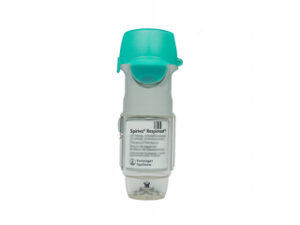
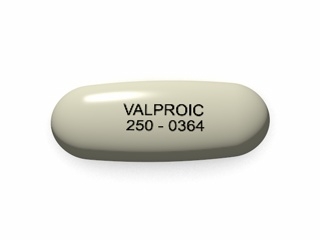

Valparin (Valproic Acid) – Patient Guide (Australia)
Valparin is a brand of valproic acid (an antiepileptic medicine) used to help control seizures and to treat certain conditions where reducing abnormal brain electrical activity is beneficial. This guide explains how Valparin works, what to expect, important safety information, and practical tips for taking it safely.
This information is written for patients and carers in Australia. It does not replace advice from your doctor or pharmacist.
1) Basic product information
| Category | Details |
|---|---|
| Medicine name | Valparin (valproic acid) |
| Common uses | Epilepsy (seizure control); certain other neurologic/psychiatric uses as directed by a clinician |
| Medicine type | Antiepileptic (antiepileptic/central nervous system) |
| How it works | Enhances inhibitory signalling in the brain (GABA) and affects neuronal ion channels |
| Common formulations | Available as different oral forms (e.g., tablets/capsules/syrup depending on product and country) |
| Special monitoring | Blood tests may be needed (e.g., liver function and full blood count) and drug levels may be checked |
Availability and exact product strengths can vary. Your pharmacist can confirm the specific presentation you have.
2) How Valparin works (mechanism of action)
Valproic acid helps control seizures by influencing several pathways involved in abnormal electrical activity in the brain. Key mechanisms include:
- Increasing brain inhibitory activity: It enhances the effects of gamma-aminobutyric acid (GABA), an inhibitory neurotransmitter that helps calm nerve signalling.
- Modifying neuronal ion channel activity: It can affect the function of sodium and other channels that contribute to seizure propagation.
- Stabilising neuronal firing: Overall, it reduces the likelihood of excessive, synchronous firing that leads to seizures.
Over time, these effects help reduce seizure frequency and severity for many people. Some individuals may still experience breakthrough seizures, particularly if doses are missed, illness reduces appetite, or drug interactions occur.
3) Pharmacokinetics (how the body handles the medicine)
“Pharmacokinetics” describes how the medicine is absorbed, distributed, metabolised, and eliminated.
Absorption
Valproic acid is absorbed after oral dosing. Depending on the formulation, absorption may be rapid or extended-release. Consistent dosing and formulation adherence are important because different products can have different release rates.
Distribution
Valproic acid distributes throughout the body, including the central nervous system. It is highly protein bound in the blood, which means the “free” (active) drug fraction can change in certain medical situations (for example, low albumin or certain drug interactions).
Metabolism
Valproic acid is primarily metabolised in the liver via processes that include glucuronidation and other metabolic pathways. This is one reason liver function monitoring is important.
Elimination
The drug and its metabolites are removed largely via the kidneys. The rate of clearance can vary with age and liver/kidney function.
Half-life and steady state
Valproic acid has a variable half-life. With regular dosing, medicine levels reach a steady state after several days, which is why dose changes may take time to show full effect. Your clinician may use blood tests to guide dosing.
4) Typical uses and indications
Valparin is used for:
- Epilepsy – to control seizures such as generalised seizures and certain focal seizures, depending on the person’s condition and treatment plan.
- Other approved neurologic/psychiatric indications – which may differ by country, age group, and product guidance. Your doctor will confirm whether Valparin is appropriate for your specific diagnosis.
Indications can depend on formulation and patient factors. If you are unsure why you were prescribed Valparin, ask your pharmacist or doctor.
5) When to take Valparin (timing and consistency)
Taking Valparin on a consistent schedule helps maintain stable blood levels, improving seizure control and reducing side effects. The exact timing depends on your dosing regimen and the type of Valparin you have.
General timing guidance
- Take it at the same times each day as directed.
- If your doses are twice daily, they are often taken in the morning and evening. If three or four times daily, spacing doses evenly may help.
- Do not stop suddenly without medical advice, because stopping valproic acid abruptly can increase the risk of seizures.
- If switching between formulations (e.g., different brands or release types), dosing adjustments may be needed. Only change with advice from a healthcare professional.
If you miss a dose
Follow the instructions provided by your prescriber and pharmacist. In general, if you remember shortly after the missed dose, take it when convenient. If it is close to the next dose, skip the missed dose and resume your schedule.
Do not double up unless instructed. If you miss multiple doses or are unsure, contact your pharmacy for guidance.
6) Food interactions and taking with meals
Food can influence how quickly valproic acid is absorbed, but it typically does not eliminate effectiveness. Many people find that taking Valparin with or after food reduces stomach upset.
Practical approach
- If you experience nausea, indigestion, or stomach discomfort, consider taking doses with food (as advised).
- Try to keep your routine consistent—for example, always take with breakfast and dinner—unless your clinician instructs otherwise.
- Avoid major changes in eating patterns around dose times unless you can discuss it with your clinician.
If you have trouble swallowing or need a specific administration method for your formulation (e.g., syrup vs tablets), ask your pharmacist for instructions tailored to your product.
7) Alcohol interactions and other medicine interactions
7A) Alcohol
Alcohol can worsen side effects such as drowsiness, dizziness, and impaired concentration. It may also increase the risk of liver-related complications in susceptible individuals.
For safety, it is generally recommended to limit or avoid alcohol while taking Valparin—especially during the early phase of treatment or if you notice sedation.
7B) Medicine interactions
Valproic acid can interact with several medicines. Some interactions can change blood levels of valproate, while others can increase the risk of adverse effects (including sedation or liver-related toxicity).
Tell your pharmacist or doctor about all medicines you use, including over-the-counter products, vitamins, herbal supplements, and “as needed” medicines.
Common interaction categories to discuss
- Other antiepileptic medicines: Some may increase or decrease valproate levels or affect seizure control.
- Medicines that affect liver enzymes: Certain medicines can alter metabolism of valproate.
- Sedatives and medicines that affect the brain: Combined use may increase drowsiness or coordination problems.
- Blood-thinning medicines: Valproate may affect bleeding risk in some cases, depending on the combination and patient factors.
- Aspirin (high-dose) and some anti-inflammatory medicines: May influence protein binding or valproate levels.
If you start a new medicine while taking Valparin, ask your pharmacist whether it’s safe to combine. This is particularly important for antibiotics, antidepressants, and herbal products.
8) Dosing: what you should know
Dosing of Valparin is individual and depends on:
- the condition being treated (seizure type and diagnosis)
- age and body weight (especially in children)
- previous treatment history
- response and tolerability
- blood test results (including valproate levels and liver function tests)
- other medicines being taken
How dosing is usually adjusted
Many regimens begin with a lower dose and increase gradually to improve tolerability and achieve effective seizure control. Formulation differences can require different total daily dosing.
Do not use “one-size-fits-all” dose
Because dosing is tailored, it’s important not to use someone else’s dose or to change your dose without medical direction.
Special considerations
- Children: Dose selection can be more complex due to growth and higher sensitivity. Monitoring is especially important.
- Older adults: Higher sensitivity to side effects may occur; starting and adjusting doses may be slower.
- Liver or kidney issues: may require additional monitoring and dose adjustments.
- Pregnancy potential: Valproate is associated with significant fetal risks. Treatment decisions require careful consideration and specialised guidance (see Safety Profile below).
9) Safety profile: key risks and warning signs
Like all medicines, Valparin can cause side effects. Most people experience mild or manageable effects, but some serious reactions require urgent medical attention.
Common side effects
- nausea, vomiting, indigestion
- tremor
- drowsiness or fatigue
- dizziness
- weight gain (in some people)
- headache
- changes in appetite
- hair thinning (in some cases)
- mood changes
Important serious risks
The following risks require special awareness. Contact a healthcare professional promptly if symptoms occur.
- Liver injury: Risk may be higher in young children, those with certain metabolic disorders, and with particular risk factors. Signs include persistent nausea/vomiting, unusual tiredness, loss of appetite, abdominal pain (especially right upper abdomen), dark urine, or yellowing of the skin/eyes.
- Pancreatitis: Symptoms include severe abdominal pain, sometimes with nausea/vomiting. This can be an emergency.
- Severe blood disorders: Unusual bruising/bleeding, fever, sore throat, or infections that are not improving may indicate blood cell problems.
- Serious skin reactions: Rash with blistering, peeling skin, or fever can be severe.
- Hyperammonaemia and encephalopathy: Symptoms may include confusion, unusual sleepiness, vomiting, or personality/behaviour changes—especially if dose was recently increased or another medicine was added.
Pregnancy and fertility considerations (Australia)
Valproate medicines are associated with an increased risk of major birth defects and developmental problems for the unborn baby. Because of these risks, treatment in people who can become pregnant requires careful evaluation and risk-minimisation strategies.
If you are pregnant, planning pregnancy, or could become pregnant, it is important to discuss options with your doctor urgently. Do not stop Valparin suddenly; instead, seek advice on the safest plan.
Monitoring that may be recommended
- Liver function tests (blood tests)
- Full blood count
- Valproate blood levels if needed (e.g., dose adjustments, suspected non-adherence, interactions, special populations)
- Assessment of weight and overall wellbeing
Monitoring frequency varies by age, dose, formulation, and clinical history. Follow the schedule your clinician recommends.
10) Practical use tips for patients
1) Keep a consistent routine
Use reminders or a pill organiser to reduce missed doses. Seizure control depends strongly on consistent dosing.
2) Know what to do if you’re unwell
- If you have vomiting/diarrhoea or you can’t keep food down, contact your pharmacist or doctor—missed absorption can lead to lower drug levels.
- If you’re hospitalised or start new medicines in an acute setting, ensure healthcare staff know you are taking valproate.
3) Avoid abrupt changes
Do not adjust dose, change formulation, or stop treatment without medical guidance. Sudden withdrawal can increase the risk of seizures.
4) Track side effects early
If you notice persistent drowsiness, behavioural changes, severe stomach pain, or symptoms suggesting liver/pancreas/blood problems, seek prompt advice rather than waiting.
5) Be cautious with driving and machinery
Valproate can cause drowsiness or dizziness in some people. Avoid driving or operating machinery until you know how Valparin affects you.
6) Inform others
If you have seizures, ensure family and carers know what to do during a seizure and what medication you take.
11) Alternative options (discuss with your clinician)
There are multiple treatments for epilepsy and for certain other conditions where valproate may be used. Alternatives can include other antiepileptic medicines and non-medicine options.
Examples of alternative antiepileptic medicines
- Levetiracetam
- Lamotrigine
- Carbamazepine
- Oxcarbazepine
- Topiramate
- Phenobarbital (in selected cases)
- Other condition-specific options depending on diagnosis
The best alternative depends on seizure type, age, comorbidities, and tolerability. If you’re considering switching from Valparin, this must be done gradually under clinical supervision to avoid breakthrough seizures.
Non-medicine options (as relevant)
- Epilepsy surgery or device therapies in selected candidates
- Specialised ketogenic or dietary approaches under professional guidance
- Supportive strategies (sleep, stress reduction, trigger management)
12) Valparin in the Australian market: legal and guidance context
In Australia, valproate-containing medicines are regulated under the Therapeutic Goods legislation and are supplied in accordance with prescribing and dispensing rules. Because valproate has well-recognised risks—particularly concerning pregnancy—health professionals and consumers are advised to follow current risk-minimisation guidance.
Guidance and risk awareness may include:
- careful assessment of benefits versus risks
- use of the lowest effective dose
- regular review of treatment effectiveness
- consideration of pregnancy prevention and risk counselling where relevant
- monitoring for adverse effects
Requirements can evolve with new safety information. For the latest product-specific and safety updates, consult your pharmacist or refer to information provided by Australian health authorities and the medicine’s product information documents.
13) Recent guidance and safety updates (what to watch for)
Safety guidance for valproate has been strengthened over the years, especially for people who can become pregnant. Clinicians may be using updated risk minimisation approaches and follow-up schedules.
- Pregnancy prevention emphasis: treatment decisions and counselling may be more structured.
- Monitoring: routine blood tests may be reinforced, particularly during dose changes or illness.
- Interaction awareness: clinicians may pay closer attention to drug combinations that increase side effects or affect levels.
If you are due for monitoring or a medication review, completing these checks helps ensure ongoing safety and effectiveness.
14) Delivery and availability in Australia
Valparin may be available through pharmacies and authorised online pharmacy services, depending on local regulations, stock levels, and product presentation. Availability can change based on supply chains and manufacturer distribution.
What to expect when ordering
- Product confirmation: Ensure you are ordering the correct strength and formulation (e.g., extended-release vs other types).
- Packaging and labelling: Your order should arrive in original packaging with clear batch/expiry information.
- Delivery timeframes: Vary by location and service provider. You should receive updates at checkout and via email/SMS when available.
- Cold chain: Most valproate formulations do not require refrigeration; follow label instructions if provided.
If you have questions about stock availability for a specific Valparin presentation, contact our team or your local pharmacist for assistance.
15) FAQ – Frequently asked questions
Is Valparin the same as valproic acid?
Valparin is a brand name that contains valproic acid. Different brands or formulations may have specific release characteristics—so ensure you keep to the formulation your clinician prescribed.
How long does Valparin take to work?
Some seizure reduction may be noticed soon after starting, but full effect often takes time as doses are adjusted and blood levels stabilise. If your dose changes, it can take several days to see the full impact.
Can I stop Valparin if my seizures are controlled?
Do not stop without medical advice. Even if seizures are controlled, stopping suddenly can lead to breakthrough seizures. Any reduction or withdrawal plan should be gradual and supervised.
What should I do if I feel very drowsy?
Drowsiness can occur, especially during initiation or dose increases. Avoid driving and operating machinery. Contact your pharmacist or doctor promptly, particularly if drowsiness is severe or worsening, or if confusion occurs.
Does Valparin interact with antidepressants?
Some antidepressants can interact with valproate or increase side effects such as sedation. Interaction depends on the specific medication. Always check with your pharmacist when starting or changing any medicine.
Can I drink alcohol while taking Valparin?
It’s best to limit or avoid alcohol, as it can increase dizziness and sedation and may increase health risks. If you choose to drink, discuss safe limits with your clinician.
Do I need regular blood tests?
Many people require periodic blood tests to monitor liver function, full blood count, and sometimes valproate levels. Your schedule may differ based on age, dose, and other health factors.
Is Valparin safe in pregnancy?
Valproate is associated with significant risks to an unborn baby. If pregnancy is possible, discuss treatment options urgently with your doctor to ensure the safest plan.
What if I accidentally take too much?
Seek urgent medical advice or call emergency services if an overdose is suspected. Symptoms can include severe drowsiness, vomiting, and confusion. Contact a poisons information service in Australia if advised by healthcare professionals.
Can I take Valparin with food?
Yes, and taking it with food may help reduce stomach discomfort. Keep your schedule consistent.
Summary
Valparin (valproic acid) is an antiepileptic medicine used to help control seizures and may be used for other conditions as clinically indicated. It works by enhancing inhibitory brain signalling and affecting neuronal activity. Because of important safety considerations—especially liver health and pregnancy risks—patients benefit from consistent dosing, awareness of interactions (including alcohol), and regular monitoring as recommended.
If you have questions about your Valparin dose, side effects, or interactions with other medicines, speak with your pharmacist or doctor for personalised guidance.