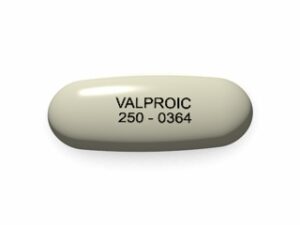
Valproic Acid (Valproate) – Patient-Friendly Medicine Information (Australia)
Valproic Acid (also known as valproate) is a medicine used to treat several neurological and mood-related conditions. This page explains how it works, how it behaves in the body, typical uses, dosing considerations, safety information, and practical tips for everyday use. Information is written for general patient understanding and should be read alongside advice from your healthcare professional.
In Australia, valproate products are regulated medicines and are supplied through licensed channels. Due to important safety considerations—particularly around pregnancy—Australian prescribing and dispensing practices include additional safeguards and patient information requirements.
Basic product information
| Item | Details |
|---|---|
| Medicine name | Valproic Acid (valproate) |
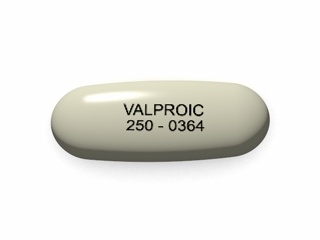
| Common forms | Tablets, capsules/sprinkles, syrup/solution, and extended-release formulations (varies by brand) |
| Therapeutic class | Antiepileptic (antiepileptic drug) / mood stabiliser (with broader neurological uses) |
| How it is taken | Oral (by mouth), typically once or twice daily depending on formulation |
| Key safety themes | Pregnancy prevention, liver monitoring, bleeding risk, and pancreatitis risk |
| Brand availability | Availability depends on current supplier and formulation (immediate-release vs extended-release) |
How Valproic Acid works (mechanism of action)
Valproic Acid affects brain activity in several ways, which helps control seizures and stabilise mood in some conditions. While the exact mechanism can differ by condition, key actions include:
- Increasing inhibitory signalling: Valproate may raise levels of gamma-aminobutyric acid (GABA), an inhibitory chemical messenger in the brain.
- Modulating neuronal firing: It can reduce excessive electrical activity that leads to seizures.
- Effects on ion channels: Valproate can influence sodium channels and other neuronal signalling pathways.
- Neuroprotective/anti-kindling effects: It may reduce the tendency for seizure circuits to become more easily activated over time.
In mood disorders, these brain effects can help reduce symptom severity for some people, particularly where mood stabilisation is needed.
Pharmacokinetics: how the medicine moves through the body
Pharmacokinetics describes what your body does to the medicine—how it is absorbed, distributed, metabolised, and eliminated. Understanding these features can help explain why timing, formulation, and interactions matter.
Absorption
- Valproic Acid is generally absorbed after oral dosing.
- Different formulations (immediate-release vs extended-release) produce different absorption patterns and may affect peak levels.
Distribution
- Valproate is highly protein-bound (it attaches to blood proteins).
- Because it is protein-bound, medicines that compete for protein binding can potentially alter valproate levels.
Metabolism
- Valproate is primarily metabolised by the liver.
- Metabolic capacity can be affected by liver function and certain interacting medicines.
Elimination
- Valproate and its metabolites are eliminated mainly via the kidneys.
- Elimination can vary with age, liver function, and other medicines taken concurrently.
Monitoring (why blood levels may be checked)
Some patients may have blood tests to check valproate concentration, particularly when:
- symptoms are not well controlled,
- there are side effects suggestive of high levels,
- the dose is changed,
- there are potential drug interactions,
- there are concerns about adherence or absorption, or
- there are changes in kidney/liver function.
Typical uses in Australia
Valproate is used for conditions where stabilising electrical activity in the brain or balancing mood symptoms may help. Commonly recognised therapeutic uses include:
- Epilepsy (including some seizure types, as determined by your clinician)
- Mania associated with bipolar disorder (in selected patients)
- Prevention of certain types of migraine (where appropriate and based on clinical guidance)
- Other neurological uses may exist depending on local prescribing criteria and patient factors.
Exact indications and appropriateness can vary by formulation, age group, and individual risk profile. Your healthcare professional can confirm the specific reason valproate is being used for you.
When to take Valproic Acid (timing and dose scheduling)
Timing depends on the formulation and your condition. Following the prescribed schedule helps maintain steady medicine levels.
General timing guidance
- Take it at the same times each day to support consistent levels.
- If you have been told to take it twice daily, try to space doses evenly (for example, morning and evening).
- For extended-release products, the dosing schedule is designed to release the medicine over a longer period—do not crush or split extended-release forms unless your pharmacist confirms it is safe.
Missed dose
If you miss a dose, take it when you remember unless it is close to the time of your next dose. Do not take double the dose to “catch up.” If you are unsure, ask your pharmacist or healthcare professional.
Food interactions: can you take Valproic Acid with meals?
Valproate can typically be taken with or without food. Many people find it easier on the stomach when taken with meals. However, the choice to take it with food may affect tolerability rather than significantly altering overall effectiveness.
- If you get nausea or stomach discomfort, consider taking it with a meal or snack.
- Maintain a consistent routine (same timing with food each day) when possible.
- For extended-release formulations, continue to follow product instructions and avoid altering the dosage form.
Alcohol and medicine interactions
Alcohol
It is generally advisable to limit or avoid alcohol while taking valproate. Alcohol can increase risks of drowsiness, dizziness, coordination problems, and may worsen mood symptoms. It may also increase stress on the liver—an important consideration because valproate can affect liver function in some people.
Other medicine interactions (common categories)
Valproate can interact with other medicines. Some interactions may increase valproate levels (raising side-effect risk), while others may reduce effectiveness or change blood concentrations of either valproate or the co-medications.
Examples of medicines that may interact include:
- Other antiepileptic drugs (dose adjustments may be needed)
- Carbapenem antibiotics (can significantly reduce valproate levels and should be discussed urgently)
- Warfarin and other blood thinners (may increase bleeding risk in some cases)
- Aspirin (may affect protein binding and other risks)
- Medicines affecting liver enzymes (some can alter valproate metabolism)
- Some antidepressants and antipsychotics (individual risk depends on combination)
Always tell your pharmacist and healthcare professional about all medicines you take, including over-the-counter products, vitamins, herbal supplements, and intermittent medicines (e.g., cold/flu products).
Dosing: how dose decisions are made
Dosing for valproate is individual. Your clinician considers factors such as age, diagnosis, seizure type (if applicable), response to treatment, tolerance, liver function, and other medicines.
Why dosing is personalised
- To improve control while reducing side effects.
- To avoid sudden increases that may increase adverse effects.
- Because different formulations (immediate vs extended-release) can require different total daily schedules.
General principles
- Start low and increase gradually, where appropriate.
- Use a consistent daily schedule and do not swap formulations without advice.
- If monitoring is arranged, follow blood test timing instructions (especially if your dose is linked to sampling).
Exact dosing ranges can differ by formulation and patient circumstances and are best confirmed by your healthcare professional and product-specific instructions. If you are unsure about your dose instructions, check your medicine label or ask your pharmacist.
Safety profile: important precautions and warning signs
Like all medicines, valproate can cause side effects. Many are mild and manageable, but some require prompt medical attention. Below is a patient-friendly overview of key safety considerations.
Common side effects
- Sleepiness, fatigue, dizziness
- Nausea, stomach upset, appetite changes
- Tremor or increased unsteadiness
- Weight gain (can occur over time)
- Headache
- Changes in hair texture (sometimes reported)
Serious risks (seek urgent medical help if symptoms occur)
- Liver problems: symptoms may include unusual tiredness, loss of appetite, vomiting, abdominal pain (especially right upper abdomen), dark urine, yellowing of the skin/eyes.
- Pancreatitis: severe abdominal pain (sometimes with nausea/vomiting), which may be sudden and intense.
- Severe allergic reaction: swelling of face/lips, breathing difficulty, rash with blistering or peeling.
- Unusual bleeding or bruising: nosebleeds, bleeding gums, blood in urine/stool, or extensive bruises.
- Severe confusion or worsening behaviour changes beyond expected symptom variation.
- Low body temperature or marked sedation in rare cases.
Pregnancy and reproductive safety (critical)
Valproate is associated with significant risks to unborn babies when used during pregnancy, including increased risk of congenital malformations and impaired neurodevelopment. Because of this, Australian guidance includes strong measures to minimise exposure in people who can become pregnant.
- Use effective contraception if relevant to your situation, and discuss your options early.
- Do not stop valproate suddenly without urgent medical advice, especially if you use it for seizure control.
- If pregnancy is planned or occurs, contact your healthcare professional promptly to discuss risk and safest next steps.
Blood and liver monitoring
- Your clinician may arrange liver function tests and other blood tests.
- Blood levels may be checked to optimise treatment and reduce toxicity risk.
- Report any persistent nausea, weakness, abdominal pain, bruising, or unexpected fatigue.
Practical use tips for patients
- Keep the same brand/formulation where possible; if a substitution occurs, speak to your pharmacist about how it might affect dosing.
- Use a medication reminder (app, alarm, pill organiser) to reduce missed doses.
- Avoid skipping doses—especially for seizure control, irregular dosing can increase risk of symptom recurrence.
- Alcohol awareness: limit/avoid to reduce dizziness and liver stress.
- Be cautious with driving or operating machinery if you feel sleepy or dizzy, especially when starting or after dose changes.
- Track side effects (timing, severity, and any new symptoms) and report them during reviews.
- Check before starting new medicines—including antibiotics, anti-inflammatories, or herbal supplements.
Alternative treatment options
If valproate is not suitable due to side effects, interactions, or individual risk factors, alternatives may be considered. The best option depends strongly on the underlying diagnosis (epilepsy type, bipolar disorder history, migraine pattern) and patient factors.
Possible alternatives (discuss with your healthcare professional)
- Other antiepileptic medicines (choice depends on seizure type and patient characteristics)
- Mood stabilisers used for bipolar disorder (selection depends on risk/benefit)
- Migraine preventive options (including different medicine classes and non-drug strategies)
- Non-pharmacological strategies may complement medicines (sleep regularity, trigger avoidance, psychotherapy for mood conditions, and seizure safety planning).
Do not switch medicines on your own. Changes should be planned with gradual adjustments where appropriate to reduce risks.
Market and legal context in Australia
In Australia, valproate medicines are regulated under the national medicines framework and must be supplied according to local requirements. Ongoing professional guidance addresses the risks associated with valproate—particularly in relation to pregnancy. Health professionals and pharmacies typically follow risk-minimisation processes to ensure people receive appropriate information and safeguards.
If you have questions about eligibility, suitability, or safety planning, your prescriber and pharmacist are the best sources of individual advice. Patient education materials and pharmacy counselling may be provided as part of routine care.
Recent guidance (high-level)
Internationally and within Australia, recent years have seen continued emphasis on:
- Strengthening pregnancy prevention measures for those who can become pregnant
- Reviewing benefits vs risks and using the lowest effective dose where appropriate
- Considering alternative therapies when suitable, particularly in higher-risk groups
- Ensuring informed counselling about critical hazards and early symptom reporting
Specific details of local programmes and requirements can evolve; your pharmacist can summarise what applies to you.
Availability, delivery, and how to order online (Australia)
Valproic Acid availability can vary by formulation and supplier. When ordering online through an authorised pharmacy service, you may see options based on immediate-release or extended-release products and different strengths.
Delivery
- Delivery options and timeframes depend on your address within Australia and current logistics.
- Some medicines may require identity verification or additional checks to comply with regulations.
- Keep an eye on tracking updates and ensure someone can receive the parcel if required.
What you can expect
- Clear product labelling with strength and instructions.
- Information about how to take the medicine and important warnings.
- Pharmacist support if you have questions about dosing timing, missed doses, or interactions.
If you are switching between brands or formulations, do not change your schedule without advice. Extended-release products should be handled according to product instructions.
FAQ: Valproic Acid
1) Is Valproic Acid the same as valproate?
Yes. Valproic Acid refers to valproate compounds used as medicines. Different products may use different salt forms (e.g., sodium valproate), but they share similar therapeutic effects. Your label will show the exact product type and strength.
2) How quickly does it start working?
Some effects—especially for seizure control—may be noticed after reaching appropriate blood levels, which can take days to weeks depending on your dose changes and formulation. Mood-related or migraine preventive effects can also require time and stabilisation. Consistency is important.
3) Can I stop Valproic Acid if I feel better?
Do not stop suddenly unless your healthcare professional advises it. Stopping abruptly can increase the risk of seizure recurrence or symptom relapse. If you want to stop, discuss a planned tapering approach.
4) What should I do if I miss a dose?
Take it when you remember if it’s not close to the next scheduled dose. If it is close, skip the missed dose. Do not double up. If uncertain, ask your pharmacist.
5) Can I take it with food?
Generally, yes. Taking it with food may improve stomach comfort. Aim for a consistent routine.
6) Are there foods or supplements that interact?
Food interactions are usually not a major issue, but interactions can occur with other medicines and sometimes with supplements. If you take herbal products (such as St John’s wort) or additional supplements, check with your pharmacist.
7) What are the key warning signs I should watch for?
Seek urgent medical help if you experience signs of liver trouble (jaundice, dark urine, abdominal pain, persistent vomiting), pancreatitis (severe abdominal pain), severe allergic reactions, or unusual bleeding. Also report marked confusion or severe drowsiness.
8) Can I drink alcohol?
It’s best to limit or avoid alcohol because it can worsen sedation/dizziness and may increase risk to the liver. Ask your pharmacist for advice specific to your health status and dose.
9) Does Valproic Acid affect driving or work safety?
It can cause drowsiness or dizziness, particularly when you first start or after dose changes. If you feel affected, avoid driving and hazardous work until you know how it impacts you.
10) What happens if I need antibiotics or other new medicines?
Always tell your pharmacist about your valproate. Some antibiotics can significantly affect valproate levels and safety. Your pharmacist can help identify interactions and advise what to do.
Need help choosing the right product?
If you’re unsure about whether your medicine is immediate-release or extended-release, or you have questions about timing, food, or interactions, speak with your pharmacist. They can also help confirm how to manage missed doses and when to seek advice for side effects.
This information is provided to support patient understanding and is not a substitute for individual medical advice. Always follow the instructions on your medicine label and the guidance provided by your healthcare team.