Periactin (Cyproheptadine) – Patient Information (Australia)
Periactin is a medicine containing cyproheptadine. It belongs to a group of medicines often used for allergy symptoms and other conditions involving histamine. Depending on the reason it’s prescribed, Periactin may be used to help relieve allergic symptoms and can also be used in certain situations to support weight gain and appetite.
This guide is written to help you understand how Periactin works, how it’s typically taken, and what to consider for safety and everyday use. Always follow the instructions provided with your medicine and seek advice from a qualified healthcare professional for personalised guidance.
Key Product Details
| Information | Details |
|---|---|
| Medicine name | Periactin |
| Active ingredient | Cyproheptadine |
| Medicine type | Antihistamine (H1 antagonist) with additional effects, including antiserotonin activity |
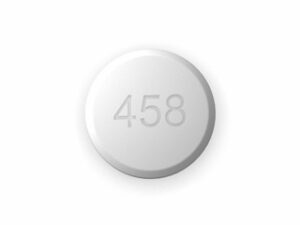
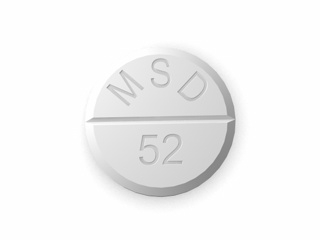
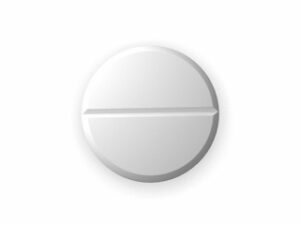
| Common forms | Tablets (strength varies by brand/product presentation) |
| General uses | Allergic symptoms; sometimes used for appetite/weight-related indications and other specialist uses |
| Availability | Available through pharmacies in Australia, typically via prescription pathways depending on indication and formulation |
How Periactin Works (Mechanism of Action)
Cyproheptadine works mainly by blocking histamine H1 receptors in the body. Histamine is a chemical released during allergic reactions and can contribute to symptoms such as:
- Itching
- Runny nose
- Sneezing
- Watery eyes
- Skin reactions related to allergies
Periactin also has antiserotonin (anticholinergic/antiserotonin-related) effects. These additional actions can influence appetite and other bodily functions, which is why it may be used for certain non-allergy indications as determined by your clinician.
Pharmacokinetics (What the Body Does to the Medicine)
Pharmacokinetics describes how the medicine is absorbed, processed, and eliminated. While exact values may vary between individuals, the general pattern for cyproheptadine includes:
- Absorption: Cyproheptadine is absorbed after oral dosing (tablets). Absorption may vary depending on whether it’s taken with food.
- Onset: Effects can begin within hours, with peak effects often occurring within a few hours after a dose (individual response varies).
- Distribution: It distributes throughout the body and can cross into areas that affect the brain, which contributes to sedation in some people.
- Metabolism: Cyproheptadine is metabolised in the liver.
- Elimination: The metabolites and some drug are excreted primarily via the kidneys and/or in bile, depending on metabolism.
If you notice stronger-than-expected drowsiness or effects that don’t match your usual pattern, it may be related to personal metabolism, dose, or interacting medicines.
Typical Uses in Practice
Periactin is used for different conditions depending on the patient and clinical plan. Commonly, it may be used for:
- Allergic symptoms (such as itching and allergy-related symptoms)
- Appetite and weight-related indications where appropriate in consultation with a healthcare professional
- Other specialist uses as determined by a clinician based on individual circumstances
Important: Indications can vary and may depend on local Australian prescribing practices and individual patient needs. If you’re unsure why you were given Periactin, ask your doctor or pharmacist.
When to Take Periactin (Timing and Routine)
Timing depends on why you’re taking it, your response, and the dosing schedule provided. Many people find it helpful to take the dose when they can manage potential drowsiness.
Common practical approach:
- If it makes you sleepy, consider taking it in the evening or at a time when you can rest.
- Try to take it at consistent times each day to maintain steadier effects.
Missed dose: If you miss a dose, take it when you remember unless it’s close to your next dose. Do not take extra to “catch up.” If you’re uncertain, ask a pharmacist.
Food Interactions
Cyproheptadine can be taken with or without food. However, food may affect how quickly you feel the medicine’s effects. For everyday use:
- If it upsets your stomach: take it with food.
- If it causes drowsiness: many people prefer taking it at night or after a meal.
- Consistency helps: choose a routine (with or without food) and stick to it unless advised otherwise.
Alcohol and Medicine Interactions
Alcohol
Periactin may cause drowsiness. Alcohol can increase sedation and impair reaction time. For safety:
- Avoid alcohol while using Periactin if possible.
- If you do drink, keep it minimal and consider that you may feel more sleepy or slower to react than usual.
Other medicines that may interact
Cyproheptadine may interact with other medicines, especially those that also cause drowsiness or affect the nervous system. Tell your pharmacist or doctor about all medicines you take, including:
- Sedatives, sleeping tablets, and anxiety medicines
- Opioid pain medicines
- Some antidepressants and antipsychotics
- Other antihistamines (including cold/allergy remedies)
- Medicines with anticholinergic effects (e.g., some bladder-control medicines)
General safety principle: Avoid doubling up on antihistamines (for example, taking Periactin plus a separate “night-time allergy” product) unless advised.
Dosing Information (Typical Adult and Paediatric Use)
Dosing should always be based on the specific reason you’re taking Periactin, age, and clinical guidance. Below are commonly used dosing patterns described for cyproheptadine; however, your individual instructions may differ.
Adults (general pattern)
- Typical starting dose: often 2–4 mg up to several times daily, depending on indication and response.
- Maximum: may be limited to reduce side effects such as sedation (exact maximum varies by guidance and formulation).
Children (general pattern)
- Typical approach: dosing is usually weight/age dependent and adjusted to balance benefit and sedation.
- Extra caution: children may experience drowsiness or behavioural changes; dose should be carefully supervised.
Tablets vs dosing strength: Because product presentations can vary, it’s important to follow the number of tablets (and strength) specified for you.
If you have questions: Ask your pharmacist to confirm your exact dose and how to measure it correctly (especially for children).
Safety Profile: Side Effects and Warnings
Like all medicines, Periactin can cause side effects. Not everyone experiences them. Side effects are often dose-related and may become more noticeable early in treatment.
Common side effects
- Drowsiness or sedation
- Dizziness
- Dry mouth
- Constipation
- Blurred vision (sometimes)
- Increased appetite (may be desired in some indications)
Less common or possible side effects
- Nausea or stomach discomfort
- Headache
- Restlessness (more likely in some children)
- Urinary retention in susceptible individuals
Seek urgent medical help if you get
- Signs of an allergic reaction: swelling of face/lips, difficulty breathing, hives
- Severe confusion, extreme drowsiness, or fainting
- Severe agitation or unusual behaviour that worries you
- Fast or irregular heartbeat with dizziness or chest discomfort
Special populations (important considerations)
- Older adults: may be more sensitive to sedation, dizziness, and confusion. Increased fall risk should be considered.
- Driving and machinery: avoid driving or operating machinery until you know how Periactin affects you.
- Glaucoma or urinary problems: anticholinergic effects (dry mouth/blurred vision/urinary retention) may worsen symptoms in susceptible patients.
- Liver impairment: cyproheptadine is metabolised in the liver; dosing may need adjustment based on clinician advice.
Practical Use Tips (How to Get the Best Results)
- Start low and monitor: if you’re new to Periactin, take the first doses as directed and assess drowsiness.
- Plan for sleepiness: taking it in the evening may help if you feel drowsy.
- Hydrate: dry mouth is common—sip water regularly.
- Manage constipation: increase dietary fibre, drink fluids, and consider discussing a suitable stool softener if needed.
- Avoid double antihistamines: check cold/flu and “night-time” allergy products for antihistamine ingredients.
- Keep a symptom diary: note allergy symptoms, appetite changes, and any side effects—this can help your clinician adjust dose.
Alternative Options
Depending on your indication (allergy symptoms, appetite/weight, or another condition), alternatives may include other medicines or non-medicinal strategies. Your choice depends on the underlying cause, your age, and your medical history.
For allergy symptoms
- Non-sedating antihistamines (commonly used for day-time symptom control)
- Intranasal corticosteroids for nasal allergy symptoms (where appropriate)
- Saline rinses and allergen avoidance measures
For appetite/weight-related indications
- Clinician-guided evaluation of cause (e.g., diet, chronic illness, dental issues)
- Dietary strategies (calorie-dense meals, nutrition support)
- Alternative pharmacological options in select cases (your clinician will advise based on risk/benefit)
Do not switch between medicines without guidance, especially for children and older adults.
Periactin in the Australian Market & Legal/Regulatory Context
In Australia, medicines are regulated under the TGA (Therapeutic Goods Administration) and medicines are listed/approved based on quality, safety, and effectiveness. Medicines may be available:
- Over-the-counter (OTC), or
- Through pharmacist-only or prescription pathways, depending on product classification and indication.
Availability can vary by formulation and strength, as well as by local pharmacy supply. Your local pharmacist can confirm what’s available for your specific Periactin product and strength.
Recent guidance (how to think about it)
Guidance affecting antihistamine use tends to emphasise:
- Appropriate use for the condition being treated
- Minimising sedation-related harms (e.g., driving impairment, falls)
- Avoiding unnecessary duplication with other antihistamines and sedatives
- Child safety, including careful dose selection and monitoring
Always check the most current advice from your pharmacist or healthcare provider, as local recommendations can change.
Delivery and Availability (Online Pharmacy Australia)
Online pharmacy supply in Australia may include:
- Delivery to metro and regional areas (service coverage varies by pharmacy)
- Estimated delivery times shown at checkout
- Stock availability that can depend on demand and manufacturer supply
What to expect: You may be asked to confirm your details and delivery address. If a product is out of stock, some pharmacies may offer alternatives or schedule re-supply.
Storage: Store Periactin tablets in a cool, dry place, away from direct sunlight, and keep out of reach of children. Check the pack for specific storage instructions.
FAQ (Frequently Asked Questions)
1) Is Periactin the same as other antihistamines?
Periactin contains cyproheptadine, which is an antihistamine. Other antihistamines can have different effects on sedation and dosing schedules. Always check the active ingredient and your provided instructions.
2) Why might Periactin cause drowsiness?
Cyproheptadine can cross into areas of the brain that influence alertness. This is why many people feel sleepy, especially when they start treatment or when doses are higher.
3) Can I take Periactin with food?
Yes, it can usually be taken with or without food. Taking it with food may reduce stomach discomfort and taking it at a time you can rest may help manage drowsiness.
4) Can I drink alcohol while taking Periactin?
It’s best to avoid alcohol because it can increase sedation and impair coordination. If you choose to drink, do so cautiously and consider your personal response.
5) How long does it take to work?
Many people notice effects within a few hours. If you’re using it for allergy symptoms, symptom relief may be noticeable early. For appetite-related reasons, changes may take longer and vary by person.
6) What if I miss a dose?
Take it when you remember unless it’s almost time for your next dose. Don’t double up. If you’re unsure, contact your pharmacist.
7) Are there any people who should be extra careful?
Yes. Extra caution is advised for older adults, people with glaucoma or urinary retention, those with liver problems, and anyone taking sedatives or other medications that increase drowsiness.
8) Can Periactin be used in children?
Cyproheptadine is used in paediatric settings for certain indications, but dosing must be carefully matched to age and weight and monitored for sedation or unusual behaviour. Use only as directed by a healthcare professional.
9) What should I avoid while taking Periactin?
Avoid driving or operating machinery until you know how it affects you. Also avoid taking other medicines that may cause drowsiness or include antihistamines without checking first.
10) When should I stop and seek medical advice?
Seek advice urgently for signs of an allergic reaction, severe confusion, extreme drowsiness, or concerning heart symptoms. If side effects are persistent or troublesome, consult a healthcare professional rather than stopping suddenly—ask about safe alternatives and dose adjustments.
Bottom Line
Periactin (cyproheptadine) is an antihistamine medicine used for allergy symptoms and, in certain cases, other indications such as appetite or weight-related concerns. It works by blocking histamine receptors and can cause sedation, dry mouth, and constipation in some people. For best safety and comfort, take it as directed, plan around possible drowsiness, avoid alcohol, and be mindful of interactions with other sedating medicines.
If you have questions about whether Periactin is appropriate for your situation or how to manage side effects, speak with your pharmacist or clinician.