

Betapace (Sotalol) — Patient-Friendly Medicine Information (Australia)
Betapace is a brand of sotalol, a medicine used to treat certain heart rhythm problems. It belongs to a group of drugs known as antiarrhythmics and works by slowing the electrical signals in the heart. This can help restore or maintain a normal heart rhythm in selected people.
This guide is written to be patient-friendly and includes practical information about how Betapace works, how it’s taken, key safety considerations, and frequently asked questions. Always follow the directions provided by your healthcare professional and the product packaging.
1. Basic Product Information
| Item | Details |
|---|---|
| Brand name | Betapace |
| Active ingredient | Sotalol |
| Medicine type | Antiarrhythmic (Class III with beta-blocking effects) |
| Common forms | Oral tablets (strengths vary by product availability) |
| Use | Treatment of certain abnormal heart rhythms |
| Key monitoring | Heart rhythm (ECG), heart rate, blood pressure, electrolytes (e.g., potassium and magnesium), kidney function |
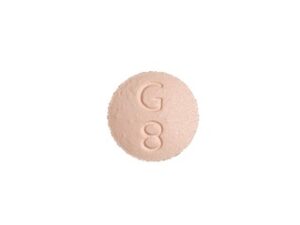
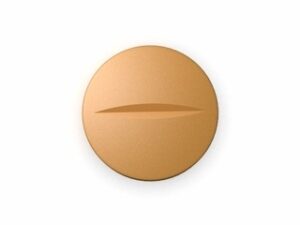
Note: Strengths, tablet appearance, and local availability can differ. Your pharmacist can confirm the exact strength you have.
2. How Betapace Works (Mechanism of Action)
Sotalol has two main actions:
- Class III antiarrhythmic effect: It helps extend the electrical “refractory” period of heart cells. In simpler terms, it can help prevent abnormal rhythm signals from repeating too quickly.
- Beta-blocking effect (non-selective): It slows the heart rate and reduces the heart’s responsiveness to certain stress signals (like adrenaline).
Because of these combined effects, Betapace can help manage rhythm problems such as certain types of tachyarrhythmias (fast abnormal heart rhythms) by stabilising the heart’s electrical activity.
3. Pharmacokinetics (How the Body Handles Sotalol)
Understanding pharmacokinetics can help you take Betapace consistently and recognise factors that may affect how it works.
- Absorption: Sotalol is absorbed after oral dosing. Peak levels typically occur within a few hours (exact timing can vary by individual).
- Distribution: It distributes throughout body tissues, including the heart.
- Metabolism: Sotalol is not extensively metabolised by the liver. This means drug interactions through liver enzyme pathways may be less prominent than with some other medicines.
- Elimination: The medicine is primarily cleared by the kidneys. Kidney function therefore strongly influences sotalol levels.
- Half-life: Sotalol has a relatively long half-life, supporting once- or twice-daily regimens depending on the prescribed plan.
Why this matters: If your kidney function is reduced, sotalol can build up in the body, increasing the risk of side effects—especially rhythm-related risks. Your prescriber may adjust the dose accordingly and monitor you more closely.
4. Typical Use & Indications
Betapace is used for selected patients with certain clinically significant abnormal heart rhythms. Indications may include (depending on local guidelines and the patient’s specific situation):
- Ventricular arrhythmias (abnormal rhythms originating in the lower chambers), and
- Supraventricular arrhythmias (abnormal rhythms originating above the ventricles) in certain circumstances.
Your healthcare professional will consider your ECG findings, past rhythm history, overall health, and other medicines to decide whether sotalol is appropriate.
5. When to Take Betapace (Timing and Missed Dose Advice)
Timing: Take Betapace at the times your healthcare professional prescribes—often once or twice daily. Try to take it at roughly the same times each day to maintain steady drug levels.
With or without food: Many people can take sotalol with or without food, but consistency is important (see food interactions below). If you’ve experienced stomach discomfort, ask your pharmacist whether taking it with food is suitable for you.
Missed dose:
- If you remember soon after the scheduled time, take it when you remember.
- If it’s close to the time for your next dose, skip the missed dose and take the next one at the usual time.
- Do not take a double dose to make up for a missed tablet.
If you miss doses or are unsure what to do, contact your pharmacist or healthcare professional for advice, especially if you take Betapace for rhythm control and have had recent symptoms.
6. Food Interactions
Food does not usually “stop” Betapace from working, but meal timing can influence absorption. The main practical recommendation is:
- Take it the same way each day (either consistently with food or consistently without food), unless your prescriber advises otherwise.
- If your stomach feels upset, taking with food may help. Confirm with your pharmacist for your specific regimen.
Electrolytes and diet: Sotalol’s safety is closely related to electrolytes such as potassium and magnesium. While diet alone rarely causes an issue, significant changes (for example, after severe vomiting/diarrhoea) can affect levels. If you experience prolonged diarrhoea or vomiting, seek medical advice promptly.
7. Alcohol and Medicine Interactions
Alcohol
Alcohol may affect blood pressure, heart rate, balance, and sedation in some people. Because Betapace can lower heart rate and affect cardiovascular function, it’s generally wise to:
- Limit alcohol and avoid binge drinking.
- Be cautious if you notice dizziness, faintness, or unusual fatigue after drinking.
If you’re unsure about how much alcohol is safe for you, discuss this with your pharmacist or prescriber.
Medicine interactions (important)
Some medicines can increase the risk of serious heart rhythm problems, especially by affecting heart rhythm intervals (QT interval) or electrolytes.
Be extra cautious and seek advice if you take:
- Other medicines that prolong the QT interval (certain antibiotics, antipsychotics, antidepressants, antiarrhythmics, and other drugs). Combining these can increase risk.
- Medicines that lower potassium and/or magnesium, such as some diuretics (water tablets). Low potassium/magnesium can increase risk.
- Other beta-blockers or drugs that slow the heart rate (combined effects may cause bradycardia or low blood pressure).
- Medicines for irregular heart rhythms (antiarrhythmics). Some combinations may be unsafe or require close monitoring.
- Medicines that affect kidney function or overall fluid balance.
Always provide your pharmacist with a complete list of medicines, including:
- Prescription medicines
- Over-the-counter cold/flu remedies
- Herbal supplements (including “natural” heart or rhythm products)
- Electrolyte supplements or salt substitutes
Do not start, stop, or change doses of any medicine without advice, particularly if you’re taking more than one drug that can affect heart rhythm or electrolytes.
8. Dosing: How Betapace is Usually Taken
Dosing of sotalol depends on your specific rhythm condition, response to treatment, heart rate, ECG results, and kidney function. Your prescriber may start with a lower dose and adjust gradually.
General dosing considerations
- Kidney function: Dose often needs adjustment when kidney function is reduced.
- ECG monitoring: Your QT interval and overall rhythm may determine safe dose levels.
- Heart rate and blood pressure: If you develop slow heart rate (bradycardia) or low blood pressure, the dose may need adjustment.
Important monitoring during starting or dose changes
In many settings, sotalol is initiated with careful monitoring. In particular, clinicians may check:
- ECG before starting and after dose changes
- Electrolytes (potassium and magnesium), and
- Kidney function (often through blood tests)
Because dosing is individual: This page describes dosing principles but does not provide a one-size-fits-all schedule. Follow your personalised instructions.
9. Safety Profile: Side Effects and When to Get Help
Like all medicines, Betapace can cause side effects. Many are mild, but some require urgent attention.
Common or expected side effects
- Slow heart rate (bradycardia)
- Dizziness or light-headedness
- Fatigue or reduced exercise tolerance
- Nausea or stomach discomfort
- Shortness of breath in some people
- Headache
Serious side effects (urgent)
Contact emergency services immediately or seek urgent medical help if you experience:
- Fainting or feeling like you might pass out
- Sudden severe dizziness
- New or worsening chest pain
- Severe palpitations or rapid irregular heartbeat
- Symptoms of an allergic reaction such as swelling of face/lips, rash, or trouble breathing
Why urgent care matters: Sotalol can, in certain circumstances, contribute to potentially dangerous rhythm disturbances. Early recognition and treatment can be critical.
High-risk situations
Your prescriber may take extra precautions if you have:
- Reduced kidney function
- Low potassium or magnesium
- Significant heart disease or a history of rhythm-related complications
- Concomitant medicines that affect QT interval or heart rate
10. Practical Use Tips (How to Get the Best Results Safely)
- Keep up with ECG and blood tests: Monitoring helps confirm that the medicine remains safe for you, particularly after dose changes.
- Don’t miss electrolyte checks: If you develop vomiting/diarrhoea, excessive sweating, or poor intake, ask your healthcare professional whether you need blood tests.
- Stand up slowly: If you feel dizzy, rise gradually from sitting or lying down.
- Avoid abrupt medication changes: Many interactions are tied to heart rhythm effects; sudden changes can alter risk.
- Carry a list of your medicines: Include your sotalol dose and any other heart or rhythm medications.
- Watch for symptoms: Report new or worsening palpitations, faintness, or shortness of breath promptly.
11. Alternative Options
Depending on your exact rhythm type and medical history, clinicians may consider other therapies, such as:
- Other antiarrhythmic medicines (selection depends on QT risk, heart function, and rhythm type)
- Beta-blockers used for rate control (for some rhythm conditions)
- Calcium channel blockers in certain cases (depending on rhythm type)
- Procedures such as catheter ablation or cardioversion for selected patients
- Non-drug strategies including addressing triggers (sleep apnoea, excessive alcohol, thyroid imbalance, and electrolyte issues)
Your prescriber can explain which options are most suitable for your diagnosis and risk profile.
12. Betapace in Australia: Market and Legal Context
In Australia, medicines are regulated by the Therapeutic Goods Administration (TGA). Availability and prescribing arrangements depend on the specific product and regulatory classification.
Online pharmacies commonly provide access to medicines that are eligible under Australian regulations and require appropriate verification steps. The exact supply process can vary between pharmacies, including identity checks and clinician involvement where required by law for certain medicines.
If you are purchasing online, ensure:
- The pharmacy is operating legally in Australia
- Your order details match the correct product strength
- Shipping timelines and temperature requirements (if any) are understood
- You receive clear instructions for use and monitoring
13. Recent Guidance & Clinical Approach (What Often Gets Emphasised)
While local protocols and individual clinical decisions vary, current clinical practice and health authority recommendations often emphasise:
- QT interval awareness: Monitoring ECG parameters, especially during initiation and dose changes.
- Electrolyte optimisation: Checking and correcting potassium and magnesium when needed.
- Kidney function assessment: Adjusting dose for reduced renal clearance.
- Medication reconciliation: Reviewing other drugs that might increase rhythm risk.
Because recommendations evolve with evidence, your prescriber may apply specific local monitoring plans.
14. Delivery and Availability (Online Pharmacy Information)
Availability can vary by strength and packaging. For online orders, you should expect:
- Product verification: Your pharmacist or the pharmacy system may confirm the correct product and strength.
- Standard shipping options: Delivery timelines depend on your location and the pharmacy’s distribution network.
- Discreet packaging: Many Australian pharmacies use plain packaging.
Tip: If you need your medicine urgently (for example, because your rhythm is currently unstable), check with the pharmacy about dispatch times before ordering.
15. FAQ — Frequently Asked Questions
Is Betapace the same as sotalol?
Yes. Betapace is a brand name that contains sotalol as the active ingredient.
What conditions is Betapace used for?
Betapace is used to manage selected abnormal heart rhythms. The exact indication depends on your ECG and medical history.
How quickly does Betapace work?
Some people experience improvement after starting, but the response time can vary. Your clinician may evaluate progress with symptoms and ECG monitoring, particularly during the first days to weeks and after dose changes.
Do I need ECG monitoring?
Monitoring is commonly part of sotalol therapy, especially at initiation and when changing the dose. ECG helps assess heart rhythm and QT interval safety.
Can I take Betapace with food?
Many patients can take it with or without food. The safest approach is to take it the same way each day and follow your prescriber’s advice.
Can I drink alcohol while taking Betapace?
It’s generally best to limit alcohol. Alcohol can worsen dizziness and affect cardiovascular stability in some people. If you’re unsure, discuss with your pharmacist.
What should I do if I miss a dose?
Take it when you remember unless it’s near the time for your next dose. Do not double up. If you miss multiple doses or feel unwell, contact your healthcare professional for guidance.
Are there any medicines I should avoid?
Yes. Some medicines—particularly those that affect heart rhythm (QT interval) or lower potassium/magnesium—may increase risk. Provide your full medication list to your pharmacist for a safety check.
What side effects mean I should seek urgent help?
Seek urgent medical attention for fainting, severe dizziness, chest pain, severe palpitations, or trouble breathing/allergic reactions.
Can my dose change if my kidney function changes?
Yes. Because sotalol is primarily cleared through the kidneys, reduced kidney function can require dose adjustment. Tell your prescriber if you have kidney disease or new kidney-related symptoms.
What can I do to reduce the risk of side effects?
- Attend ECG and blood test appointments
- Avoid starting new medications without checking interactions
- Report symptoms promptly (especially faintness or unusual palpitations)
- Stay hydrated and maintain normal diet intake unless advised otherwise
Summary
Betapace (sotalol) is used to treat selected heart rhythm disorders by stabilising the heart’s electrical activity through a combination of antiarrhythmic and beta-blocking effects. Safe use depends on careful dosing, attention to ECG (QT interval), and monitoring of kidney function and electrolytes such as potassium and magnesium.
If you have questions about timing, side effects, or potential drug interactions, your pharmacist can help you understand how to use Betapace safely with your other medicines.