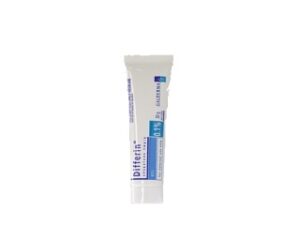
Differin (Adapalene) – Patient-Friendly Guide (Australia)
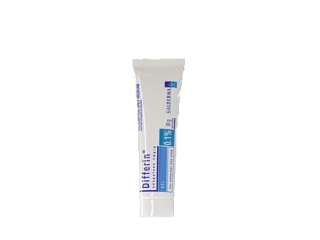
Differin contains adapalene, a topical medicine used to treat acne. It works by helping to prevent clogged pores and by reducing inflammation associated with acne. This guide explains how Differin works, how to use it safely and effectively, what to expect in the first weeks, and important interactions and safety information for Australians.
Note: Product strengths, formulation, and availability may vary. Always follow the specific instructions provided with your Differin product and any advice from your healthcare professional.
1) Basic product information
| Category | Details |
|---|---|
| Active ingredient | Adapalene |
| Medicine type | Topical retinoid (for acne) |
| Common forms | Gel (and sometimes cream depending on brand/region) |
| How it is used | Applied to affected skin (usually once daily at first) |
| Key purpose | Unclogs pores and helps reduce acne lesions |
2) How Differin works (mechanism of action)
Adapalene is a topical retinoid. It helps treat acne through several actions:
- Normalises skin cell turnover: Adapalene helps prevent abnormal buildup of skin cells inside pores, which contributes to comedones (clogged pores).
- Reduces formation of new acne lesions: By improving how pores shed cells, it lowers the likelihood of new spots developing.
- Anti-inflammatory effects: Acne is not only a blocked-pore problem; inflammation plays a major role. Adapalene helps reduce inflammatory activity in the skin.
Unlike some acne treatments that directly kill bacteria or reduce oil production, Differin primarily targets the pore-clogging process and inflammation that drive acne.
3) Pharmacokinetics (what the body does with it)
When applied to the skin, adapalene has limited absorption through intact skin. Most people have very low systemic (whole-body) levels, which is one reason topical retinoids are generally well tolerated when used correctly.
Key points:
- Absorption: Minimal through healthy skin; higher irritation can increase irritation-related absorption, which is why correct application matters.
- Metabolism: Any absorbed adapalene is processed by the body’s metabolic pathways.
- Elimination: It is ultimately cleared from the body.
In practical terms, this means the main “body-wide” concerns are usually outweighed by local skin effects such as dryness, redness, or peeling when you start treatment.
4) What Differin is used for (indications)
Differin is used for the treatment of acne, including:
- Blackheads and whiteheads (comedonal acne)
- Inflammatory acne (such as red, sore pimples)
- Acne-prone skin where you need ongoing prevention of clogged pores
Your pharmacist or doctor may recommend adapalene alone or as part of a broader acne plan (for example, combining with benzoyl peroxide or an oral therapy for more persistent acne).
5) Typical dosing and how to apply
The most common instruction for topical adapalene is once daily in the evening. Many people benefit from starting gradually to reduce irritation.
Recommended amount
- Use a pea-sized amount for the whole face (unless your product instructions say otherwise).
- Apply a thin layer—more product does not usually mean faster results, and can increase side effects.
Where to apply
- Apply to clean, dry skin.
- Use on acne-prone areas (sometimes the whole acne area, not only individual spots, for best prevention).
How to avoid common mistakes
- Keep away from eyes, corners of the nose, mouth, and any broken or irritated skin.
- If it gets into sensitive areas, rinse with lukewarm water.
- Do not apply over wet skin immediately after washing.
Starting schedule (to reduce irritation)
A typical patient-friendly approach is:
- Week 1: Apply every other night (or 2–3 nights per week)
- Week 2: If tolerated, move to most nights
- After Week 3–4: Many people can use it once daily, depending on skin response
If you experience significant burning, intense redness, or swelling, pause and seek advice from your pharmacist or doctor.
6) When to expect results (timing)
Acne improvement with topical retinoids takes time. It’s normal to notice changes gradually:
- First 1–2 weeks: Mild dryness, peeling, or redness may occur. Acne may look temporarily worse (sometimes called “retinoid flare”).
- 4–6 weeks: You may begin to see fewer new spots.
- 8–12 weeks: More consistent improvement is often seen.
If you stop early when irritation is mild, acne can return. Consider continuing consistently while using moisturiser and a sensible frequency adjustment.
7) Food interactions (including alcohol)
Food interactions
There are no known clinically significant food interactions with topical adapalene, because systemic absorption is generally low. However, maintaining good nutrition and hydration can support skin health.
Alcohol interactions
With topical adapalene, direct interactions with alcohol are unlikely. That said, alcohol can sometimes worsen dryness or irritate skin, especially when combined with acne treatments that already dry the skin.
If you use alcohol-based skincare products (such as some toners), you may find your skin feels more irritated when you start Differin. Choose gentle, non-irritating products during treatment.
8) Medicine interactions and skin-care interactions
Differin is usually safe to use with a carefully planned acne routine, but some combinations can increase irritation. Always introduce products one at a time and adjust frequency based on tolerability.
Other acne medicines (common considerations)
- Benzoyl peroxide: Often used together in acne regimens. However, it can increase dryness for some people. If you combine them, consider using one in the morning and one at night, and start slowly.
- Topical antibiotics: May be combined as part of acne management plans. Follow product instructions and healthcare advice.
- Salicylic acid or other exfoliants: These can irritate when used with retinoids. Avoid layering new “strong” exfoliating products early in treatment.
- Alpha hydroxy acids (AHAs) and retinoids: Using both at the same time may increase redness and peeling. If tolerated, alternate days rather than applying together initially.
Skin-care products to be cautious with
- Harsh cleansers (very foaming, stripping)
- Alcohol-based toners
- Scrubs or physical exfoliation
- Products that cause burning even before you apply Differin
Sun sensitivity
Retinoids can make skin more sensitive, and acne treatments can contribute to dryness. Use broad-spectrum sunscreen (SPF 30+) during the day. This is especially important in Australia where UV exposure can be intense.
9) Safety profile: who should be careful
Differin is generally well tolerated when used correctly, but you can experience irritation—particularly during the first weeks. The following information helps you use it safely.
Common side effects
- Dryness
- Redness
- Peeling or flaking
- Stinging or mild burning (often temporary)
- Itching
Less common but important concerns
- Severe irritation with significant swelling
- Blistering or crusting
- Allergic-type reactions (rare), such as widespread rash or hives
- Eye or mouth irritation if applied too close to these areas
When to stop and seek advice
Contact a healthcare professional promptly if you develop severe symptoms such as intense burning, swelling, blistering, or signs of an allergic reaction.
Pregnancy and breastfeeding (important retinoid caution)
Topical retinoids are generally used with caution in pregnancy. If you are pregnant, trying to become pregnant, or breastfeeding, speak with your healthcare professional before using adapalene. They can advise on safer acne options for your situation.
Children and adolescents
Acne can occur in younger people. Age-related suitability depends on the product and local guidance. Ask a pharmacist for advice about appropriate use for children or adolescents.
10) Practical use tips for best results
Make your routine “retinoid-friendly”
- Gentle cleanser: Use a mild, non-stripping face wash.
- Moisturiser: Apply a moisturiser before and/or after Differin if you are dry.
- Use the “sandwich” method: If irritation occurs, moisturise → wait a few minutes → apply Differin → moisturise again.
How to apply safely
- Wash hands before and after application.
- Use a thin layer; avoid heavy application.
- Let your skin dry after washing (typically 10–20 minutes) before applying.
Managing a flare or early irritation
Early redness or a temporary increase in acne can happen. Consider:
- Reducing frequency (e.g., every other night)
- Using moisturiser consistently
- Avoiding additional “active” skincare products during the adjustment period
What about scars and marks?
Differin can help prevent new lesions, which may reduce the chance of new marks. It may not remove existing scars quickly—scarring and pigmentation often require time and sometimes other treatments.
11) Alternative acne options (if Differin isn’t suitable or isn’t enough)
If you cannot tolerate adapalene, or if your acne is not improving adequately, several alternatives may be considered depending on your skin and acne type.
Common topical alternatives
- Benzoyl peroxide: Helps reduce bacteria and inflammation; can dry skin but is effective for many acne types.
- Salicylic acid: Helps with clogged pores; may be gentler for some people though it can still irritate.
- Topical azelaic acid: Can help with acne and marks; often well tolerated.
- Other topical retinoids: Depending on availability and suitability, a different retinoid may be considered.
Combination approaches
Many acne plans combine treatments (for example, a retinoid plus benzoyl peroxide) to target different parts of acne. If you’re unsure, ask a pharmacist to help build a routine with minimal irritation.
When to seek further review
Consider seeking professional advice if you have:
- Moderate-to-severe acne not improving after 8–12 weeks
- Scarring acne, painful cystic lesions, or rapid worsening
- Persistent severe irritation from topical products
12) Australia market and legal context (how products are commonly supplied)
In Australia, acne treatments are typically supplied through pharmacies and may be available as non-prescription or pharmacist-supplied medicines depending on the exact product and strength. Availability may vary by brand and formulation (gel vs cream).
Pharmacy staff can also help with:
- Choosing the right strength/formulation for your skin type
- Explaining a step-by-step routine that minimises irritation
- Checking whether you should avoid certain combinations
- Guidance on sunscreen and moisturisers to support adherence
If you’re buying online, ensure the product description clearly states the active ingredient, concentration, and whether it’s a gel or cream.
Recent guidance and practical updates (what to watch for)
Acne care commonly emphasises:
- Gradual introduction of retinoids to reduce irritation
- Moisturising and sunscreen as key components of treatment
- Avoiding unnecessary layering of multiple “active” skincare ingredients at the start
- Time to response: expecting improvement over weeks, not days
Guidance can change over time as new product formulations and local policy updates occur, so it’s sensible to review the packaging instructions and any advice provided by your pharmacist.
13) Delivery and availability (online pharmacy expectations)
Availability of Differin (adapalene) in Australia depends on the brand, strength, and formulation. When ordering online, check:
- Active ingredient: Adapalene
- Strength: The concentration listed on the product page or packaging
- Form: Gel vs cream
- Quantity: Tube size and how long it typically lasts with daily use
Delivery timelines vary by supplier and location (metro vs regional). Many reputable Australian pharmacies provide options such as standard and express delivery. If you need your medicine quickly, select the fastest delivery option and confirm dispatch times at checkout.
For sensitive medical products, reputable suppliers package items to protect the product during transit. Always check that the seal is intact on arrival.
14) FAQ
How often should I use Differin?
Many people use adapalene once daily at night. If you’re new to retinoids or your skin is sensitive, start every other night or a few times per week and increase as tolerated.
Should I apply Differin to my whole face or just spots?
Often, applying to the acne-prone areas (sometimes the whole face) can prevent new comedones from forming. If you only apply to individual spots, you may miss early pore-clogging elsewhere.
What if my skin is peeling or very red?
Reduce frequency, moisturise more consistently, and consider using the “sandwich” method (moisturiser → adapalene → moisturiser). If irritation is severe, pause and speak with a pharmacist or doctor.
Can Differin be used with sunscreen?
Yes, and it’s strongly recommended. Sunscreen helps protect from UV exposure and reduces the risk of marks worsening. Look for broad-spectrum SPF 30+ and apply in the morning.
Will Differin remove acne marks or scars?
Differin helps prevent new acne and may gradually improve post-acne marks over time. It won’t erase deep scars quickly, but it can support healthier skin texture by controlling acne activity.
Can I use moisturiser and makeup?
Yes. Use a gentle moisturiser and apply makeup after the skin feels comfortable (usually once the product has dried at night). Choose non-comedogenic products if possible.
Can I shave or use hair removal products?
Be cautious if you’re irritated. Avoid applying Differin on freshly shaved, waxed, or otherwise inflamed skin. If you get burning, wait until your skin settles before continuing.
Is Differin safe to use with benzoyl peroxide?
It’s commonly done in acne routines, but it can increase dryness in some people. If combining, consider using one product in the morning and the other at night, and introduce them gradually.
Can I drink alcohol while using Differin?
There are no direct, well-known interactions between topical adapalene and alcohol. However, if alcohol makes you more prone to dryness or irritation, keep your skincare gentle and moisturised.
What should I do if I accidentally get it in my eyes?
Rinse thoroughly with lukewarm water right away. If symptoms persist (such as pain or redness), seek medical advice.
When should I stop using Differin?
Consider stopping and getting advice if you experience severe irritation, blistering, swelling, or signs of allergy. If you’re pregnant or breastfeeding, speak with a healthcare professional before continuing.
If I miss a dose, should I double it?
No. Apply the next dose at the usual time. Doubling can increase irritation.
How long will a tube last?
This depends on your application amount and coverage. Many people use a pea-sized amount for the face once daily, and the tube typically lasts several weeks to a couple of months. If you use a thicker layer or cover more area, it may last less time.
Summary: key takeaways
- Differin (adapalene) is a topical retinoid used to treat acne, especially clogged pores.
- Use a thin layer once daily at night, often starting gradually (every other night) to reduce irritation.
- Expect improvement over weeks—continue consistently for at least 8–12 weeks if tolerated.
- Moisturiser and sunscreen are essential for comfort and better outcomes.
- Avoid harsh exfoliants and be cautious with other acne actives early on to minimise irritation.
- If you develop severe reactions, pause and seek advice from a healthcare professional.