


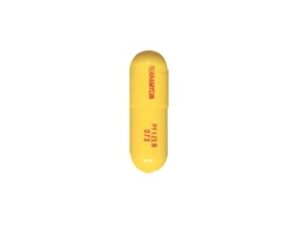
Dilantin (Phenytoin) — Patient Information (Australia)
Dilantin is a brand of phenytoin, an anti-epileptic medicine used to help control seizures. This guide explains how Dilantin works, how it is commonly used, what to expect from day to day, and important safety information. It is written to be patient-friendly and is intended for general information.
| Category | Details |
|---|---|
| Generic name | Phenytoin |
| Brand example | Dilantin |
| Medicinal use | Seizure (epilepsy) control; also used in specific acute settings |
| How it works | Stabilises neuronal membranes and reduces seizure spread |
| Common forms | Tablets/capsules and other preparations depending on product availability |
| Key monitoring | Blood levels may be checked; liver function and blood counts may be monitored |
Basic product information
Phenytoin has been used for many decades to treat epilepsy. In Australia, phenytoin products are available through pharmacies and are supplied according to local prescribing and dispensing requirements.
Dilantin/phenytoin is generally taken as a regular daily medicine. Some people need long-term therapy to maintain seizure control. Because phenytoin can have non-linear blood level changes (small dose changes may cause large changes in levels), careful dosing and sometimes blood test monitoring are important.
How Dilantin works (mechanism of action)
Seizures occur when brain nerve cells (neurons) become abnormally active and spread uncontrolled electrical activity. Phenytoin works mainly by:
- Stabilising neuronal membranes by reducing repetitive firing of sodium channels.
- Decreasing spread of seizure activity across brain circuits.
- Helping raise the threshold for seizures to occur.
The result is improved seizure control for many patients, especially for certain seizure types.
Pharmacokinetics: how the body handles phenytoin
Absorption
After taking phenytoin by mouth, it is absorbed from the gastrointestinal tract. Absorption can vary between people. Taking it at the same times each day helps maintain steadier blood levels.
Distribution
Phenytoin is highly protein-bound (mainly to albumin). When protein binding changes (for example, in some illnesses or in older age), the active (free) drug level may change even if the total blood level looks similar.
Metabolism
Phenytoin is mainly metabolised by the liver (CYP enzymes). Its metabolism is non-linear—a small increase in dose can lead to a disproportionate rise in blood concentration.
Elimination
The medicine is cleared from the body more slowly as blood levels rise, which is one reason why dose adjustments must be done carefully. Clearance may be affected by other medicines that alter liver enzyme activity.
Typical uses and indications
Dilantin (phenytoin) is used to treat seizures and epilepsy. Depending on individual circumstances, phenytoin may be used for:
- Focal seizures (with or without impaired awareness), where appropriate.
- Generalised tonic-clonic seizures in some patients.
- Prevention and treatment of certain seizure types in specific clinical situations.
Your healthcare team will choose the most suitable treatment based on seizure type, response to therapy, age, other medical conditions, and potential drug interactions.
Timing and how to take Dilantin
For many people, phenytoin is taken once or twice daily depending on the prescribed regimen and the formulation. Consistency matters because fluctuations can increase seizure risk or side effects.
When should you take it?
- Take it at the same times each day.
- If your dosing is twice daily, aim for a roughly even spacing (for example, morning and evening).
- Use a daily reminder (phone alarm, blister pack calendar, or pharmacy-managed aids) to reduce missed doses.
If you miss a dose
If you miss a dose, take it as soon as you remember if it is not close to the next dose. If it is close, skip the missed dose and continue with your usual schedule. Do not take a double dose to “catch up” unless your healthcare professional advises it.
Food and interactions with meals
Food can influence absorption of phenytoin. Many people are advised to take it consistently with regard to meals. If your prescriber or pharmacist has given you specific advice (for example, take with food to reduce stomach upset), follow that plan.
- Consistency is key: try to take each dose in the same way (with or without food) day to day.
- If you experience stomach upset, discuss whether taking with food is appropriate.
Alcohol and medicine interactions
Alcohol
Alcohol can increase risks such as dizziness, drowsiness, and reduced coordination—side effects that may already occur with phenytoin. Alcohol may also affect sleep quality and seizure threshold. It’s best to discuss safe alcohol limits with your healthcare team.
- Consider avoiding alcohol, especially when starting therapy or when dose changes occur.
- If you drink alcohol, do so cautiously and avoid binge drinking.
Important medicine interactions (examples)
Phenytoin interacts with many medicines. Some increase phenytoin levels (increasing toxicity risk) and others reduce levels (increasing seizure risk). Even medicines available without a prescription, herbal supplements, and some antibiotics or antifungals may be involved.
Always inform your pharmacist and healthcare professional about:
- All prescription medicines
- All over-the-counter products (including pain relief and sleep aids)
- Herbal supplements and vitamins (including St John’s wort)
- Any recent start/stop of medicines
Examples of interaction types
- Medicines that may raise phenytoin levels: some antibiotics, antifungals, and certain other drugs can inhibit metabolism.
- Medicines that may lower phenytoin levels: some anti-seizure medicines and enzyme inducers may increase metabolism.
- Other seizure medicines: combined therapy may require monitoring and dose adjustments.
Because interaction patterns vary, personalised advice is essential. Your pharmacist can check interaction risk for your specific medicines.
Dose information and dosing approach
Dosing must be individualised. Because phenytoin has non-linear pharmacokinetics, the same dose can lead to very different blood levels in different people. Doses are typically adjusted based on:
- Clinical response (seizure control)
- Side effects
- Blood phenytoin levels (when measured)
- Age, liver function, and other medications
Common dosing principles
- Start low and adjust carefully, especially in children and older adults.
- Changes in dose may take time to show full effect and may require level monitoring.
- Do not switch brands or formulations without medical advice, as bioavailability may differ.
Blood level monitoring (why it matters)
Your doctor may order blood tests to measure phenytoin concentration, particularly if:
- Seizures are not controlled
- Side effects suggest phenytoin levels may be high
- You are starting, changing dose, or changing interacting medicines
- There are concerns about absorption or adherence
Safety profile: what to watch for
Like all medicines, phenytoin can cause side effects. Many are dose-related. Some effects are serious and require urgent medical attention.
Common side effects
- Dizziness, unsteadiness, or sleepiness
- Headache
- Gum overgrowth (gingival hyperplasia) with long-term use—good dental care is important
- Slower thinking or fatigue
- Nausea or stomach discomfort
Signs of high phenytoin levels (toxicity)
If levels become too high, you may notice symptoms such as:
- Nystagmus (rapid eye movements)
- Blurred vision
- Marked dizziness or imbalance
- Slurred speech
- Severe nausea or vomiting
Contact your healthcare professional promptly if these occur.
Serious (urgent) warning signs
Seek urgent medical attention if you develop any of the following:
- Signs of a severe skin reaction (rash with blistering, peeling, or sores in the mouth/eyes)
- Swelling of the face/lips, difficulty breathing, or severe allergic symptoms
- Unexplained bruising, fever, or severe infection symptoms
- Yellowing of the eyes/skin (jaundice), dark urine, or severe persistent abdominal pain (possible liver issues)
Long-term considerations
- Bone health: some anti-epileptic medicines can affect vitamin D and bone density. Your doctor may consider bone health checks.
- Folate: phenytoin may affect folate levels in some people. Dietary advice or supplements may be considered.
- Blood counts and liver tests: periodic monitoring may be recommended.
Practical use tips for daily life
- Stick to the schedule: taking doses at the same times each day helps stabilise blood levels.
- Use blister packs or reminders: reduce missed doses and improve adherence.
- Avoid sudden changes: do not stop phenytoin suddenly; abrupt changes can trigger seizures.
- Maintain good oral hygiene: gum overgrowth can occur—regular dental check-ups and careful brushing/flossing are important.
- Be mindful when driving or operating machinery: dizziness or slowed reaction time can occur, especially after starting or dose changes.
- Track seizures and side effects: noting timing, triggers, and symptoms helps your clinician adjust treatment safely.
Starting, switching, and stopping: key guidance
Phenytoin therapy should be managed carefully. If you need to start, change, or stop, your healthcare professional will typically plan a gradual approach where appropriate.
- Do not stop suddenly without medical advice.
- Do not change brands or formulations without guidance.
- Let your pharmacist check interactions before starting new medicines, including over-the-counter products.
Alternative options (if phenytoin is not suitable)
There are many other anti-epileptic medicines and treatment strategies. Whether alternatives are better depends on seizure type, overall health, and previous treatment response.
Examples of commonly used anti-epileptic options (varies by individual and local guidelines) include:
- Levetiracetam
- Lamotrigine
- Carbamazepine
- Valproate (for selected patients—its suitability depends on age, pregnancy risk, and other factors)
- Oxcarbazepine
- Topiramate
- Zonisamide
- Other phenytoin formulations or dosing strategies may be considered
Non-medicine options may also be considered for some people, such as specialist review, lifestyle support, seizure trigger management, and in selected cases, procedures or surgery. Discuss options with your epilepsy specialist or treating doctor.
Phenytoin in Australia: market and legal context
In Australia, medicines are regulated by the Australian Government through the Therapeutic Goods Administration (TGA). Phenytoin-containing medicines are supplied in accordance with Australian pharmacy and medicine scheduling requirements.
Availability may vary by region and product supply. In practice, most people obtain their phenytoin through community pharmacies, and existing medicine records are used to support safe supply and dispensing.
Recent guidance and safety updates (general)
Guidance for anti-epileptic medicines evolves over time as new evidence and safety updates emerge. Key ongoing themes in epilepsy care typically include:
- Consistent supply and formulation: avoiding unintended switches that may alter blood levels.
- Monitoring: checking blood levels where appropriate, and monitoring side effects and lab parameters.
- Interaction awareness: reviewing medication changes promptly to reduce seizure breakthrough or toxicity.
- Safety for high-risk groups: extra caution in pregnancy planning, children, older adults, and those with liver disease.
For the most up-to-date advice, speak with your treating clinician or pharmacist, and ensure you have current product information for your specific phenytoin formulation.
Delivery, availability, and ordering (Australia)
Many Australian pharmacies offer online ordering and home delivery for prescription medicines where permitted by law and medicine scheduling. Availability depends on stock levels and supply chain timing.
- Order processing: delivery times vary based on location and stock availability.
- Packaging: medicines are typically supplied in tamper-evident packaging.
- Cold-chain: phenytoin products generally do not require refrigeration unless specifically stated for a particular brand.
- Refills/continuing supply: plan ahead to avoid running out—phenytoin should not be stopped abruptly.
If you need emergency supply considerations, ask your pharmacy about local options and recommended steps.
FAQ: Dilantin (phenytoin)
1) How long does it take for Dilantin to work?
Some seizure types may improve relatively quickly, but full effect can take days to weeks depending on dose changes, absorption, and blood level stability. Blood test monitoring may be used to help confirm appropriate levels.
2) Why is it important to have blood levels checked?
Phenytoin levels can change non-linearly. Measuring levels helps reduce the risk of under-treatment (breakthrough seizures) or over-treatment (toxicity and side effects).
3) Can I stop Dilantin if my seizures are controlled?
Do not stop suddenly. Some people may be considered for gradual withdrawal under specialist supervision after a seizure-free period, but this decision is individual. Stopping abruptly can increase the risk of seizure recurrence.
4) Can I take Dilantin with food?
Food can affect absorption. Follow the specific instructions given by your healthcare professional and try to be consistent from day to day.
5) Are there foods I should avoid?
There are no universal food restrictions for all people, but consistency in how and when you take your tablets is helpful. If you have dietary changes (for example, major changes in fibre, supplements, or meal timing), discuss with your pharmacist.
6) What alcohol can I drink?
Alcohol can increase side effects such as dizziness and can affect seizure control. If you choose to drink, do so cautiously and discuss safe limits with your doctor. Avoid binge drinking.
7) What should I do if I’m starting a new medicine?
Always ask your pharmacist or doctor to check for interactions with phenytoin. This includes antibiotics, antifungals, pain medicines, antidepressants, sleep aids, and herbal products.
8) What side effects are most common?
Common side effects include dizziness, drowsiness, headache, and nausea. Gum overgrowth may occur with long-term treatment. If side effects are bothersome or worsening, speak with your healthcare professional.
9) When should I seek urgent help?
Seek urgent medical care for severe rash, facial swelling, breathing problems, signs of liver problems (yellowing, dark urine), unusual bruising/fever, or symptoms suggesting serious phenytoin toxicity (such as severe imbalance or vision changes).
10) Can children use phenytoin?
Phenytoin can be used in children when clinically appropriate, but dosing and monitoring require careful individualisation. Your paediatric clinician will guide safe use and schedule monitoring.
Summary
Dilantin (phenytoin) is a long-standing anti-epileptic medicine that works by stabilising nerve activity to reduce seizure spread. Because phenytoin levels can be affected by dose changes, other medicines, and individual metabolism, careful daily use and, when needed, blood level monitoring are important. Consistent timing, awareness of interactions, and prompt attention to side effects help maximise safety and effectiveness.
For personalised advice about your dose, monitoring, and interaction risks, speak with your pharmacist or treating clinician.