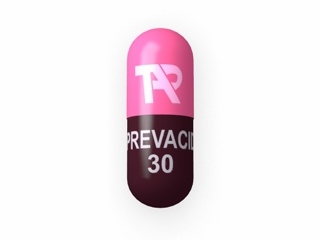
Prevacid® (Lansoprazole) — Patient-Friendly Guide (Australia)
Prevacid (lansoprazole) is a medicine used to reduce stomach acid. It belongs to a group called proton pump inhibitors (PPIs). If you have conditions such as reflux (heartburn), stomach or duodenal ulcers, or inflammation related to acid, lansoprazole may help relieve symptoms and support healing.
This page provides general, patient-friendly information about how Prevacid works, when and how it’s taken, important interactions, and safety tips. Always follow the instructions provided by your healthcare professional and the product label.
Quick Summary
- Active ingredient: Lansoprazole
- Drug class: Proton Pump Inhibitor (PPI)
- What it does: Reduces acid made by the stomach
- Common uses: Heartburn/GERD, reflux-related oesophagitis, gastric/duodenal ulcers, and other acid-related conditions
- Typical timing: Often taken once daily; usually before food (commonly before breakfast)
- Key tip: For best effect, take on schedule and before meals
Basic Product Information
Prevacid (lansoprazole) is marketed in various strengths depending on product format and local availability. In Australia, lansoprazole-containing medicines may be supplied by different brands. Your pharmacist can confirm the exact strength and form (for example, capsules or other formulations) available to you.
| Feature | Information |
|---|---|
| Generic name | Lansoprazole |
| Brand name | Prevacid® (lansoprazole) |
| Class | Proton Pump Inhibitor (PPI) |
| How it works | Reduces stomach acid production |
| Common dosing pattern | Usually once daily; sometimes twice daily for specific conditions |
| Best timing | Before food, typically before breakfast |
How Prevacid Works (Mechanism of Action)
PPIs such as lansoprazole block the final step of acid production in the stomach. More specifically, lansoprazole inhibits the proton pump (H+/K+ ATPase) found in acid-secreting cells of the stomach lining. As a result, less hydrochloric acid is produced, which helps:
- Reduce heartburn and reflux symptoms
- Allow ulcers and inflamed tissue to heal
- Lower acid exposure that can irritate the oesophagus
Because PPIs work best by preventing acid secretion at the time it would normally be stimulated by meals, timing relative to food matters.
Pharmacokinetics (What the Body Does to the Medicine)
Pharmacokinetics describes how the medicine is absorbed, distributed, metabolised, and eliminated. While exact values vary among individuals, the key points for patients are:
- Absorption: Lansoprazole is absorbed after swallowing. It is acid-sensitive, so it is formulated to protect the active medicine until it reaches the right area of the digestive tract.
- Onset: Acid suppression generally begins within hours, but the maximum benefit for healing and symptom control may take several days of daily use.
- Metabolism: Lansoprazole is mainly metabolised in the liver (primarily via cytochrome P450 enzymes). This can influence drug interactions.
- Elimination: It is cleared from the body mostly as metabolites through urine and faeces.
If you miss a dose, take it when you remember unless it is almost time for the next dose. Avoid doubling up.
Typical Uses in Australia (Indications)
Lansoprazole is commonly used for acid-related conditions, including:
- Gastro-oesophageal reflux disease (GORD/GERD): Persistent heartburn and reflux symptoms caused by acid and stomach contents moving back into the oesophagus.
- Erosive oesophagitis: Inflammation and injury to the oesophagus from reflux.
- Gastric and duodenal ulcers: Ulcers in the stomach or first part of the small intestine.
- Prevention of ulcers in certain situations: For example, in people taking ulcer-causing medicines where acid suppression is recommended.
- Zollinger–Ellison syndrome and other acid hypersecretory conditions: Rare disorders with overproduction of stomach acid.
- Parts of Helicobacter pylori management: Lansoprazole may be used as part of combination regimens when H. pylori is treated (your healthcare professional will advise the full regimen).
If symptoms are severe, persistent, or associated with warning signs (such as weight loss, vomiting blood, or black stools), seek medical advice promptly.
How to Take Prevacid (Timing & Dosing)
General timing (very important)
PPIs like lansoprazole work best when taken before food because meals trigger acid secretion. Many people are advised to take it:
- Once daily: typically before breakfast (or another main meal as advised).
- Twice daily (in some conditions): before breakfast and before dinner, as directed.
If your dose instructions differ, follow your healthcare professional’s directions or the label on your product.
Dose information (typical examples)
Dosing varies based on the condition being treated, symptom severity, and your medical history. Below are typical dosing patterns used for many PPI indications; your local product strength and your clinician’s plan may differ.
| Condition (examples) | Typical dosing pattern (general) | Timing |
|---|---|---|
| GORD / reflux symptoms | Often once daily | Before breakfast or the first meal of the day |
| Erosive oesophagitis | Often once daily; may be higher in some cases | Before breakfast |
| Gastric/duodenal ulcers | Often once daily for a healing course | Before breakfast |
| H. pylori eradication regimens | Part of combination therapy | Before meals as per regimen schedule |
| Acid hypersecretory conditions (e.g., Zollinger–Ellison) | Individualised dosing | Often multiple daily dosing as advised |
How long to take: Many reflux courses are tried over a set period (for example, weeks). If symptoms return, it doesn’t always mean you should self-adjust the dose—seek advice about the safest plan.
How to take the medicine
- Swallow whole: Follow the instructions for your specific formulation. If your medicine is a capsule, avoid crushing or chewing unless your pharmacist has confirmed it is appropriate.
- Water: Take with a full glass of water.
- Consistency: Take at the same time each day for best results.
If you have trouble swallowing: Ask your pharmacist whether your product can be opened or mixed (this depends on formulation). Do not alter the medicine unless confirmed.
Food Interactions (What You Eat Can Affect Benefit)
Lansoprazole can be less effective if taken after meals, because the proton pumps may already have been activated. To optimise acid suppression:
- Take before eating when possible (commonly before breakfast).
- Try to avoid frequently changing your routine; if your timing changes, inform your healthcare professional.
- If you must take it with food due to practical reasons, discuss with your pharmacist for the best approach. Some people may notice reduced symptom control if timing is not ideal.
Alcohol and meals: Alcohol can worsen reflux in many people by relaxing the lower oesophageal sphincter and irritating the oesophagus. Alcohol may therefore undermine the benefit of acid suppression.
Alcohol Interactions
There is no universal requirement to completely avoid alcohol with lansoprazole; however, alcohol can contribute to symptoms of GORD in many individuals. Consider reducing or avoiding alcohol if you notice it triggers heartburn, regurgitation, or throat irritation.
- Heartburn trigger: Beer, wine, spirits and some mixed drinks can worsen reflux symptoms for some people.
- Timing: Avoid alcohol close to bedtime to reduce nighttime symptoms.
- Additional irritants: Smoking and late heavy meals can also worsen reflux.
Medicine Interactions (Important Drug and Supplement Considerations)
Lansoprazole can interact with other medicines, mainly because acid changes in the stomach can affect how some drugs are absorbed or how they are metabolised. Always check with your pharmacist if you take regular medicines, including over-the-counter products and supplements.
Examples of interaction considerations
- Medicines requiring stomach acidity for absorption: Some drugs depend on an acidic environment for absorption. Reduced stomach acid may lower their absorption. Your pharmacist can review your specific medicines.
- Warfarin (and other vitamin K antagonists): PPIs may affect clotting control in some people. Increased monitoring of INR may be required if you are on warfarin.
- Clopidogrel: Some PPIs can interact with clopidogrel’s activation pathway. Your clinician may choose a preferred PPI if you take clopidogrel.
- Antiretrovirals (HIV medicines): Certain combinations may be affected by PPI-related pH changes; monitoring may be needed.
- Antifungals (e.g., ketoconazole, itraconazole): Absorption can be reduced with less acid.
- Digoxin: Changes in gastric pH and electrolyte status may influence digoxin levels in some circumstances.
- Sucralfate / antacids: These can be used in some regimens, but timing may matter. Your pharmacist can advise a separation schedule when appropriate.
- Iron supplements (non-heme iron): Lower stomach acid may reduce absorption for some forms of iron; consider spacing and discuss if you are being treated for iron deficiency.
- Magnesium supplements: Long-term PPI use can rarely be associated with low magnesium levels; if you are on long courses, ask about monitoring.
Important: This is not an exhaustive list. Provide your pharmacist with a list of everything you take (including herbal products and “natural” remedies).
Safety Profile & Warnings
Common side effects
Many people tolerate lansoprazole well. Possible side effects can include:
- Headache
- Nausea or stomach discomfort
- Diarrhoea or constipation
- Gas, bloating
- Rash (less commonly)
Seek urgent medical help if
- Signs of an allergic reaction such as swelling of the face/lips, trouble breathing, or severe rash
- Severe or persistent vomiting
- Blood in vomit or black/tarry stools
- Unexplained weight loss, difficulty swallowing, or persistent symptoms despite treatment
Long-term use considerations
PPIs are sometimes used for longer periods when benefits outweigh risks. Ongoing medical review is important. Potential risks associated with long-term PPI use (reported in studies and post-marketing data) may include:
- Low magnesium (rare) that can cause muscle cramps, weakness, or abnormal heart rhythm
- Reduced vitamin B12 absorption over time in some people
- Increased risk of certain infections, including gastrointestinal infections, in some circumstances
- Bone fracture risk may be higher in long-term users, particularly at higher doses and with other risk factors
These risks do not necessarily mean you should stop the medicine—rather, they highlight the importance of using the lowest effective dose for the right duration and reviewing with a clinician.
Practical Tips for Best Results
- Take it before food: Most people get better symptom control when they take lansoprazole before breakfast.
- Give it time: If you’re treating reflux or erosive oesophagitis, improvement may take several days. Many people feel better sooner, but healing can take longer.
- Don’t stop abruptly: If you’ve been using it long-term, discuss stopping or stepping down with a healthcare professional. Some people experience rebound acid symptoms.
-
Consider reflux lifestyle support:
- Eat smaller meals
- Avoid late-night eating
- Elevate the head of the bed if nighttime reflux occurs
- Maintain a healthy weight
- Avoid smoking - Use “rescue” options wisely: Antacids or alginate products can sometimes help breakthrough symptoms. Ask your pharmacist for a safe option that fits your schedule.
- Track triggers: Note foods and drinks (such as spicy foods, citrus, chocolate, peppermint, coffee) and timing that worsen reflux.
Alternative Options
Depending on your condition, alternatives may include other PPIs, H2-receptor antagonists, antacids, or lifestyle measures. Options can vary by symptom pattern and severity.
Common alternatives (general)
- Other PPIs: e.g., omeprazole, esomeprazole, pantoprazole, and others (choice depends on availability and your clinical situation).
- H2-receptor antagonists: e.g., famotidine; often used for milder symptoms or as-needed control in some cases.
- Antacids: fast relief for occasional heartburn (short duration).
- Alginate-based therapies: can form a “raft” barrier to reduce reflux symptoms for some people.
- Non-medicine strategies: dietary changes, weight management, and elevating the bed for nighttime symptoms.
If symptoms persist or worsen, an evaluation may be needed rather than switching medicines repeatedly on your own.
Market & Legal Context for Australia
In Australia, lansoprazole and other PPIs may be available under different supply categories depending on strength and formulation. Availability can include pharmacist supply and/or other channels, and product availability may change over time. Your online pharmacy can provide the most up-to-date information on what can be supplied in your area and form.
Medicines in Australia are regulated under the Therapeutic Goods Administration (TGA) framework. When purchasing online, ensure you choose a reputable provider that supplies medicines in line with Australian requirements.
Recent guidance (high-level)
Current clinical and guideline trends emphasise:
- Appropriate indication: Using PPIs for confirmed acid-related conditions rather than indefinite use for minor symptoms.
- Lowest effective dose: Tailoring dose to the minimum needed to control symptoms and heal inflammation.
- Review after a time-limited course: Particularly for reflux, to confirm whether ongoing therapy is needed.
- Assess alarm symptoms: Persistent or severe symptoms, dysphagia, bleeding, or weight loss should prompt medical assessment.
Always follow the advice of your healthcare professional for duration and monitoring.
Delivery, Availability & What to Expect When Ordering Online
Online pharmacies in Australia commonly deliver within set regions and timeframes depending on the provider and stock availability. Delivery options may include standard and express shipping.
- Availability: Stock status can vary for different strengths and formulations.
- Packaging: Medicines are typically supplied in manufacturer packaging, with expiry dates clearly indicated.
- Cold chain: PPIs generally do not require cold-chain delivery.
- Order processing: Orders may be processed within business hours on weekdays.
If you need urgent relief or have a time-sensitive treatment plan (for example, you’re mid-course), choose delivery options that suit your schedule and allow for dispatch time.
Frequently Asked Questions (FAQ)
1) When should I take Prevacid if I have morning or evening symptoms?
Most regimens aim for before breakfast for once-daily dosing. If your dosing instructions are twice daily, a second dose is often scheduled before dinner. If your symptoms are mainly at night, discuss timing options with your pharmacist or clinician rather than changing dose schedules yourself.
2) How long does Prevacid take to work?
Many people notice symptom improvement within a few days, but healing and maximum control can take longer. If you don’t feel better within the expected timeframe, seek advice rather than continuing indefinitely without review.
3) Can I take antacids or alginate products with Prevacid?
Sometimes yes, for breakthrough symptoms. Timing may be recommended to avoid reducing absorption of other medicines. Ask your pharmacist for a schedule that fits your medications.
4) What should I do if I miss a dose?
Take it when you remember if it’s still close to your usual time. If it’s almost time for the next dose, skip the missed dose and continue your normal schedule. Do not take a double dose.
5) Does alcohol affect reflux even if I take lansoprazole?
Alcohol may worsen reflux symptoms in many people. Even with acid suppression, alcohol can irritate the oesophagus or trigger reflux. Reducing alcohol or avoiding it—especially near bedtime—may improve symptoms.
6) Are there any foods I should avoid?
No food is universally “forbidden,” but some people find symptoms worsen with spicy foods, fatty meals, chocolate, peppermint, coffee, citrus, and tomato-based foods. A personal trigger list can help.
7) Is it safe to take Prevacid long-term?
Many people take PPIs long-term when clearly needed, under medical review. Long-term use should be periodically reassessed to confirm the lowest effective dose and the right duration. Discuss monitoring (such as magnesium or vitamin B12) with your clinician if you are on extended therapy.
8) Will I experience rebound symptoms if I stop?
Some people can experience rebound acid symptoms when stopping PPIs, particularly after long use. If you plan to stop, it’s often safer to discuss a step-down approach with a healthcare professional.
9) Can Prevacid interact with my other medicines?
Yes. Interactions depend on your specific medications and health conditions. Tell your pharmacist about all medicines, vitamins, minerals, and herbal products you take so they can check for potential interactions.
10) Who should be extra cautious?
Extra caution may be needed for people with liver problems, those taking medicines with known interactions, pregnant or breastfeeding people, and anyone with a history of low magnesium or vitamin B12. Ask your pharmacist or clinician if you’re unsure.
When to Get Medical Advice
Contact a healthcare professional urgently if you experience symptoms suggesting a more serious condition, such as:
- Unexplained weight loss
- Difficult or painful swallowing
- Vomiting blood or material that looks like coffee grounds
- Black, tarry stools
- Persistent vomiting, severe chest pain, or shortness of breath
If your reflux symptoms persist despite appropriate use, you may need further assessment to confirm the cause and determine the best treatment strategy.
Note: Information on this page is general. Individual needs vary. For guidance tailored to you, speak with your pharmacist or healthcare professional and follow the instructions provided with your product.