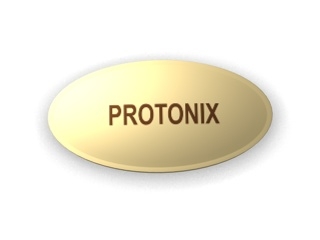


Protonix (Pantoprazole) – Patient Information (Australia)
Protonix contains pantoprazole, a medicine used to reduce stomach acid. This page explains what Protonix is, how it works, how to take it, key safety information, and what to consider with food, alcohol, and other medicines. It is written in a patient-friendly way for readers in Australia.
1) Basic Product Information
- Medicine name: Protonix
- Active ingredient: Pantoprazole
- Medicine type: Proton pump inhibitor (PPI)
- Common forms: Tablets (strengths may vary by product availability)
- How it works: Reduces acid production in the stomach
Availability and presentation can differ depending on the manufacturer and supplier. Your pharmacist can confirm the exact strength and form you have.
2) How Protonix Works (Mechanism of Action)
Protonix belongs to the proton pump inhibitor (PPI) class. In the stomach lining, special cells produce acid using microscopic “pumps” called proton pumps (H+/K+-ATPase).
Pantoprazole blocks these acid pumps, leading to a reduction in the amount of acid released into the stomach. This helps:
- heal irritation and ulcers caused by excess acid
- reduce burning sensations (heartburn) and acid reflux
- improve symptoms such as regurgitation, discomfort, and indigestion related to acid
Because PPIs work by blocking the final step of acid production, they are typically most effective when taken before food (when acid pumps are actively stimulated).
3) Pharmacokinetics (How the Body Handles It)
Understanding how pantoprazole is processed can help explain proper timing:
- Absorption: Pantoprazole is absorbed after taking by mouth. It is designed to be stable enough to reach the small intestine for absorption.
- Onset of action: Acid suppression begins after dosing, but symptom relief may take several days for best control, especially for conditions like reflux.
- Metabolism: The liver metabolises pantoprazole (primarily via enzyme pathways such as CYP systems).
- Elimination: Metabolites are removed mainly through the kidneys and bile.
- Why timing matters: Because PPIs act on pumps that are stimulated during mealtimes, taking Protonix in the correct time window improves effectiveness.
4) Typical Uses in Australia
Protonix is commonly used for conditions where reducing stomach acid helps relieve symptoms and/or promotes healing. The exact approach depends on your diagnosis and your clinician’s assessment.
Common indications include:
- Gastro-oesophageal reflux disease (GORD/GERD): chronic acid reflux causing heartburn and regurgitation
- Erosive oesophagitis: inflammation and damage to the oesophagus due to acid
- Peptic ulcer disease: ulcers in the stomach or duodenum (often managed alongside other therapies depending on cause)
- Zollinger–Ellison syndrome: a rare condition causing excess acid production
- Helicobacter pylori (H. pylori) management: pantoprazole may be part of combination therapy in some regimens
If your symptoms are recurrent or severe, it’s important to seek appropriate assessment, as ongoing reflux can sometimes mimic other conditions.
5) When to Take Protonix (Timing and Dosing Principles)
For best results, Protonix should be taken with the goal of reducing acid before meals. In practice, many regimens follow a once-daily or twice-daily schedule. Your exact dose and frequency depend on the condition being treated.
General timing guidance
- Take Protonix before food: usually 30 to 60 minutes before breakfast.
- For twice-daily dosing: take the second dose before the evening meal. If you normally eat dinner at a fixed time, aim to take the dose before that time.
- Swallow whole: do not crush or chew tablets unless your product instructions specifically allow it.
- Try to take it consistently: take each dose at roughly the same time each day.
If you miss a dose, take it when you remember unless it is close to your next dose. Avoid doubling up.
6) Food Interactions
Food does not “cancel” pantoprazole, but it can reduce how well it controls acid because PPIs work best before acid pumps are activated.
Practical food-related tips
- Best: take Protonix before meals.
- Avoid: taking it after eating for conditions where symptom control relies on strong acid suppression.
- Calcium/antacids: Many people can still use antacids for quick relief as directed, but if you take them, keep timing consistent and discuss with your pharmacist if you’re using multiple acid medicines.
If you have severe reflux, your pharmacist may also recommend lifestyle strategies such as smaller meals, avoiding late-night eating, and managing trigger foods.
7) Alcohol and Medicine Interactions
Alcohol can worsen reflux and irritate the oesophagus. Even if Protonix reduces acid, alcohol may still aggravate symptoms for some people.
Alcohol considerations
- Reflux symptoms: alcohol may trigger heartburn or regurgitation.
- Stomach lining: heavy alcohol intake can irritate the stomach and may increase discomfort.
- Safety: if you drink alcohol, consider limiting it, especially around times when reflux is more likely.
Interactions with other medicines (general)
Pantoprazole can interact with other medicines in a few ways, including effects on stomach acidity and liver metabolism. Many interactions are dose- and patient-specific.
Tell your pharmacist or doctor if you take:
- Medicines that depend on stomach acidity: for example, some drugs require an acidic environment for absorption.
- Some antifungal medicines or HIV medicines (exact interactions depend on the specific drug).
- Warfarin (blood thinning medicine): monitoring of clotting may be needed in some people.
- Methotrexate (particularly higher doses): may require additional monitoring.
- Clopidogrel: interactions can occur; clinical guidance may vary based on the overall treatment plan.
This list is not exhaustive. Always review your medicines (including non-prescription products) with your pharmacist. If you are unsure, bring a list or the packaging of everything you use.
8) Indications and How Protonix Helps Symptoms
The role of Protonix depends on the condition:
GORD/GERD
- Helps reduce acid-related heartburn and regurgitation.
- Supports healing when the oesophagus is inflamed by acid exposure.
Erosive oesophagitis
- Promotes healing of acid-related injury.
- Reduces the severity and frequency of symptoms over time.
Peptic ulcer disease
- Creates a less acidic environment to allow ulcer healing.
- Some ulcers require other treatment (for example, targeting H. pylori).
Zollinger–Ellison syndrome
- Helps manage very high acid output by suppressing acid pumps.
9) Dosing Information (What is Typical?)
Dosing varies by the condition, severity, and your individual medical history. The information below is general, not a substitute for personalised instructions from your healthcare professional.
Typical adult dosing patterns
- Reflux/GORD: often once daily before breakfast; some people may require a higher dose or twice-daily treatment.
- Erosive oesophagitis: often managed with once-daily therapy, with adjustments depending on response.
- Ulcers: dosing varies; treatment may include combination therapy in some cases.
- Zollinger–Ellison syndrome: dosing is individual and may be higher, with close monitoring.
Children: Protonix may be used in paediatric settings in selected circumstances under specialist guidance. Dosage must be confirmed for the child by a healthcare professional.
If you have liver impairment, dosing adjustments or additional monitoring may be considered. Discuss your medical history with your pharmacist.
10) Safety Profile and When to Seek Help
Protonix is generally well tolerated when used appropriately. However, like all medicines, it can cause side effects. Most are mild and improve as your body adjusts.
Common or possible side effects
- Headache
- Diarrhoea or constipation
- Nausea or stomach discomfort
- Gas/bloating
Less common but important risks
- Infections: reduced stomach acid may affect digestion and can be associated with higher risk of some gut infections.
- Vitamin and mineral effects with long-term use: prolonged use may be associated with lower magnesium or vitamin B12 in some people.
- Bone health (long-term use): long-term PPI use has been associated with an increased risk of fractures in some populations.
- Kidney issues: rarely, PPIs have been associated with kidney inflammation; symptoms may include reduced urine output or swelling.
- Allergic reactions: rare but can occur; seek urgent help if you develop facial swelling, breathing difficulties, or widespread rash.
Seek urgent medical attention if you have:
- trouble swallowing, choking, or pain when swallowing
- vomiting blood or passing black/tarry stools
- unexplained weight loss
- persistent vomiting
- chest pain that is new or severe (especially if not clearly linked to reflux)
- severe or persistent stomach pain
11) Practical Use Tips (Getting the Best Results)
- Use the “before food” rule: taking Protonix before meals is one of the most important factors for symptom control.
- Keep a routine: choose a consistent time (often morning before breakfast) so it becomes easier to remember.
- Consider reflux lifestyle changes:
- avoid late-night meals
- avoid lying down soon after eating
- try smaller, more frequent meals if you’re prone to reflux
- limit known triggers such as spicy foods, fatty meals, caffeine, and alcohol
- Track response: many people feel improvement within days, but the full benefit may take longer for healing.
- Don’t stop abruptly without advice: some people may experience rebound acid symptoms when stopping a PPI. If long-term therapy is involved, ask your pharmacist or doctor about a safe plan for reducing.
- Review medication lists: if you add new medicines or supplements, check whether they interact.
12) Alternative Options
Depending on your diagnosis, symptom severity, and medical history, other acid-reducing options may be considered. Your healthcare professional can help choose the best match.
Common alternatives include:
- Other PPIs: medicines in the same class (similar benefit, different brands and sometimes different dosing schedules).
- H2-receptor antagonists (H2 blockers): reduce acid and may help for some people, often with a different onset/duration profile.
- Antacids: provide fast, short-term relief by neutralising existing acid (helpful for breakthrough symptoms).
- Alginate-based therapies: can form a “raft” to reduce reflux symptoms in some patients.
- Lifestyle approaches: particularly for mild reflux, dietary and behavioural changes can significantly help.
If you’re unsure which option fits your situation, talk to your pharmacist. They can also advise on step-up or step-down strategies.
13) Protonix in the Australian Market and Legal/Regulatory Context
Medicines in Australia are regulated through the Australian Government’s medicines framework, including classification (such as prescription-only versus pharmacist-only/schedule medicines) and requirements for safe supply and labelling. Availability depends on the specific product strength and packaging.
In an online pharmacy context, suppliers must ensure:
- appropriate product selection based on the medicine strength and formulation
- safe handling and correct dispensing practices
- clear information about how to use the product safely
- appropriate warnings for people who may be at higher risk (for example, those with red-flag symptoms)
Always follow the instructions on the label and any accompanying consumer medicine information (CMI) leaflet provided with your product.
14) Recent Guidance and Treatment Principles (General)
Over recent years, clinical principles for PPIs have emphasised:
- Using the lowest effective dose to achieve symptom control and healing goals
- Regular review of ongoing need, especially for long-term use
- Checking for risk factors (such as H. pylori where relevant, and red-flag symptoms)
- Ensuring correct timing (before meals) to improve effectiveness
If you have been taking a PPI for weeks or months, discuss with your healthcare professional whether you should continue, adjust, or step down. Never ignore alarm symptoms such as unexplained weight loss, dysphagia, or gastrointestinal bleeding.
15) Delivery and Availability (What to Expect When Ordering Online in Australia)
Online pharmacy ordering typically involves careful verification, secure packaging, and home delivery within Australian regions. Delivery time can vary depending on the supplier, shipping method, and stock availability.
- Stock availability: products may be supplied from local or distribution hubs.
- Packaging: medicines are usually packed to protect tablets and labels during transit.
- Tracking: many online orders provide tracking updates.
- Cold chain: pantoprazole tablets generally do not require refrigeration.
If you need your order urgently, check the estimated dispatch and delivery timelines shown at checkout. Keep the product in a cool, dry place as directed on the label.
16) FAQ – Protonix (Pantoprazole)
How quickly will Protonix work?
Some people notice symptom improvement within a few days, but full benefit—especially for healing of oesophagitis—may take longer. Consistent timing before meals is important for best results.
Should I take Protonix every day?
Many reflux and ulcer-related conditions require daily acid suppression for a planned period. Your schedule depends on your diagnosis and response. If you’re using it regularly and want to stop, ask for guidance to reduce safely.
Can I take Protonix with other stomach medicines?
You may be able to combine Protonix with certain medicines (for example, some antacids for breakthrough symptoms), but interactions and timing can matter. Ask your pharmacist if you’re using multiple products for indigestion, reflux, or ulcers.
What if I forget a dose?
Take it when you remember unless it’s close to the next dose. Avoid taking two doses at once to “catch up.”
Is Protonix safe long-term?
Many people use PPIs for extended periods when clinically indicated. Long-term use should be reviewed periodically to use the lowest effective dose. Your clinician may consider monitoring based on your overall risk profile (for example, magnesium, vitamin B12, bone health).
Does Protonix interact with alcohol?
Alcohol can worsen reflux symptoms and may irritate the stomach and oesophagus. There is no single universal “safe amount,” so consider reducing alcohol, particularly if you notice symptom flare-ups after drinking.
Can I take Protonix with pain relievers like ibuprofen?
Some pain relievers (especially non-steroidal anti-inflammatory drugs, NSAIDs) can increase the risk of stomach irritation and ulcers. Protonix may help reduce acid-related irritation, but it does not fully eliminate the risk. Discuss your pain relief plan with your pharmacist or doctor.
What should I do if my symptoms don’t improve?
If symptoms persist despite correct use (including taking the dose before meals), you may need reassessment. Seek advice—particularly if symptoms are new, worsening, or associated with red-flag signs (such as difficulty swallowing, weight loss, or bleeding).
Are there red flags that mean I should not self-treat?
Yes. Contact a healthcare professional urgently if you experience any of the following: trouble swallowing, vomiting blood, black/tarry stools, unexplained weight loss, persistent vomiting, or severe chest pain not clearly linked to reflux.
Can I switch from another PPI to Protonix?
Sometimes switching within the PPI class is done for tolerability, availability, or dosing reasons. Dose and timing may differ, so ask your pharmacist for advice to transition safely.
13-Point Safety Checklist Before You Start Protonix
- Review all current medicines and supplements with your pharmacist.
- Take Protonix before breakfast (or before your evening meal if twice daily).
- Avoid alcohol triggers if they worsen reflux.
- Do not crush or chew tablets unless the product instructions say you can.
- Stop and seek help for signs of allergy (rash, swelling, breathing difficulty).
- Seek urgent care for bleeding, black stools, vomiting blood, or trouble swallowing.
- Tell your clinician if you have liver disease.
- Discuss long-term use and monitoring if you’ve been taking it for months or more.
- Use the lowest effective dose for the shortest appropriate time.
- Maintain lifestyle strategies that reduce reflux.
- Check for interaction warnings if you take warfarin, methotrexate, clopidogrel, or certain antifungals/HIV medicines.
- If you’re pregnant, planning pregnancy, or breastfeeding, ask for advice before use.
- Follow label directions and the provided consumer information leaflet.
Important: This information is general and does not replace advice from a healthcare professional. If you are unsure about whether Protonix is appropriate for you or how to take it safely, speak with a pharmacist.