
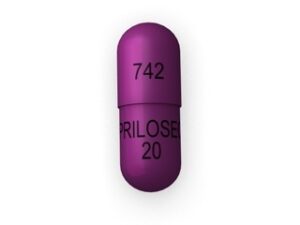
Pepcid (Famotidine) — Patient Information (Australia)
Pepcid is a medicine that contains famotidine, a medicine used to reduce acid in the stomach. It is commonly used for the relief of heartburn and other symptoms related to excess stomach acid. This page is written to help you understand how Pepcid works, when to take it, and what to consider for safety and interactions.
Important: Always read the consumer medicine information (CMI) provided with your product or available from the manufacturer, and consult a healthcare professional if you are unsure whether Pepcid is suitable for you.
Basic product information
| Feature | Details |
|---|---|
| Medicine name | Pepcid |
| Active ingredient | Famotidine |
| Medicinal class | H2-receptor antagonist (H2 blocker) |
| Main action | Reduces stomach acid production |
| Common uses | Heartburn, indigestion related to acid, and certain reflux symptoms |
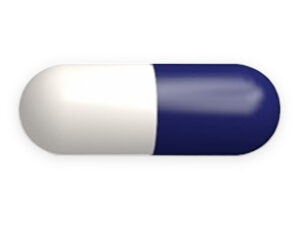
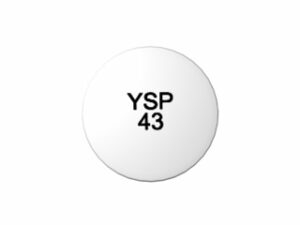
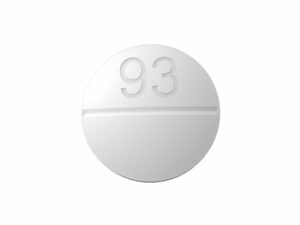
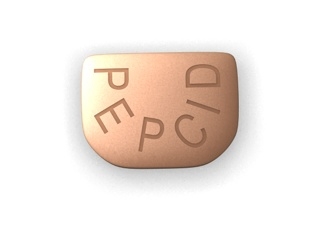
| Typical forms | Tablets/capsules depending on product strength and pack |
How Pepcid works (mechanism of action)
Famotidine belongs to a group of medicines called H2-receptor antagonists. In the stomach lining, acid is produced partly under the control of histamine. Histamine binds to H2 receptors on stomach acid-producing cells, which helps trigger acid release.
Pepcid blocks H2 receptors, which lowers acid secretion. This leads to:
- Reduced stomach acid, which can relieve burning pain and discomfort from heartburn
- Less irritation of the oesophagus (food pipe) in reflux-related symptoms
- Improved comfort during episodes of indigestion associated with acid
Compared with some other acid-reducing medicines, H2 blockers can be useful for short-term symptom relief or for certain reflux patterns.
Pharmacokinetics (how the body handles famotidine)
Pharmacokinetics describes what happens to a medicine in the body: absorption, distribution, metabolism, and elimination.
- Absorption: Famotidine is absorbed after oral dosing. Onset of action is typically within about 1 hour for many people, with symptom relief often beginning sooner.
- Distribution: Famotidine distributes throughout the body and works primarily on gastric acid-producing pathways.
- Metabolism: Famotidine is minimally metabolised.
- Elimination: It is mainly eliminated via the kidneys. Because of this, dose adjustments may be needed for people with kidney impairment.
- Duration: The acid-lowering effect can last for several hours, which is why it’s often taken once or twice daily depending on the reason and the product directions.
Kidney function matters: If you have reduced kidney function, talk to a pharmacist or doctor before using Pepcid, as your dose and frequency may need adjustment.
Typical use in Australia
Pepcid is used for symptoms linked to increased stomach acid, including:
- Heartburn
- Acid indigestion (dyspepsia) and discomfort associated with acid
- Reflux symptoms such as burning in the chest/throat
- Relief of symptoms related to excess gastric acid
In some cases, H2 blockers like famotidine are also used as part of a broader treatment approach for acid-related conditions, guided by product directions and medical advice.
Timing: when to take Pepcid
The exact timing depends on the symptoms you’re treating and the product label. In general:
- For quick relief of heartburn: Many people take Pepcid when symptoms start, or shortly before anticipated triggers (such as a meal).
- For reflux symptoms that worsen at night: Pepcid is often taken in the evening or before bedtime if instructed by the product directions.
- Follow label instructions: Always follow the dosing schedule printed on your pack or the directions from your pharmacist.
Consistency helps: If you’re using Pepcid for recurring symptoms, taking it regularly as directed may provide more predictable symptom control.
Food interactions and absorption
Famotidine can generally be taken with or without food. However, food may influence comfort and the timing of symptom relief.
- With meals: If your symptoms occur after eating, taking Pepcid around mealtimes may help.
- Empty stomach use: Some people may feel symptom relief faster when taken before a meal; however, product instructions should be followed.
- Swallowing: Take the tablet/capsule with water as directed.
Tip: Keep track of when symptoms occur (for example, after spicy foods, large meals, or late-night eating). This can help you time dosing more effectively.
Alcohol interactions and considerations
Alcohol can worsen reflux in many people by relaxing the lower oesophageal sphincter and irritating the stomach lining. While famotidine treats acid-related symptoms, alcohol may still trigger heartburn.
- Limit alcohol if you notice it worsens your symptoms.
- Use caution with alcohol-containing beverages when managing frequent reflux or persistent heartburn.
- If you experience ongoing symptoms after trying to reduce alcohol, consider speaking with a pharmacist or doctor.
Pepcid does not typically have a direct “dangerous interaction” with alcohol for most people, but symptom control can still be affected.
Medicine interactions (important)
Famotidine can interact with certain medicines mainly because of its effect on stomach acidity and, in some cases, due to kidney elimination. Always check potential interactions, especially if you take multiple medicines.
Medicines where timing may be important
- Some drugs require stomach acid for absorption: Reducing stomach acid may reduce absorption of certain medicines. If you take any of these, you may need a separate timing plan (ask a pharmacist for advice).
- Other acid-lowering medicines: Combining multiple acid reducers may not always add benefit and may increase side effects. Follow label guidance or clinician advice.
Examples of interaction considerations
Because interaction lists can vary by product and individual circumstances, use the following practical approach:
- Bring a list of your medicines (including vitamins, herbal products, and antacids) to a pharmacist.
- Tell the pharmacist about your kidney health and any history of medication intolerance.
- Ask whether you should space out doses from any medicines that could be affected by lower acid levels.
Antacids and “rescue” products
Many people also use antacids for rapid relief. Antacids may be taken for breakthrough symptoms, but always follow product directions and ask your pharmacist if you need help planning a routine.
Indications: what symptoms Pepcid is used for
Pepcid is indicated for the relief and management of conditions where reducing gastric acid helps symptoms. Commonly, it is used for:
- Heartburn
- Acid indigestion
- Reflux-related discomfort (such as burning in the chest or throat)
If you have persistent or severe symptoms, or symptoms that do not improve with standard use, it’s important to seek professional medical advice to rule out other conditions.
Dosing: typical adult guidance (follow your pack)
Dose and frequency depend on the product strength and the reason you’re using it. Always follow the dosing instructions printed on your specific Pepcid pack.
General dosing principles for adults:
- For occasional heartburn: A lower dose may be used as needed, often at symptom onset or before trigger times.
- For more frequent reflux symptoms: A structured schedule (often once or twice daily) may be recommended.
- For kidney impairment: dosing may require adjustment due to reduced clearance.
Children: Famotidine use in children must be guided by age, weight, and appropriate product directions. Consult a pharmacist or doctor for suitable dosing.
Do not exceed the labelled dose and do not use it longer than recommended for self-treatment unless a healthcare professional advises.
Safety profile: side effects and who should be careful
Most people tolerate famotidine well. However, like all medicines, Pepcid can cause side effects. The following information is general; always consult the CMI for the complete list.
Common or mild side effects
- Headache
- Dizziness
- Constipation or diarrhoea (less commonly)
- Nausea
- Fatigue
Seek urgent help if
Stop use and seek urgent medical attention if you develop signs of an allergic reaction, such as:
- Swelling of the face, lips, tongue, or throat
- Difficulty breathing or wheezing
- Severe rash, blistering, or widespread skin reactions
Special populations
- Kidney disease: Famotidine is cleared by the kidneys, so caution and possible dose changes may be needed.
- Older adults: May be more sensitive to medicine effects and should use the lowest effective dose.
- Pregnancy and breastfeeding: Use should be guided by a healthcare professional weighing benefits and risks.
Practical use tips for better symptom control
While Pepcid reduces acid, lifestyle choices often improve results and can reduce how often you need medicine.
- Identify triggers: common triggers include spicy foods, fatty meals, chocolate, peppermint, caffeine, and late-night eating.
- Eat smaller meals: large meals increase pressure in the stomach, which can worsen reflux.
- Avoid lying down after meals: try to stay upright for at least 2–3 hours after eating.
- Consider timing: if symptoms are worse at night, taking Pepcid in the evening may help (follow your label).
- Keep hydrated: dehydration can sometimes worsen discomfort.
- Review other medicines: some medicines can aggravate reflux. Ask your pharmacist if you’re unsure.
When to get medical advice: seek advice if you have warning signs such as difficulty swallowing, unexplained weight loss, persistent vomiting, black/tarry stools, vomiting blood, or chest pain that could indicate something more serious than acid reflux.
Alternative options (what else may help)
Depending on your symptoms and personal factors, alternatives to Pepcid include other acid-reducing strategies.
Other medicine options
- Antacids: provide rapid neutralisation of existing stomach acid; helpful for short-term breakthrough symptoms.
- Proton pump inhibitors (PPIs): such as omeprazole and esomeprazole (availability may vary). These are often considered for frequent or persistent reflux, and typically take longer to reach full effect but provide strong acid suppression.
- Other H2 blockers: famotidine is one H2 blocker option; similar medicines may be available depending on supply and regulations.
Non-medicine approaches
- Dietary and lifestyle changes (as listed above)
- Weight management if relevant
- Meal timing (avoid late meals)
Your pharmacist can help you decide which option fits your pattern of symptoms, how often it occurs, and your other health conditions.
Market and legal context in Australia
In Australia, medicines are regulated to support safe access and correct use. Availability and categorisation may vary by product strength and formulation, and some products may be listed as pharmacy-only or in other access categories.
Key points for customers:
- Always check the product label for directions, indications, and age suitability.
- Follow the maximum duration for self-treatment if the product is intended for short-term use.
- Seek advice if symptoms are frequent, worsening, or not responding.
Recent guidance (general direction): healthcare guidance in Australia commonly emphasises that ongoing symptoms should be reviewed rather than repeatedly self-treating indefinitely. If reflux is persistent, it may be appropriate to discuss whether a different class of medicine (such as PPIs) or further assessment is needed.
Note: Guidance and availability can evolve. If you are unsure whether your pattern of symptoms should be reviewed, ask a pharmacist.
Delivery and availability
Pepcid may be available through Australian pharmacies and online pharmacy services, depending on current supply. Delivery options and timeframes depend on the supplier’s shipping service and your location.
When ordering online, you should generally expect:
- Product verification: your order should match the active ingredient, strength, and pack format you selected.
- Secure packaging: medicines are typically packed to protect tablets/capsules and the carton from damage.
- Estimated delivery times: provided at checkout or via shipping updates.
- Cold chain: Pepcid tablets generally do not require refrigeration unless specified by the manufacturer (check your product label).
If you have questions about stock, delivery timing, or the best option for your situation, contact the pharmacy support team or ask a pharmacist.
FAQ — Frequently asked questions
1) Is Pepcid the same as famotidine?
Yes. Pepcid is a brand name that contains the active ingredient famotidine.
2) How fast does Pepcid work?
Many people notice symptom improvement within about 1 hour. Exact timing can vary depending on the cause of your symptoms and whether you’ve just eaten.
3) Can I take Pepcid with food?
In general, famotidine can be taken with or without food. If your symptoms are meal-related, you may find it helpful to take it around meal times, following the label instructions.
4) Can I drink alcohol while using Pepcid?
Alcohol may worsen reflux in many people. Pepcid may reduce acid, but symptoms can still be triggered by alcohol. If you notice alcohol makes your heartburn worse, reducing or avoiding it is advised.
5) Can I take Pepcid together with antacids?
Often, antacids can be used for breakthrough relief. However, timing and individual medicines matter. If you’re taking other products, ask a pharmacist for a simple schedule.
6) What if my symptoms come back after I stop?
If symptoms frequently return, it may indicate an ongoing reflux pattern. Instead of repeatedly self-treating without review, consider discussing your symptoms with a pharmacist or doctor. Lifestyle changes and an appropriate long-term plan may be needed.
7) Who should be extra careful with Pepcid?
Extra caution is advised if you have kidney impairment, are elderly, are pregnant or breastfeeding, or have a history of medication allergies. Consult a pharmacist or healthcare professional for personalised advice.
8) Are there any warning signs that mean I should seek medical help?
Yes. Seek prompt medical attention if you have difficulty swallowing, persistent vomiting, weight loss, vomiting blood, black/tarry stools, or chest pain that could indicate something more serious than reflux.
9) Can Pepcid be used long-term?
Use should follow the product label and professional advice. For frequent or persistent symptoms, it’s best to have your situation reviewed rather than continuing without reassessment.
10) What should I do if I miss a dose?
If you miss a dose, take it when you remember unless it is close to the next dose. Do not take double doses. Follow the instructions on your pack or ask a pharmacist.
Summary
Pepcid (famotidine) is an H2-receptor antagonist that helps relieve heartburn, acid indigestion, and certain reflux-related symptoms by reducing stomach acid production. It’s commonly used for symptom relief and can be taken with or without food. For best results, consider correct timing, be mindful of alcohol and trigger foods, and review your medicine interactions—especially if you take other medications or have kidney impairment.
If symptoms are frequent, severe, or not improving, it’s important to seek advice to ensure you have the right diagnosis and an effective treatment plan.