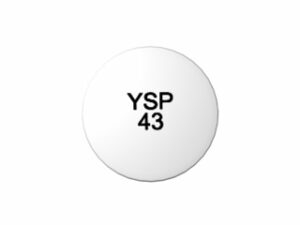



Misoprostol (Tablet) – Patient Information (Australia)
Misoprostol is a medicine used in several important clinical situations. It belongs to the group of medicines known as prostaglandin E1 (PGE1) analogues. In practical terms, misoprostol helps the body in two main ways: it can protect the stomach lining and it can trigger contractions of the uterus in certain settings. Because of its different uses, the correct dose and timing depend on the indication.
This page explains how misoprostol works, how it’s used, and key safety information. It is written for patients in Australia and includes guidance on interactions, timing, and what to expect. If you are unsure which use applies to you, consult a healthcare professional.
Basic product information
| Item | Details |
|---|---|
| Medicine name | Misoprostol |
| Medicinal class | Prostaglandin E1 analogue |
| Common dosage forms | Tablets (strength may vary by brand and formulation) |
| Common routes | Oral use (swallowed); sometimes used via placement in the mouth depending on regimen |
| Who it may be used for | Stomach protection in specific risk groups; gynaecology/obstetrics indications per approved clinical practice |
| Key safety note | Not suitable for everyone—particularly during pregnancy unless specifically directed for an approved medical reason |
How misoprostol works (mechanism of action)
Misoprostol is a synthetic form of prostaglandin. Prostaglandins are signalling molecules that affect smooth muscle and glandular function throughout the body.
- Stomach protection (gastroprotection): Misoprostol helps maintain the integrity of the stomach lining by increasing mucus and bicarbonate secretion and by supporting protective factors in gastric tissue. It also reduces acid secretion.
- Uterine effects (gynaecology/obstetrics use): Misoprostol can stimulate the uterus and affect the cervix. This may result in uterine contractions and cervical changes depending on the clinical context and dose.
Because misoprostol has multiple pharmacological actions, the same medicine can be used for different indications. Always follow the specific dosing plan provided for your situation.
Pharmacokinetics (how the body processes misoprostol)
Understanding pharmacokinetics helps explain why timing matters and why effects can come in “waves” for some uses.
- Absorption: Misoprostol is absorbed after administration and is converted in the body to its active metabolites.
- Distribution: The active metabolites distribute widely in the body.
- Metabolism: It is rapidly metabolised, meaning the active effect does not last indefinitely.
- Elimination: Active metabolites are primarily eliminated via the kidneys.
In general, misoprostol’s effects are relatively short-acting compared with many other medicines. This is one reason dosing schedules often use multiple steps (for example, repeated doses over a period of time, depending on the indication).
Typical uses and indications
In Australia, misoprostol may be used for several medical indications. Commonly, it is considered in:
- Gastroprotection: To reduce the risk of gastric ulcers associated with certain medications that increase ulcer risk (commonly non-steroidal anti-inflammatory drugs, or NSAIDs), particularly in people at higher risk of ulcer complications.
- Gynaecology/obstetrics-related indications: Misoprostol may be used under approved clinical guidance for uterine/cervical preparation and related management plans.
Important: Misoprostol is not a one-size-fits-all medicine. The correct dose and route depend on the clinical reason it is being used for. Always use the regimen recommended by your healthcare provider or the medicine instructions supplied for your specific situation.
Dosing and timing
Dose requirements differ between indications. Below is an overview of how dosing is commonly handled. Your exact dose may vary based on your medical history, age, kidney function, and the specific purpose of therapy.
1) Gastroprotection (stomach lining protection)
- Timing with meals: Misoprostol is commonly taken with food to improve gastrointestinal tolerability.
- Typical frequency: Often multiple times per day depending on the prescribed regimen.
- Consistency: Take doses at evenly spaced times to maintain protective benefits.
2) Gynaecology/obstetrics-related regimens
- Multiple-dose schedules are common: For certain uterine/cervical indications, dosing can be repeated at set intervals.
- Onset may be delayed: Some effects start within hours; others may evolve over time.
- Expect an “event window”: For example, cramping/bleeding patterns (where applicable) often peak and then gradually settle.
Practical note: Because the dosing strategy and route can vary, it’s essential to follow your specific instructions exactly.
How to take misoprostol (practical use tips)
These tips are general and may not replace your personal instructions. If your regimen is different, follow the regimen you were given.
- Follow the route you were told: Misoprostol can be swallowed in some contexts. In others, it may be administered in a way that allows absorption through the mouth or by placing tablets in specific areas of the mouth. Using the wrong route can change how well it works.
- Prepare for side effects: Diarrhoea, abdominal cramping, nausea, and fever/chills can occur (particularly with uterine effects). Having support at home and easy access to fluids can help.
- Hydration: Sip water regularly. If you develop diarrhoea, focus on keeping hydrated.
- Track symptoms: Note the time of dosing and the onset and severity of symptoms. This can be helpful for deciding whether you need urgent medical care.
- Do not share your tablets: Misoprostol use is specific to an indication and dose.
Food interactions and taking with meals
Food can influence tolerability and, in some cases, absorption.
- Gastroprotection use: Misoprostol is often taken with food to reduce gastrointestinal upset (such as diarrhoea and stomach discomfort).
- Consistency matters: If your instructions say to take with meals, try to continue doing so in a consistent routine.
When to ask: If you have swallowing difficulties, are on tube feeding, or have a condition that affects digestion, ask your healthcare provider about the best method of administration.
Alcohol interactions
There is no universal “do not combine” rule for alcohol with misoprostol, but alcohol can worsen common side effects and complicate monitoring.
- Diarrhoea and cramping: Alcohol may aggravate stomach symptoms and dehydration risk.
- Light-headedness: Alcohol can contribute to dizziness, which may be more noticeable if you’re also experiencing fever or dehydration.
- Safety best practice: Consider avoiding alcohol until you know how your body responds, especially if you have diarrhoea or significant cramping.
Medicine interactions (other medicines)
Tell your pharmacist or healthcare professional about all medicines you take, including over-the-counter products and supplements. While misoprostol doesn’t have the most extensive interaction list compared with some medicines, interactions can still matter depending on the regimen.
- NSAIDs: Misoprostol is often used with NSAID therapy for stomach protection. Your regimen should already account for this.
- Medicines for diarrhoea or gut motility: If you develop diarrhoea, consult before using anti-diarrhoeal medicines, especially if symptoms are severe.
- Antacids: Some medicines for reflux or indigestion can affect stomach conditions. Often, they can be used, but the exact timing may matter—ask your pharmacist.
- Other prostaglandin-related medicines: Combining with similar agents should be guided by clinicians.
Tip: Bring a list of your current medications and doses to your pharmacy visit.
Safety profile: who should use caution
Misoprostol can be safe when used correctly, but it may not be appropriate for everyone. People with certain medical conditions should take extra caution.
Common side effects
- Diarrhoea (more common at higher prostaglandin activity)
- Nausea
- Abdominal cramping
- Headache
- Fever or chills (can occur especially in regimens that affect the uterus)
- Vaginal bleeding or spotting (where applicable depending on indication)
Less common but serious risks
- Severe or persistent bleeding (seek urgent assessment)
- Severe abdominal pain that doesn’t improve
- Allergic reactions (rash, swelling, trouble breathing)
- Dehydration from diarrhoea or vomiting
When to seek urgent medical help
Seek urgent medical care if you experience any of the following:
- Very heavy bleeding (soaking pads rapidly), or bleeding that concerns you
- Fainting, severe weakness, or dizziness
- High fever that persists or severe chills
- Severe pain not relieved by recommended supportive care
- Signs of allergic reaction
Special caution
- Kidney problems: Kidney impairment can affect medicine clearance. Dose adjustments may be needed.
- Low blood pressure or dehydration risk: Increased risk of light-headedness if diarrhoea occurs.
- Women who could be pregnant: Misoprostol can cause uterine effects and should only be used for an approved clinical indication and with appropriate guidance.
Fever, chills, bleeding, and cramping: what can be normal
For many indications, symptoms can begin after dosing and then change over time. People often ask what is “normal.” General patterns:
- Cramps: May start within hours and often peak before easing.
- Bleeding: Patterns can vary widely; some people experience spotting, others heavier bleeding for a period.
- Fever/chills: A transient temperature rise or chills can happen. Persistent high fever should be assessed by a clinician.
Because individual outcomes vary, it’s important to follow the monitoring plan provided for your situation. If you’re unsure, contact a healthcare service.
Alternative options
Depending on the indication, alternatives may include:
- For gastroprotection: Other strategies may include different ulcer-prevention regimens such as acid-suppressing treatments (for example, medicines that reduce stomach acid) or risk-reduction approaches alongside medication review.
- For uterine/cervical-related indications: Clinics may use other medical approaches or procedural management depending on timing, location, and clinical factors.
Your healthcare provider can recommend the most suitable option for your circumstances, including benefits, side effects, and monitoring needs.
Market and legal context in Australia (overview)
In Australia, medicines are regulated through the Therapeutic Goods Administration (TGA). Availability and prescribing/dispensing rules depend on the product, intended use, and classification.
- Regulatory oversight: The TGA regulates how medicines are manufactured, approved, and distributed.
- Pharmacy supply: Misoprostol availability may be restricted and can depend on the specific product and approved indications.
- Clinical guidance: Healthcare providers follow current Australian clinical practice guidance and local protocols when selecting dose regimens.
Always check current local guidance and use the medicine only as instructed for your specific condition.
Recent guidance and updates (how to stay current)
Clinical guidance can evolve over time based on new evidence, safety monitoring data, and health system updates. In Australia, guidance may come from:
- Professional bodies and clinical practice guidelines used by clinicians
- Updates communicated by health services and hospitals
- Medicine safety updates and labelling information
For the most current information relevant to your use, rely on your healthcare provider and the product label or consumer medication information leaflet supplied with the medicine.
Delivery and availability (online pharmacy)
Availability and delivery options depend on product listing, stock levels, and your location within Australia. When you place an order:
- Packaging and privacy: Medicines are typically dispatched in secure packaging.
- Timeframes: Delivery time depends on standard postal or courier routes and your state/territory.
- Cold-chain needs: Misoprostol tablets are generally stable and do not require refrigeration unless the specific product label states otherwise.
- Age and identity requirements: Depending on the product classification and local rules, additional verification may be required.
If you have questions about delivery, consider contacting customer support with your postcode for an estimated timeframe.
Storage
- Store at room temperature as directed on the packaging.
- Keep out of reach of children.
- Keep in the original package to protect from moisture and light.
- Check expiry date before use.
FAQ (Frequently asked questions)
1) What is misoprostol used for?
Misoprostol can be used for stomach protection in certain patients at risk of NSAID-associated ulcers, and it can also be used for gynaecology/obstetrics indications under appropriate clinical guidance.
2) How long does it take to work?
The onset and duration of effects depend on the indication and the dose regimen. Some effects may begin within hours, while others evolve over time. Your personal instructions will specify the expected timing window.
3) Should I take misoprostol with food?
For gastroprotection, it is commonly taken with food to improve tolerability. Follow the instructions specific to your regimen.
4) What side effects are common?
Common side effects include diarrhoea, nausea, abdominal cramping, headache, and sometimes fever or chills depending on the indication.
5) When should I seek urgent help?
Seek urgent medical care if you experience severe or persistent pain, very heavy bleeding, symptoms of allergic reaction, fainting, or signs of dehydration (especially if diarrhoea or vomiting is severe).
6) Can I drink alcohol while using misoprostol?
It’s best to avoid or minimise alcohol, especially if you have diarrhoea, cramping, or fever/chills. Alcohol may worsen stomach symptoms and increase dehydration risk.
7) What other medicines can interact with misoprostol?
Interactions can depend on what you take and why. In particular, inform your pharmacist about all medicines for reflux, diarrhoea, pain, inflammation (including NSAIDs), and any supplements or herbal products.
8) Can I stop misoprostol early if I feel better?
For gastroprotection, do not stop unless advised. For other indications, stopping early can affect outcomes. Always follow the dosing plan provided for you.
9) Who should be extra cautious?
People with kidney problems, people at higher dehydration risk, and anyone who may be pregnant should use extra caution and follow clinician guidance appropriate to the indication.
10) How should I store misoprostol?
Store tablets at room temperature, keep in the original packaging, and protect from moisture and light. Keep out of reach of children and check expiry dates.
Disclaimer: This information is for general patient education and does not replace advice from a healthcare professional. If you have questions about suitability, dosing, or safety for your situation, speak with a qualified clinician or pharmacist.