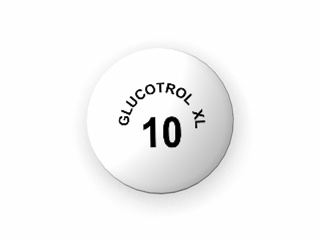
Glucotrol (Glipizide) — Patient Information for Australia
Glucotrol is a brand of glipizide, an oral medicine used to improve blood sugar control in people with type 2 diabetes. This guide explains how it works, when and how to take it, common interactions, safety considerations, and what to expect in everyday use in Australia.
Important: Individual needs vary. Always follow the advice of your treating clinician and the product label. Do not stop or change your dose without medical guidance.
1) Basic product information
- Medicine: Glucotrol (glipizide)
- Medicine type: Sulfonylurea (a diabetes medicine)
- Used for: Type 2 diabetes
- Common forms: Oral tablets (strengths vary by product)
- Class: Diabetes medicines that lower blood glucose by increasing insulin release
In Australia, glipizide is available through pharmacies as a diabetes medicine. Availability of specific brand presentations may vary by supplier and stock levels.
2) How Glucotrol works (mechanism of action)
Glipizide belongs to a group of medicines called sulfonylureas. It primarily works by:
- Stimulating the pancreas to release insulin
- Improving insulin availability in response to meals
- Reducing blood glucose levels
Because glipizide increases insulin secretion, it can sometimes cause low blood sugar (hypoglycaemia), especially when meals are delayed, doses are missed then “caught up,” in older age, or when used with other glucose-lowering medicines.
3) Pharmacokinetics (how the body handles the medicine)
While exact values can vary by formulation and individual factors, glipizide generally behaves as follows:
- Absorption: Taken by mouth, it is absorbed from the gastrointestinal tract.
- Onset: Blood sugar lowering typically begins within hours after a dose.
- Duration: Its effect lasts long enough to help with daytime glucose control, especially when taken with meals as advised.
- Metabolism: Metabolised mainly in the liver.
- Elimination: Excreted mainly as metabolites via the kidneys and/or through bile, depending on the metabolite profile.
Practical takeaway: because it is processed in the body and influences insulin release, consistent timing with food and careful dose changes help reduce the risk of hypoglycaemia.
4) Typical uses and indications (what it’s for)
Glucotrol is used as part of diabetes management for type 2 diabetes. It may be used:
- As monotherapy (alone) when lifestyle measures and/or other treatments are not enough
- In combination with other oral diabetes medicines
- Sometimes alongside insulin depending on blood sugar targets and clinical judgement
Your clinician will decide if glipizide is appropriate based on factors such as your HbA1c, meal pattern, kidney function, other medicines, age, and risk of hypoglycaemia.
5) When to take Glucotrol (timing)
Glipizide works best when it is taken in relation to meals. In general, sulfonylureas are intended to reduce post-meal glucose rises and support insulin release during times of food intake.
Common patient-friendly timing guidance:
- Take with food (or immediately before a meal if your product instructions specify this approach).
- If you miss a meal, do not take the dose unless your clinician has specifically instructed otherwise.
- Try to take doses at consistent times each day.
Because dosing schedules can differ by formulation and your regimen (once daily vs divided dosing), refer to the specific directions on your medicine label.
6) Dosing: what is typical?
Dosing is individual. Glipizide is usually started at a lower dose and adjusted gradually to reach glucose targets while minimising hypoglycaemia.
Typical titration principles (general information):
- Start low (especially in older adults or those at increased risk of low blood sugar)
- Increase gradually based on blood glucose readings and HbA1c response
- Do not exceed the prescribed dose
| Patient situation | General dosing approach (informational) | Why this matters |
|---|---|---|
| Newly starting glipizide | Low starting dose, then adjustment if needed | Reduces risk of hypoglycaemia while your body adapts |
| Older age | Often start lower and adjust more cautiously | Higher sensitivity to glucose-lowering medicines |
| Irregular meal pattern | Extra caution with timing and missed meals | Skipping meals increases low blood sugar risk |
| Kidney or liver issues | May require closer monitoring and tailored dosing | Metabolism and clearance can be affected |
| Combination therapy | Dose may be adjusted when combined with other medicines | Risk of hypoglycaemia can increase when medicines stack |
Do not change your dose based only on one blood glucose reading. Instead, use your clinician’s plan and review trends.
7) Food interactions and dietary considerations
Glucotrol’s effect is closely linked to meal timing. The key dietary considerations include:
- Take with food: This helps match insulin release to glucose coming from the meal.
- Do not skip meals: Missing a meal can lead to hypoglycaemia.
- Keep carbohydrate intake consistent: Large swings in carbohydrate intake may require treatment adjustments.
- Monitor during illness: When eating less or vomiting, your glucose may drop and your clinician may advise changes.
If you feel symptoms of low blood sugar, treat it promptly (for example with fast-acting carbohydrate) and follow your diabetes plan.
8) Alcohol and medicine interactions
Alcohol can affect blood sugar and may increase the risk of hypoglycaemia—especially when combined with glucose-lowering medicines. It can also worsen judgement and delay recognition of symptoms.
- Be cautious: Avoid binge drinking.
- Take with food if consuming alcohol: This can reduce fluctuations in blood glucose.
- Seek advice: If you have liver disease, frequent alcohol use, or recurrent low blood sugar, discuss this with your clinician.
General safety note: If you are unsure about alcohol use in your situation, talk to your clinician or pharmacist.
9) Medicine interactions (common and important)
Glipizide may interact with other medicines that influence blood sugar, liver metabolism, or your risk of hypoglycaemia. Always inform healthcare professionals about all medicines and supplements you take.
Examples of medicines that can increase or decrease glipizide’s glucose-lowering effect include:
- Other diabetes medicines (e.g., insulin, metformin, other oral agents) — can increase hypoglycaemia risk
- Some antibiotics — can influence glucose control indirectly
- Non-steroidal anti-inflammatory drugs (NSAIDs) and salicylates — may affect glucose levels in some people
- Beta-blockers — can mask warning signs of low blood sugar (such as palpitations)
- Drugs affecting liver enzymes — may change glipizide metabolism
- Other medicines that impact appetite, eating patterns, or kidney function
This is not a complete list. Provide your pharmacist with a full medication list including over-the-counter products, vitamins, and herbal supplements. This helps identify interaction risks.
10) Safety profile: what to watch for
Like all medicines, Glucotrol has potential side effects. Many people tolerate it well, but awareness of early symptoms helps prevent complications.
Common side effects
- Low blood sugar (hypoglycaemia) — may present as sweating, shaking, dizziness, hunger, headache, confusion, or irritability
- Nausea or mild stomach upset
- Headache
- Feeling weak or tired
Serious side effects (seek urgent medical advice if these occur)
- Severe hypoglycaemia: unconsciousness, seizures, or inability to swallow
- Allergic reactions: swelling of face/lips, rash, breathing difficulty
- Liver problems: yellowing of eyes/skin, dark urine, persistent severe abdominal pain
- Blood disorders (rare): unusual bruising, infections, or persistent fever
Hypoglycaemia awareness: Some people may not notice symptoms early (especially with older age, frequent episodes, or certain medicines). Using your glucose meter and maintaining regular meal timing are key risk-reduction strategies.
11) Practical use tips (day-to-day guidance)
- Use a medication routine: Link your dose to a meal you eat consistently.
- Keep track of blood glucose: Regular monitoring helps your clinician adjust therapy safely.
- Know your “low sugar plan”: Keep fast-acting carbohydrate available (e.g., glucose tablets or gel) if advised.
- Be careful when you’re unwell: Fever, infection, reduced appetite, vomiting, or diarrhoea can change glucose control quickly.
- Exercise safely: Physical activity can lower glucose. Carry a quick carbohydrate source for extended or intense exercise.
- Inform others: Family, carers, and close contacts should know how to respond to severe hypoglycaemia.
If you have episodes of low blood sugar, your clinician may adjust the dose, change timing, or consider a different diabetes medicine.
12) Missed dose and “what if” situations
If you miss a dose, do not double up unless your clinician or label specifically instructs you to do so. Many patients are advised to take the next dose at the usual time, particularly if it is close to the next meal.
- Missed dose: Generally skip and take the next dose as scheduled.
- Missed meal: Follow the advice you have been given—often you should not take glipizide if you’re not eating.
- Accidental extra dose: Contact a pharmacist or healthcare provider for guidance promptly due to hypoglycaemia risk.
If you suspect you have taken too much and symptoms of low blood sugar occur, treat immediately and seek urgent care if severe.
13) Alternative options for type 2 diabetes (discuss with your clinician)
There are multiple classes of medicines for type 2 diabetes. Alternatives may be chosen based on your health profile, risk of hypoglycaemia, weight goals, kidney function, cardiovascular risk, and cost/availability.
Common alternative classes (not exhaustive):
- Metformin (often first-line in many guidelines)
- DPP-4 inhibitors (e.g., sitagliptin, vildagliptin)
- SGLT2 inhibitors (e.g., empagliflozin, dapagliflozin)
- GLP-1 receptor agonists (injectable options, sometimes oral formulations depending on country availability)
- Other sulfonylureas (different agents within the same class)
- Insulin for some people when glucose targets cannot be met with oral therapy
- Thiazolidinediones (selected cases)
Your clinician may recommend alternatives if you experience repeated hypoglycaemia, have contraindications, or if your diabetes is not adequately controlled.
14) Glucotrol in Australia: market and legal context
In Australia, medicines are regulated through the Therapeutic Goods Administration (TGA). Diabetes medicines must comply with regulatory standards for quality, safety, and efficacy. Supply can be affected by manufacturer distribution, prescribing and dispensing protocols, and stock availability.
- Regulation: Diabetes medicines are supplied under Australian regulatory requirements.
- Pharmacy supply: Availability depends on local pharmacy stock and permitted distribution channels.
- Product variation: Brand and pack sizes may vary between wholesalers and pharmacies.
“Recent guidance” in diabetes care is shaped by updates to national clinical practice and evolving evidence about the safest, most effective options for different patient groups (for example, preferences that reduce hypoglycaemia risk in certain populations). Your clinician can help determine whether glipizide remains appropriate for you as treatment guidelines and your health status evolve.
15) Recent guidance and current clinical considerations
Diabetes management is continually updated based on new evidence. While sulfonylureas like glipizide can remain appropriate for many people, modern clinical decisions often consider:
- Hypoglycaemia risk (particularly for older adults or people with inconsistent eating patterns)
- Cardiovascular and kidney benefits offered by some newer classes for certain patient groups
- Body weight considerations (some medicines are weight neutral; others may contribute to weight change)
- Individualising therapy based on comorbidities and patient preference
If you have concerns about hypoglycaemia, side effects, or whether glipizide is the best option for your current situation, discuss this at your next appointment.
16) Delivery and availability (online pharmacy information)
In Australia, availability of Glucotrol/glipizide may vary between suppliers. Online pharmacies typically manage delivery through local dispatch networks and may restock based on demand.
- Stock status: Check the product page for current availability.
- Delivery times: Commonly depend on your location and dispatch cut-off times.
- Packaging: Medicines are supplied in regulated packaging.
- Quantity limits: Some medicines may have dispensing quantity limits based on pharmacy policy.
If the specific strength/pack size you need is temporarily unavailable, pharmacies may offer alternatives or advise you on when stock is expected.
17) Frequently Asked Questions (FAQ)
Is Glucotrol the same as glipizide?
Yes. Glucotrol is a brand name for glipizide. The active ingredient is glipizide.
How fast does Glucotrol work?
Blood sugar-lowering effects typically begin within hours after a dose. The timing and overall effect depend on your regimen and meal schedule. Regular monitoring helps confirm response for you.
Can I take Glucotrol if I skip meals?
Usually, you should not take sulfonylureas if you are not eating because the risk of hypoglycaemia increases. Follow the directions on your label and the plan provided by your clinician. If you often skip meals, ask for advice before adjusting your routine.
What are the warning signs of low blood sugar?
Symptoms can include sweating, shaking, dizziness, hunger, headache, confusion, palpitations, weakness, and irritability. If you suspect low blood sugar, check your glucose if possible and treat promptly according to your diabetes plan.
How does Glucotrol interact with other diabetes medicines?
Combining glipizide with other glucose-lowering medicines can increase the risk of hypoglycaemia. Your clinician may adjust doses to reduce this risk.
Can I drink alcohol while taking Glucotrol?
Alcohol can increase hypoglycaemia risk and affect blood sugar stability. If you choose to drink, do so cautiously, avoid binge drinking, and consider taking alcohol with food. Discuss your situation with your pharmacist or clinician—especially if you have liver problems or a history of hypos.
Does Glucotrol affect driving or operating machinery?
If you experience hypoglycaemia, your ability to drive or operate machinery may be affected. If your glucose control is stable and you understand your hypo symptoms, risks may be lower—but always follow your diabetes safety plan and local driving guidance.
What should I do if I forget a dose?
Do not double up. Generally, skip the missed dose and take the next dose at the scheduled time, particularly if it’s close to your next dose. If unsure, ask your pharmacist for guidance based on your dosing schedule.
Who should use Glucotrol with extra caution?
Extra caution may be needed for people who are older, have inconsistent eating habits, have kidney or liver issues, or take medicines that can mask hypo symptoms (such as some beta-blockers).
What monitoring is usually recommended?
Monitoring may include:
- Blood glucose checks (especially when starting or adjusting dose)
- HbA1c tests to track longer-term control
- Regular reviews of symptoms, lifestyle, and side effects
Summary
Glucotrol (glipizide) is an oral diabetes medicine that helps lower blood glucose by increasing insulin release from the pancreas. It is most effective when taken with food and used as part of an overall diabetes care plan that includes healthy eating, physical activity, and regular monitoring. Because it can cause hypoglycaemia, attention to meal timing, interaction awareness, and safety planning are essential.
If you have questions about your dose schedule, interactions, or how to manage low blood sugar, consult your pharmacist or treating clinician.