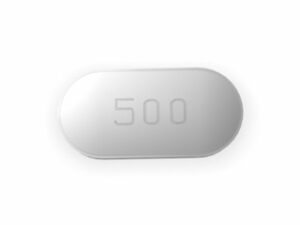
Desmopressin (DDAVP) — Patient Guide (Australia)
Desmopressin is a medicine used to reduce urine production and help manage certain hormone-related conditions. It works by mimicking a natural hormone in the body that controls water balance and, in some cases, supports blood clotting factor activity. This guide explains how desmopressin works, how it is taken, what to expect, and important safety information for people in Australia.
Quick facts
- What it’s used for: Conditions involving deficient antidiuretic hormone (ADH), certain types of nocturia, and some bleeding disorders.
- How it works: Helps the kidneys retain more water and can increase clotting factor activity (depending on the formulation and indication).
- Common forms: Tablets, melt-in-mouth tablets, nasal spray, and sometimes injection (depending on product availability).
- Key safety focus: Risk of low sodium (hyponatraemia), especially with too much fluid or prolonged use at high doses.
Basic product information
| Category | Details |
|---|---|
| Active ingredient | Desmopressin |
| Medicine class | Synthetic analogue of antidiuretic hormone (ADH/vasopressin) |
| Typical forms available | Tablets, melt-in-mouth tablets, nasal spray (exact products vary) |
| Common brands | DDAVP is widely known (availability may vary) |
| Where it may be used | In Australia for hormone-related water balance issues and select bleeding disorders |
How desmopressin works (mechanism of action)
Desmopressin is a synthetic form of ADH (also called vasopressin). In the body, ADH signals the kidneys to reduce water loss in urine. Desmopressin acts mainly on the V2 receptors in the kidney collecting ducts, leading to:
- Less water is excreted in urine, so urine becomes more concentrated.
- Improved regulation of fluid balance.
- For some indications, desmopressin can increase levels of clotting factor activity (commonly factor VIII and von Willebrand factor), which is why it may be used in certain bleeding disorders.
Because desmopressin helps the body hold onto water, the most important safety issue is that sodium can become too low if fluid intake is excessive or if dosing is not matched to individual needs.
Pharmacokinetics (how the body handles it)
Pharmacokinetics describe absorption, distribution, metabolism, and elimination. Exact numbers can vary by formulation and individual factors, but key practical points include:
- Onset of effect: Often begins within about 30–60 minutes for oral or melt-in-mouth forms; nasal products may act similarly, but timing can vary.
- Duration: Effects can last several hours. Many people take it in a schedule designed to cover the time when reduced urine production is most helpful (for example, overnight).
- Route differences: Nasal spray and oral formulations may have different absorption rates and variability, so follow product-specific instructions.
- Elimination: Desmopressin is eliminated mainly through the kidneys. Kidney function matters—dose adjustments or monitoring may be required.
If you miss a dose or have unusual timing, ask your healthcare professional for advice specific to your product and indication.
Typical use in Australia
Desmopressin is used for several conditions. The correct indication depends on the form of the medicine (oral vs nasal vs injection), the reason it’s being used, and your personal medical history. Common uses include:
1) Central diabetes insipidus (water balance disorder)
Desmopressin replaces or reduces the deficiency of ADH, helping reduce excessive thirst and frequent, large volumes of dilute urine.
2) Nephrogenic diabetes insipidus (selected cases)
In some situations, desmopressin may be trialled, but it often works best when the kidneys can respond to ADH signalling. A clinician will assess whether it’s appropriate.
3) Nocturia / bed-wetting related to ADH deficiency or related conditions
Desmopressin may help reduce night-time urine production and improve sleep by reducing the need to urinate overnight. This may include management of certain cases of nocturia in adults and some forms of paediatric enuresis (bed-wetting), depending on age and diagnosis.
4) Selected bleeding disorders
Desmopressin may be used to improve clotting factor activity in some inherited bleeding conditions (for example, specific cases of von Willebrand disease or haemophilia A), as determined by your specialist team.
Indications (what it may be used for)
Indications vary by country and product approval status. In Australia, desmopressin is used for:
- Central diabetes insipidus and related conditions involving deficient ADH.
- Primary nocturnal enuresis (for appropriate paediatric patients) when recommended by a clinician.
- Nocturia associated with increased night-time urine production in suitable patients.
- Some bleeding disorders to increase clotting factor activity, under specialist direction.
Always use desmopressin only for the condition your healthcare team has determined is appropriate for your specific product form and dosing schedule.
Dosing: what to expect
Dosing depends on the indication, your age, kidney function, and the specific formulation (tablet/melt-in-mouth/nasal spray/injection). Because desmopressin is associated with a risk of low sodium, it’s important not to adjust the dose on your own.
General guidance
- Start low, adjust based on response: Many regimens begin with a conservative dose to reduce the risk of hyponatraemia.
- Individualised scheduling: Especially for night-time use, dosing timing is designed to cover the hours of greatest need.
- Monitoring may be needed: Particularly for diabetes insipidus or if there are risk factors for hyponatraemia.
Timing examples (for common situations)
- Night-time urine reduction (nocturia/enuresis): Often taken in the evening, timed so the effect is strongest overnight.
- Diabetes insipidus: Taken to match the pattern of symptoms and fluid needs across the day, sometimes in divided doses.
For specific instructions on your product, refer to the label and follow clinician advice. If you are unsure how to time your dose, ask your pharmacist.
When to take desmopressin (timing and practical routine)
The optimal timing depends on your indication and the formulation you use. As a general rule:
- For night-time symptoms: Take it at a time that aligns with the start of the period when you will not need to urinate.
- Be consistent: Take it at similar times each day to help manage steady effect.
- Do not “double up”: If a dose is missed, follow guidance from your healthcare professional rather than taking extra doses.
Fluid management is crucial. Over-drinking while on desmopressin can increase the risk of hyponatraemia. Your clinician may recommend a specific limit on fluid intake, particularly around the time of dosing.
Food interactions and absorption
Food can affect how quickly certain oral forms of desmopressin are absorbed. In many cases, taking desmopressin with or near food may change absorption and therefore effectiveness.
- Tablets/melt-in-mouth products: Follow the product directions for relation to meals.
- If your pharmacist instructs you to take it on an empty stomach: do so for best consistency.
- Consistency matters: If you usually take it the same way each day, you are less likely to see day-to-day changes.
If you have changed your eating routine and notice symptom changes, check whether your desmopressin timing relative to meals has also changed.
Alcohol and medicine interactions
Alcohol can affect hydration, sleep patterns, and the body’s regulation of fluids. While there is not always a single “one-size-fits-all” interaction, alcohol may increase the risk of complications in people prone to hyponatraemia or those managing nocturia/enuresis.
- Avoid excessive alcohol: It may worsen dehydration/overhydration balance and increase risk of sodium changes.
- Be cautious if you have kidney issues: The combined effect of medicines and alcohol on kidney function may be more significant.
Desmopressin can also interact with medicines that affect sodium levels or water balance. Important examples include:
- Diuretics (especially certain types): May change urine output and complicate treatment goals.
- Medicines that can lower sodium: Some antidepressants, antipsychotics, anticonvulsants, and other agents may increase the risk of hyponatraemia in susceptible individuals.
- NSAIDs (such as ibuprofen/naproxen): In some situations, NSAIDs can affect water retention and may contribute to hyponatraemia risk when combined with desmopressin.
- Other medicines affecting ADH pathways: Always tell your pharmacist about your full list so they can check for relevant interactions.
If you start, stop, or adjust any medicine while taking desmopressin, consult your pharmacist—especially if you experience new symptoms such as headache, nausea, confusion, or unusual drowsiness.
Safety profile: important warnings
Key risk: low sodium (hyponatraemia)
The major safety concern with desmopressin is hyponatraemia—an abnormally low level of sodium in the blood. This can occur when water is retained but sodium dilution becomes excessive. Risk increases with:
- Too much fluid intake before or after a dose
- High doses or increased frequency
- Children and older adults who may be more sensitive
- Concomitant medicines that can also influence sodium levels
- Illnesses such as vomiting, diarrhoea, or fever, which can disturb fluid and electrolyte balance
Seek urgent medical advice if you or a child on desmopressin develops symptoms such as:
- Severe or persistent headache
- Nausea, vomiting
- Confusion, unusual behaviour, severe drowsiness, or difficulty waking
- Muscle cramps, weakness
- Seizures
Other potential side effects
Side effects vary by person and formulation. Commonly reported effects may include:
- Headache
- Nasal irritation (for nasal spray)
- Stomach discomfort (less common)
- Fatigue or feeling unwell
Less common but important effects can occur. If you experience symptoms that worry you, contact your healthcare provider.
Who should take extra care?
- People with kidney problems
- People with a history of hyponatraemia
- People taking medicines that affect sodium or water balance
- Children, particularly for enuresis/nocturnal indications
- Older adults or anyone prone to falls
Practical use tips (to get the best results safely)
- Follow your fluid plan: Your clinician may recommend a specific daily or evening fluid limit.
- Be careful around illness: If you are sick with vomiting/diarrhoea or fever, discuss what to do with your desmopressin plan and whether to hold doses.
- Use a consistent routine: Similar timing each day helps predict effect and reduces dosing mistakes.
- Measure accurately for nasal products: Don’t change the number of sprays without advice.
- Watch for “over-response”: If urination reduces too much or you feel unwell, contact your healthcare professional.
- Keep track of your schedule: Set reminders, especially for evening doses.
Monitoring and follow-up
Monitoring needs depend on the indication and risk level. Your clinician may consider:
- Blood tests for sodium (especially in high-risk situations or when adjusting dose)
- Assessment of symptoms (urine volume, thirst, night-time awakenings)
- Kidney function checks where appropriate
Keep follow-up appointments and inform your healthcare provider if you notice symptoms of low sodium or significant changes in response.
Alternative options
Alternatives depend on the condition being treated. For water balance issues (like central diabetes insipidus or nocturia/nocturnal enuresis), other approaches may include:
- Non-medicinal strategies: Fluid and timing adjustments (especially limiting fluids in the evening) and bladder training strategies for appropriate conditions.
- Other medicines: Some indications may have different therapeutic options depending on diagnosis and individual response.
- Specialist-led management: For complex cases, treatment plans may be adjusted based on underlying cause and comorbidities.
For bleeding disorders, alternatives can include other clotting factor therapies or supportive treatments depending on the specific diagnosis. Your haematology team can advise the best option for your scenario.
Market and legal context for Australia
Medicines containing desmopressin are regulated in Australia and must be supplied in accordance with Australian medicines legislation and professional standards. Availability of specific brands and forms (such as tablets vs nasal spray) can vary by supply chain and product status.
Guidance and use are informed by Australian prescribing practices, product information documents, and specialist recommendations for each indication. For people using desmopressin for nocturia or paediatric enuresis, careful attention to fluid intake and sodium monitoring is consistently emphasised in clinical practice.
Note: Exact supply and eligibility for specific products may vary. A pharmacist can help confirm what is available and the most appropriate formulation for your needs.
Recent guidance and “best practice” reminders
While specific recommendations may evolve, the key clinical priorities commonly emphasised in modern practice include:
- Minimising hyponatraemia risk through appropriate dosing and fluid guidance.
- Careful use in children and close adherence to monitoring instructions for nocturnal indications.
- Medication review to identify drugs that may contribute to sodium imbalance.
- Clear instructions on what to do if the patient is unwell (e.g., vomiting/diarrhoea or fever).
If you have questions about current recommendations for your specific indication, ask your pharmacist or prescribing clinician.
Delivery and availability (online pharmacy)
In Australia, desmopressin products may be supplied through approved channels. Delivery availability depends on stock levels and your location. When ordering online, you typically receive:
- Product packaging and leaflet information (as required)
- Clear label directions for your specific formulation
- Pharmacist support via customer service for questions about timing and safe use
Delivery times vary by state and courier service. For time-sensitive dosing (such as night-time regimens), order early and allow a buffer for delays.
FAQ
1) What is desmopressin used for?
Desmopressin is used for conditions where the body has insufficient ADH activity (such as central diabetes insipidus) and for some cases of night-time urine-related problems (including certain forms of nocturia and paediatric enuresis). It may also be used in selected bleeding disorders to improve clotting factor activity, depending on diagnosis.
2) How fast does it start working?
Many people notice effect within about 30–60 minutes, though timing can vary by product form and individual absorption. Nasal and oral formulations can have different onset and variability, so follow your specific product directions.
3) Can I drink normally while taking desmopressin?
You should follow your clinician’s fluid guidance. Because desmopressin reduces urine production, excessive fluid intake can increase the risk of hyponatraemia. Many patients are advised to limit fluids at certain times, especially around evening doses for night-time symptoms.
4) What should I do if I miss a dose?
Don’t take extra doses to “catch up” without advice. The best next step depends on your indication and the timing of the missed dose. Contact your pharmacist for guidance specific to your schedule.
5) What are signs of low sodium (hyponatraemia)?
Warning signs can include headache, nausea/vomiting, confusion, unusual drowsiness, weakness, and in severe cases seizures. If severe symptoms occur, seek urgent medical help.
6) Are there food interactions?
Food can affect absorption for some oral forms. For best consistency, follow the directions on your product label regarding whether to take it with or without food.
7) Can I drink alcohol?
It’s best to avoid excessive alcohol. Alcohol can affect hydration and may increase risk in people sensitive to sodium or fluid changes. If you drink alcohol, do so in moderation and discuss your situation with a pharmacist.
8) What medicines interact with desmopressin?
Interactions may include medicines that affect sodium levels or fluid balance, such as certain diuretics, antidepressants/antipsychotics associated with hyponatraemia risk, anticonvulsants, and some NSAIDs. Always tell your pharmacist about all medicines and supplements you take.
9) Is desmopressin safe for children?
Desmopressin can be used for certain paediatric conditions when appropriately diagnosed and managed. Children may be at higher risk for hyponatraemia, so strict adherence to dosing and fluid guidance is essential, and monitoring may be recommended.
10) How do I store desmopressin?
Storage instructions are provided on the product packaging/leaflet and can vary by formulation. Generally, keep medicines in a cool, dry place and protect them as directed. Check the leaflet for exact requirements.
Important: This page provides general patient information. Individual dosing and monitoring plans differ by indication and formulation. If you have questions about your specific product, timing, fluid limits, or interactions, speak with a pharmacist.