
Amaryl (Glimepiride) — Patient Information
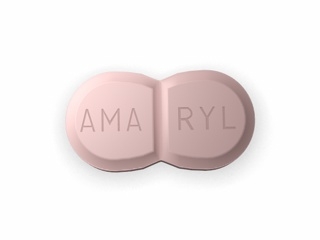
Amaryl is a brand of medicine containing glimepiride, used to help manage type 2 diabetes by lowering blood glucose levels. This page explains how Amaryl works, how it is usually taken, key safety considerations, interactions (including with alcohol and other medicines), and practical tips for everyday use. Information is written for patient education and may vary based on your personal treatment plan.
Quick Overview
- Active ingredient: Glimepiride
- Common use: Type 2 diabetes (improves blood sugar control)
- How it works: Helps the pancreas release insulin
- Typical dosing: Usually taken once daily with meals
- Key risk: Low blood sugar (hypoglycaemia), especially if meals are missed
- Availability in Australia: Sold via pharmacy supply channels; stock may vary by strength and brand
Basic Product Information
| Category | Details |
|---|---|
| Medicine | Amaryl |
| Generic name | Glimepiride |
| Medicine class | Sulfonylurea (oral blood glucose–lowering medicine) |
| Form | Tablets (strengths may vary; commonly 1 mg, 2 mg, 3 mg, 4 mg depending on market supply) |
| How it is taken | By mouth, typically once daily with food |
| Therapeutic goal | Help reduce blood glucose levels and support long-term diabetes management |
Glimepiride belongs to the sulfonylurea group, medicines that stimulate the body to produce more insulin when blood sugar is elevated.
Mechanism of Action (How Amaryl Works)
Glimepiride works mainly by increasing insulin release from pancreatic beta cells. It does this by affecting the electrical activity of beta cells (through ATP-sensitive potassium channels), which helps the cells release insulin into the bloodstream.
In addition, like other sulfonylureas, it may slightly improve insulin sensitivity. However, the core effect is increased insulin secretion—which is why a major side effect to be aware of is hypoglycaemia (low blood sugar).
Pharmacokinetics (Absorption, Distribution, Metabolism, Elimination)
Pharmacokinetics describes what the body does to the medicine (and what the medicine does to the body). While exact values may vary between individuals, the following is typical for glimepiride:
- Absorption: Glimepiride is absorbed from the gastrointestinal tract after oral dosing. Taking it with food can help reduce the risk of rapid glucose changes and supports consistent use.
- Onset: Blood glucose–lowering effects develop within a few hours of a dose.
- Distribution: It binds to plasma proteins (high protein binding is expected for sulfonylureas).
- Metabolism: Glimepiride is extensively metabolised in the liver, primarily via CYP-mediated pathways (metabolites are less active or inactive compared with the parent drug).
- Elimination: Metabolites are excreted primarily through urine and partly through faeces.
- Duration: The effect is often sufficient for once-daily dosing due to the drug’s pharmacological profile.
Because diabetes medications and metabolism can be affected by age, kidney and liver function, and other medicines, your prescriber may adjust the dose for safety and effectiveness.
Typical Use in Type 2 Diabetes
Amaryl is used to improve blood glucose control in people with type 2 diabetes. It may be used:
- As monotherapy when diet and exercise alone are not enough
- In combination with other glucose-lowering medicines, depending on your treatment goals
- When additional control is needed after lifestyle changes or other therapies
The aim is to reduce blood glucose levels and help maintain diabetes control over time. It is not a “rescue” medicine for immediate high blood sugar and should not replace healthy eating, physical activity, or monitoring plans.
When and How to Take Amaryl (Timing & Routine)
Many people take glimepiride once daily, often with breakfast or the meal described in their specific plan. The exact timing may depend on your dose and how your blood sugar responds.
Common timing guidance
- Take with food: It’s generally recommended to take Amaryl with the first main meal of the day.
- Try to be consistent: Keeping the same time each day helps maintain stable blood glucose effects.
- If you change meal patterns: Inform your healthcare professional—missed or delayed meals increase the risk of hypoglycaemia.
Missed dose
If you miss a dose, do not double up unless your healthcare professional has instructed you to do so. Taking an extra dose may increase the risk of low blood sugar.
Missed meals and hypoglycaemia
One of the practical challenges with sulfonylureas is that they can lower blood sugar even if you eat less than usual. If you skip meals, you may be at higher risk of hypoglycaemia.
Food Interactions (What to Expect with Meals)
Amaryl can be affected by food intake because its glucose-lowering effect can occur regardless of whether you consume your usual amount of carbohydrate at the expected time.
- Eat regularly: Avoid skipping meals.
- Carbohydrate balance: If you significantly reduce carbohydrate intake, you may need dose review to reduce hypoglycaemia risk.
- Exercise timing: Physical activity can also lower blood glucose. If you exercise more than usual, consider blood glucose monitoring and discuss dose safety.
If you are prone to low blood sugar or have irregular meals, you and your healthcare professional may consider alternative therapies or a tailored dosing schedule.
Alcohol and Medicine Interactions
Alcohol can affect blood glucose in complex ways:
- Hypoglycaemia risk: Alcohol may increase the risk of low blood sugar, especially when taken with or around meals that are smaller than usual.
- Delayed risk: Some people experience lower blood sugar later after drinking.
- Safety impacts: Alcohol may also mask symptoms of hypoglycaemia, making it harder to recognise and treat early.
If you drink alcohol, do so cautiously, consider having food with alcohol, and monitor blood glucose as advised. Seek individual guidance if you have episodes of hypos or kidney disease.
Always check for alcohol-related warnings on your medicine information sources, and discuss your alcohol habits with your healthcare professional.
Other Medicine Interactions (Important)
Glimepiride can interact with many medicines. Some interactions increase hypoglycaemia risk; others can reduce effectiveness. The risk depends on the medicine involved, your dose, and your health status.
Medicines that may increase the risk of low blood sugar
- Other glucose-lowering medicines (e.g., insulin, other antidiabetic agents)
- Some antibiotics and other drugs that affect glucose levels or metabolism
- Non-steroidal anti-inflammatory drugs (NSAIDs) in some cases may alter glucose effects
- Other agents that can influence liver enzymes or protein binding
Medicines that may reduce the effect of glimepiride
- Corticosteroids (may raise blood glucose)
- Some diuretics (can affect glucose control)
- Hormonal therapies or other medications that raise blood glucose
Action step: Tell your healthcare professional (or pharmacist) about every medicine you take, including over-the-counter products, herbal supplements, and vitamins. If you start or stop a medicine, ask whether your blood glucose monitoring or glimepiride dose needs review.
Indications (When Amaryl is Used)
Amaryl is indicated for the treatment of type 2 diabetes mellitus to improve glycaemic control. It is used alongside diabetes self-management measures such as:
- Healthy eating plans
- Regular physical activity
- Weight management when recommended
- Blood glucose monitoring as advised
Your clinician may choose glimepiride when appropriate based on your blood sugar patterns, body weight considerations, kidney function, and overall treatment history.
Dosing Information (How Much is Usually Taken)
Dosing varies by individual. The following describes typical prescribing principles for glimepiride. Your exact dose should follow your healthcare professional’s instructions and be adjusted based on blood glucose readings.
Typical dosing principles
- Start low: Treatment often begins with a lower dose to reduce the risk of hypoglycaemia.
- Titrate gradually: If needed, doses may be increased stepwise based on response.
- Once daily: Many patients take it once per day with the first main meal.
- Consider kidney function: Reduced kidney function may increase hypoglycaemia risk, requiring caution or dose changes.
- Older age: Older adults may be more susceptible to hypoglycaemia and may need more conservative dosing.
Example dosing schedules (illustrative)
Many markets have available strengths such as 1 mg, 2 mg, 3 mg, and 4 mg. A typical regimen might include:
- Beginning at a low strength and adjusting based on glucose monitoring
- Moving to higher strengths if targets are not reached
- Staying at the lowest effective dose to maintain control
Important: Do not change your dose without medical guidance. Incorrect dosing can lead to dangerous low or high blood glucose.
Safety Profile (Side Effects and Warnings)
Most people tolerate Amaryl well when used correctly. However, like all diabetes medicines, it has potential risks. Understanding side effects can help you respond early and safely.
Serious side effects (seek urgent advice)
- Hypoglycaemia (low blood sugar): Symptoms may include sweating, trembling, hunger, palpitations, dizziness, confusion, headache, drowsiness, or weakness. Severe episodes can lead to fainting or seizures.
Other possible side effects
- Gastrointestinal effects: nausea, stomach discomfort, or changes in appetite
- Headache
- Weight gain: Some people gain weight with sulfonylureas due to improved glucose utilisation and appetite changes
- Skin reactions: rash or itching (rare)
When to stop and get medical help
Contact a healthcare professional promptly if you experience:
- Symptoms of severe hypoglycaemia or repeated mild episodes
- Signs of allergic reaction (swelling, difficulty breathing, widespread rash)
- Persistent vomiting, inability to eat, or dehydration (which can destabilise blood glucose)
Practical Use Tips (How to Use Amaryl Safely)
1) Know your hypoglycaemia plan
- Keep fast-acting carbohydrate available (such as glucose tablets or suitable sugar-containing products) if recommended.
- Check your blood glucose if you feel symptoms of low sugar.
- Discuss with your healthcare professional what threshold and treatment plan to use.
2) Maintain regular meals
- Don’t skip breakfast or the meal you normally take your dose with.
- If appetite is reduced (illness, stress), seek advice—your dose may need adjustment.
3) Be consistent with the same daily timing
- Taking it at different times can contribute to glucose variability.
4) Monitor blood glucose and HbA1c
- HbA1c reflects average blood glucose over time; regular checks help assess long-term control.
- If you change diet, exercise, or medicines, monitoring can help detect hypo/hyperglycaemia early.
5) Travel and illness management
- Carry your tablets with you and keep them organised.
- During illness (fever, infection, vomiting), blood sugars may change significantly—seek timely advice for safe management.
Alcohol and Lifestyle Considerations
Diabetes management is not only about tablets. Alcohol and lifestyle choices can change blood glucose patterns. For safety:
- Limit alcohol if you experience frequent hypoglycaemia.
- Drink with food when appropriate and avoid binge drinking.
- Consider extra glucose monitoring around drinking events.
Your clinician can provide tailored advice based on your diabetes control and any other medical conditions.
Alternative Options (Other Medicines for Type 2 Diabetes)
If glimepiride is not suitable (for example, due to recurrent hypoglycaemia, weight concerns, or interaction risk), there may be other oral or injectable options. Availability and suitability depend on individual factors and Australia’s clinical pathways.
Common alternative medicine classes
- Metformin: Often first-line; improves insulin sensitivity and is associated with a low hypoglycaemia risk when used alone.
- DPP-4 inhibitors: Generally lower risk of hypoglycaemia compared with sulfonylureas.
- SGLT2 inhibitors: Help kidneys remove glucose; may offer cardiovascular and kidney benefits for eligible patients.
- GLP-1 receptor agonists: Injectable options that can support weight management.
- Insulin: Used when additional control is needed or in specific clinical situations.
- Other sulfonylureas: Similar class alternatives may be considered but share a hypoglycaemia risk.
If you are considering changing treatment, do not stop glimepiride suddenly without medical guidance, as this may cause blood glucose to rise.
Market and Legal Context in Australia (How This Medicine is Supplied)
In Australia, diabetes medicines such as glimepiride are supplied through the regulated pharmacy system. Product availability, pack sizes, and brand variants may vary depending on supply chains and treatment coverage.
In general terms:
- Medicines are supplied according to Australian regulatory requirements and pharmacy practice standards.
- Prescribing and dispensing requirements may apply based on medicine classification and patient circumstances.
- Consumers should obtain medicines from reputable sources to reduce the risk of counterfeit or incorrect products.
For personalised and up-to-date guidance, consult your local pharmacist or healthcare professional.
Recent Guidance and Clinical Considerations
Clinical recommendations for type 2 diabetes management evolve as evidence and safety information develops. In recent years, Australian clinical practice has increasingly emphasised choosing therapies that match individual risk profiles (including hypoglycaemia risk, cardiovascular and renal benefit, weight considerations, and patient preferences).
Sulfonylureas like glimepiride remain an option for appropriate patients, but many guidelines emphasise:
- Using the lowest effective dose to reduce hypoglycaemia risk
- Reviewing therapy when targets are not met or side effects occur
- Consideration of other medication classes when hypoglycaemia risk is a concern
If you have had low blood sugar episodes, kidney disease, or difficulty maintaining regular meals, discussing whether glimepiride remains the best fit for you is important.
Delivery and Availability (Online Pharmacy Expectations in Australia)
Availability of Amaryl/glimepiride tablets may depend on:
- Strength (e.g., 1 mg vs 2 mg vs 3 mg vs 4 mg)
- Pack size
- Regional stock and supplier shipments
When ordering from an online pharmacy, typical service features may include:
- Stock checks before dispatch (where available)
- Standard or express delivery options
- Tracking details after dispatch
- Secure packaging to protect tablet integrity
Delivery times can vary by address and courier schedules. If a product is out of stock, the pharmacy may provide an estimated restock date or suggest alternative options.
FAQ (Frequently Asked Questions)
1) What is Amaryl used for?
Amaryl (glimepiride) is used to improve blood sugar control in people with type 2 diabetes mellitus.
2) How does Amaryl lower blood glucose?
It increases insulin release from the pancreas when blood sugar is elevated. This helps reduce blood glucose levels.
3) When should I take my dose?
Many people take glimepiride once daily with their first main meal (often breakfast). Follow the exact schedule recommended for you, and keep the timing consistent.
4) What happens if I miss a meal?
Missing a meal increases the risk of hypoglycaemia with sulfonylureas. If you regularly skip meals, you should discuss your treatment plan with a healthcare professional.
5) Can I drink alcohol while taking Amaryl?
Alcohol may increase the risk of low blood sugar and may mask symptoms. If you choose to drink, do so cautiously—preferably with food—and consider extra blood glucose monitoring as advised.
6) What are the symptoms of low blood sugar?
Symptoms can include sweating, shaking, hunger, dizziness, palpitations, confusion, headache, drowsiness, and weakness. Severe episodes may cause fainting or seizures. If you suspect low blood sugar, test if possible and treat according to your plan.
7) Are there medicines I should avoid?
Many medicines can interact with glimepiride. Tell your pharmacist about all medicines and supplements you use—especially other glucose-lowering medicines, steroid medicines, some antibiotics, and medicines that affect liver enzymes.
8) Can Amaryl cause weight gain?
Weight gain can occur in some people treated with sulfonylureas. Maintaining a healthy diet and activity plan can help manage this.
9) How long does it take to work?
Blood glucose–lowering effects typically begin within hours of taking a dose. The overall benefit is judged over time using blood glucose monitoring and HbA1c results.
10) Is Amaryl a substitute for insulin?
Amaryl is an oral medicine and works differently from insulin. It supports insulin secretion in type 2 diabetes, but it does not replace insulin when insulin is required.
Important Safety Reminder
Diabetes medicines require careful, individualised use. If you experience symptoms of hypoglycaemia, or if you have symptoms that concern you (including allergic reactions), seek medical advice promptly. Always follow the dosing instructions provided with your medicine information and discuss any changes in diet, exercise, or other medicines with a pharmacist or healthcare professional.