
Atorvastatin (Brand examples: Lipitor® and generics) — Patient Guide
Atorvastatin is a widely used medicine for improving cholesterol levels and lowering the risk of cardiovascular events such as heart attack and stroke. This guide is designed to help you understand how atorvastatin works, how it’s taken, key safety considerations, and what to expect in everyday use in Australia.
Note: Information below is general and may not apply to everyone. Always follow your healthcare professional’s advice and the instructions on the product label.
Basic product information
| Category | Details |
|---|---|
| Medicine name | Atorvastatin |
| Class | Statin (HMG-CoA reductase inhibitor) |
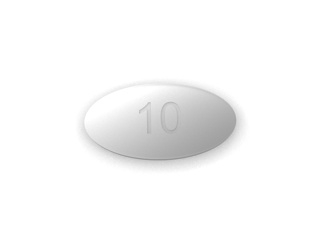
| Common strengths | Usually 10 mg, 20 mg, 40 mg, 80 mg tablets (may vary by brand/generic) |
| How it’s taken | By mouth, as tablets |
| Typical dosing frequency | Once daily |
| Purpose | Lower LDL (“bad” cholesterol), total cholesterol and triglycerides; help raise HDL (“good” cholesterol) |
How atorvastatin works (mechanism of action)
Atorvastatin belongs to the statin group. It works by reducing the production of cholesterol in the liver.
- Blocks HMG-CoA reductase: This enzyme is a key step in cholesterol synthesis.
- Increases LDL receptor activity: With less cholesterol made, liver cells pull more LDL cholesterol out of the bloodstream.
- Reduces atherosclerotic risk: Beyond cholesterol lowering, statins help stabilise plaques in blood vessels and reduce inflammation linked to cardiovascular disease.
The result is typically a reduction in LDL cholesterol and overall cardiovascular risk over time.
Pharmacokinetics: how the body handles atorvastatin
Understanding how atorvastatin is absorbed and processed can help with correct use.
- Absorption: Atorvastatin is absorbed in the gut and reaches peak blood levels within a few hours of taking a dose.
- Metabolism: Primarily processed in the liver by enzymes, notably CYP3A4.
- Active metabolites: Some metabolites also contribute to the cholesterol-lowering effect.
- Elimination: Mainly excreted through the bile and faeces; kidney impairment does not usually require major dose adjustments.
- Half-life: The active effect may last longer than the parent drug’s presence in blood.
Because atorvastatin is metabolised by liver enzymes, interactions with certain medicines can significantly affect blood levels and increase the risk of side effects.
Typical use in everyday care
Atorvastatin is commonly used as part of a long-term plan to reduce cardiovascular risk. It works best when combined with healthy lifestyle measures, such as:
- Not smoking (or stopping)
- Healthy eating (e.g., Mediterranean-style diet)
- Regular physical activity
- Maintaining a healthy body weight
- Managing blood pressure and diabetes (if applicable)
Cholesterol changes are often noticeable within a few weeks, but the full benefit is typically assessed with follow-up blood tests after an appropriate interval.
Timing: when to take atorvastatin
Atorvastatin is usually taken once daily.
- Time of day: Many people can take it at any time of day. Consistency is the key.
- With or without food: It can be taken with or without food for most people.
- Missed dose: If you miss a dose, take it when you remember unless it is almost time for your next dose. Do not double up.
If your healthcare professional has advised a specific schedule, follow that plan.
Food interactions and grapefruit warning
Food can influence atorvastatin levels—most importantly through grapefruit.
- Grapefruit / grapefruit juice: Grapefruit can increase atorvastatin exposure by affecting liver enzymes and transporters. This may raise the risk of muscle-related side effects in some people.
- General food: Most meals do not meaningfully alter atorvastatin’s effectiveness for typical use.
Practical approach: If you enjoy grapefruit, ask your healthcare professional whether you should avoid it completely or limit intake. As a general safety measure, avoid heavy or regular grapefruit consumption.
Alcohol interactions and liver considerations
Alcohol does not interact with atorvastatin in the same way as grapefruit, but both can affect the liver. Drinking heavily may increase the risk of liver injury and can worsen triglycerides in some people.
- Moderation matters: If you drink alcohol, keep within recommended limits for your individual health situation.
- Symptoms to watch for: Seek medical advice promptly if you develop unusual fatigue, dark urine, yellowing of the skin/eyes, or severe upper abdominal pain.
- Extra caution: People with known liver disease or persistently elevated liver enzymes should discuss alcohol use with their clinician.
Medicine interactions: key safety topics
Atorvastatin can interact with other medicines that influence CYP3A4 or muscle-related risk. Some interactions can significantly increase atorvastatin levels and raise the likelihood of myopathy or rhabdomyolysis (a serious muscle breakdown condition).
Common categories of medicines that may interact
- Strong CYP3A4 inhibitors: Examples may include certain antibiotics (e.g., clarithromycin), some antifungals (e.g., ketoconazole), and some HIV/HCV antivirals.
- Some calcium-channel blockers: Certain drugs (such as diltiazem or verapamil) may increase statin exposure.
- Other lipid-lowering medicines: Combining with fibrates (e.g., gemfibrozil) or high-dose niacin can raise muscle risk.
- Immunosuppressants: Some medicines used after organ transplant may interact.
- Other CYP-related medicines: Even some “everyday” medicines can matter depending on your regimen.
Over-the-counter medicines and supplements
- Herbal products: Some supplements may interact with liver enzymes. Discuss before use.
- Pain relief medicines: For muscle symptoms, avoid self-treatment that may delay evaluation. Paracetamol is generally used for pain, but confirm with your clinician if you have liver concerns.
Tell your healthcare professional about all medicines you take, including vitamins, supplements, and occasional medicines. Interaction risk depends on dose, kidney and liver function, and your overall health.
Indications: what atorvastatin is used for
Atorvastatin is used to reduce cholesterol and cardiovascular risk in a variety of situations, including:
- Primary prevention of cardiovascular disease in people at increased risk.
- Secondary prevention in those with established cardiovascular disease (e.g., prior heart attack, stroke, or known coronary artery disease).
- Hypercholesterolaemia and mixed dyslipidaemia, to lower LDL cholesterol and total cholesterol.
- Raised triglycerides (where appropriate based on overall lipid profile and risk factors).
Your exact goal (e.g., a target LDL level or percentage reduction) depends on your individual risk factors and results.
Dosing: typical starting and ongoing dose patterns
Dosing is individual and guided by cholesterol levels, cardiovascular risk, tolerability, and interaction risk. Common patterns include:
- Starting dose: Often 10 mg to 20 mg once daily, depending on the situation.
- Higher-risk patients: May need stronger doses such as 40 mg or 80 mg.
- Adjustments: Dose changes are typically based on repeat blood tests and clinical response.
- Interaction-related limits: If you take interacting medicines, a lower atorvastatin dose may be recommended to reduce risk.
What you can do: Take atorvastatin consistently and attend follow-up blood tests so your clinician can ensure your dose is achieving the desired effect safely.
How long until it works?
- Early changes: Lipid levels can begin improving within days to a couple of weeks.
- Assessment period: Clinicians often check cholesterol after an interval such as 4–12 weeks after starting or changing dose.
- Long-term benefit: The biggest cardiovascular risk reduction is seen with ongoing use over months and years.
Safety profile: what to expect and when to get help
Most people tolerate atorvastatin well. Like all medicines, it can cause side effects, though many are uncommon. The main serious safety concern involves muscle effects and, less commonly, liver enzyme changes.
Common or mild side effects
- Headache
- Nausea or stomach discomfort
- Mild muscle aches or cramps (may occur for some people)
- Constipation or diarrhoea
Serious side effects: seek urgent medical advice
- Unexplained muscle pain, tenderness, weakness, or dark urine — especially if severe, sudden, or accompanied by fever or feeling very unwell. These can be signs of serious muscle injury (rare).
- Symptoms of liver problems: Yellowing of the skin or eyes, dark urine, significant fatigue, or severe upper abdominal pain.
- Allergic reactions: Swelling of the face/lips, difficulty breathing, or widespread rash.
Who needs extra caution?
- People with known liver disease or persistently elevated liver enzymes
- People with kidney impairment or severe illness
- People taking multiple interacting medicines
- Older adults or those with a history of statin intolerance
If you’ve previously experienced statin-related muscle symptoms, discuss this history with your clinician before starting or increasing therapy.
Practical use tips for best results
- Make it easy to remember: Take atorvastatin at the same time each day. Consider a pill organiser or phone reminder.
- Don’t stop abruptly: If you feel unwell or have concerns, contact your healthcare professional before stopping. Stopping without guidance may reduce cardiovascular protection.
- Track symptoms: If you develop muscle soreness, note timing and severity. Report promptly rather than “waiting it out.”
- Keep lifestyle steady: Statins work alongside diet and exercise; major lifestyle changes should also be discussed because lipid targets may shift.
- Follow blood tests: Your clinician may monitor lipids and liver enzymes, especially after starting or dose changes.
Alternative options (if atorvastatin isn’t suitable)
If atorvastatin is not tolerated or does not achieve the desired lipid goals, clinicians may consider other approaches. Alternatives include:
Other statins
- Rosuvastatin
- Simvastatin
- Pravastatin
- Pitavastatin (availability varies)
Non-statin lipid-lowering medicines
- Ezetimibe
- Bile acid sequestrants
- Fibrates (more relevant for certain triglyceride patterns)
- PCSK9 inhibitors (for selected high-risk patients)
- Other agents depending on lipid phenotype and risk (your clinician can advise)
Alternative therapy depends on your lipid results, cardiovascular risk, and any previous side effects. Never switch or combine medicines without professional guidance.
Atorvastatin in Australia: market and legal context
In Australia, statins are established, commonly prescribed cholesterol-lowering medicines. Availability may include branded products and generics supplied through approved pharmaceutical channels.
- Regulatory oversight: Medicines in Australia are regulated through the Therapeutic Goods Administration (TGA).
- Prescription medicine status: Depending on the product and local requirements, statins are typically dispensed under Australian medicine governance frameworks.
- Clinical guidance: Australian and international cholesterol and cardiovascular risk guidelines inform typical use and monitoring practices.
Online pharmacies operating in Australia should only supply medicines consistent with applicable Australian laws and requirements.
Recent guidance and monitoring themes
While specific wording of guidance can vary over time, common clinical themes in recent years include:
- Use statins based on overall cardiovascular risk: Treatment intensity is often guided by baseline risk and lipid response.
- Start with an appropriate dose and reassess: Lipid levels are checked after starting or increasing dose.
- Monitor for muscle symptoms: Patients are advised to report unexplained muscle pain or weakness early.
- Consider interaction risk: Clinicians review co-medications (especially CYP3A4 inhibitors and fibrates) to reduce adverse effects.
- Liver safety awareness: Routine liver testing practices may differ, but testing is typically done when clinically indicated, and evaluation is recommended if symptoms suggest liver injury.
If you’re unsure how your monitoring plan should look, ask your healthcare professional what tests they’ll check and when.
Delivery and availability (Australia)
Atorvastatin may be available from approved online pharmacy suppliers and, depending on your needs, may be supplied as branded or generic products. Availability can vary by dose and pack size.
- Stock checks: Reputable online pharmacies typically show live availability and estimated dispatch times.
- Packaging: Medicines are normally supplied in original manufacturer packaging.
- Delivery times: Delivery timing depends on your location and the courier service used.
- Cold chain: Atorvastatin tablets usually do not require refrigeration.
During high-demand periods, lead times can change. If you need a specific strength (e.g., 20 mg vs 40 mg), check availability before placing your order.
FAQ — Atorvastatin
1) What is atorvastatin used for?
Atorvastatin is used to lower cholesterol levels (especially LDL) and reduce the risk of cardiovascular events such as heart attack and stroke. It is also used for certain types of abnormal blood fats (lipid disorders).
2) How should I take atorvastatin?
Take it by mouth once daily, at a consistent time. You can generally take it with or without food. If you miss a dose, take it when you remember unless it is close to the next dose—do not double up.
3) Can I take atorvastatin with food?
Yes, atorvastatin can usually be taken with or without food. However, avoid or limit grapefruit products because they may increase atorvastatin levels.
4) Does alcohol affect atorvastatin?
Alcohol doesn’t have the same direct interaction as grapefruit, but heavy drinking may increase liver stress and can worsen some lipid problems. Keep alcohol within sensible limits and seek advice if you have liver-related symptoms.
5) What interactions should I be aware of?
Tell your healthcare professional about all medicines and supplements you take. Key interaction risk includes strong CYP3A4 inhibitors (some antibiotics/antifungals/antivirals), certain calcium-channel blockers, fibrates, and some other lipid-lowering agents.
6) What side effects are common?
Some people experience mild stomach upset, headache, or mild muscle aches. Serious side effects are rare, but you should get prompt help if you develop severe muscle symptoms, dark urine, or signs of liver problems.
7) What should I do if I get muscle pain?
Stop and seek medical advice promptly—especially if pain is severe, you have weakness, or urine becomes dark. Don’t ignore symptoms; early assessment is important.
8) Will I need blood tests?
Many clinicians monitor cholesterol and sometimes liver enzymes, particularly after starting or changing dose. Your personal monitoring plan depends on your health history and risk.
9) Can I switch to another statin if atorvastatin doesn’t suit me?
Often, yes. If atorvastatin causes side effects or doesn’t meet lipid goals, clinicians may adjust dose or switch to another statin or add non-statin treatments. Do not switch on your own—discuss with your healthcare professional.
10) Is atorvastatin safe for everyone?
Most people can take atorvastatin safely, but caution is needed for those with liver disease, certain medical conditions, or interacting medicines. Your clinician will consider your overall risk and medication list before deciding on dosing.
Need personalised guidance? If you have questions about how atorvastatin fits your health conditions or co-medications, speak with a qualified healthcare professional.